How Magic Mind Structures Their Video Ads in 2026
Decoded into structural formulas — every hook, every beat, every closing mechanism. Magic Mind runs 23 live video ads built around Open Loop Statement and Curiosity Spike openers.
Magic Mind runs 23 live video ads built on a repeatable creative formula. Their ads open with a Open Loop Statement hook and consistently activate Loss Aversion as the central psychological driver. Talking Head Broll is the dominant creative format — the visual template Magic Mind returns to most often when scaling new creative. Every ad in this report has been decoded into its structural formula — hook type, psychological mechanism, beat architecture, and visual DNA — revealing exactly how Magic Mind engineers creative that performs in health & supplements.
Brand Playbook
The dominant formula across 23 ads — what this brand does at every stage and how consistently they do it.
Hook Playbook
Top hooks Magic Mind uses
The 5 most-used opening hook types across Magic Mind's decoded video ads.
Hooks Magic Mind doesn't use
Hook types that appear in health & supplements ads but are absent from Magic Mind's decoded sample.
CTA Playbook
Top CTAs Magic Mind uses
The 5 most-used closing mechanisms across Magic Mind's decoded ads.
CTAs Magic Mind doesn't use
Closing mechanisms common in health & supplements ads but absent from Magic Mind's decoded sample.
Visual DNA
Aggregated visual characteristics from 23 ads.
Visual Playbook
How Magic Mind shoots their ads, aggregated across every decoded shot in the sample.
33% of Magic Mind's decoded ads use medium close-up framing, and 75% shoot with a static locked camera.
Cool daylight lighting shows up in 21% of shots, and the dominant color mood is natural green (26% of shots).
Framing
- Medium Close-Up33%
- Medium Shot13%
- Product In Environment10%
- Product In Hand7%
Camera Movement
- Static Locked75%
- Static Handheld11%
- Subtle Handheld6%
- Tracking Forward2%
Lighting
- Cool Daylight21%
- Soft Window Light18%
- Studio Softbox14%
- Neon Colored11%
Color Mood
- Natural Green26%
- Bright And Saturated13%
- Dark And Moody12%
- Clean White Minimal11%
Persuasion Principles
Principles that appear together in the same beat
Gap Analysis
Comparing Magic Mind's creative mix against the Health & Supplements category average.
Patterns where Magic Mind lags behind the Health & Supplements average.
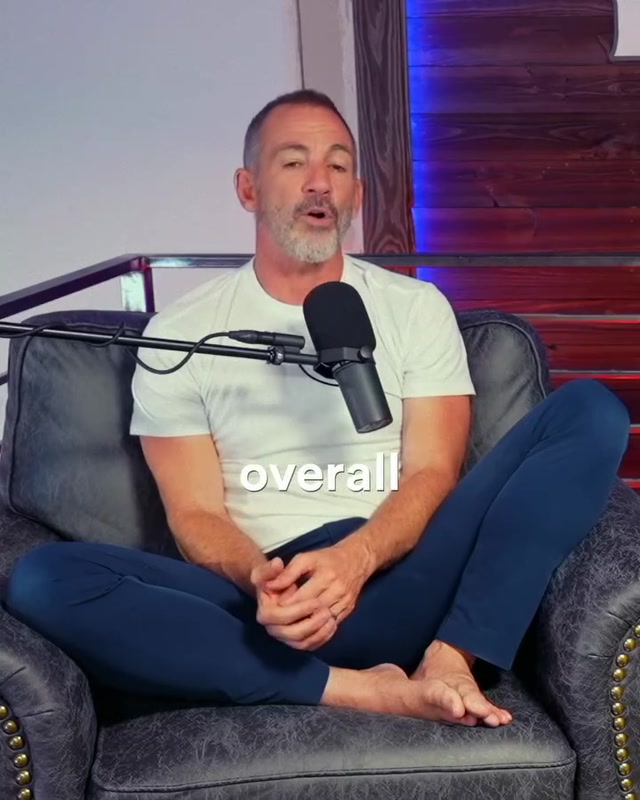
Talking Head B-Roll

Product Hero
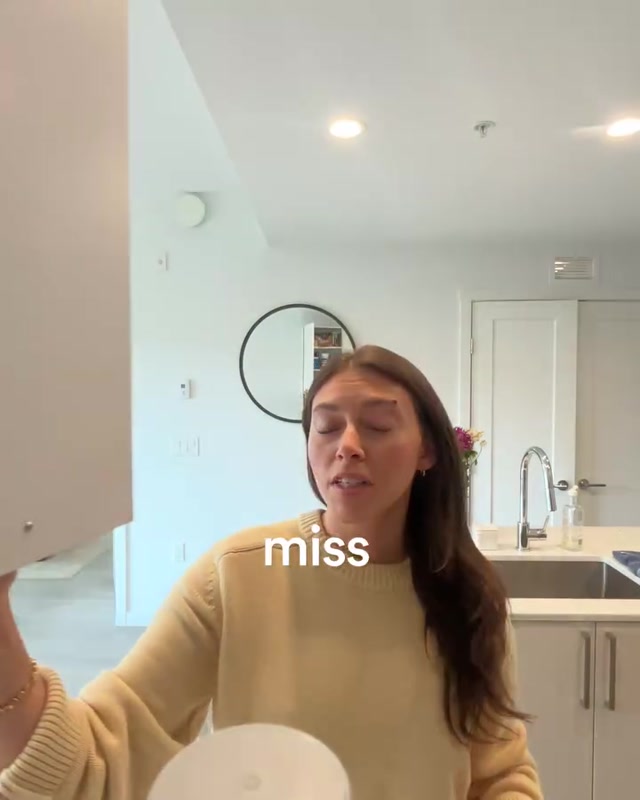
Talking Head B-Roll
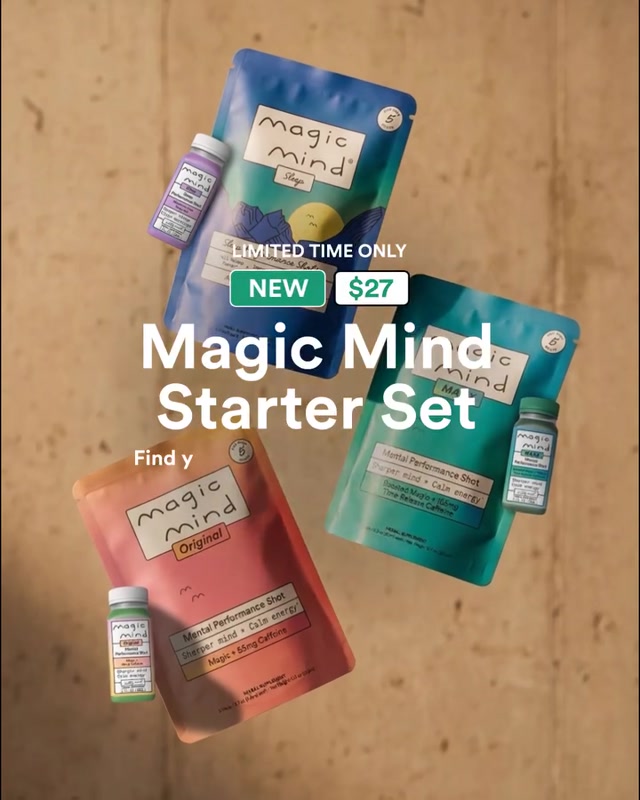
Product Hero
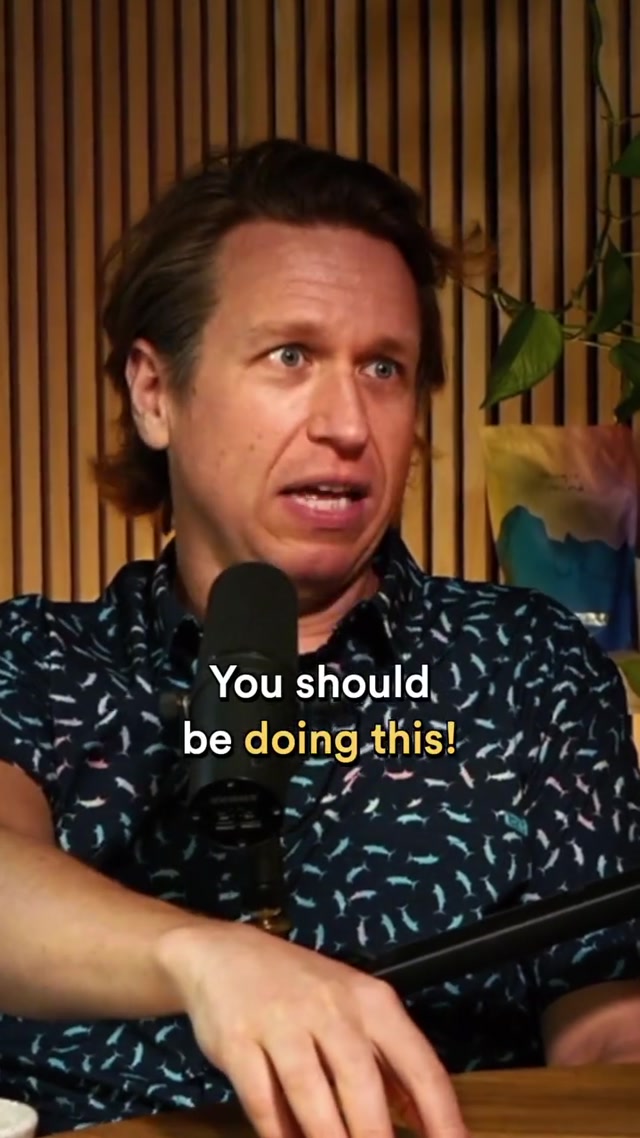
Interview Podcast
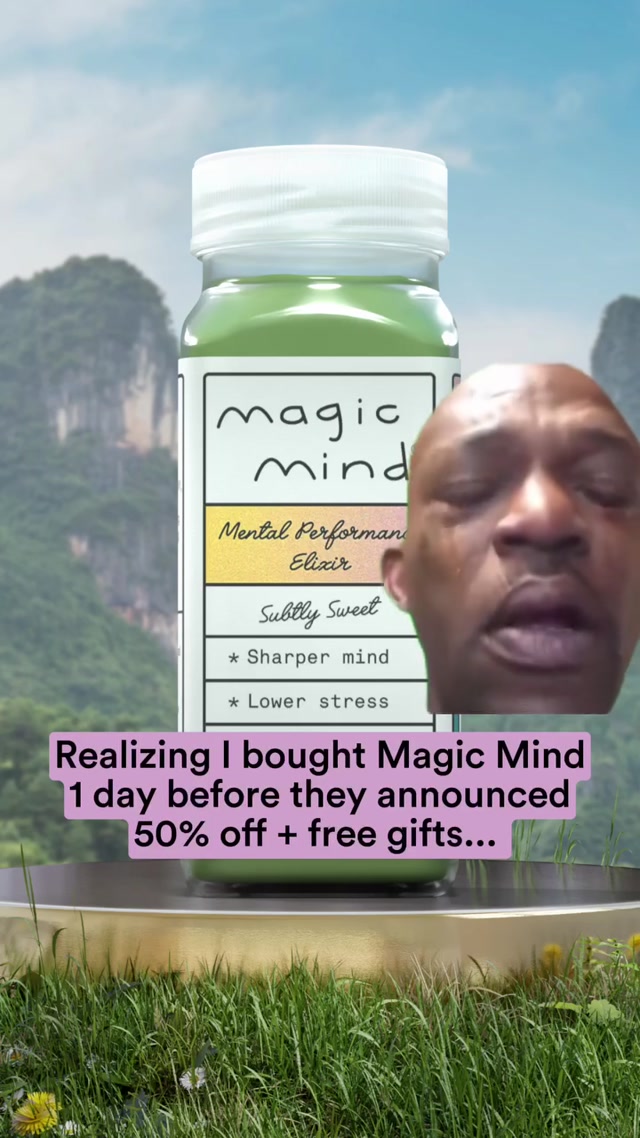
Slideshow Statics
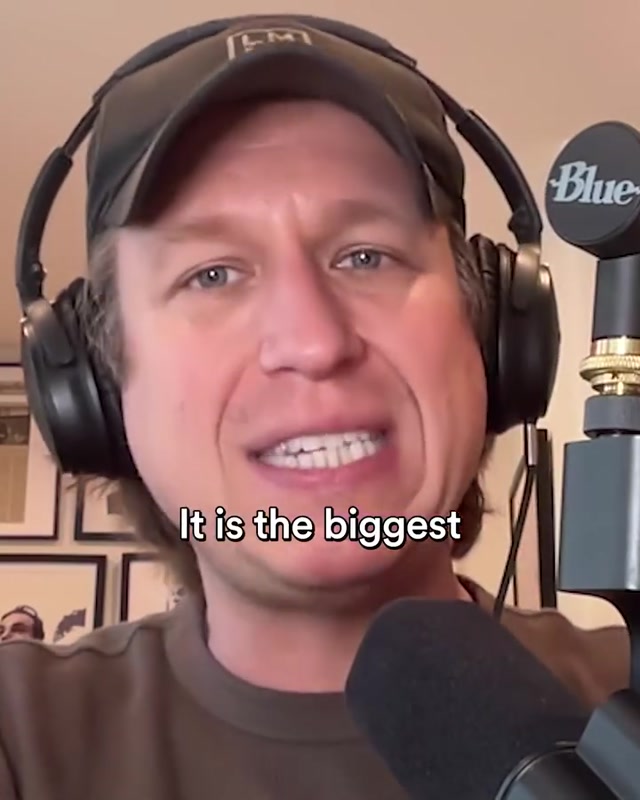
Talking Head Solo
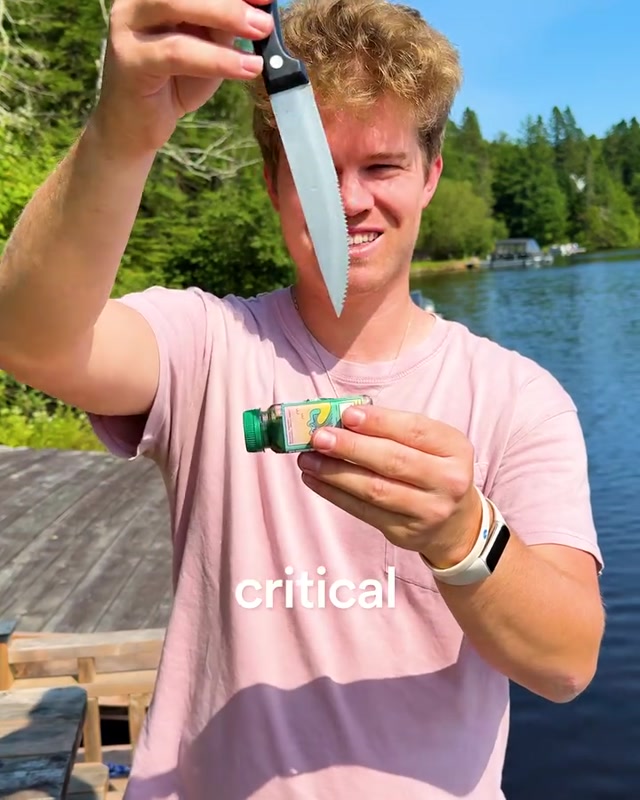
Voiceover B-Roll
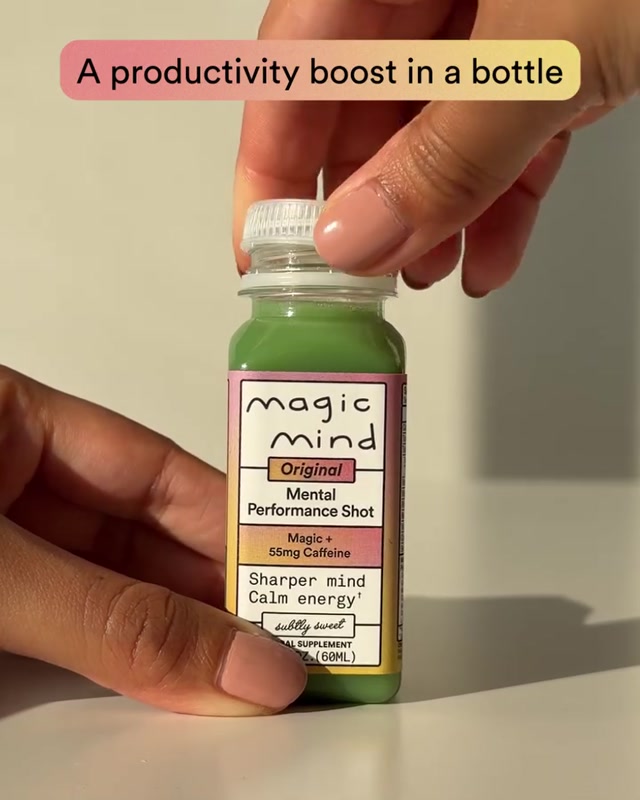
Product Hero
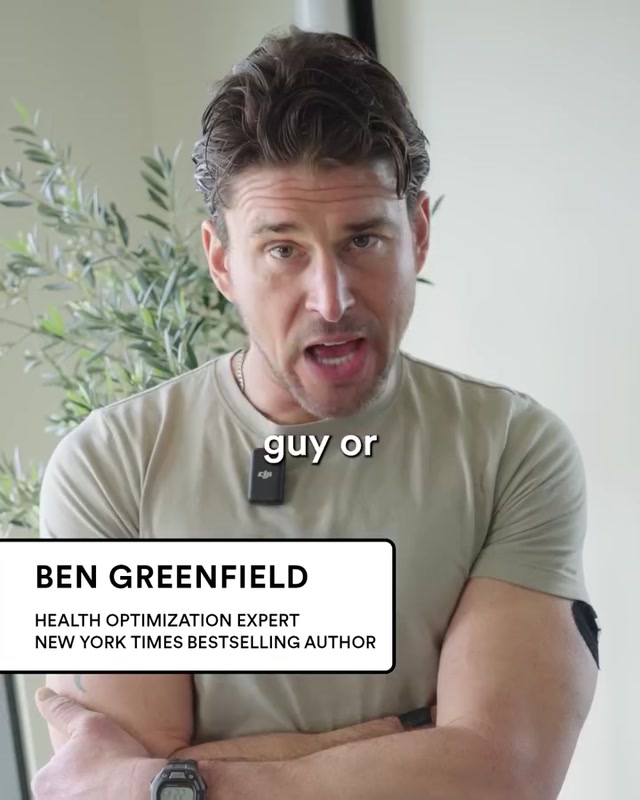
Talking Head Product

Talking Head B-Roll
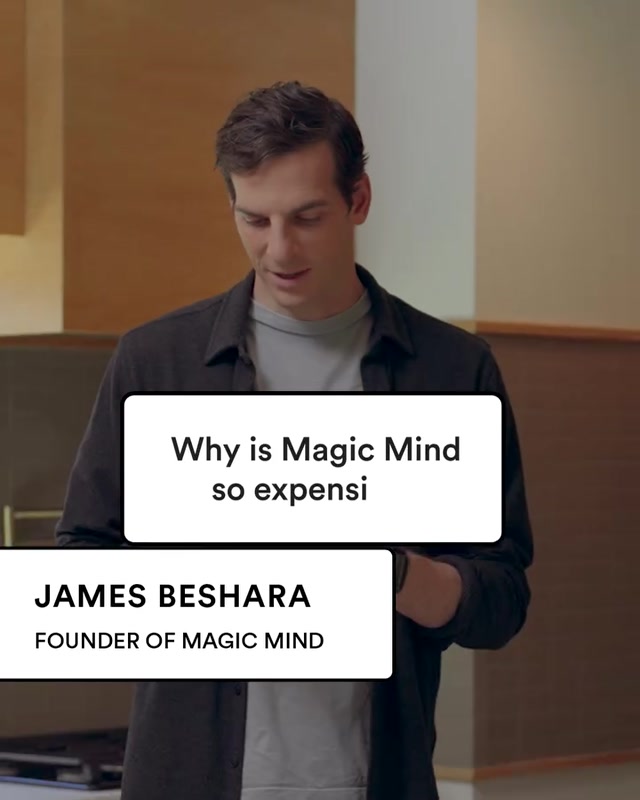
Founder To Camera
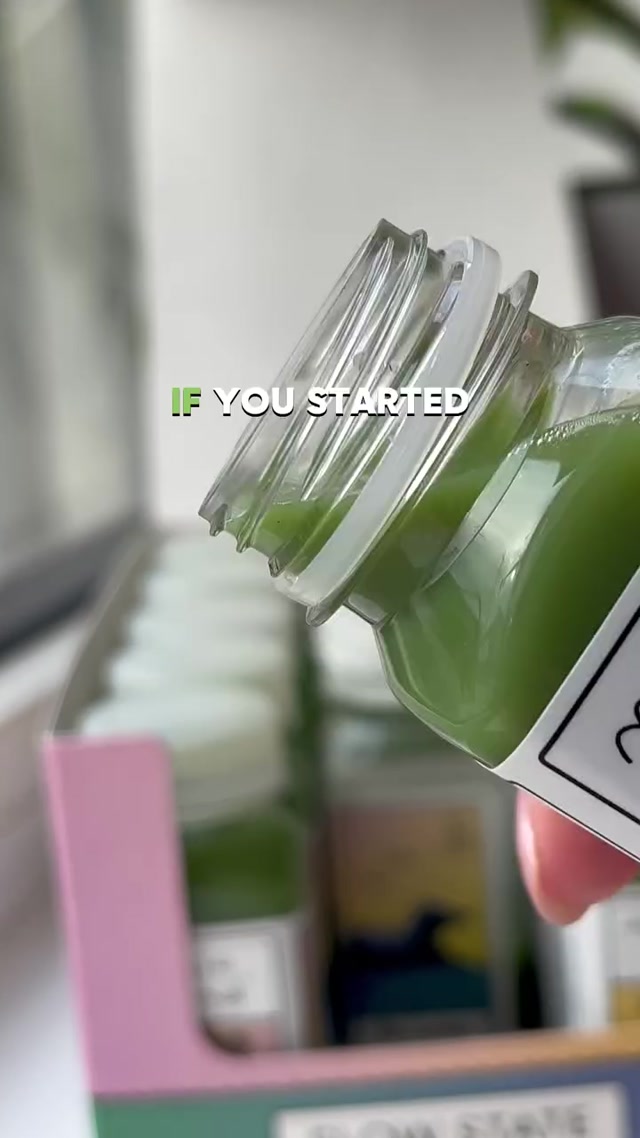
Voiceover B-Roll
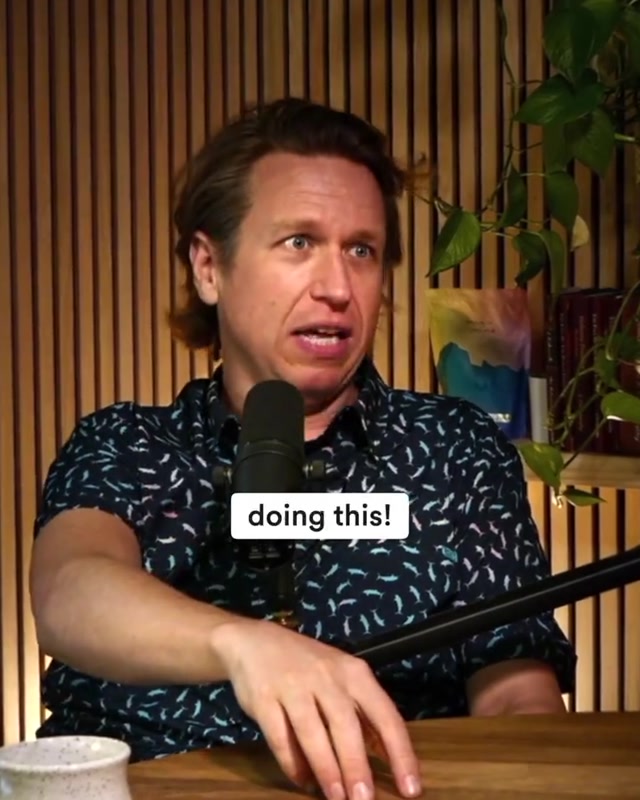
Talking Head B-Roll
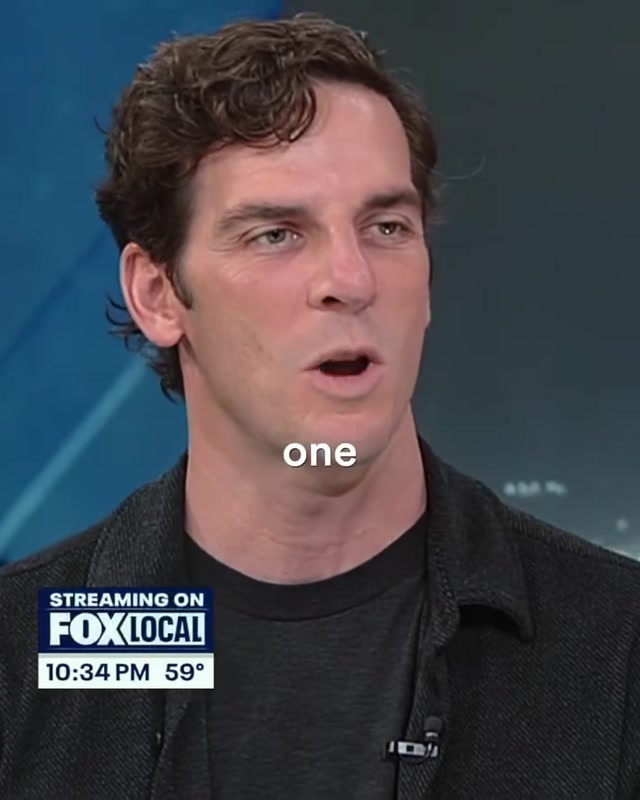
Founder To Camera
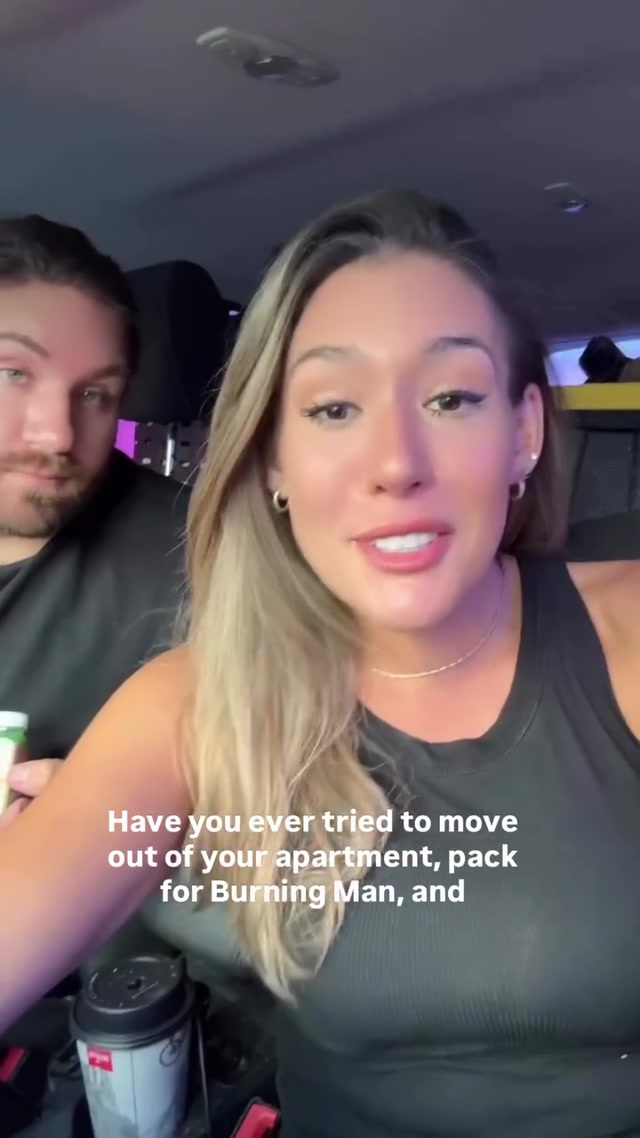
Talking Head B-Roll
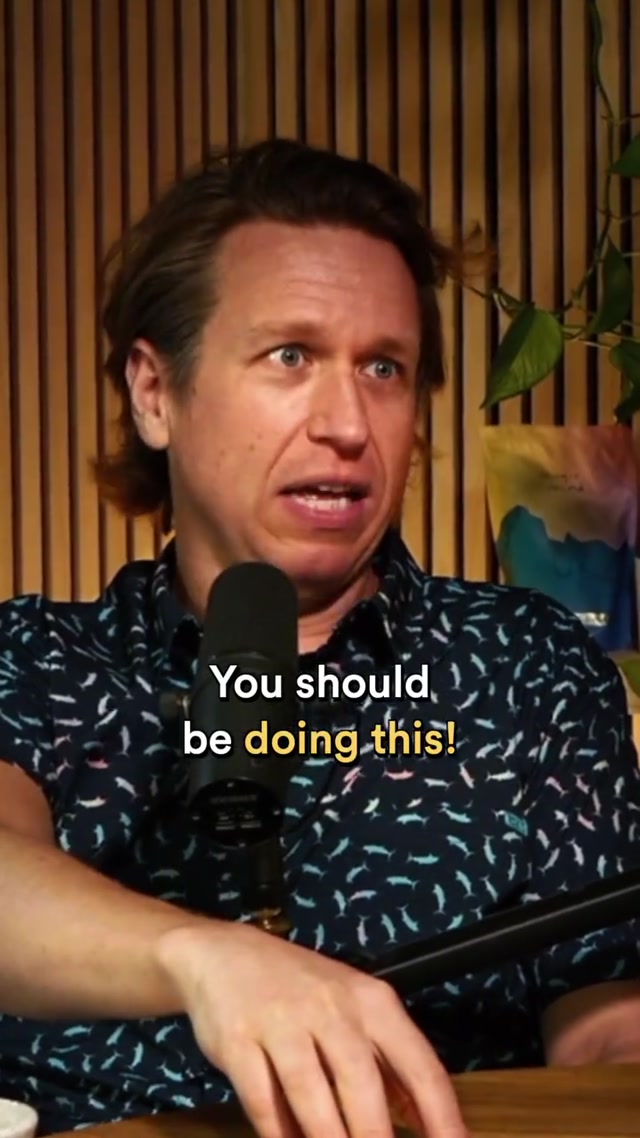
Interview Podcast
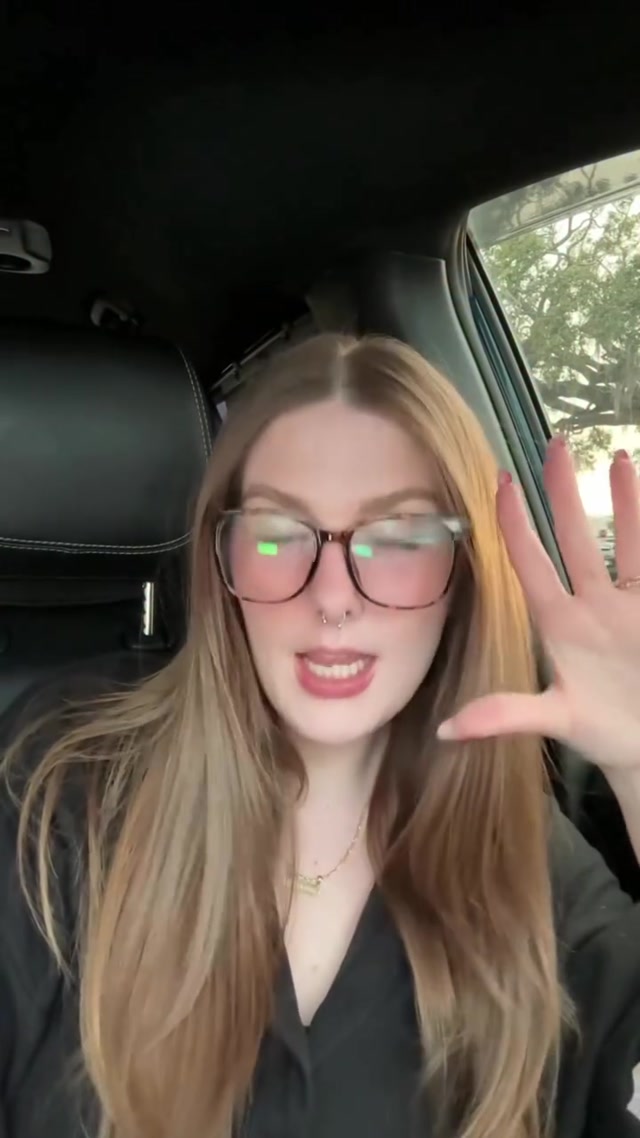
Talking Head B-Roll

Voiceover Screen

Slideshow Statics

Product Demo

Slideshow Statics
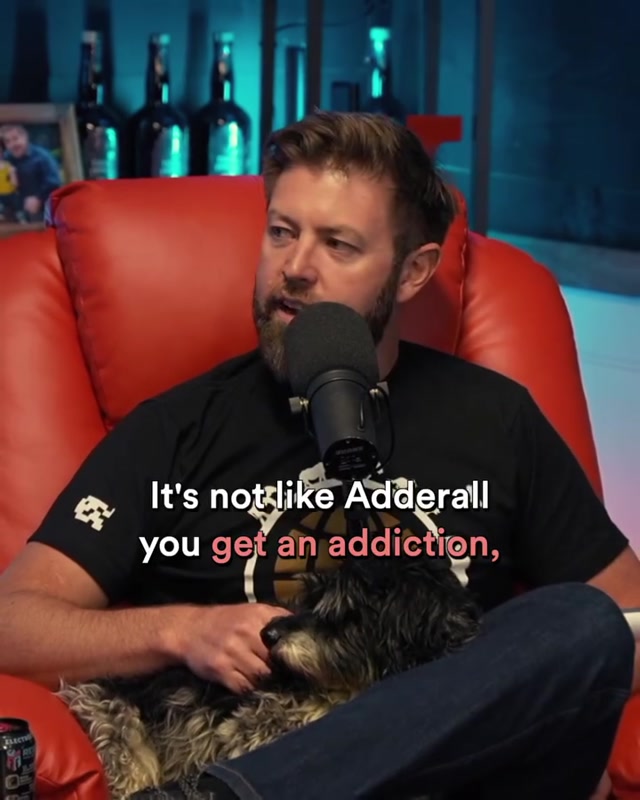
Product Demo
Talking Head B-Roll
Product Hero
Talking Head B-Roll
Product Hero
Interview Podcast
Slideshow Statics
Talking Head Solo
Voiceover B-Roll
Product Hero
Talking Head Product
Talking Head B-Roll
Founder To Camera
Voiceover B-Roll
Talking Head B-Roll
Founder To Camera
Talking Head B-Roll
Interview Podcast
Talking Head B-Roll
Voiceover Screen
Slideshow Statics
Product Demo
Slideshow Statics
Product Demo
Talking Head B-Roll
Product Hero
Talking Head B-Roll
Product Hero
Interview Podcast
Slideshow Statics
Talking Head Solo
Voiceover B-Roll
Product Hero
Talking Head Product
Talking Head B-Roll
Founder To Camera
Voiceover B-Roll
Talking Head B-Roll
Founder To Camera
Talking Head B-Roll
Interview Podcast
Talking Head B-Roll
Voiceover Screen
Slideshow Statics
Product Demo
Slideshow Statics
Product Demo
Frequently Asked Questions
How does Magic Mind structure their video ads?
Magic Mind runs 23 live video ads built on a repeatable structural formula. Their ads typically open with Open Loop Statement, run for around 13 seconds, and follow a 4.3-beat structural rhythm. Every ad in this report has been decoded into its hook type, psychological mechanism, beat architecture, and visual DNA so the underlying formula is fully visible.
What hooks does Magic Mind use in their ads?
Magic Mind's most-used hook types are Open Loop Statement, Curiosity Spike, Contradiction Hook. These are the openers that consistently appear across their highest-performing creative. The full breakdown shows which hooks scale longest and which burn out fastest, ranked by ad lifespan inside the decoded sample.
What ad formats does Magic Mind favor?
Magic Mind produces most of their creative in Talking Head Broll, with Product Hero and Slideshow Statics as secondary formats. The format distribution reveals which production styles they prioritize and which formats they avoid — useful for benchmarking your own creative mix against a brand operating in health & supplements.
What psychological triggers does Magic Mind use?
Magic Mind's ads most consistently activate Loss Aversion, Closure Delivery, Threat Reduction. These are the core mechanisms their creative relies on to convert viewers. Each psychological mission corresponds to a specific viewer state shift — and the data shows which ones pair with which hook types in their winning ads.
How long do Magic Mind's ads typically run?
Magic Mind's ads run for an average of 8 days in market based on the decoded sample. Long-running ads are a strong signal of structural quality — the creative formula is durable enough to survive Meta's ranking algorithm past the typical thirty-day cutoff where most ads die.
Can I use Magic Mind's ad formulas for my own brand?
Yes. Every decoded ad in this report produces a reusable structural formula — the beat sequence, the psychological mechanism, the hook pattern. You can take any of Magic Mind's winning structures, load your own brand into Heista, and generate ready-to-shoot scripts and visual briefs built on the same architecture but with your product, voice, and offer.
How is this different from an ad spy tool?
Ad spy tools show you screenshots of which ads Magic Mind is running. This report shows you the formula behind those ads — the beat-by-beat structural blueprint that made each one work. Hook type, psychological mechanism, scaling curve, visual DNA. You can't paste a screenshot into a creative brief. You can paste a formula.
Where does Heista source Magic Mind's ads from?
Heista sources live-running video ads from Meta Ad Library and TikTok Creative Center — the same public ad libraries that competitive teams monitor. Each ad is then reverse-engineered into its structural formula. No scraping, no private data. The "Last updated" date on this page reflects the most recent refresh of the structural intelligence.
Explore More
Decode your own brand the same way.
Paste any brand URL or ad library link. Heista decodes the structural formula behind every winning ad and rebuilds it for your brand in minutes.
Decode any brand freeWant the interactive view of this report? Open the full Magic Mind report →