Magic Mind's interview podcast ad is a 60-second health & supplements video creative decoded by Heista into 6 structural beats with 20 total cuts. Magic Mind's full brand intelligence
PATTERNMAP™
Loading PatternMap...
Ad Blueprint
Interview Podcast
CategoryHealth Supplements
AngleOffer Urgency
NarrativePain To Relief
IntentCTA Optimized Conversion
Hook Type
Parallel List Open
10.5sDuration
7Shots
1.7sAvg Shot
Energy
Cut Points
1.3s2.1s3.5s4.1s5.0s9.9s
Psychology
Loss Aversion
Behavioral ApproachSell Product Direct
Negative Future Projection
Risk Priming
Avoidance Trigger
Fear Of Loss
Every winning ad has a formula. Heista decodes it in seconds.
Magic Mind Ad Decoded — Parallel List Open Hook Analysis (60s)
Magic Mind's interview podcast ad is a 60-second health & supplements creative decoded by Heista into 6 structural beats. It opens with a Parallel List Open hook — This leverages Completion Bias and Escalation of Commitment: once the viewer hears the first directive (“You should be doing it”) and the second reinforcement (“When I need it, I need it”), the brain expects the next step in the same pattern—then the superlatives (“greatest discovery,” “greatest…in the past 10 years”) lock them into waiting for the full magnitude to land. It also uses Specificity Bias: “past 10 years” makes the claim feel measurable, increasing perceived credibility and reducing the urge to dismiss it. The psychological mission is Loss Aversion: The viewer feels urgency to switch because the alternative is framed as avoiding anxiety, side effects, and future regret while gaining safer focus. The ad has 20 cuts at an average of 3.6s per cut, with an average beat duration of 9.9s.
Key Takeaways
- Opens with a Parallel List Open hook
- Activates Loss Aversion psychology
- Part of Magic Mind's full ad strategy
- 20 cuts, averaging 3.6s per cut
Overview
Parallel List Open Hook
This leverages Completion Bias and Escalation of Commitment: once the viewer hears the first directive (“You should be doing it”) and the second reinforcement (“When I need it, I need it”), the brain expects the next step in the same pattern—then the superlatives (“greatest discovery,” “greatest…in the past 10 years”) lock them into waiting for the full magnitude to land. It also uses Specificity Bias: “past 10 years” makes the claim feel measurable, increasing perceived credibility and reducing the urge to dismiss it. Parallel List Open hook deep-dive
Beat-by-Beat Breakdown
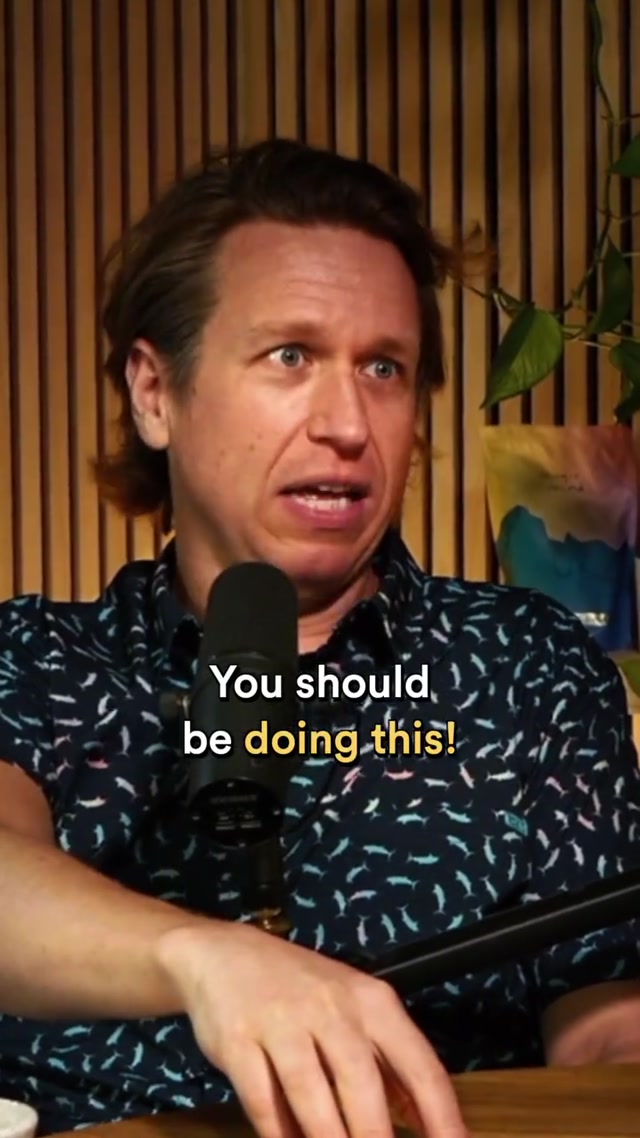
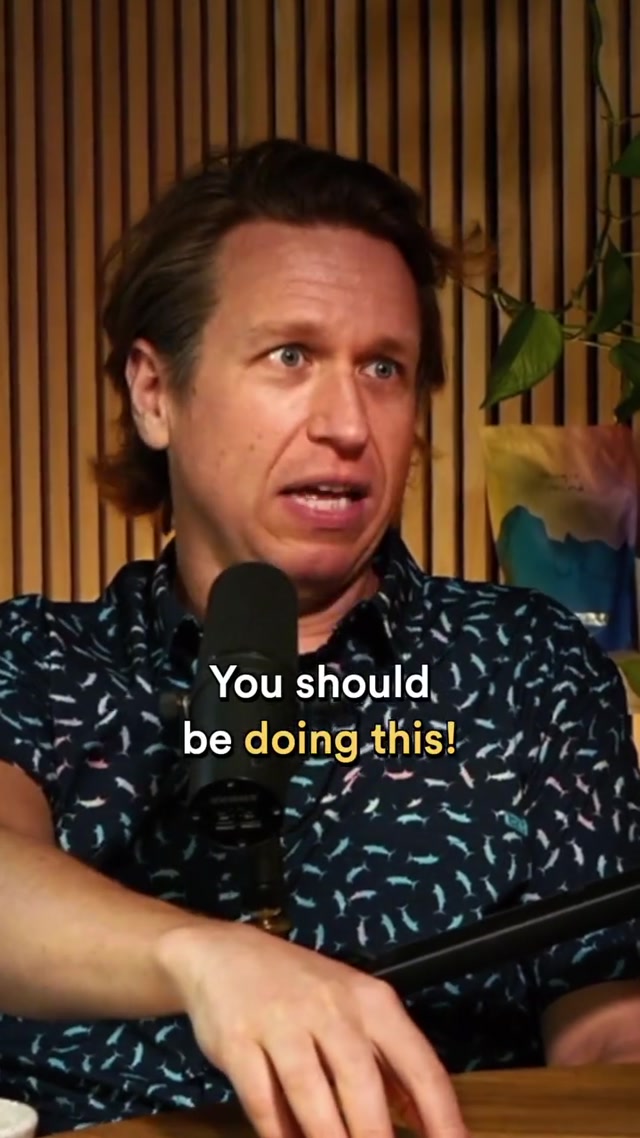
Beat 2 (0:00-0:10) — Parallel List Open: It uses a parallel, escalating claim sequence: “You should be doing it. When I need it, I need it. It's the greatest discovery by far. The greatest product discovery in the past 10 years.” The repeated “greatest” framing and the stacked superlatives create a sense that the video is about to deliver something uniquely valuable, not just another tip.
Beat 3 (0:10-0:20) — Identity Pain: It reframes the need for “number two” as a moral/identity requirement: “It’s just like, I need this because I’m a better person.” It also reduces fear of dependency by contrasting it with Adderall: “It’s not like Adderall where you get an addiction.” In this moment, the viewer’s tension shifts from “Will this harm me?” to “This is what a better version of me does,” making the choice feel personally necessary.
Beat 4 (0:20-0:33) — Alternative Suggestion: It contrasts Adderall with a “healthy alternative” and positions Magic Mind as the replacement: “Release all the anxiety and then focus… It’s a healthy alternative where Adderall is going to have a shelf life and you’re going to have crazy side effects… Magic mind’s more of a focus, healthier way of doing it.” This steers the viewer away from the default option (Adderall) and toward the substitute (Magic Mind) by pairing the alternative with a clear functional promise (“focus”) and a risk warning about the old choice (“crazy side effects”).
Beat 5 (0:33-0:44) — Expertise Claim: The speaker asserts personal experiential authority to validate the product’s effect: “It’s not just energy… it’s like this sort of mood elevating, brain nourishing zone drink” and then grounds it in their own state and timing: “If I have a magic mind, I’m kind of like more zenned out… I can see when it kicks in.”
Beat 6 (0:44-0:52) — You're Not Failing: The speaker reframes the viewer’s expectation of “crazy energy” by saying, “I don't have crazy energy… It's not like I'm not tired,” but then corrects the interpretation: “at least I can focus and be present.” This shifts the mental story from “I’m not doing it right” to “I’m still functioning in the way that matters,” right in the moment they feel drained.
Beat 7 (0:52-0:59) — Redirect: It issues a direct purchase/visit redirect: “Go to Beadaholique.com for all of your beading supply needs!” The preceding “Just drink it. Shut up and drink it.” functions as a forceful urgency/permissioning setup so the viewer immediately follows the website instruction.
Behavioral Psychology
This ad activates Loss Aversion as its primary behavioral mission. The viewer feels urgency to switch because the alternative is framed as avoiding anxiety, side effects, and future regret while gaining safer focus. Loss Aversion behavioral mission
Structural Fingerprint
Duration: 60 seconds. Beat count: 6. Total cuts: 20. Average beat duration: 9.9s. Average cut duration: 3.6s. Average visual energy: 4.7/10.
Frequently Asked Questions
Why does this Magic Mind ad work? This Magic Mind interview podcast ad opens with a Parallel List Open hook that captures attention in the first 3 seconds. The psychological architecture activates Loss Aversion across 6 structural beats, each contributing a specific persuasion mechanism.
What hook does Magic Mind use in this ad? Magic Mind opens with a Parallel List Open hook. This leverages Completion Bias and Escalation of Commitment: once the viewer hears the first directive (“You should be doing it”) and the second reinforcement (“When I need it, I need it”), the brain expects the next step in the same pattern—then the superlatives (“greatest discovery,” “greatest…in the past 10 years”) lock them into waiting for the full magnitude to land. It also uses Specificity Bias: “past 10 years” makes the claim feel measurable, increasing perceived credibility and reducing the urge to dismiss it.
What psychology does this Magic Mind ad activate? This ad activates Loss Aversion as its primary behavioral mission. The viewer feels urgency to switch because the alternative is framed as avoiding anxiety, side effects, and future regret while gaining safer focus.
How long is this Magic Mind ad and what's the structure? This ad runs 60 seconds with 6 structural beats and 20 cuts. Average cut duration is 3.6s. The pattern flow follows a full format structure common in interview podcast ads.
What platform is this Magic Mind ad running on? This interview podcast ad is running on facebook. The health & supplements vertical typically sees strong performance on this platform for interview podcast creative structures.
What makes this different from other health & supplements ads? Most health & supplements ads lean on generic format templates. Magic Mind's version uses a distinct Parallel List Open hook structure paired with Loss Aversion — a combination that over-indexes in high-performing health & supplements creative.