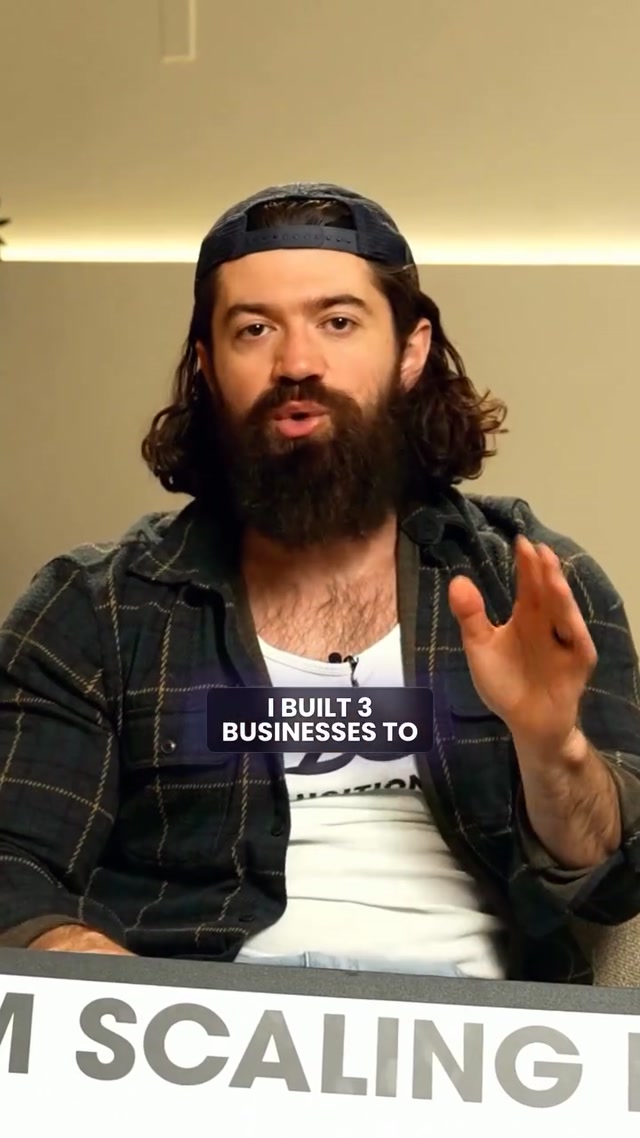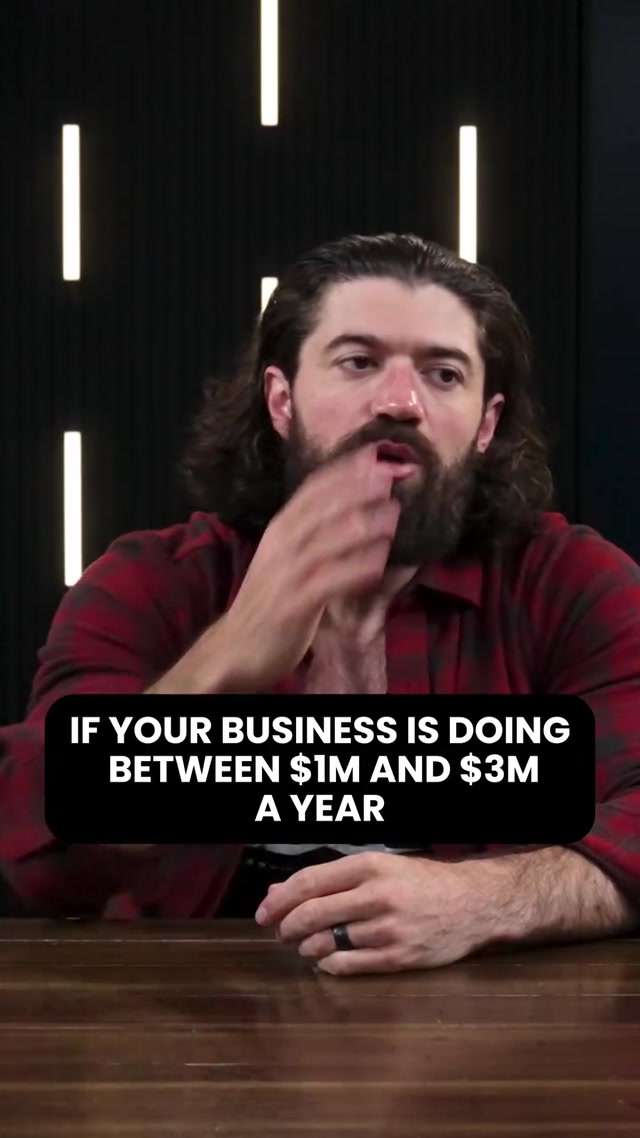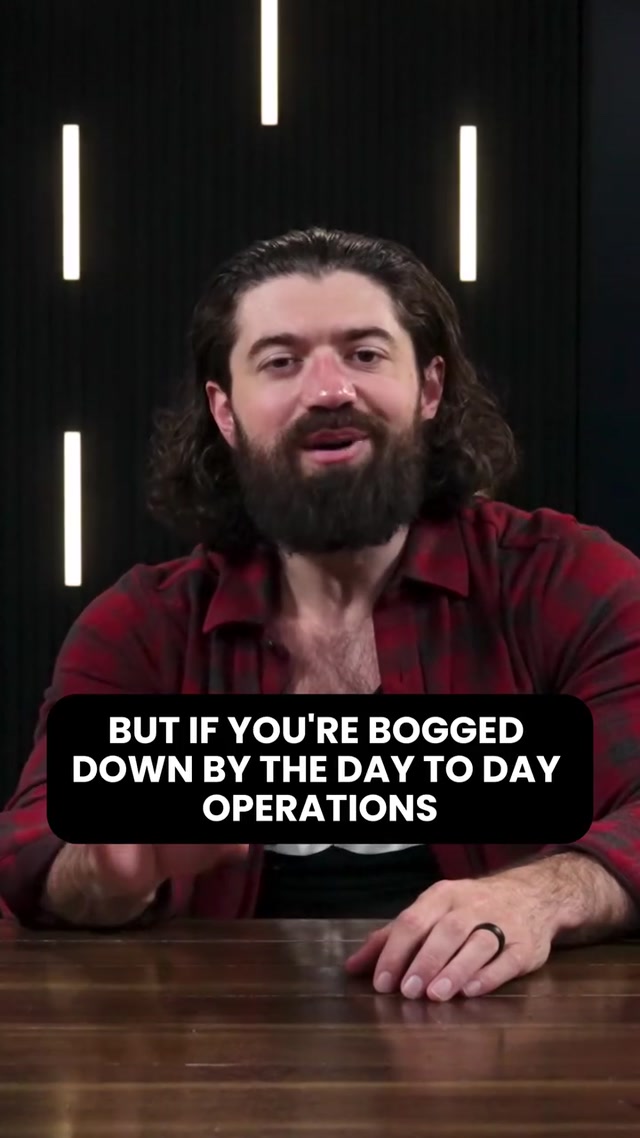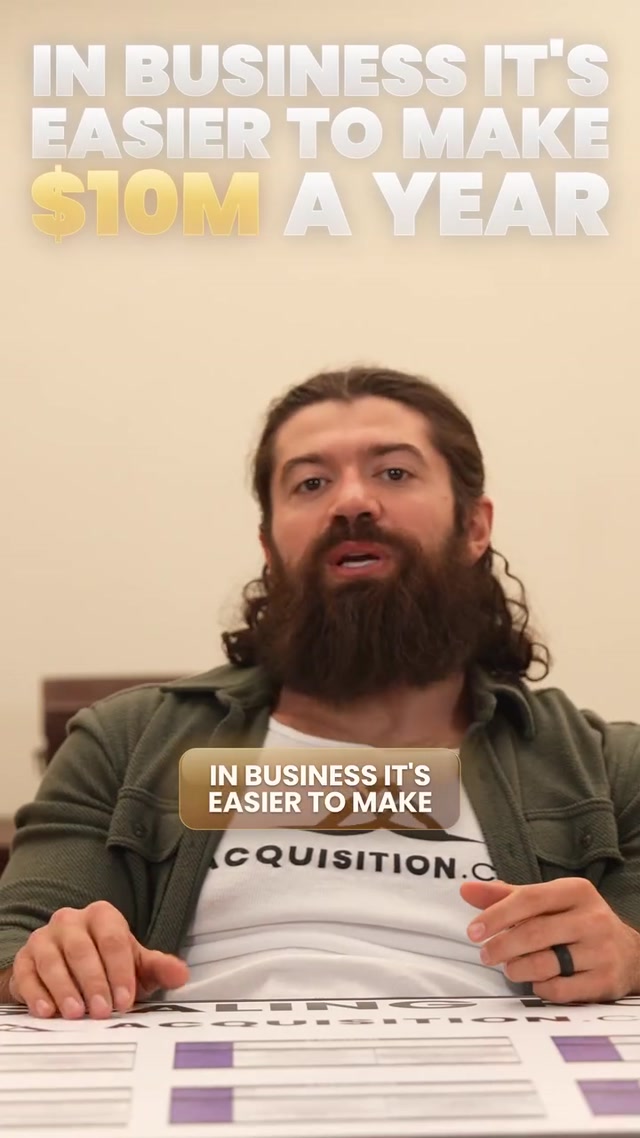
Alex Hormozi's talking head solo ad is a 56-second info products video creative decoded by Heista into 8 structural beats with 11 total cuts. Alex Hormozi's full brand intelligence · Info Products ad hooks
Facebook Ad
0:56
Alex Hormozi
Heisted: Jul 7, 2026
PATTERNMAP™
Loading PatternMap...
Ad Blueprint
Talking Head Solo
CategoryInfo Products
AngleProblem Solution
NarrativeMechanism Explainer
IntentDiscovery Education Driver
Hook Type
Unexpected Fact Start
10.5sDuration
4Shots
3.2sAvg Shot
Energy
Cut Points
0.8s2.1s5.0s
Psychology
Behavioural Disruption
Behavioral ApproachTeach Explain
Reframing Shock
Pattern Break Disruption
Counterpoint
Every winning ad has a formula. Heista decodes it in seconds.
Alex Hormozi Ad Decoded — Unexpected Fact Start Hook Analysis (56s)
Alex Hormozi's talking head solo ad is a 56-second info products creative decoded by Heista into 8 structural beats. It opens with a Unexpected Fact Start hook — This leverages UNEXPECTED_FACT_START by violating the viewer’s default belief that bigger numbers are harder—so “That sounds insane” creates cognitive dissonance they’ll want resolved. The “slow down, here’s why” explicitly sets up the causal explanation, which engages the viewer via expectation of resolution and Conflict/Discrepancy repair (fixing the mismatch between what they think and what was asserted). The psychological mission is Behavioural Disruption: The viewer’s intuition is challenged by reframing effort as choosing the wrong “vehicle,” which interrupts autopilot thinking and makes the scaling roadmap feel like the clearer fix. The ad has 11 cuts at an average of 5.4s per cut, with an average beat duration of 7.1s.
Key Takeaways
Overview
Unexpected Fact Start Hook
This leverages UNEXPECTED_FACT_START by violating the viewer’s default belief that bigger numbers are harder—so “That sounds insane” creates cognitive dissonance they’ll want resolved. The “slow down, here’s why” explicitly sets up the causal explanation, which engages the viewer via expectation of resolution and Conflict/Discrepancy repair (fixing the mismatch between what they think and what was asserted). Unexpected Fact Start hook deep-dive
Beat-by-Beat Breakdown
Beat 2 (0:00-0:10) — Unexpected Fact Start: It starts with a counterintuitive data-style comparison: “easier to make 10 million a year than 100 grand.” Then it adds a brake plus promise of explanation: “That sounds insane, slow down, here’s why.”
Beat 3 (0:10-0:26) — Reasoning Chain: It runs a simple step-by-step comparison chain: “So if you walk for 12 minutes, you would cover half a mile. If you bike… you would cover three miles. If you drive, you cover 12.” Then it pressure-tests the logic with the implied conclusion: “It’s the same exact time period… but you’re in a different vehicle, right?”
Beat 4 (0:26-0:33) — Inefficiency Pain: It claims owners are “working harder rather than fixing the model” — framing the problem as effort being misdirected. The phrase “sprinting in the wrong one” intensifies that the current process is a waste of motion, not improvement.
Beat 5 (0:33-0:41) — Mental Model Explanation: It uses an analogy to explain the “model” as a mental model for leverage: “Like you can pedal as fast as you can, you're not gonna beat a rocket… the model is what gives you leverage on the work that you do.” It then restates the takeaway as a value rule: “You get more for what you put in.”
Beat 6 (0:41-0:49) — Metric Proof: It uses a specific effort/time metric to validate the roadmap: “we spent 200 hours analyzing all the companies in our portfolio.”
Beat 7 (0:49-0:51) — Micro Walkthrough: The beat gives a micro walkthrough of the product flow: “you just answer a few questions” → it “will tell you what stage you’re at” → and “the thing that’s holding your business back today.” This compresses the whole diagnostic experience into a simple sequence the viewer can mentally simulate in seconds.
Beat 8 (0:51-0:54) — Cost/Benefit Shift: It flips the perceived cost/effort assumption by emphasizing upside: “it’s absolutely free” followed by a concrete scaling path for the right person: “if you’re a legitimate business owner looking to scale.”
Beat 9 (0:54-0:56) — Soft CTA: It uses a low-pressure branching call to action: “You can poke a call on the thank you page to see if it's a good fit. Otherwise, enjoy the roadmap.”
Behavioral Psychology
This ad activates Behavioural Disruption as its primary behavioral mission. The viewer’s intuition is challenged by reframing effort as choosing the wrong “vehicle,” which interrupts autopilot thinking and makes the scaling roadmap feel like the clearer fix. Behavioural Disruption behavioral mission
Structural Fingerprint
Duration: 56 seconds. Beat count: 8. Total cuts: 11. Average beat duration: 7.1s. Average cut duration: 5.4s. Average visual energy: 2.9/10. Info Products ad formula reference
Frequently Asked Questions
Why does this Alex Hormozi ad work? This Alex Hormozi talking head solo ad opens with a Unexpected Fact Start hook that captures attention in the first 3 seconds. The psychological architecture activates Behavioural Disruption across 8 structural beats, each contributing a specific persuasion mechanism.
What hook does Alex Hormozi use in this ad? Alex Hormozi opens with a Unexpected Fact Start hook. This leverages UNEXPECTED_FACT_START by violating the viewer’s default belief that bigger numbers are harder—so “That sounds insane” creates cognitive dissonance they’ll want resolved. The “slow down, here’s why” explicitly sets up the causal explanation, which engages the viewer via expectation of resolution and Conflict/Discrepancy repair (fixing the mismatch between what they think and what was asserted).
What psychology does this Alex Hormozi ad activate? This ad activates Behavioural Disruption as its primary behavioral mission. The viewer’s intuition is challenged by reframing effort as choosing the wrong “vehicle,” which interrupts autopilot thinking and makes the scaling roadmap feel like the clearer fix.
How long is this Alex Hormozi ad and what's the structure? This ad runs 56 seconds with 8 structural beats and 11 cuts. Average cut duration is 5.4s. The pattern flow follows a full format structure common in talking head solo ads.
What platform is this Alex Hormozi ad running on? This talking head solo ad is running on facebook. The info products vertical typically sees strong performance on this platform for talking head solo creative structures.
What makes this different from other info products ads? Most info products ads lean on generic format templates. Alex Hormozi's version uses a distinct Unexpected Fact Start hook structure paired with Behavioural Disruption — a combination that over-indexes in high-performing info products creative.