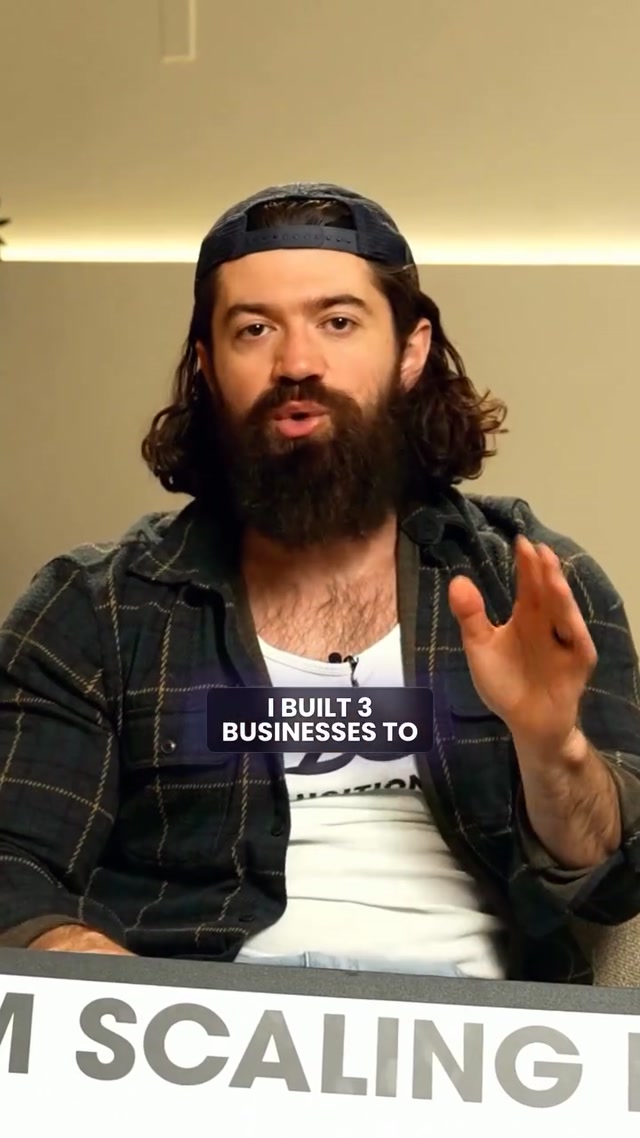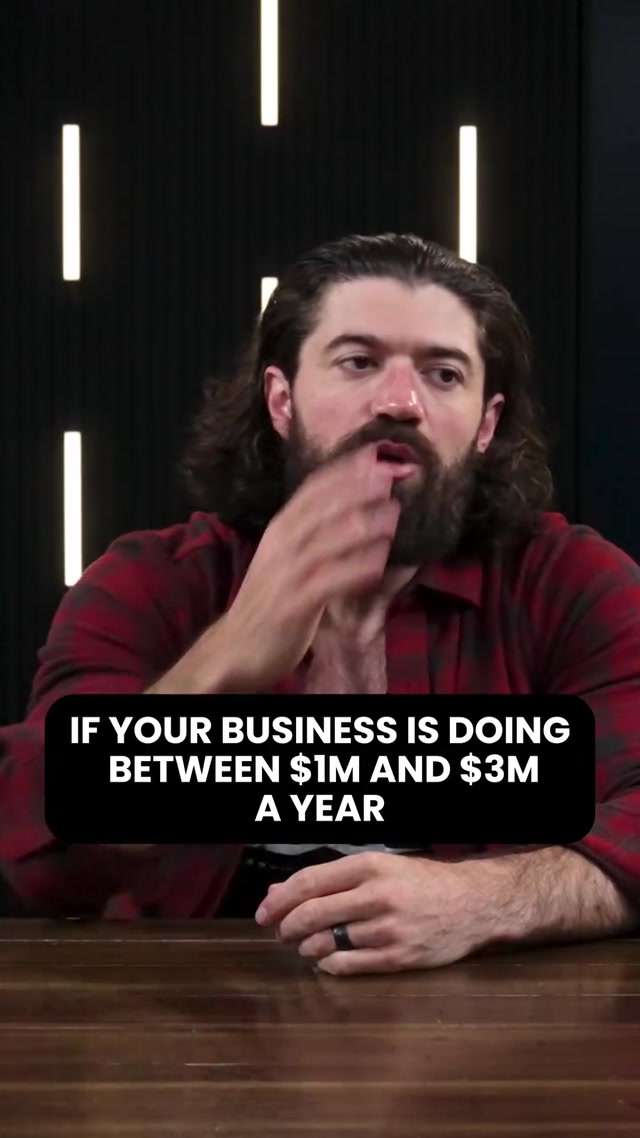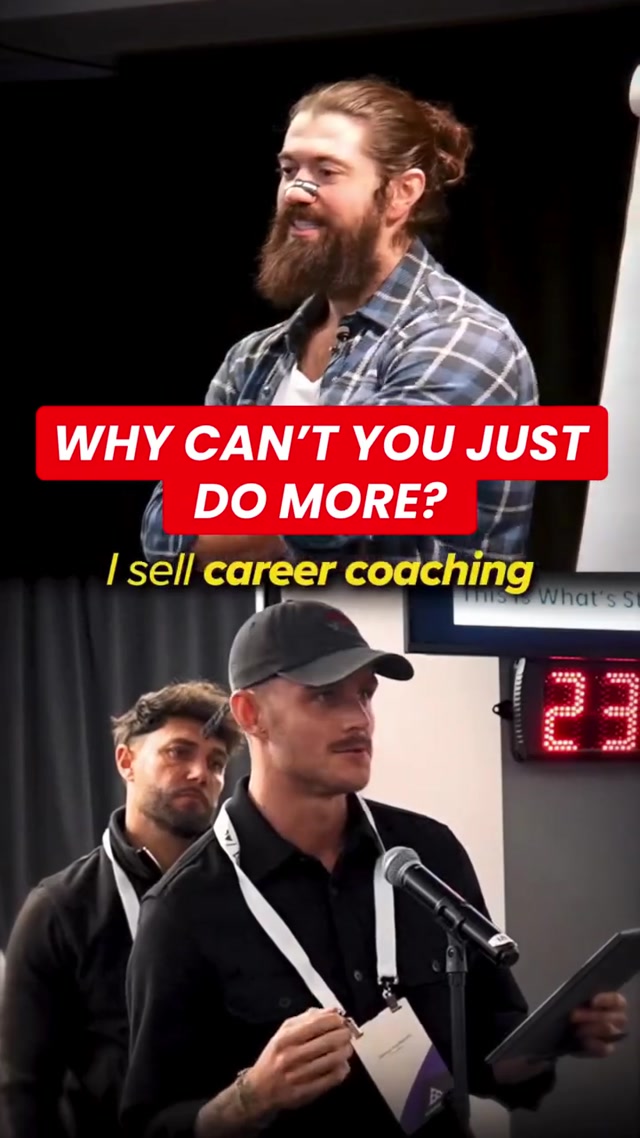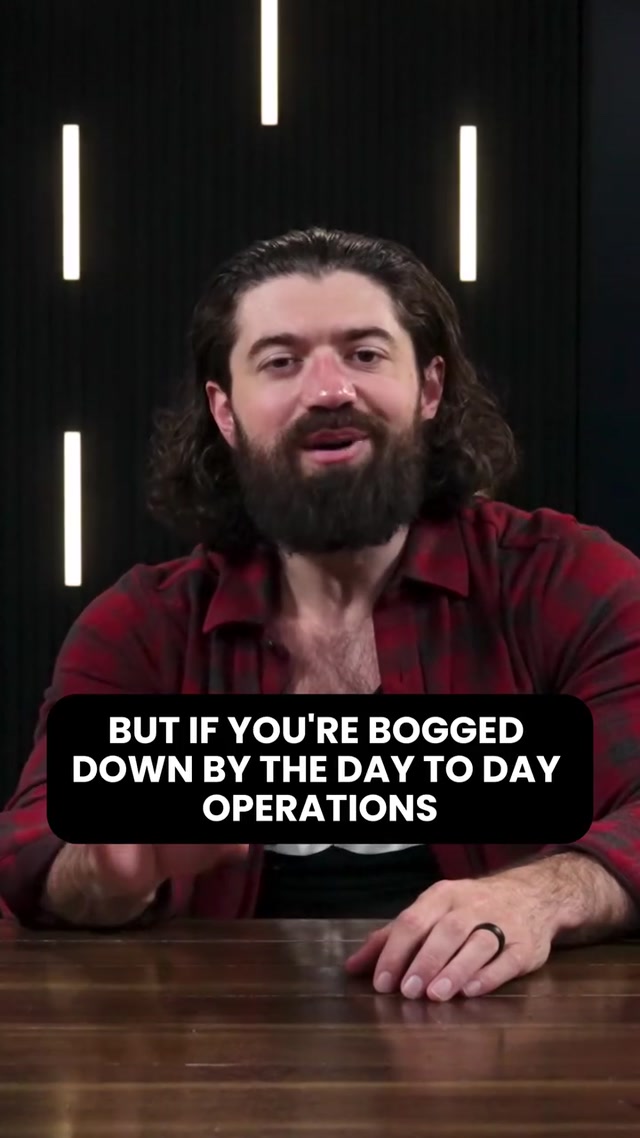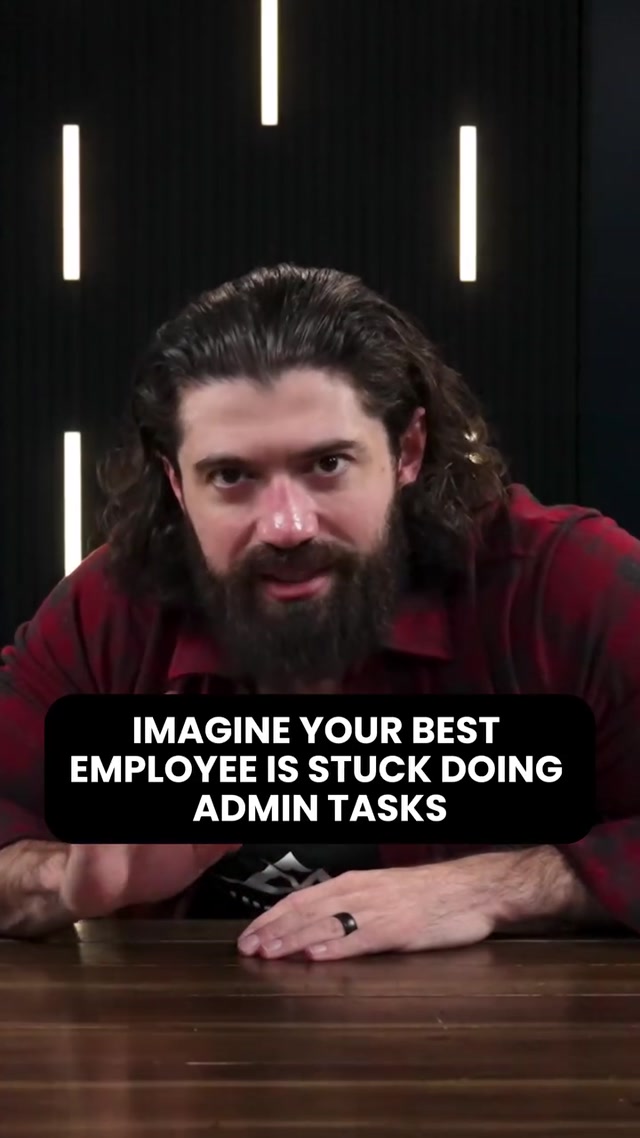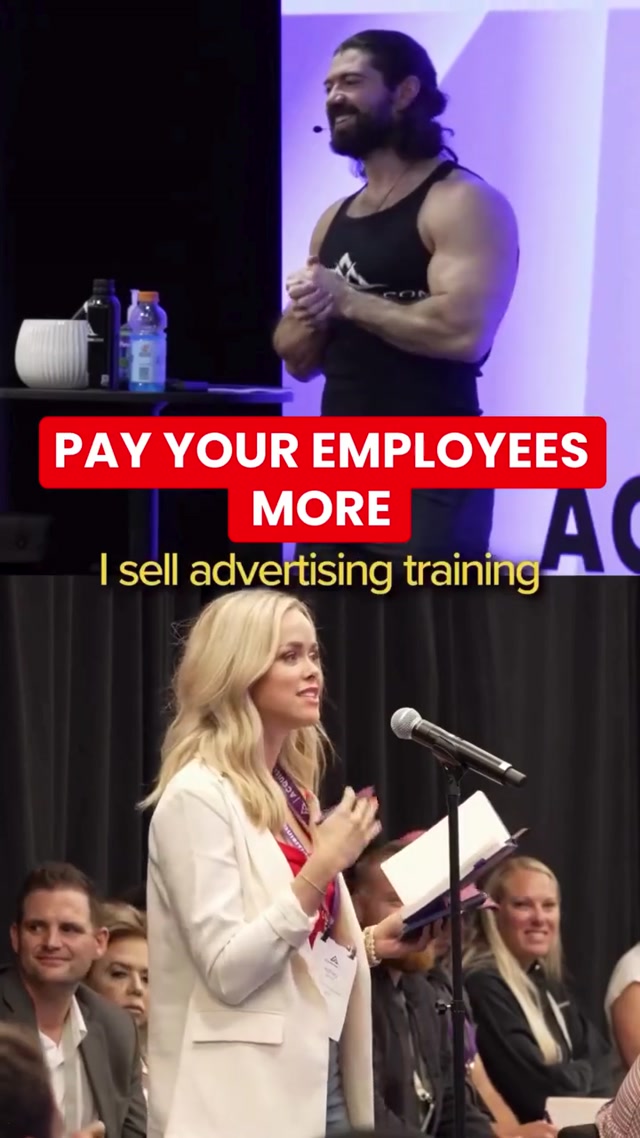
Alex Hormozi's interview podcast ad is a 40-second info products video creative decoded by Heista into 6 structural beats with 14 total cuts. Alex Hormozi's full brand intelligence · Info Products ad hooks
Facebook Ad
0:40
Alex Hormozi
Heisted: Jul 7, 2026
PATTERNMAP™
Loading PatternMap...
Ad Blueprint
Interview Podcast
CategoryInfo Products
AngleHow To Tutorial
NarrativePain To Relief
IntentDiscovery Education Driver
Hook Type
Role-specific Opening
6.8sDuration
4Shots
1.8sAvg Shot
Energy
Cut Points
0.2s1.9s3.7s
Psychology
Loss Aversion
Behavioral ApproachMindset Reframe
Negative Future Projection
Risk Priming
Avoidance Trigger
Fear Of Loss
Every winning ad has a formula. Heista decodes it in seconds.
Alex Hormozi Ad Decoded — Role-Specific Opening Hook Analysis (40s)
Alex Hormozi's interview podcast ad is a 40-second info products creative decoded by Heista into 6 structural beats. It opens with a Role-Specific Opening hook — This leverages Role-Specific Expectation and Authority Transfer: the phrase “I sell advertising training” tells your brain exactly what domain the speaker operates in, which increases perceived expertise and makes the next details feel more relevant. It also uses Relevance Matching—once the role is named, viewers who care about advertising training self-identify internally and keep watching to see results from that specific expertise. The psychological mission is Loss Aversion: The viewer feels urgency as they realize the “save money” approach is quietly costing them more, pushing them to reconsider higher pay as a safer choice. The ad has 14 cuts at an average of 3.1s per cut, with an average beat duration of 6.7s.
Key Takeaways
Overview
Role-Specific Opening Hook
This leverages Role-Specific Expectation and Authority Transfer: the phrase “I sell advertising training” tells your brain exactly what domain the speaker operates in, which increases perceived expertise and makes the next details feel more relevant. It also uses Relevance Matching—once the role is named, viewers who care about advertising training self-identify internally and keep watching to see results from that specific expertise. Role-Specific Opening hook deep-dive
Beat-by-Beat Breakdown
Beat 2 (0:00-0:06) — Role-Specific Opening: The speaker immediately frames the entire video through a role credential: “I sell advertising training.” This primes the viewer to interpret everything that follows as niche expertise from someone who performs that role, not as general commentary.
Beat 3 (0:06-0:14) — Authority Setup: The speaker establishes credibility by referencing their own constraints and decision-making: “I’m optimistic” and “I don’t have anybody that I pay more than 100,000.” They’re signaling that their projection (“five or six million”) comes from experience operating within a defined budget, not guesswork. In this moment, that positions them as someone who has managed performance under real limits, reducing skepticism.
Beat 4 (0:14-0:25) — Reasoning Chain: It lays out a step-by-step logic chain connecting “choosing to make more money” to “increasing your debt,” then generalizes it: “Basically, you're choosing to make more money. By making more money, you're increasing your debt for humans… Businesses can incur lots of different types of debt… and whenever you start a business, you always incur debt.”
Beat 5 (0:25-0:32) — Cost/Benefit Reframe: It reframes the cost of financial debt into an investment tradeoff: “You can incur financial debt... But maybe if you borrow money, you can hire people...” then it pivots to the decision framing: “The question is which type of debt you wanna incur.”
Beat 6 (0:32-0:36) — Loss Aversion Cue: It calls out a belief (“I’m saving money by paying less”) and reframes it as an actual loss (“It’s costing so much more”). In this mid/late moment, the speaker creates tension by yanking the viewer’s mental math out from under them—paying less feels like a win, but the cost is reframed as hidden spending.
Beat 7 (0:36-0:39) — The Easy Way: It reframes the path to a high income by offering an “easy” shortcut: “You might wanna just jump to 250,000 a year…”. Then it adds a reaction cue—“you’ll be like, holy, I didn’t know they made people like this”—to imply the viewer’s current beliefs about what’s possible are missing context.
Behavioral Psychology
This ad activates Loss Aversion as its primary behavioral mission. The viewer feels urgency as they realize the “save money” approach is quietly costing them more, pushing them to reconsider higher pay as a safer choice. Loss Aversion behavioral mission
Structural Fingerprint
Duration: 40 seconds. Beat count: 6. Total cuts: 14. Average beat duration: 6.7s. Average cut duration: 3.1s. Average visual energy: 5.3/10. Info Products ad formula reference
Frequently Asked Questions
Why does this Alex Hormozi ad work? This Alex Hormozi interview podcast ad opens with a Role-Specific Opening hook that captures attention in the first 3 seconds. The psychological architecture activates Loss Aversion across 6 structural beats, each contributing a specific persuasion mechanism.
What hook does Alex Hormozi use in this ad? Alex Hormozi opens with a Role-Specific Opening hook. This leverages Role-Specific Expectation and Authority Transfer: the phrase “I sell advertising training” tells your brain exactly what domain the speaker operates in, which increases perceived expertise and makes the next details feel more relevant. It also uses Relevance Matching—once the role is named, viewers who care about advertising training self-identify internally and keep watching to see results from that specific expertise.
What psychology does this Alex Hormozi ad activate? This ad activates Loss Aversion as its primary behavioral mission. The viewer feels urgency as they realize the “save money” approach is quietly costing them more, pushing them to reconsider higher pay as a safer choice.
How long is this Alex Hormozi ad and what's the structure? This ad runs 40 seconds with 6 structural beats and 14 cuts. Average cut duration is 3.1s. The pattern flow follows a full format structure common in interview podcast ads.
What platform is this Alex Hormozi ad running on? This interview podcast ad is running on facebook. The info products vertical typically sees strong performance on this platform for interview podcast creative structures.
What makes this different from other info products ads? Most info products ads lean on generic format templates. Alex Hormozi's version uses a distinct Role-Specific Opening hook structure paired with Loss Aversion — a combination that over-indexes in high-performing info products creative.