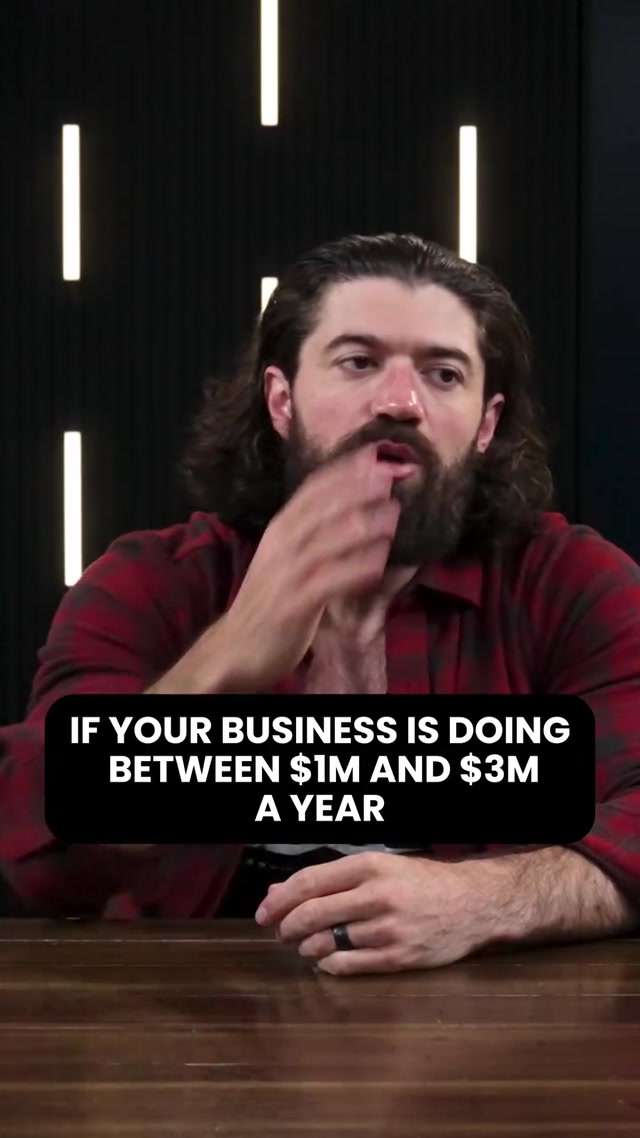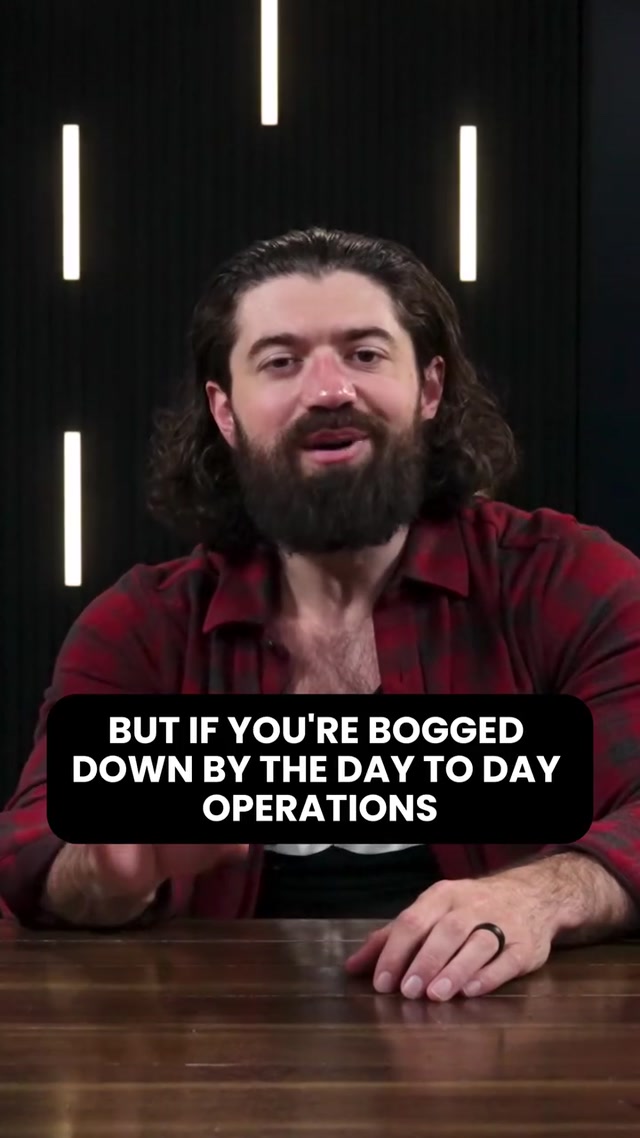
Alex Hormozi's interview podcast ad is a 68-second info products video creative decoded by Heista into 6 structural beats with 23 total cuts. Alex Hormozi's full brand intelligence · Info Products ad hooks
Facebook Ad
1:08
Alex Hormozi
Heisted: Jul 7, 2026
PATTERNMAP™
Loading PatternMap...
Ad Blueprint
Interview Podcast
CategoryInfo Products
AngleHow To Tutorial
NarrativeObjection Handler
IntentMechanism Reveal
Hook Type
Data Point Start
11.5sDuration
7Shots
2.1sAvg Shot
Energy
Cut Points
2.5s3.4s5.4s7.0s9.0s10.1s
Psychology
Threat Reduction
Behavioral ApproachBuild Authority
Uncertainty Resolution
Reassurance Statement
Fear Cancellation
Soothing Tone
Every winning ad has a formula. Heista decodes it in seconds.
Alex Hormozi Ad Decoded — Data Point Start Hook Analysis (68s)
Alex Hormozi's interview podcast ad is a 68-second info products creative decoded by Heista into 6 structural beats. It opens with a Data Point Start hook — This leverages Data Point Start—“7.2 million” grounds the pitch in a concrete, measurable outcome, which reduces skepticism right away. It also triggers Authority Transfer: the number functions like third-party credibility even though it’s coming from the speaker, so viewers treat the next details as more trustworthy. The specificity of the metric amplifies Specificity Bias in the viewer’s mind—vague promises get replaced by a falsifiable-like reference point, making it harder to mentally dismiss. The psychological mission is Threat Reduction: The viewer feels their hesitation is justified but no longer blocking, because the path to bigger revenue is framed as a solvable constraint rather than a risky leap into the unknown. The ad has 23 cuts at an average of 3.5s per cut, with an average beat duration of 11.4s.
Key Takeaways
Overview
Data Point Start Hook
This leverages Data Point Start—“7.2 million” grounds the pitch in a concrete, measurable outcome, which reduces skepticism right away. It also triggers Authority Transfer: the number functions like third-party credibility even though it’s coming from the speaker, so viewers treat the next details as more trustworthy. The specificity of the metric amplifies Specificity Bias in the viewer’s mind—vague promises get replaced by a falsifiable-like reference point, making it harder to mentally dismiss. Data Point Start hook deep-dive
Beat-by-Beat Breakdown
Beat 2 (0:00-0:11) — Data Point Start: It leads with quantified proof: “We did 7.2 million in revenue last year.” That numeric metric is immediately paired with the offer framing right before it: “I sell career coaching services. We help these people find their next role.” This makes the viewer’s brain expect authority and results rather than just generic claims.
Beat 3 (0:11-0:20) — Goal Context: It frames the motivation and desired outcome for switching from B2C to B2B: “We know how to grow B2C, but we're really wanting to get B2B going.” Then it states the reason for pursuing that goal: “I just think it's more scalable. We could take it to bigger numbers.”
Beat 4 (0:20-0:28) — Inefficiency Pain: It challenges the viewer’s current approach by questioning why they can’t “just do more of what you're currently doing” and asserting “We can” because there’s “a bigger market” that allows “close some whales.” In this moment, the speaker redirects the viewer from problem-finding to action by implying their current effort is under-leveraged rather than fundamentally wrong.
Beat 5 (0:28-0:52) — Reasoning Chain: The speaker runs a step-by-step reasoning chain from current spend to a target outcome: “I will exhaust more before I look at anything new… What are you currently doing to get customers? Facebook ads. What are you spending a day? Anywhere from $3,000 to $5,000… how do we get to $100,000 a day… What stops us…? Let’s say $10,000 a day… What stops you from doing that?” This forces the viewer to mentally follow the logic from inputs (ad spend) → goal (100k/day) → bottleneck (“What stops us?”).
Beat 6 (0:52-1:01) — Metric Proof: It drops a measurable revenue benchmark: “October, right around $10,000 a day” to validate performance before mentioning a problem (“sales efficiency issues”). It also introduces ongoing execution accountability with “Okay. What stops us? My business partners over here.”
Beat 7 (1:01-1:08) — Cost/Benefit Shift: It reframes the “sales efficiency issue” as the real lever blocking massive growth—then quantifies the cost/benefit to justify acting now (“it's holding you back from tripling… I think you can totally spend $50,000, $100,000 a day… If I were to buy the company tomorrow, that's what I would do.”). This shifts the viewer from abstract problem-fixing to a concrete investment decision by tying the problem directly to a specific upside target (tripling).
Behavioral Psychology
This ad activates Threat Reduction as its primary behavioral mission. The viewer feels their hesitation is justified but no longer blocking, because the path to bigger revenue is framed as a solvable constraint rather than a risky leap into the unknown. Threat Reduction behavioral mission
Structural Fingerprint
Duration: 68 seconds. Beat count: 6. Total cuts: 23. Average beat duration: 11.4s. Average cut duration: 3.5s. Average visual energy: 5/10. Info Products ad formula reference
Frequently Asked Questions
Why does this Alex Hormozi ad work? This Alex Hormozi interview podcast ad opens with a Data Point Start hook that captures attention in the first 3 seconds. The psychological architecture activates Threat Reduction across 6 structural beats, each contributing a specific persuasion mechanism.
What hook does Alex Hormozi use in this ad? Alex Hormozi opens with a Data Point Start hook. This leverages Data Point Start—“7.2 million” grounds the pitch in a concrete, measurable outcome, which reduces skepticism right away. It also triggers Authority Transfer: the number functions like third-party credibility even though it’s coming from the speaker, so viewers treat the next details as more trustworthy. The specificity of the metric amplifies Specificity Bias in the viewer’s mind—vague promises get replaced by a falsifiable-like reference point, making it harder to mentally dismiss.
What psychology does this Alex Hormozi ad activate? This ad activates Threat Reduction as its primary behavioral mission. The viewer feels their hesitation is justified but no longer blocking, because the path to bigger revenue is framed as a solvable constraint rather than a risky leap into the unknown.
How long is this Alex Hormozi ad and what's the structure? This ad runs 68 seconds with 6 structural beats and 23 cuts. Average cut duration is 3.5s. The pattern flow follows a full format structure common in interview podcast ads.
What platform is this Alex Hormozi ad running on? This interview podcast ad is running on facebook. The info products vertical typically sees strong performance on this platform for interview podcast creative structures.
What makes this different from other info products ads? Most info products ads lean on generic format templates. Alex Hormozi's version uses a distinct Data Point Start hook structure paired with Threat Reduction — a combination that over-indexes in high-performing info products creative.