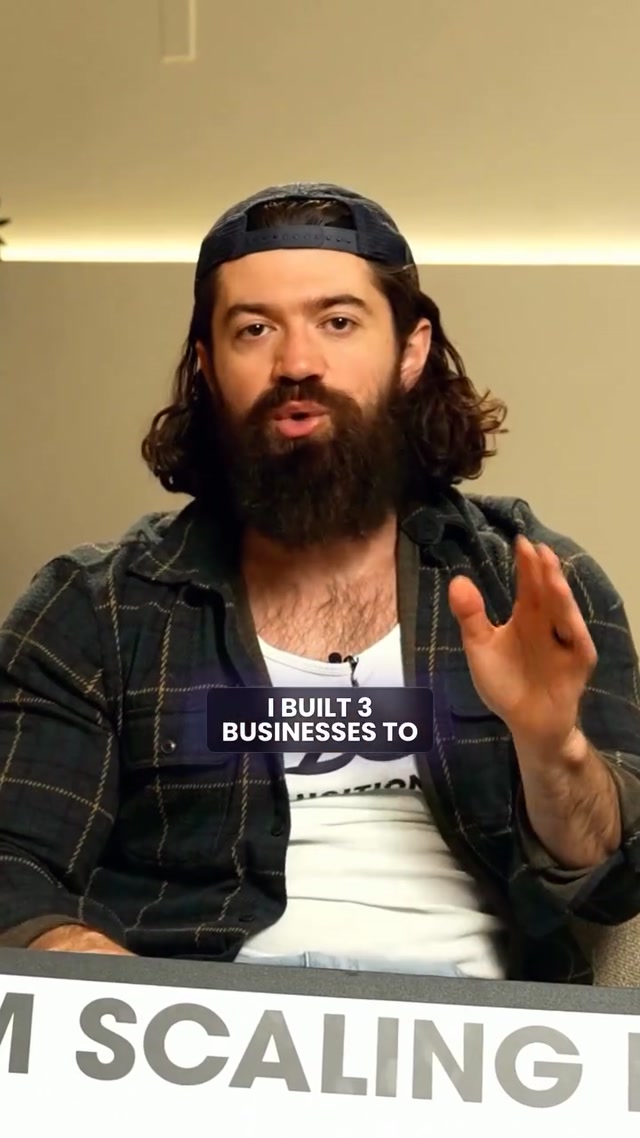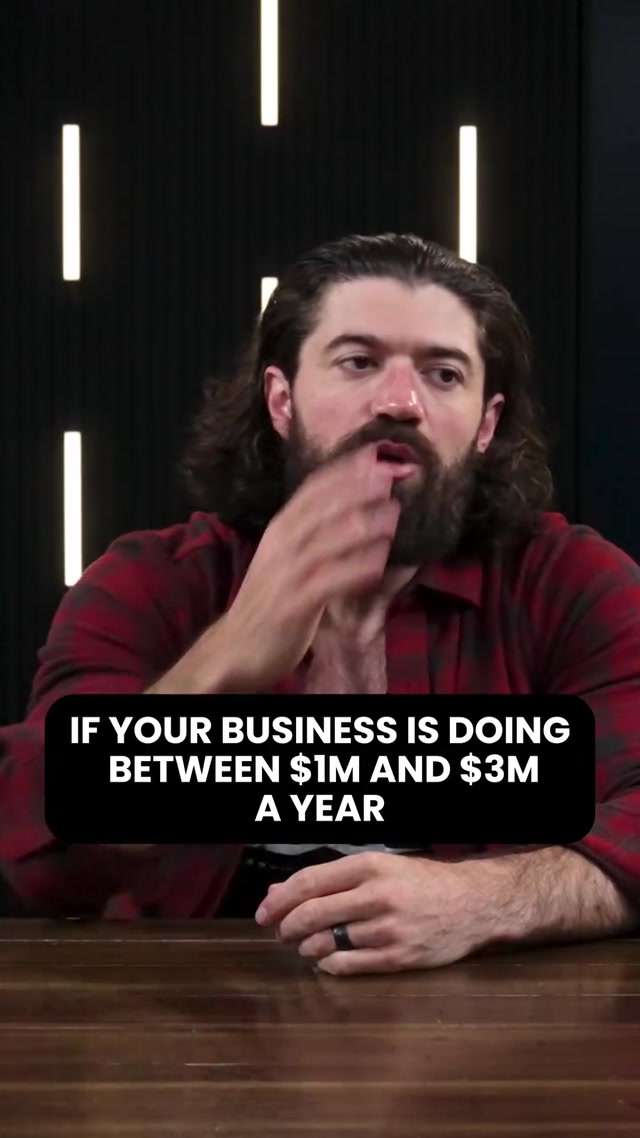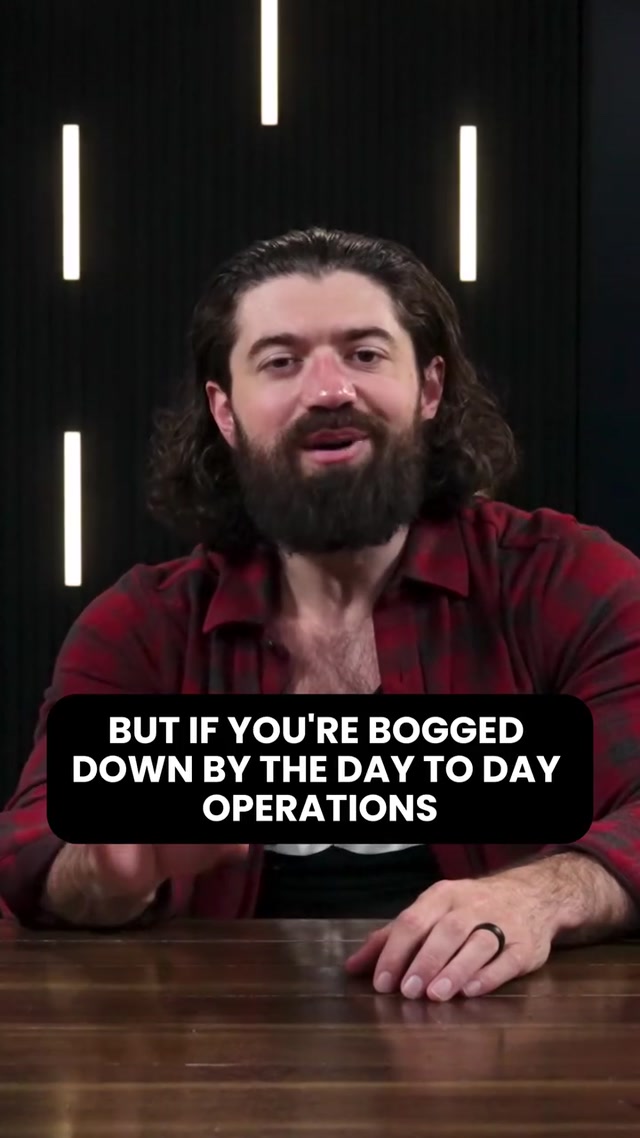
Alex Hormozi's talking head solo ad is a 142-second info products video creative decoded by Heista into 7 structural beats with 14 total cuts. Alex Hormozi's full brand intelligence · Info Products ad hooks
Facebook Ad
2:22
Alex Hormozi
Heisted: Jul 7, 2026
PATTERNMAP™
Loading PatternMap...
Ad Blueprint
Talking Head Solo
CategoryInfo Products
AngleHow To Tutorial
NarrativeExpert Frame
IntentMechanism Reveal
Hook Type
Data Point Start
8.5sDuration
3Shots
3.3sAvg Shot
Energy
Cut Points
5.9s8.1s
Psychology
Loss Aversion
Behavioral ApproachBuild Authority
Negative Future Projection
Risk Priming
Avoidance Trigger
Fear Of Loss
Every winning ad has a formula. Heista decodes it in seconds.
Alex Hormozi Ad Decoded — Data Point Start Hook Analysis (142s)
Alex Hormozi's talking head solo ad is a 142-second info products creative decoded by Heista into 7 structural beats. It opens with a Data Point Start hook — This leverages Data Point Start—“$2.2 million” is concrete measurement, which increases perceived credibility and reduces mental skepticism so viewers keep watching for the next metric or rationale. The “momentum” line acts as a second quantified outcome cue, reinforcing the viewer’s sense that there’s a measurable story unfolding. Together, it uses Specificity Bias (numbers) and Credibility Heuristic (measurable results) to keep attention anchored to tangible outcomes rather than vague claims. The psychological mission is Loss Aversion: The viewer feels urgent clarity that scaling beyond the current operating model risks compounding stress and diluting quality, making downsizing or restructuring feel like the safer next move. The ad has 14 cuts at an average of 11.5s per cut, with an average beat duration of 20.3s.
Key Takeaways
Overview
Data Point Start Hook
This leverages Data Point Start—“$2.2 million” is concrete measurement, which increases perceived credibility and reduces mental skepticism so viewers keep watching for the next metric or rationale. The “momentum” line acts as a second quantified outcome cue, reinforcing the viewer’s sense that there’s a measurable story unfolding. Together, it uses Specificity Bias (numbers) and Credibility Heuristic (measurable results) to keep attention anchored to tangible outcomes rather than vague claims. Data Point Start hook deep-dive
Beat-by-Beat Breakdown
Beat 2 (0:00-0:08) — Data Point Start: The beat starts with quantified proof: “I own four Pilates studios doing about $2.2 million combined.” It immediately adds a performance/traction datapoint with “Opening locations one and two felt like momentum.” This combination frames the rest of the video as business results that will be explained, not just opinions.
Beat 3 (0:08-0:22) — Inefficiency Pain: It reframes what the viewer thinks is “doing marketing” into an inefficiency spiral—“By location four, I realized I just multiplied my problems” and “Not running a business anymore. I'm running four separate flyers out of the same bank account.” In this moment, it makes the cost of the current approach feel concrete: more locations doesn’t mean more output, it means more management load and wasted money under one account.
Beat 4 (0:22-0:45) — Root Cause Analysis: It asks a diagnostic “why” for performance failure: “Is there a point where more locations make this easier to run? Or did I just scale the wrong thing?” This frames the problem as a cause-selection question—either scaling locations helps execution, or the scaling decision itself was wrong.
Beat 5 (0:45-1:25) — Why It Works Breakdown: The speaker gives a mechanism-level explanation for why owner-operator, service-based group training doesn’t scale, using explicit causal reasoning: “I have yet to see… succeed… And I think the reason for that is because maintaining high-quality service delivery… is where it’s difficult… Licensing works the same way… The labor… is actually the same pool of labor… You’re selling that labor.”
Beat 6 (1:25-1:50) — Reasoning Chain: It argues a cause-and-effect sequence about why scaling quality is hard: “it takes a ton of training and a ton of culture… in order to keep that bar high” → “When you start diluting it out, it’s very, very, very difficult to scale.”
Beat 7 (1:50-2:12) — System is the Problem: The speaker reframes the path to scalability as a structural model problem: “if you are able to scale the studios… it means… business acumen,” then “I would consider downsizing… better tightening the model… Otherwise, the model is not good enough.” They shift the focus from personal effort to the design of the operating/licensing system (“franchise… licensing… create… owner-operating relationships”).
Beat 8 (2:12-2:22) — Lesson: It delivers a final takeaway by asserting closure with the line “And so that's the real truth.” The wording signals the key message is now fully confirmed and no further explanation is needed.
Behavioral Psychology
This ad activates Loss Aversion as its primary behavioral mission. The viewer feels urgent clarity that scaling beyond the current operating model risks compounding stress and diluting quality, making downsizing or restructuring feel like the safer next move. Loss Aversion behavioral mission
Structural Fingerprint
Duration: 142 seconds. Beat count: 7. Total cuts: 14. Average beat duration: 20.3s. Average cut duration: 11.5s. Average visual energy: 1.7/10. Info Products ad formula reference
Frequently Asked Questions
Why does this Alex Hormozi ad work? This Alex Hormozi talking head solo ad opens with a Data Point Start hook that captures attention in the first 3 seconds. The psychological architecture activates Loss Aversion across 7 structural beats, each contributing a specific persuasion mechanism.
What hook does Alex Hormozi use in this ad? Alex Hormozi opens with a Data Point Start hook. This leverages Data Point Start—“$2.2 million” is concrete measurement, which increases perceived credibility and reduces mental skepticism so viewers keep watching for the next metric or rationale. The “momentum” line acts as a second quantified outcome cue, reinforcing the viewer’s sense that there’s a measurable story unfolding. Together, it uses Specificity Bias (numbers) and Credibility Heuristic (measurable results) to keep attention anchored to tangible outcomes rather than vague claims.
What psychology does this Alex Hormozi ad activate? This ad activates Loss Aversion as its primary behavioral mission. The viewer feels urgent clarity that scaling beyond the current operating model risks compounding stress and diluting quality, making downsizing or restructuring feel like the safer next move.
How long is this Alex Hormozi ad and what's the structure? This ad runs 142 seconds with 7 structural beats and 14 cuts. Average cut duration is 11.5s. The pattern flow follows a full format structure common in talking head solo ads.
What platform is this Alex Hormozi ad running on? This talking head solo ad is running on facebook. The info products vertical typically sees strong performance on this platform for talking head solo creative structures.
What makes this different from other info products ads? Most info products ads lean on generic format templates. Alex Hormozi's version uses a distinct Data Point Start hook structure paired with Loss Aversion — a combination that over-indexes in high-performing info products creative.