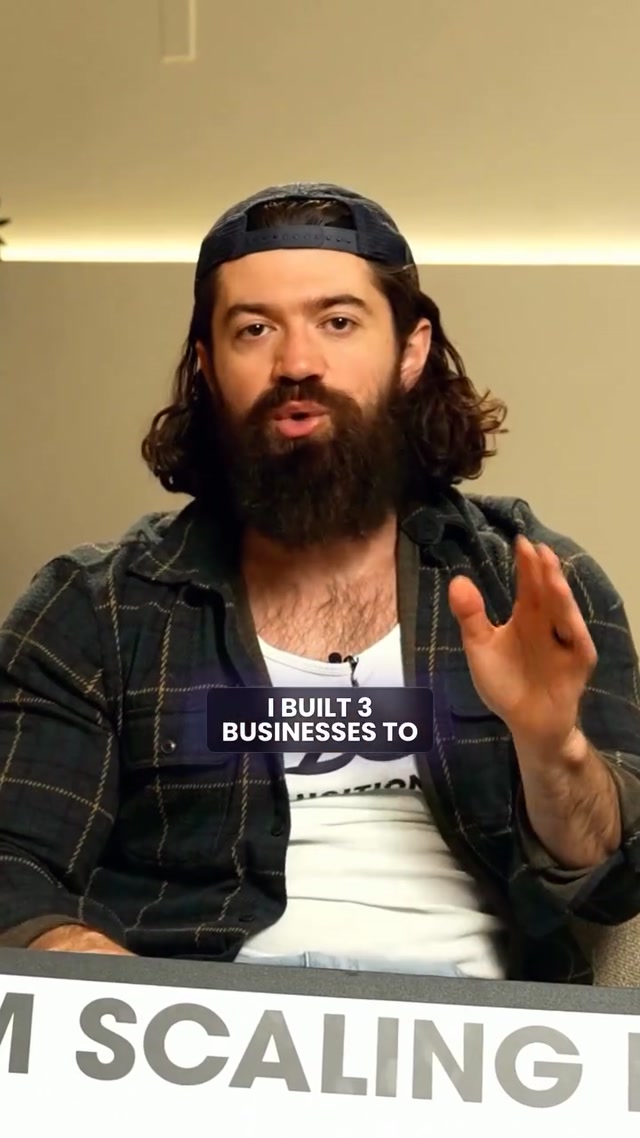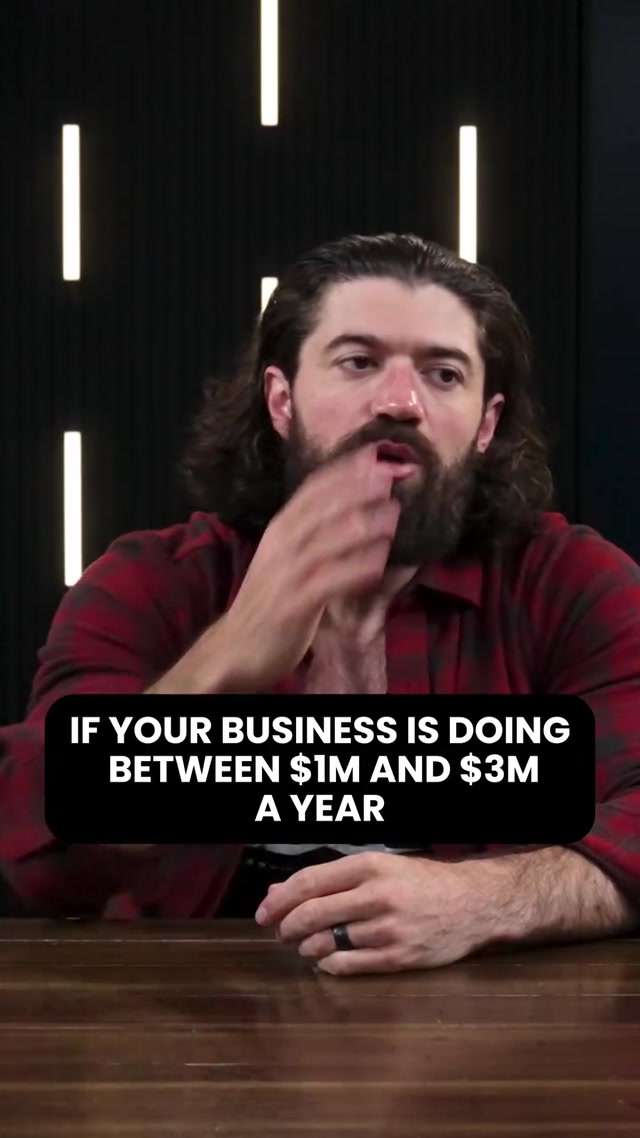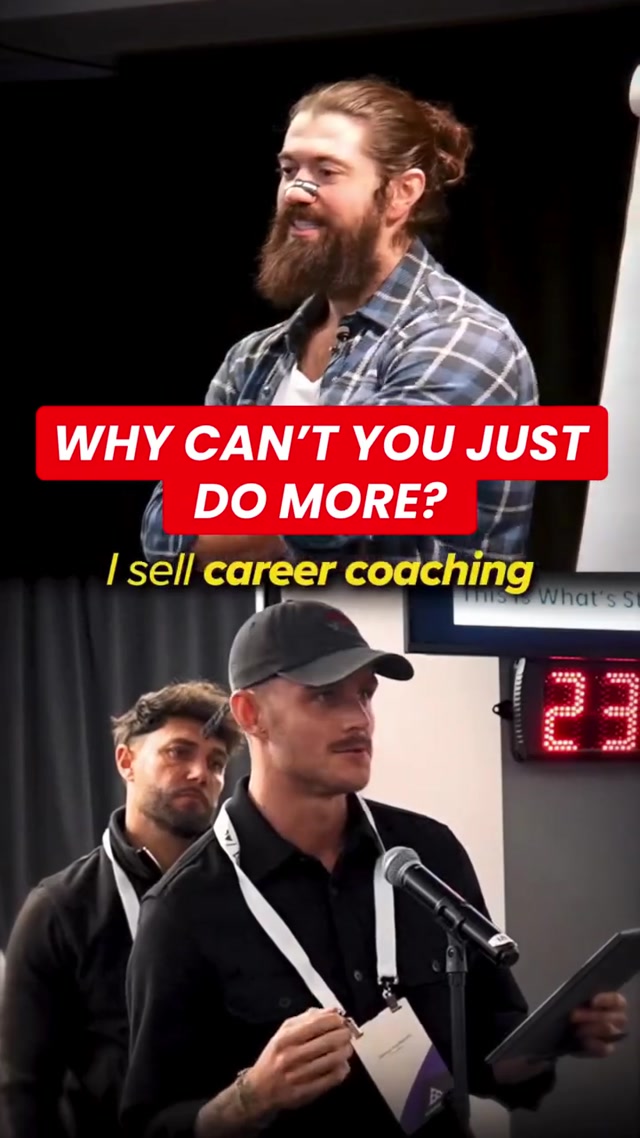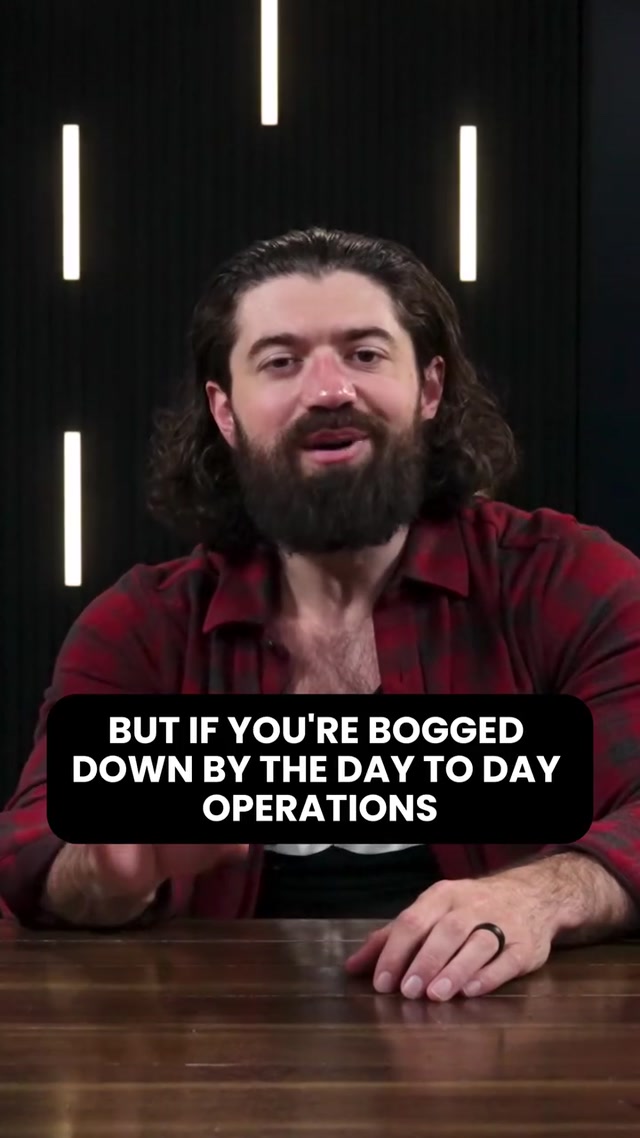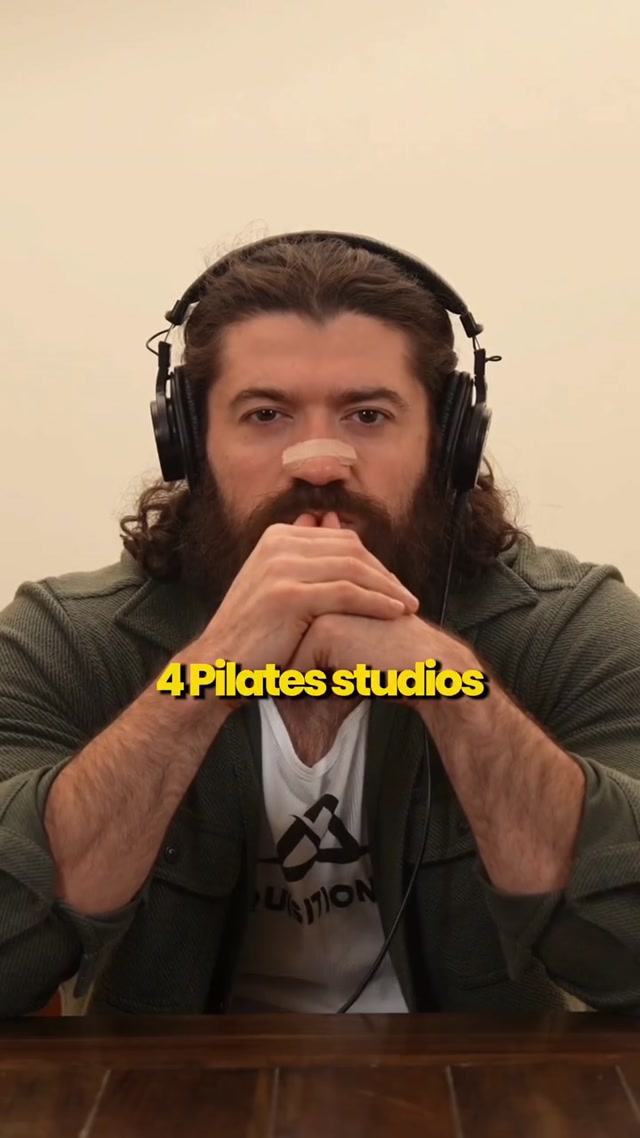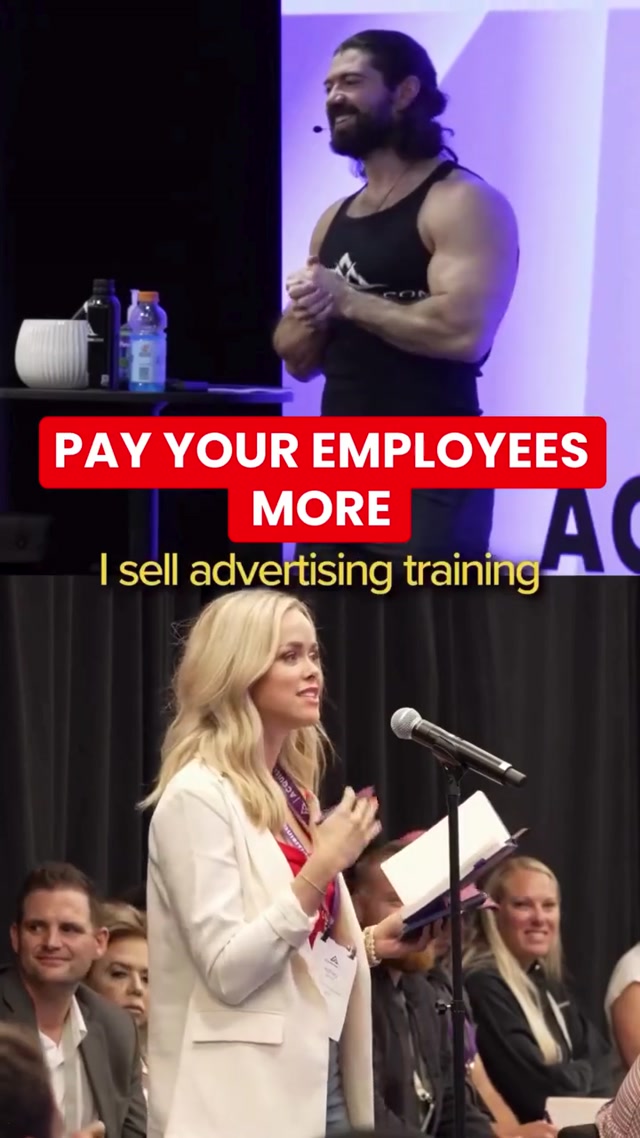
Alex Hormozi's talking head solo ad is a 67-second info products video creative decoded by Heista into 7 structural beats with 12 total cuts. Alex Hormozi's full brand intelligence · Info Products ad hooks
Facebook Ad
1:07
Alex Hormozi
Heisted: Jul 7, 2026
PATTERNMAP™
Loading PatternMap...
Ad Blueprint
Talking Head Solo
CategoryInfo Products
AngleProblem Solution
NarrativePain To Relief
IntentProblem Agitate Solve
Hook Type
Hypothetical Scenario
8.5sDuration
2Shots
7.4sAvg Shot
Energy
Cut Points
7.4s
Psychology
Competence Restoration
Behavioral ApproachSolve Your Problem
Step Clarity
Solution Assurance
Competence Reframing
Knowledge Simplification
Every winning ad has a formula. Heista decodes it in seconds.
Alex Hormozi Ad Decoded — Hypothetical Scenario Hook Analysis (67s)
Alex Hormozi's talking head solo ad is a 67-second info products creative decoded by Heista into 7 structural beats. It opens with a Hypothetical Scenario hook — This leverages Hypothetical Scenario framing—placing the viewer inside a vivid, alternate reality (“stuck doing admin… upset customers”) so their brain simulates a solution rather than passively absorbing information. The follow-up “What would you do?” triggers Action/Decision Urge and Outcome Simulation: viewers can’t help but run a personal trial decision in their head, which increases attention because the video is positioned to reveal the “right” move they’re already trying to choose. The psychological mission is Competence Restoration: The viewer feels capable again because the situation is reframed as fixable misallocation of effort and they’re led to a clear, high-leverage focus that makes next steps feel obvious. The ad has 12 cuts at an average of 6.6s per cut, with an average beat duration of 9.6s.
Key Takeaways
Overview
Hypothetical Scenario Hook
This leverages Hypothetical Scenario framing—placing the viewer inside a vivid, alternate reality (“stuck doing admin… upset customers”) so their brain simulates a solution rather than passively absorbing information. The follow-up “What would you do?” triggers Action/Decision Urge and Outcome Simulation: viewers can’t help but run a personal trial decision in their head, which increases attention because the video is positioned to reveal the “right” move they’re already trying to choose. Hypothetical Scenario hook deep-dive
Beat-by-Beat Breakdown
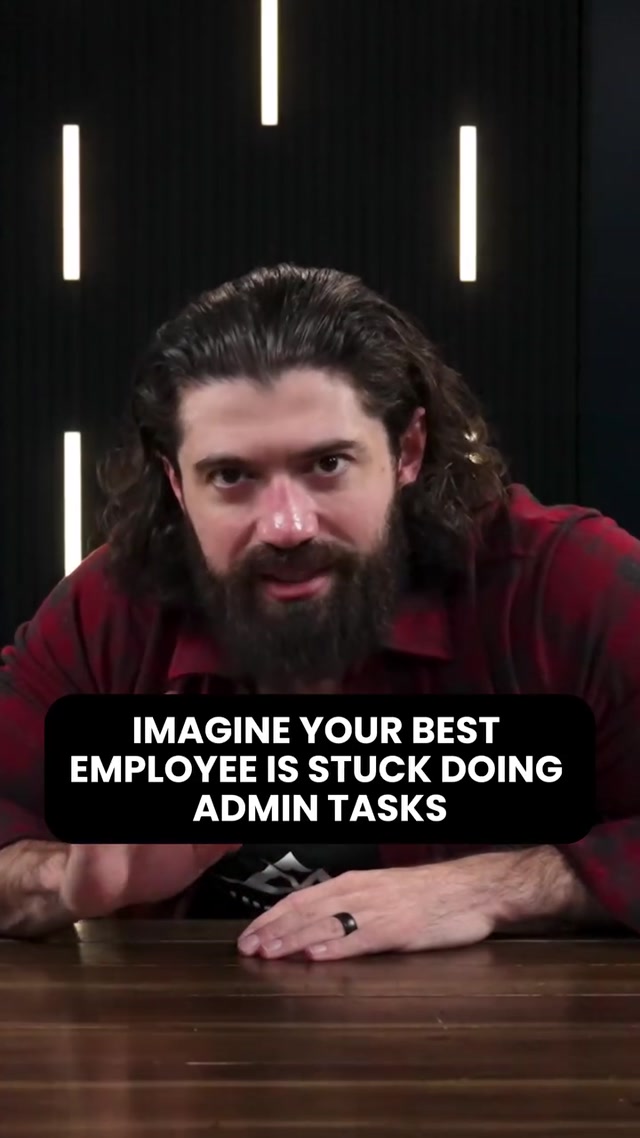
Beat 2 (0:00-0:08) — Hypothetical Scenario: It sets up an imagined management problem: “Imagine your best employee is stuck doing admin tasks, paperwork, answering phones from upset customers.” Then it escalates into a decision prompt: “What would you do?”
Beat 3 (0:08-0:17) — Process Setup: The speaker sets up the argumentative flow: “You'd probably delegate those tasks… so they could focus on the highest leverage things, right?” then pivots with “Well, here's the thing.” This frames a common first assumption and signals that the next section will deliver the specific “thing” that overrides it.
Beat 4 (0:17-0:31) — Inefficiency Pain: It reframes your role as wasting effort on “excess things that are super low leverage” — “volatile… sporadic… And so you have become the junk drawer of the business… just a fix-it man.” Then it tightens the consequence: “if you’re bogged down by the day-to-day operations… and you can’t zoom out enough to prioritize what’s important,” you’re stuck in unproductive work.
Beat 5 (0:31-0:45) — Reasoning Chain: It gives a step-by-step reasoning flow: “the most valuable thing that you can do is get that absolute clarity of focus on where the greatest leverage is… and then turbo charge your effort towards that point.” Then it adds a conditional match to the audience: “And so if you're the type of person that that makes sense for, then you'll love this.”
Beat 6 (0:45-0:52) — The Easy Way: It undermines the viewer’s instinct to DIY learning and then offers a simpler alternative: “we do have workshops out here in Vegas at our headquarters.” The implied correction is “don’t just pay nobody else—use the existing option that condenses learning for you.”
Beat 7 (0:52-1:00) — Testimonial: It references external praise as proof: “People say really nice things about them. And so they’re pretty good.” That frames the invite as backed by others’ positive feedback rather than the speaker’s assertion.
Beat 8 (1:00-1:07) — Next Step CTA: It directs the viewer to the next step in the offer process: “book a call.” It adds qualification and conditional follow-through: “If it's a good fit… love to have you out,” ending with in-person continuity: “maybe I'll see you here in person.”
Behavioral Psychology
This ad activates Competence Restoration as its primary behavioral mission. The viewer feels capable again because the situation is reframed as fixable misallocation of effort and they’re led to a clear, high-leverage focus that makes next steps feel obvious. Competence Restoration behavioral mission
Structural Fingerprint
Duration: 67 seconds. Beat count: 7. Total cuts: 12. Average beat duration: 9.6s. Average cut duration: 6.6s. Average visual energy: 2.3/10. Info Products ad formula reference
Frequently Asked Questions
Why does this Alex Hormozi ad work? This Alex Hormozi talking head solo ad opens with a Hypothetical Scenario hook that captures attention in the first 3 seconds. The psychological architecture activates Competence Restoration across 7 structural beats, each contributing a specific persuasion mechanism.
What hook does Alex Hormozi use in this ad? Alex Hormozi opens with a Hypothetical Scenario hook. This leverages Hypothetical Scenario framing—placing the viewer inside a vivid, alternate reality (“stuck doing admin… upset customers”) so their brain simulates a solution rather than passively absorbing information. The follow-up “What would you do?” triggers Action/Decision Urge and Outcome Simulation: viewers can’t help but run a personal trial decision in their head, which increases attention because the video is positioned to reveal the “right” move they’re already trying to choose.
What psychology does this Alex Hormozi ad activate? This ad activates Competence Restoration as its primary behavioral mission. The viewer feels capable again because the situation is reframed as fixable misallocation of effort and they’re led to a clear, high-leverage focus that makes next steps feel obvious.
How long is this Alex Hormozi ad and what's the structure? This ad runs 67 seconds with 7 structural beats and 12 cuts. Average cut duration is 6.6s. The pattern flow follows a full format structure common in talking head solo ads.
What platform is this Alex Hormozi ad running on? This talking head solo ad is running on facebook. The info products vertical typically sees strong performance on this platform for talking head solo creative structures.
What makes this different from other info products ads? Most info products ads lean on generic format templates. Alex Hormozi's version uses a distinct Hypothetical Scenario hook structure paired with Competence Restoration — a combination that over-indexes in high-performing info products creative.