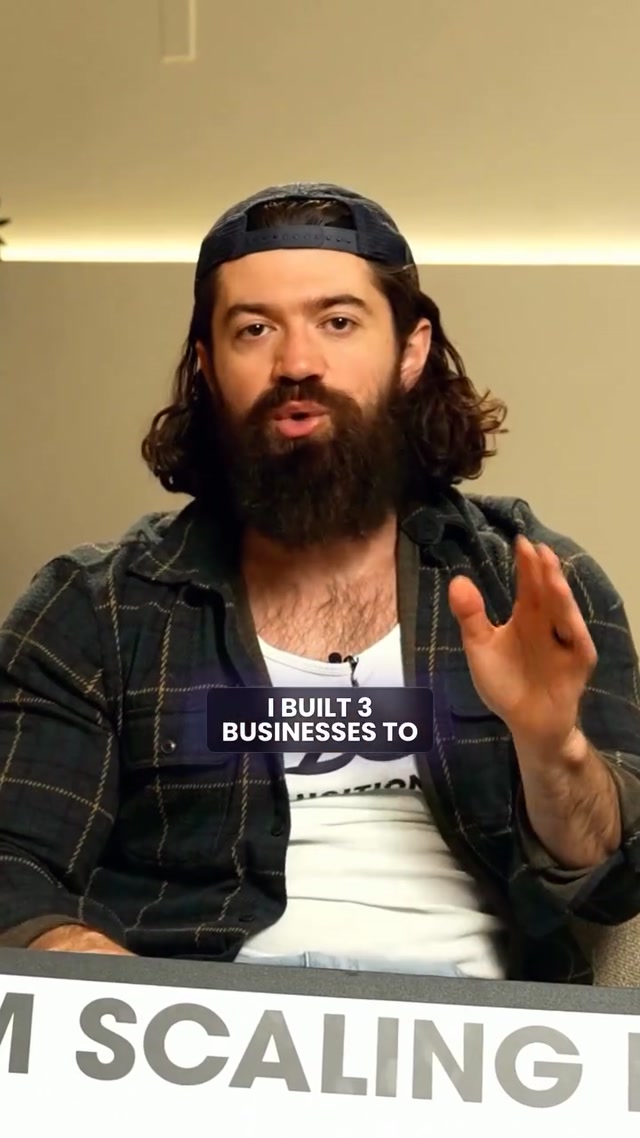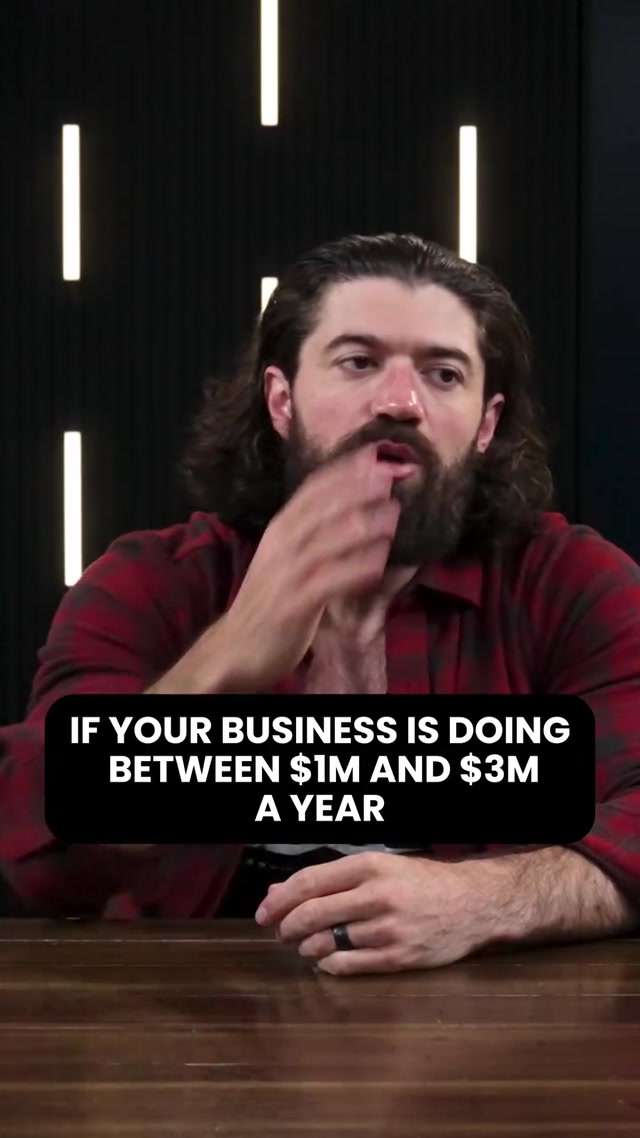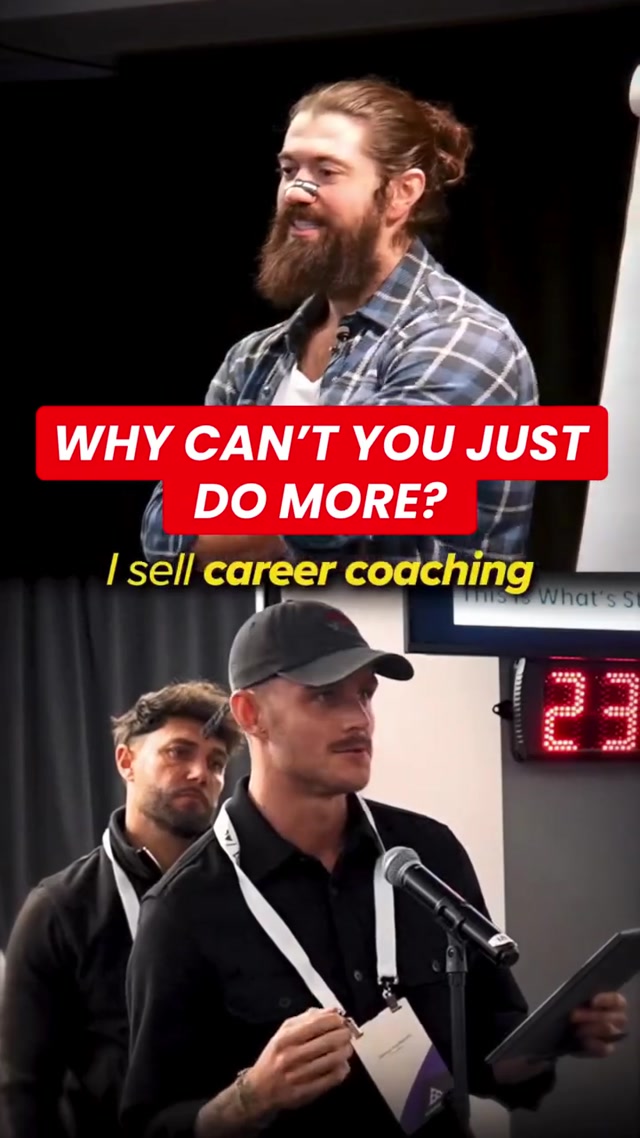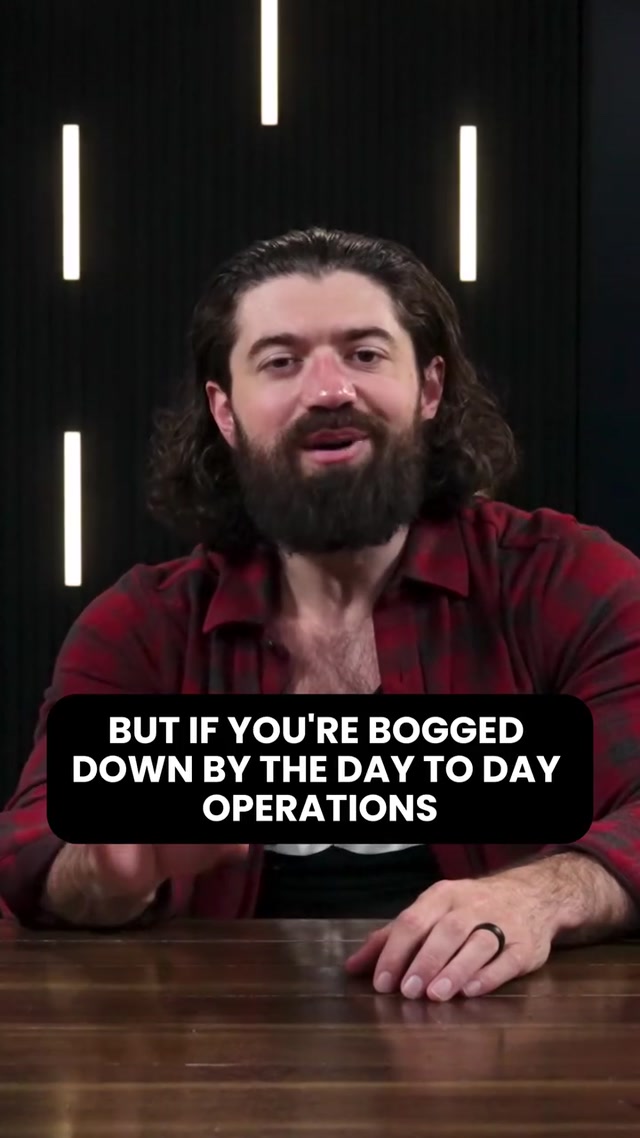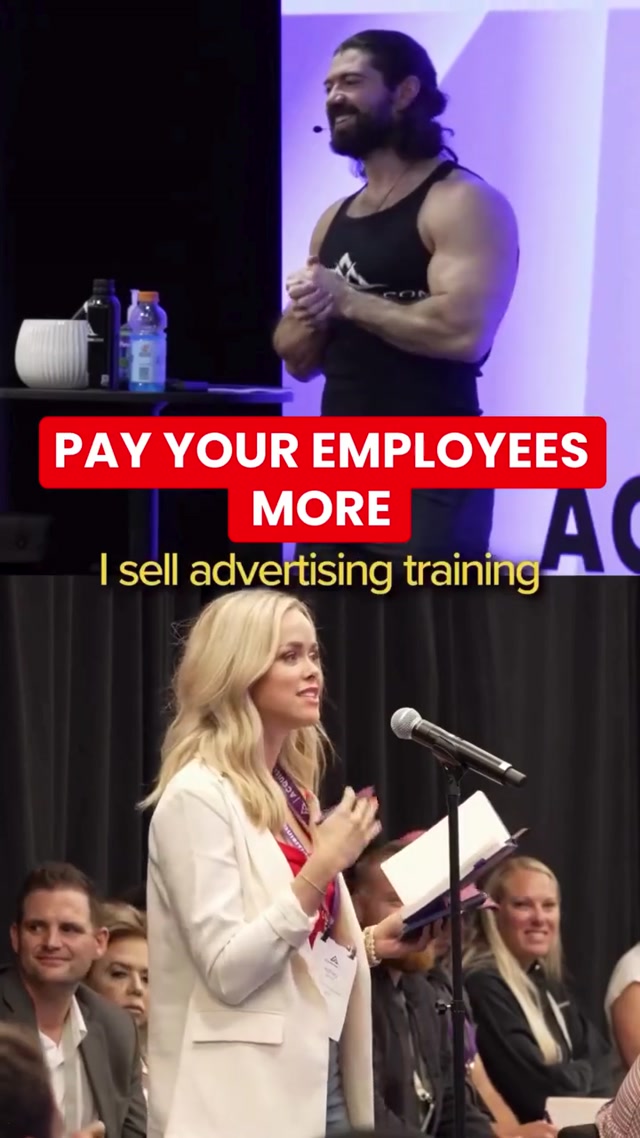
Alex Hormozi's talking head solo ad is a 93-second info products video creative decoded by Heista into 6 structural beats with 4 total cuts. Alex Hormozi's full brand intelligence · Info Products ad hooks
Facebook Ad
1:33
Alex Hormozi
Heisted: Jul 7, 2026
PATTERNMAP™
Loading PatternMap...
Ad Blueprint
Talking Head Solo
CategoryInfo Products
AngleProblem Solution
NarrativePain To Relief
IntentDiscovery Education Driver
Hook Type
Story Start
18.5sDuration
2Shots
15.9sAvg Shot
Energy
Cut Points
17.9s
Psychology
Loss Aversion
Behavioral ApproachMindset Reframe
Negative Future Projection
Risk Priming
Avoidance Trigger
Fear Of Loss
Every winning ad has a formula. Heista decodes it in seconds.
Alex Hormozi Ad Decoded — Story Start Hook Analysis (93s)
Alex Hormozi's talking head solo ad is a 93-second info products creative decoded by Heista into 6 structural beats. It opens with a Story Start hook — This leverages Narrative Transportation—once you’re in the “a year and a half ago” scene with specific money, your attention follows the story’s cause→effect chain to see what happens. It also triggers Loss Aversion and Sunk Cost Fallacy: hearing “I’ve already sunk $180,000” plus “walking away feels like admitting I blew it” frames staying as emotionally safer than cutting. The viewer can’t easily disengage because the conflict is ongoing and personally framed, not abstract advice. The psychological mission is Loss Aversion: The viewer feels urgency to stop the bleed, reframing the cost of continuing as a larger ongoing loss than admitting the mistake, which makes walking away feel like the safer, smarter decision now. The ad has 4 cuts at an average of 25.8s per cut, with an average beat duration of 15.5s.
Key Takeaways
Overview
Story Start Hook
This leverages Narrative Transportation—once you’re in the “a year and a half ago” scene with specific money, your attention follows the story’s cause→effect chain to see what happens. It also triggers Loss Aversion and Sunk Cost Fallacy: hearing “I’ve already sunk $180,000” plus “walking away feels like admitting I blew it” frames staying as emotionally safer than cutting. The viewer can’t easily disengage because the conflict is ongoing and personally framed, not abstract advice. Story Start hook deep-dive
Beat-by-Beat Breakdown
Beat 2 (0:00-0:18) — Story Start: It opens like an origin story with a concrete timeline and cause (“a year and a half ago, I bought a second business…”) and then escalates to a vivid consequence (“It’s blood cash ever since.”). By ending on a self-aware dilemma (“I know I should cut it… walking away feels like admitting I blew it.”), it sets an unresolved internal conflict that will get unpacked next.
Beat 3 (0:18-0:32) — Loss Aversion Cue: It weaponizes loss in escalating steps: “The best day to not do this deal was before you signed it. The second best day… is to realize it was a bad deal… $180,000 is gone. It's gone.”
Beat 4 (0:32-0:52) — Cost/Benefit Reframe: It redefines “throwing good money after bad” as “throwing good attention after bad,” then quantifies the damage via opportunity cost (“if your main business could get you… from 2 million to 4 million… you’re still losing the $2 million”).
Beat 5 (0:52-1:10) — Cost/Benefit Reframe: It reframes the cost of “proving the slip-up wasn’t a mistake” by contrasting what to do vs what not to do: “You made a slip up. It’s okay… but the worst thing… is let that slip up define you… because you’re trying to prove that it wasn’t a mistake. The only mistake now is just continuing it.” It pushes the viewer to treat the real “mistake” as persistence, not the original error.
Beat 6 (1:10-1:22) — Percentage Result: The speaker validates the claim with a quantified adoption rate: “I’d say at least 25% of entrepreneurs… they’re dealing with this particular issue.” He anchors the idea to a real-world prevalence, not just a concept.
Beat 7 (1:22-1:32) — 'Actually' Reframe: It uses an “actually” correction to reframe what to do when things get complicated: “Where it gets a little hairier… is where the other opportunity is actually a superior vehicle, but it’s earlier in the phase.” Then it hedges with guidance on when jumping is justified: “That’s where it gets hard because sometimes it does make sense to jump if it’s aligned with your goals long-term.”
Behavioral Psychology
This ad activates Loss Aversion as its primary behavioral mission. The viewer feels urgency to stop the bleed, reframing the cost of continuing as a larger ongoing loss than admitting the mistake, which makes walking away feel like the safer, smarter decision now. Loss Aversion behavioral mission
Structural Fingerprint
Duration: 93 seconds. Beat count: 6. Total cuts: 4. Average beat duration: 15.5s. Average cut duration: 25.8s. Average visual energy: 1/10. Info Products ad formula reference
Frequently Asked Questions
Why does this Alex Hormozi ad work? This Alex Hormozi talking head solo ad opens with a Story Start hook that captures attention in the first 3 seconds. The psychological architecture activates Loss Aversion across 6 structural beats, each contributing a specific persuasion mechanism.
What hook does Alex Hormozi use in this ad? Alex Hormozi opens with a Story Start hook. This leverages Narrative Transportation—once you’re in the “a year and a half ago” scene with specific money, your attention follows the story’s cause→effect chain to see what happens. It also triggers Loss Aversion and Sunk Cost Fallacy: hearing “I’ve already sunk $180,000” plus “walking away feels like admitting I blew it” frames staying as emotionally safer than cutting. The viewer can’t easily disengage because the conflict is ongoing and personally framed, not abstract advice.
What psychology does this Alex Hormozi ad activate? This ad activates Loss Aversion as its primary behavioral mission. The viewer feels urgency to stop the bleed, reframing the cost of continuing as a larger ongoing loss than admitting the mistake, which makes walking away feel like the safer, smarter decision now.
How long is this Alex Hormozi ad and what's the structure? This ad runs 93 seconds with 6 structural beats and 4 cuts. Average cut duration is 25.8s. The pattern flow follows a full format structure common in talking head solo ads.
What platform is this Alex Hormozi ad running on? This talking head solo ad is running on facebook. The info products vertical typically sees strong performance on this platform for talking head solo creative structures.
What makes this different from other info products ads? Most info products ads lean on generic format templates. Alex Hormozi's version uses a distinct Story Start hook structure paired with Loss Aversion — a combination that over-indexes in high-performing info products creative.