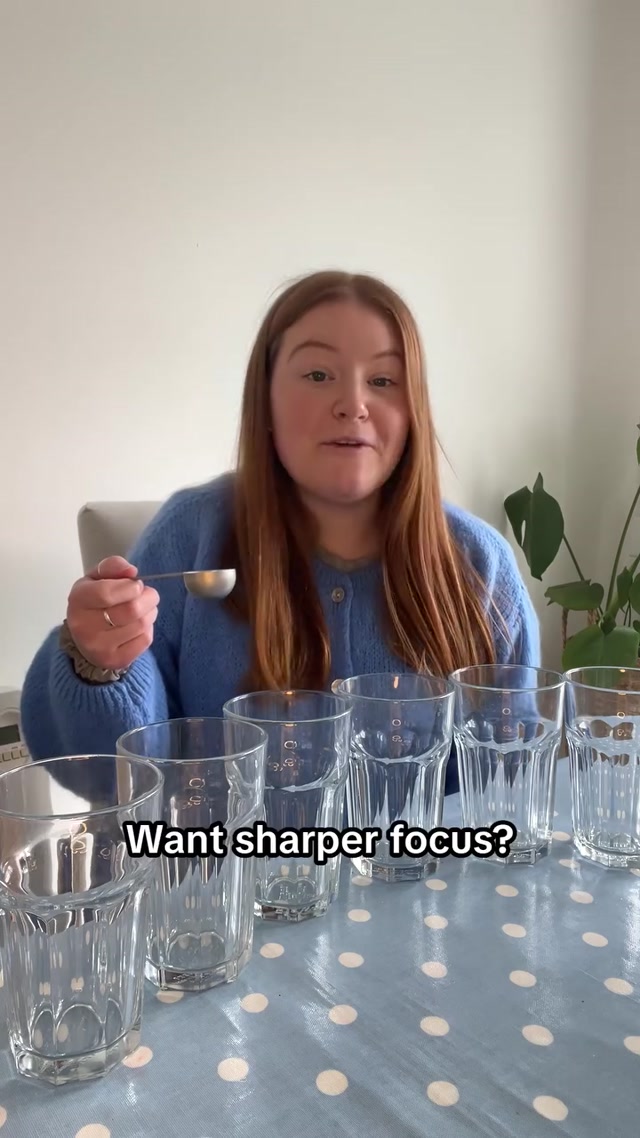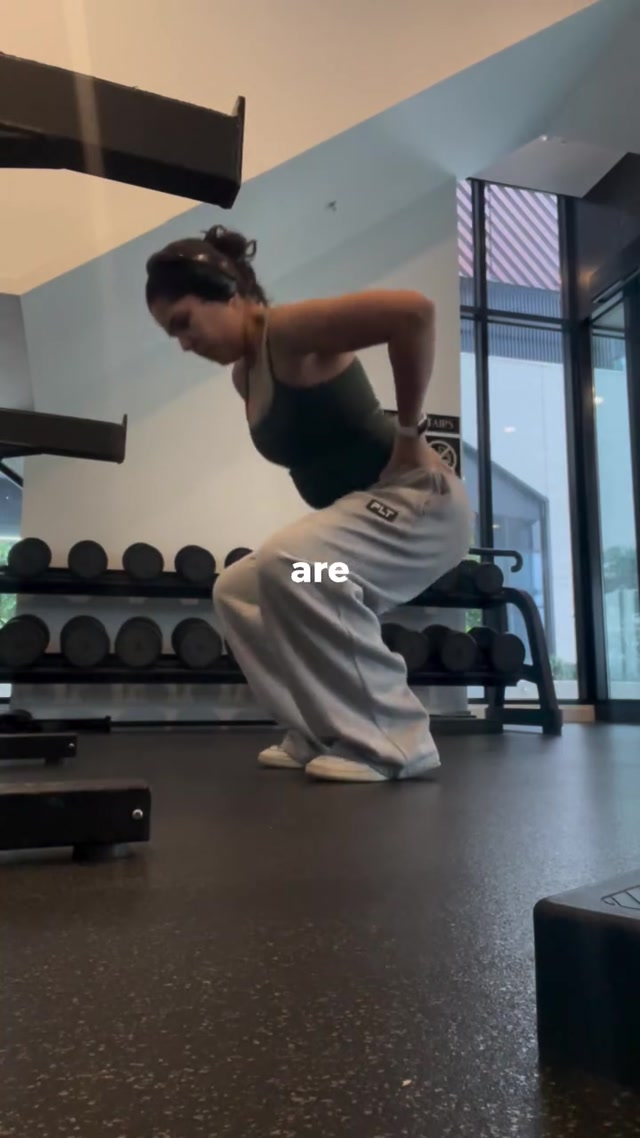
Salt Lab's talking head b-roll ad is a 46-second health & supplements video creative decoded by Heista into 6 structural beats with 31 total cuts. Salt Lab's full brand intelligence
PATTERNMAP™
Loading PatternMap...
Ad Blueprint
Talking Head B-Roll
CategoryHealth Supplements
AngleProblem Solution
NarrativePain To Relief
IntentMicro Story Payoff Engine
Hook Type
Challenge Intro
6.5sDuration
6Shots
1.1sAvg Shot
Energy
Cut Points
0.8s1.6s3.1s4.2s5.1s
Psychology
Threat Reduction
Behavioral ApproachStory Share
Reassurance Statement
Uncertainty Resolution
Fear Cancellation
Soothing Tone
Every winning ad has a formula. Heista decodes it in seconds.
Salt Lab Ad Decoded — Challenge Intro Hook Analysis (46s)
Salt Lab's talking head b-roll ad is a 46-second health & supplements creative decoded by Heista into 6 structural beats. It opens with a Challenge Intro hook — This leverages Diagnostic Framing and Commitment to a next step: the conditional (“still sore two days after training”) makes the viewer mentally test themselves, and “listen to this” creates an immediate task to complete. The self-qualification reduces cognitive effort while increasing relevance, so the viewer can’t easily dismiss the message without checking whether it applies to them. The psychological mission is Threat Reduction: The viewer feels reassured that lingering soreness is manageable and that a simple recovery step can quickly restore normal movement, reducing worry and hesitation about training again. The ad has 31 cuts at an average of 1.8s per cut, with an average beat duration of 7.7s.
Key Takeaways
- Opens with a Challenge Intro hook
- Activates Threat Reduction psychology
- Part of Salt Lab's full ad strategy
- 31 cuts, averaging 1.8s per cut
Overview
Challenge Intro Hook
This leverages Diagnostic Framing and Commitment to a next step: the conditional (“still sore two days after training”) makes the viewer mentally test themselves, and “listen to this” creates an immediate task to complete. The self-qualification reduces cognitive effort while increasing relevance, so the viewer can’t easily dismiss the message without checking whether it applies to them. Challenge Intro hook deep-dive
Beat-by-Beat Breakdown
Beat 2 (0:00-0:06) — Challenge Intro: It frames a specific self-check challenge: “If your legs are still sore two days after training” sets a clear condition, then immediately directs attention with “listen to this.” This turns the viewer into an active evaluator—either they match the condition or they don’t—so they keep watching to see what the “this” is.
Beat 3 (0:06-0:16) — Relatability Setup: The speaker uses a personal, shared struggle to connect: “Leg days used to absolutely wreck me… I used to think being sore for days… was just part of it.” Then they intensify the relatability with a vivid progression of suffering: “On day one, I could barely walk. Day two… even worse… I would be stiff, tight, barely moving properly.”
Beat 4 (0:16-0:22) — Inefficiency Pain: It highlights a practical fix to reduce wasted effort by shifting the focus to “recovery” and adding a specific step: “added topical magnesium cream straight after my workouts.” This frames the viewer’s current approach as missing an immediate, actionable recovery move, so their brain registers friction between what they’re doing now and what they should do right after training.
Beat 5 (0:22-0:33) — Feature Cascade: It lists exactly where to apply the method: “I'd apply it to my quads, hamstrings, and calves.” The “especially when they felt tight” clause adds a specific condition for when to use it, turning the advice into a targeted application map for the viewer’s body.
Beat 6 (0:33-0:40) — Before/After Proof: The speaker describes a time-based improvement as a before/after contrast: “over time, I noticed such a difference” followed by the specific symptom changes “Less cramps, less stiffness, less pain, and back to moving normally.” This frames the method as producing a clear shift from the prior state (cramps/stiffness/pain) to a restored outcome (normal movement).
Beat 7 (0:40-0:46) — Overwhelm → Control: It reframes leg day from something you dread into something you can handle again—“I wasn't dreading leg day anymore… feeling way better”—then corrects the real driver of progress: “Training hard and consistently is one thing, but recovery is what actually keeps you going.”
Behavioral Psychology
This ad activates Threat Reduction as its primary behavioral mission. The viewer feels reassured that lingering soreness is manageable and that a simple recovery step can quickly restore normal movement, reducing worry and hesitation about training again. Threat Reduction behavioral mission
Structural Fingerprint
Duration: 46 seconds. Beat count: 6. Total cuts: 31. Average beat duration: 7.7s. Average cut duration: 1.8s. Average visual energy: 7/10.
Frequently Asked Questions
Why does this Salt Lab ad work? This Salt Lab talking head b-roll ad opens with a Challenge Intro hook that captures attention in the first 3 seconds. The psychological architecture activates Threat Reduction across 6 structural beats, each contributing a specific persuasion mechanism.
What hook does Salt Lab use in this ad? Salt Lab opens with a Challenge Intro hook. This leverages Diagnostic Framing and Commitment to a next step: the conditional (“still sore two days after training”) makes the viewer mentally test themselves, and “listen to this” creates an immediate task to complete. The self-qualification reduces cognitive effort while increasing relevance, so the viewer can’t easily dismiss the message without checking whether it applies to them.
What psychology does this Salt Lab ad activate? This ad activates Threat Reduction as its primary behavioral mission. The viewer feels reassured that lingering soreness is manageable and that a simple recovery step can quickly restore normal movement, reducing worry and hesitation about training again.
How long is this Salt Lab ad and what's the structure? This ad runs 46 seconds with 6 structural beats and 31 cuts. Average cut duration is 1.8s. The pattern flow follows a full format structure common in talking head b-roll ads.
What platform is this Salt Lab ad running on? This talking head b-roll ad is running on facebook. The health & supplements vertical typically sees strong performance on this platform for talking head b-roll creative structures.
What makes this different from other health & supplements ads? Most health & supplements ads lean on generic format templates. Salt Lab's version uses a distinct Challenge Intro hook structure paired with Threat Reduction — a combination that over-indexes in high-performing health & supplements creative.