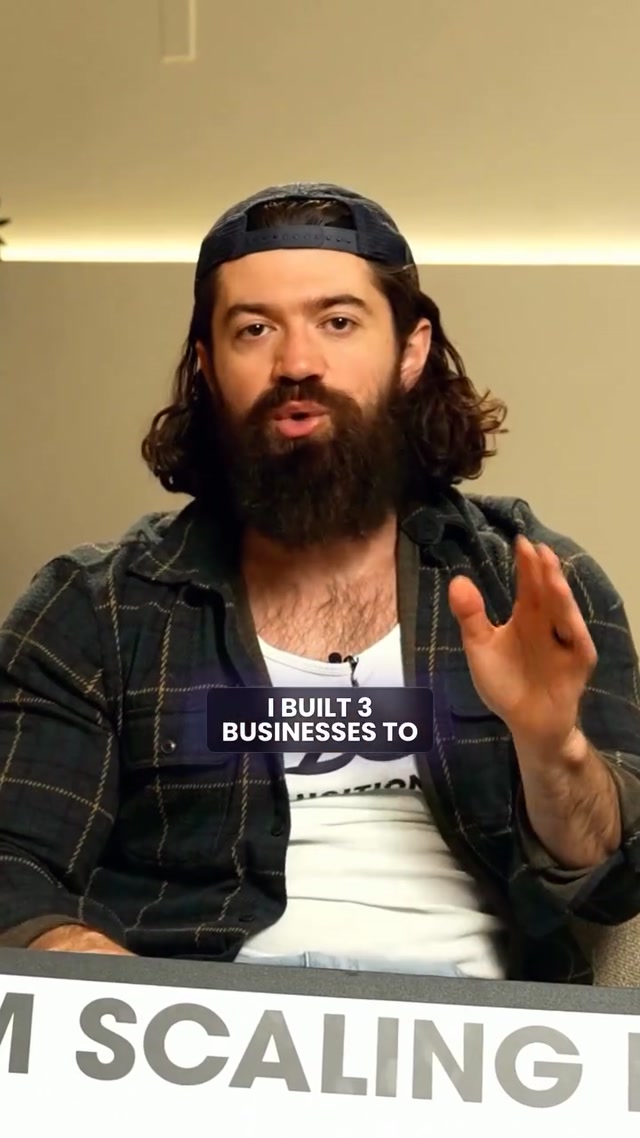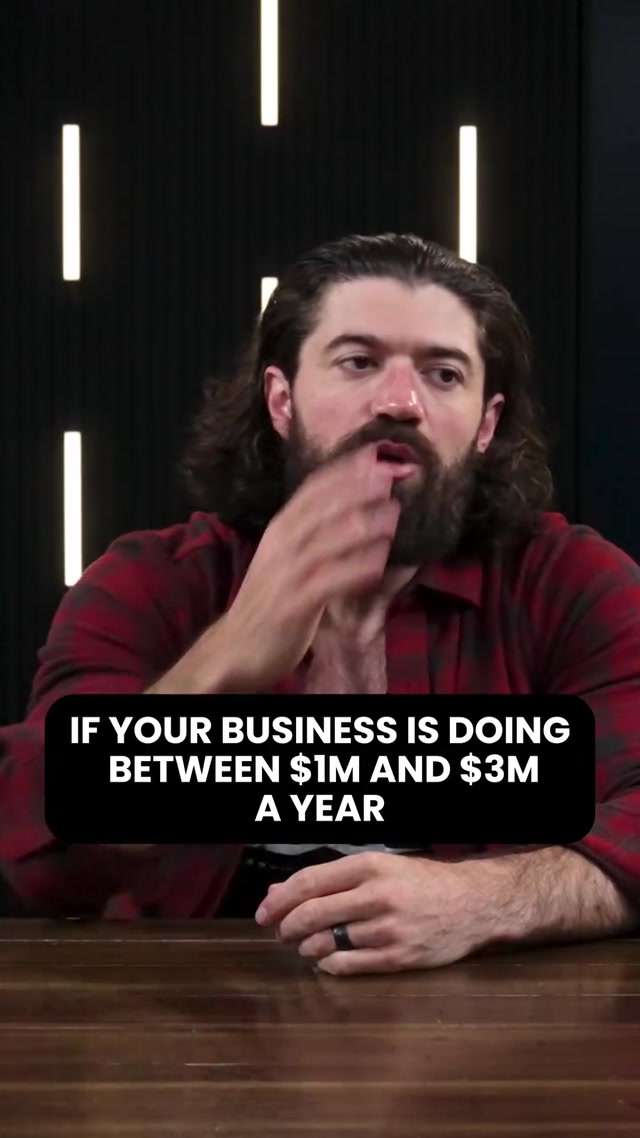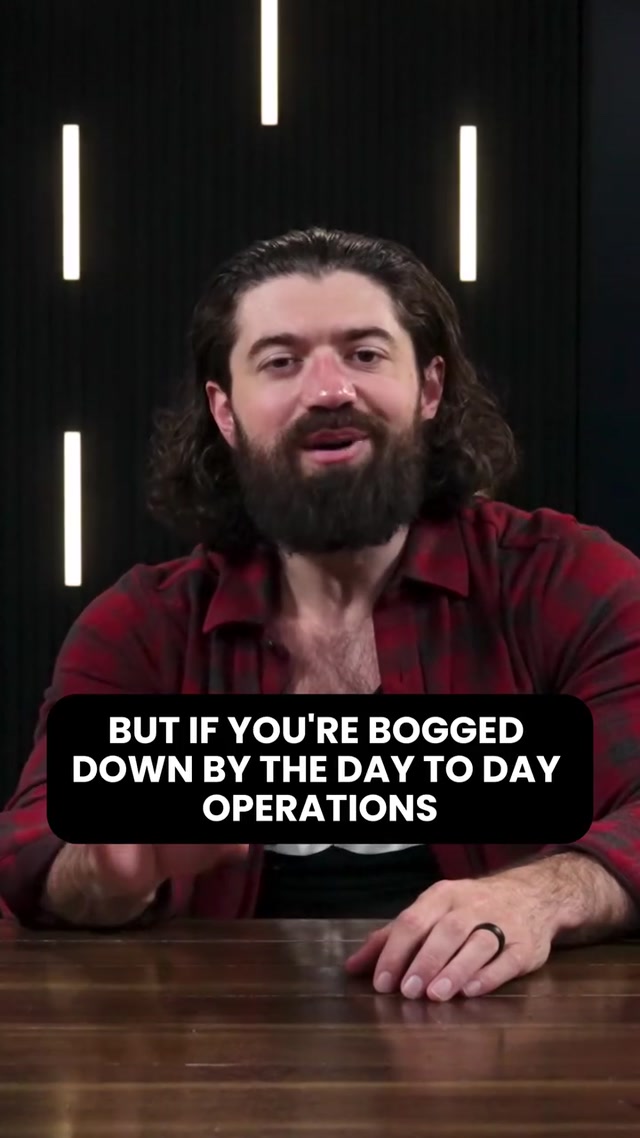
Alex Hormozi's talking head solo ad is a 68-second info products video creative decoded by Heista into 7 structural beats with 2 total cuts. Alex Hormozi's full brand intelligence · Info Products ad hooks
Facebook Ad
1:08
Alex Hormozi
Heisted: Jul 7, 2026
PATTERNMAP™
Loading PatternMap...
Ad Blueprint
Talking Head Solo
CategoryInfo Products
AngleProblem Solution
NarrativePain To Relief
IntentProblem Agitate Solve
Hook Type
Data Point Start
10.5sDuration
1Shots
12.0sAvg Shot
Energy
Psychology
Competence Restoration
Behavioral ApproachTeach Explain
Step Clarity
Solution Assurance
Competence Reframing
Knowledge Simplification
Every winning ad has a formula. Heista decodes it in seconds.
Alex Hormozi Ad Decoded — Data Point Start Hook Analysis (68s)
Alex Hormozi's talking head solo ad is a 68-second info products creative decoded by Heista into 7 structural beats. It opens with a Data Point Start hook — This leverages Data Point Start and Conflict Statement: the $2.7M figure anchors the viewer in reality and makes the fear feel consequential, not hypothetical. The “want to grow, but… I’m scared” conflict between goal and feeling creates immediate tension, which keeps attention because the viewer is waiting to learn why a capable operator is stuck and what breaks the fear. The psychological mission is Competence Restoration: The viewer feels fear and chaos turn into a clear, workable explanation with a credible path forward, making growth feel more manageable and solvable. The ad has 2 cuts at an average of 34s per cut, with an average beat duration of 9.7s.
Key Takeaways
Overview
Data Point Start Hook
This leverages Data Point Start and Conflict Statement: the $2.7M figure anchors the viewer in reality and makes the fear feel consequential, not hypothetical. The “want to grow, but… I’m scared” conflict between goal and feeling creates immediate tension, which keeps attention because the viewer is waiting to learn why a capable operator is stuck and what breaks the fear. Data Point Start hook deep-dive
Beat-by-Beat Breakdown
Beat 2 (0:00-0:10) — Data Point Start: It grounds the speaker in quantified credibility first: “doing about $2.7 million a year.” Then it immediately adds a personal barrier to that growth—“I want to grow, but honestly, I'm scared to”—creating a mismatch between capability and emotion.
Beat 3 (0:10-0:21) — Inefficiency Pain: It describes a recurring operational drain: “Every time we get bigger, it gets more chaotic… I can't take a week off without something breaking.” This paints growth as producing constant interruptions rather than progress, keeping the viewer stuck in a “always on” cycle.
Beat 4 (0:21-0:33) — Concept Clarification: It clarifies a core distinction by defining how far apart two layers are: “a symptom issue” versus “a core problem issue,” and specifying their relationship as “multiple steps away from each other.” This reframes the viewer’s understanding so they stop treating symptoms as the direct target and start thinking in terms of distance to the underlying cause.
Beat 5 (0:33-0:48) — Root Cause Analysis: It reframes “it feels like you’re being really spread thin” as a symptom with a specific cause: “is actually a lack of talent on the team,” explained as “a combination of training or the people or not enough of them.” Then it softens the conclusion with a flexible, non-dismissive diagnosis: “but no matter what, it feels the way it feels right now.”
Beat 6 (0:48-0:59) — Root Cause Analysis: It identifies the deeper cause of the “jump in all the time” people-management problem: “it’s actually not gonna get solved there… It’s actually solved further up in the funnel,” because “you probably have an offer that is too commoditized.” It then traces the mechanism to the downstream constraint: “you don’t have the pricing power… to generate the cashflow that you need to hire and train better people.”
Beat 7 (0:59-1:06) — Cost/Benefit Shift: It reframes the real reason behind premium pricing as a cost/benefit tradeoff: “so that we can demand the premium price… to hire the people we need to have the cash to train them and do it effectively.” This tells the viewer that higher prices aren’t greed—they’re the funding mechanism for quality inputs and execution.
Beat 8 (1:06-1:08) — Root Cause Analysis: Uses a “dog tail vs bark” analogy to argue that what you’re observing is the effect, not the cause: “if you step on a dog's tail and it barks… you're looking at the bark… but the tail is actually the issue.” It reframes the viewer’s attention from the symptom (bark) to the underlying problem (tail).
Behavioral Psychology
This ad activates Competence Restoration as its primary behavioral mission. The viewer feels fear and chaos turn into a clear, workable explanation with a credible path forward, making growth feel more manageable and solvable. Competence Restoration behavioral mission
Structural Fingerprint
Duration: 68 seconds. Beat count: 7. Total cuts: 2. Average beat duration: 9.7s. Average cut duration: 34s. Average visual energy: 1/10. Info Products ad formula reference
Frequently Asked Questions
Why does this Alex Hormozi ad work? This Alex Hormozi talking head solo ad opens with a Data Point Start hook that captures attention in the first 3 seconds. The psychological architecture activates Competence Restoration across 7 structural beats, each contributing a specific persuasion mechanism.
What hook does Alex Hormozi use in this ad? Alex Hormozi opens with a Data Point Start hook. This leverages Data Point Start and Conflict Statement: the $2.7M figure anchors the viewer in reality and makes the fear feel consequential, not hypothetical. The “want to grow, but… I’m scared” conflict between goal and feeling creates immediate tension, which keeps attention because the viewer is waiting to learn why a capable operator is stuck and what breaks the fear.
What psychology does this Alex Hormozi ad activate? This ad activates Competence Restoration as its primary behavioral mission. The viewer feels fear and chaos turn into a clear, workable explanation with a credible path forward, making growth feel more manageable and solvable.
How long is this Alex Hormozi ad and what's the structure? This ad runs 68 seconds with 7 structural beats and 2 cuts. Average cut duration is 34s. The pattern flow follows a full format structure common in talking head solo ads.
What platform is this Alex Hormozi ad running on? This talking head solo ad is running on facebook. The info products vertical typically sees strong performance on this platform for talking head solo creative structures.
What makes this different from other info products ads? Most info products ads lean on generic format templates. Alex Hormozi's version uses a distinct Data Point Start hook structure paired with Competence Restoration — a combination that over-indexes in high-performing info products creative.