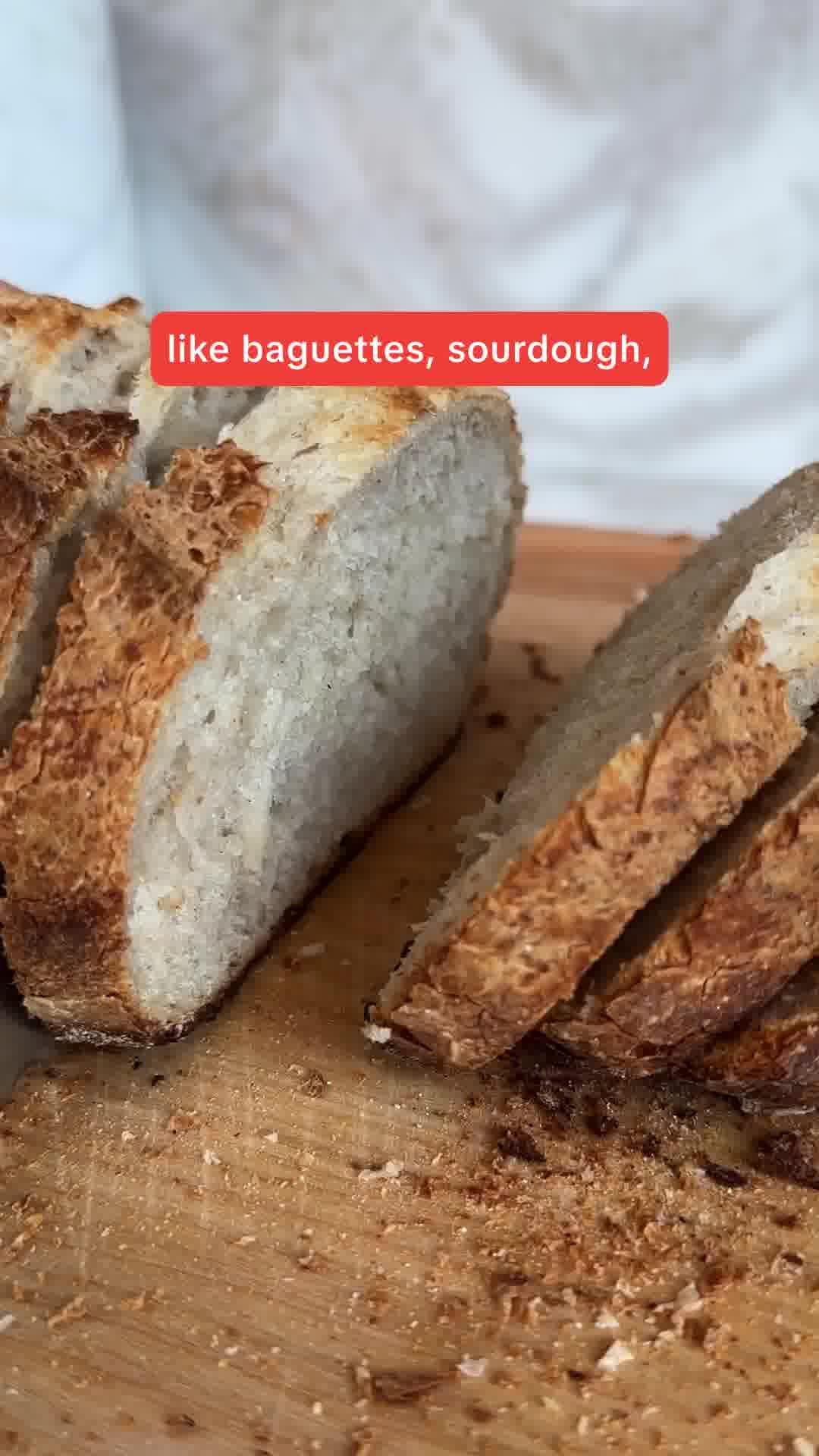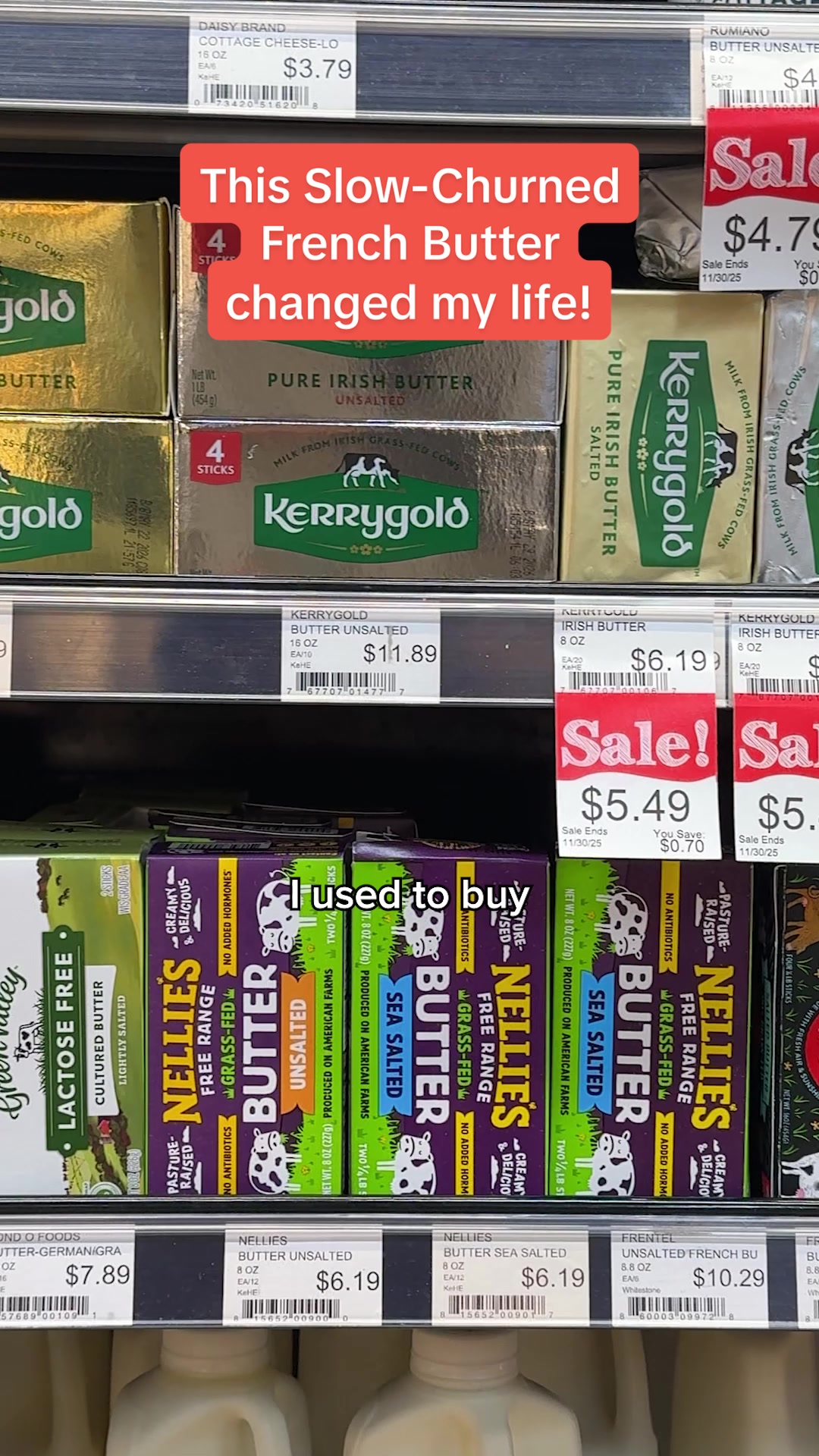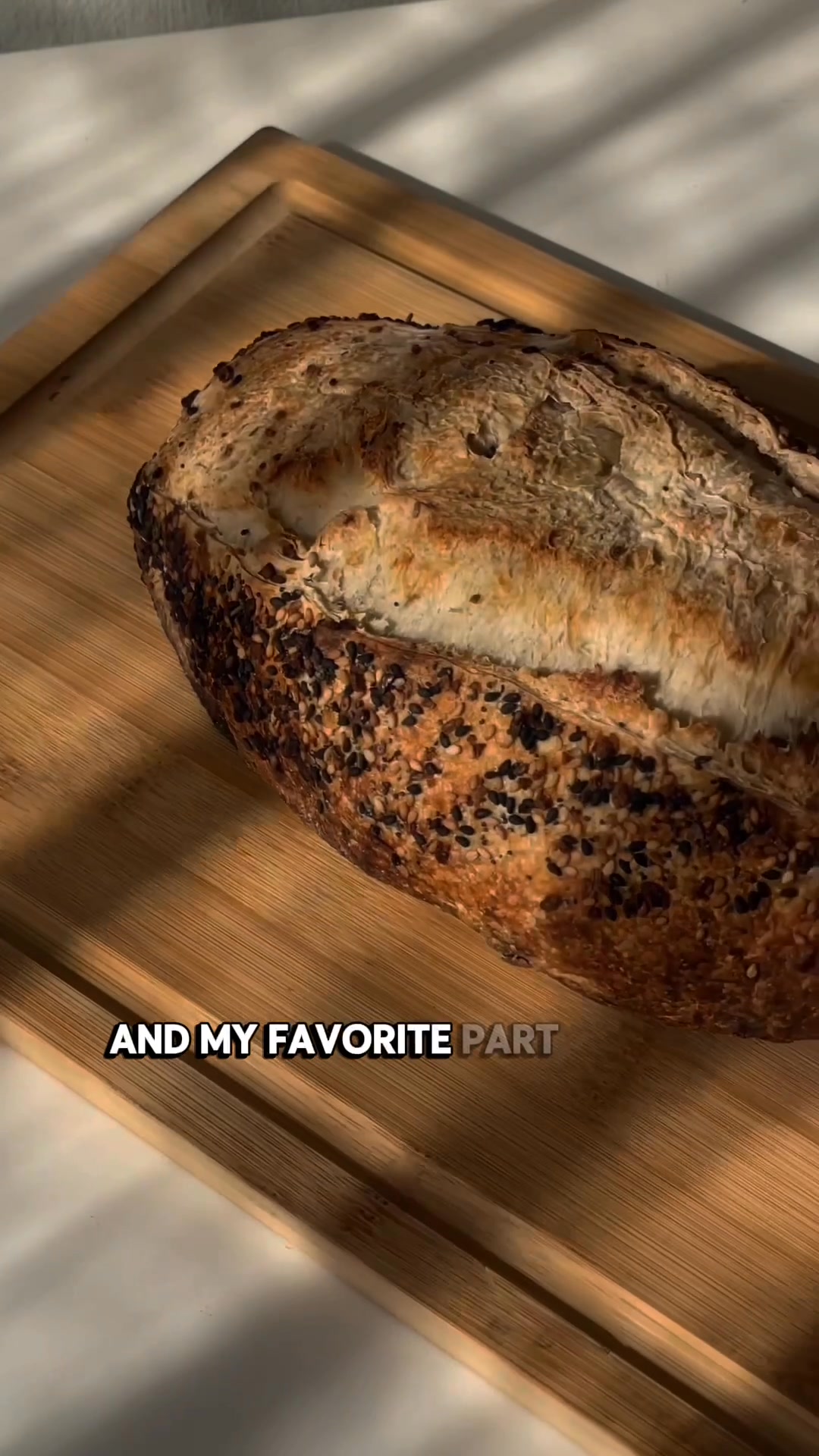
Wildgrain's voiceover b-roll ad is a 36-second food & beverage video creative decoded by Heista into 7 structural beats with 19 total cuts. Wildgrain's full brand intelligence
PATTERNMAP™
Loading PatternMap...
Ad Blueprint
Voiceover B-Roll
CategoryFood Beverage
AngleSocial Proof Results
NarrativeBenefit First
IntentDiscovery Education Driver
Hook Type
Unexpected Fact Start
4.5sDuration
4Shots
1.5sAvg Shot
Energy
Cut Points
1.0s1.9s3.7s
Psychology
Loss Aversion
Behavioral ApproachPeer Recommend
Fear Of Loss
Negative Future Projection
Avoidance Trigger
Risk Priming
Scarcity Cue
Every winning ad has a formula. Heista decodes it in seconds.
Wildgrain Ad Decoded — Unexpected Fact Start Hook Analysis (36s)
Wildgrain's voiceover b-roll ad is a 36-second food & beverage creative decoded by Heista into 7 structural beats. It opens with a Unexpected Fact Start hook — This leverages UNEXPECTED_FACT_START because “bread” being “good for you” violates a common assumption, creating cognitive dissonance that makes the viewer check what they’re being told. The follow-up conditional phrase “If you're still eating grocery store bread” activates Personal Relevance (situational self-inclusion), turning the message from general information into something that feels directly applicable right now. That combination drives continued attention by making it costly to ignore—either the belief must be updated, or the speaker’s claim must be verified. The psychological mission is Loss Aversion: The viewer feels urgency to fix their diet because grocery store bread may be quietly harming them, and they are pushed to act to avoid missing out on healthier sourdough benefits. The ad has 19 cuts at an average of 2s per cut, with an average beat duration of 5.1s.
Key Takeaways
- Opens with a Unexpected Fact Start hook
- Activates Loss Aversion psychology
- Part of Wildgrain's full ad strategy
- 19 cuts, averaging 2s per cut
Overview
Unexpected Fact Start Hook
This leverages UNEXPECTED_FACT_START because “bread” being “good for you” violates a common assumption, creating cognitive dissonance that makes the viewer check what they’re being told. The follow-up conditional phrase “If you're still eating grocery store bread” activates Personal Relevance (situational self-inclusion), turning the message from general information into something that feels directly applicable right now. That combination drives continued attention by making it costly to ignore—either the belief must be updated, or the speaker’s claim must be verified. Unexpected Fact Start hook deep-dive
Beat-by-Beat Breakdown
Beat 2 (0:00-0:04) — Unexpected Fact Start: It opens by contradicting the viewer’s default food belief with a counterintuitive factual claim: “bread can actually be good for you.” It immediately escalates relevance by calling out the viewer’s likely behaviour: “If you're still eating grocery store bread, you need to hear this.”
Beat 3 (0:04-0:10) — Hidden Problem: It reframes “what it is” by revealing a hidden composition issue: the viewer is told that “Most of it is made with added sugar and preservatives to keep it shelf stable.” This shifts the viewer from assuming normal quality to recognizing an ingredient strategy that compromises the original value proposition in their head (taste/health/naturalness).
Beat 4 (0:10-0:20) — Why It Works Breakdown: It gives a mechanism-based explanation: “It uses a slow fermentation process, which means easier digestion. You also get fewer blood sugar spikes compared to regular bread.” Then it adds a basic ingredient truth—“is just flour, water, and salt”—to make the benefit claims feel grounded in how sourdough is actually made.
Beat 5 (0:20-0:28) — Feature Cascade: The beat stacks product benefits in rapid succession: it first claims “you actually get prebiotics that help support gut health,” then adds a usability payoff with “my favorite part about Wild Grain is that you just bake it from frozen.” This creates a value-dense run of claims (health benefit + convenience feature) in one continuous pitch.
Beat 6 (0:28-0:32) — Before/After Proof: It contrasts two outcomes—“bakery-quality sourdough right from your oven” versus “grocery store bread”—then assigns superiority to the new option by stacking benefits and taste: “all of the nutritional benefits that grocery store bread just doesn’t have” and “it just tastes better.” This immediately reframes the purchase choice as an upgrade from the viewer’s current baseline.
Beat 7 (0:32-0:34) — Perspective Flip: It makes an absolute promise that reframes the viewer’s expectation: “Once you try it, you’ll never go back.” This flips the decision from “Should I try this?” to “If I try it, I’ll permanently prefer it,” switching the mental model from trial to inevitability.
Beat 8 (0:34-0:35) — Lesson: The transcript slice is empty, so there’s no closing instruction, tease, twist, or call-to-action to classify. The closest generic MID/LATE CLOSE match is a takeaway-style “lesson” ending.
Behavioral Psychology
This ad activates Loss Aversion as its primary behavioral mission. The viewer feels urgency to fix their diet because grocery store bread may be quietly harming them, and they are pushed to act to avoid missing out on healthier sourdough benefits. Loss Aversion behavioral mission
Structural Fingerprint
Duration: 36 seconds. Beat count: 7. Total cuts: 19. Average beat duration: 5.1s. Average cut duration: 2s. Average visual energy: 6.9/10.
Frequently Asked Questions
Why does this Wildgrain ad work? This Wildgrain voiceover b-roll ad opens with a Unexpected Fact Start hook that captures attention in the first 3 seconds. The psychological architecture activates Loss Aversion across 7 structural beats, each contributing a specific persuasion mechanism.
What hook does Wildgrain use in this ad? Wildgrain opens with a Unexpected Fact Start hook. This leverages UNEXPECTED_FACT_START because “bread” being “good for you” violates a common assumption, creating cognitive dissonance that makes the viewer check what they’re being told. The follow-up conditional phrase “If you're still eating grocery store bread” activates Personal Relevance (situational self-inclusion), turning the message from general information into something that feels directly applicable right now. That combination drives continued attention by making it costly to ignore—either the belief must be updated, or the speaker’s claim must be verified.
What psychology does this Wildgrain ad activate? This ad activates Loss Aversion as its primary behavioral mission. The viewer feels urgency to fix their diet because grocery store bread may be quietly harming them, and they are pushed to act to avoid missing out on healthier sourdough benefits.
How long is this Wildgrain ad and what's the structure? This ad runs 36 seconds with 7 structural beats and 19 cuts. Average cut duration is 2s. The pattern flow follows a full format structure common in voiceover b-roll ads.
What platform is this Wildgrain ad running on? This voiceover b-roll ad is running on facebook. The food & beverage vertical typically sees strong performance on this platform for voiceover b-roll creative structures.
What makes this different from other food & beverage ads? Most food & beverage ads lean on generic format templates. Wildgrain's version uses a distinct Unexpected Fact Start hook structure paired with Loss Aversion — a combination that over-indexes in high-performing food & beverage creative.