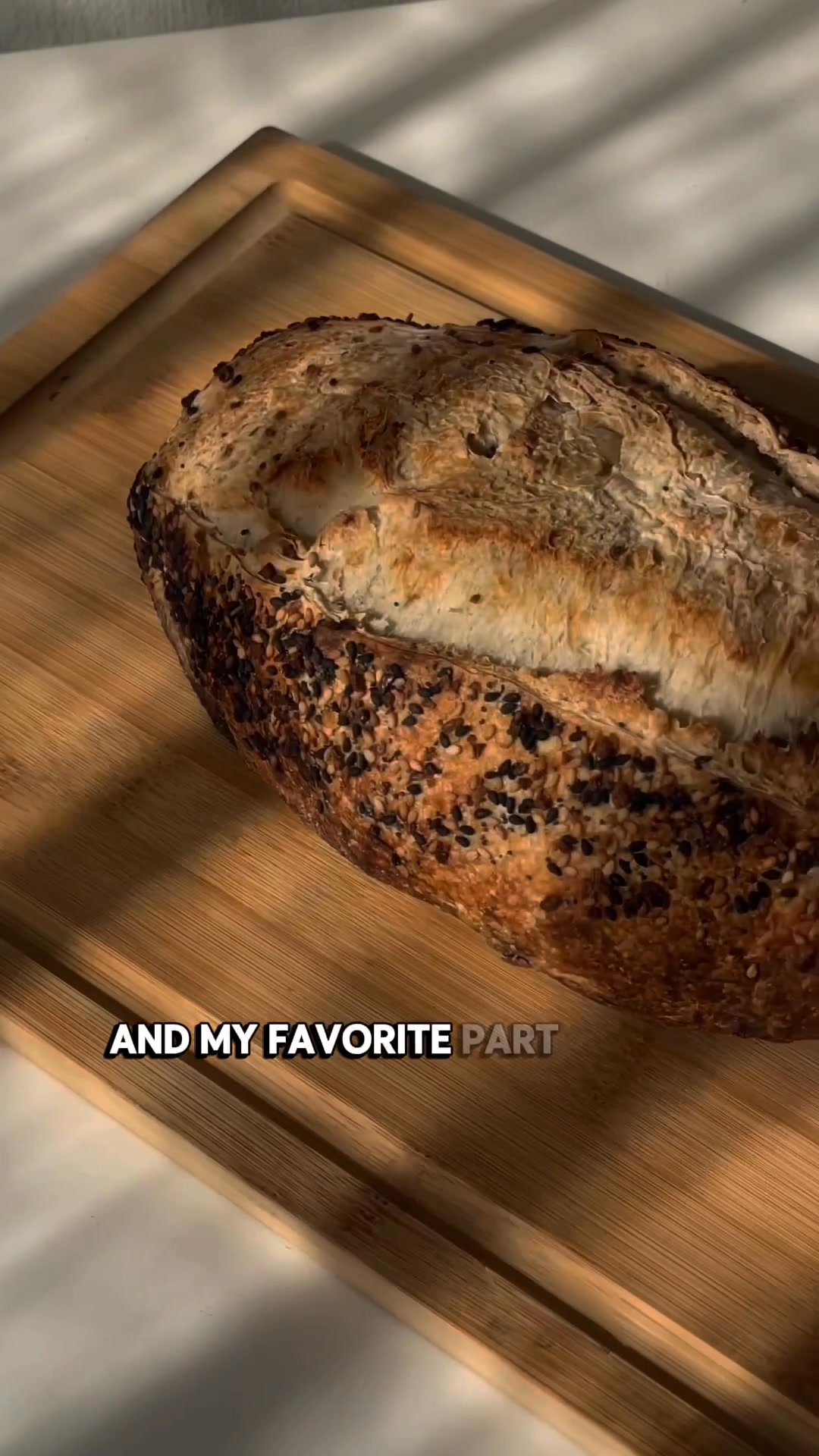
Wildgrain's talking head b-roll ad is a 36-second food & beverage video creative decoded by Heista into 7 structural beats with 20 total cuts. Wildgrain's full brand intelligence
PATTERNMAP™
Loading PatternMap...
Ad Blueprint
Talking Head B-Roll
CategoryFood Beverage
AngleOffer Urgency
NarrativeBenefit First
IntentDiscovery Education Driver
Hook Type
Unexpected Fact Start
4.8sDuration
4Shots
1.3sAvg Shot
Energy
Cut Points
1.2s2.2s4.2s
Psychology
Loss Aversion
Behavioral ApproachPeer Recommend
Avoidance Trigger
Risk Priming
Negative Future Projection
Fear Of Loss
Scarcity Cue
Every winning ad has a formula. Heista decodes it in seconds.
Wildgrain Ad Decoded — Unexpected Fact Start Hook Analysis (36s)
Wildgrain's talking head b-roll ad is a 36-second food & beverage creative decoded by Heista into 7 structural beats. It opens with a Unexpected Fact Start hook — This leverages Unexpected Fact Start: the first line creates cognitive dissonance by contradicting the assumed rule that bread is “bad.” That dissonance is reinforced by Confirmation Demand—“If you're still…” positions the viewer as someone whose current behavior will be judged and corrected—so they keep watching to resolve whether they’re the “you” being called out. The psychological mission is Loss Aversion: The viewer feels urgency to stop buying grocery bread because it’s framed as harming digestion and blood sugar, and is pushed toward trying the frozen-to-bake sourdough to avoid that negative outcome. The ad has 20 cuts at an average of 1.9s per cut, with an average beat duration of 5.1s.
Key Takeaways
- Opens with a Unexpected Fact Start hook
- Activates Loss Aversion psychology
- Part of Wildgrain's full ad strategy
- 20 cuts, averaging 1.9s per cut
Overview
Unexpected Fact Start Hook
This leverages Unexpected Fact Start: the first line creates cognitive dissonance by contradicting the assumed rule that bread is “bad.” That dissonance is reinforced by Confirmation Demand—“If you're still…” positions the viewer as someone whose current behavior will be judged and corrected—so they keep watching to resolve whether they’re the “you” being called out. Unexpected Fact Start hook deep-dive
Beat-by-Beat Breakdown
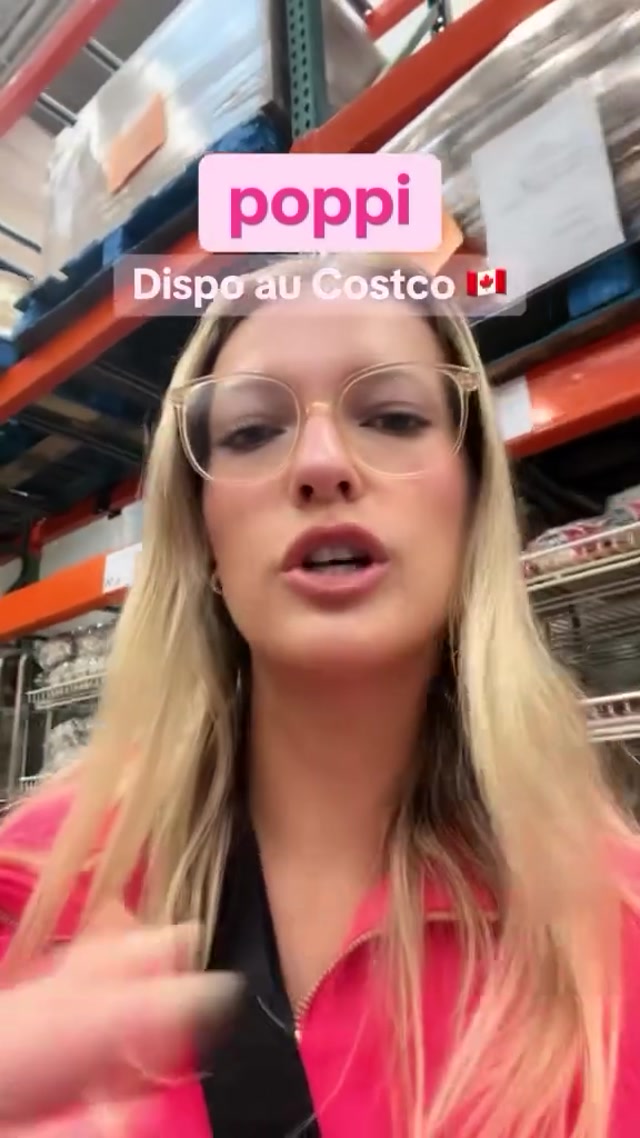
Beat 2 (0:00-0:04) — Unexpected Fact Start: It opens with a counterintuitive claim—“bread can actually be good for you?”—that breaks the viewer’s default food beliefs. It then immediately narrows attention with a targeted implication: “If you're still eating grocery store bread, you need to hear this.”
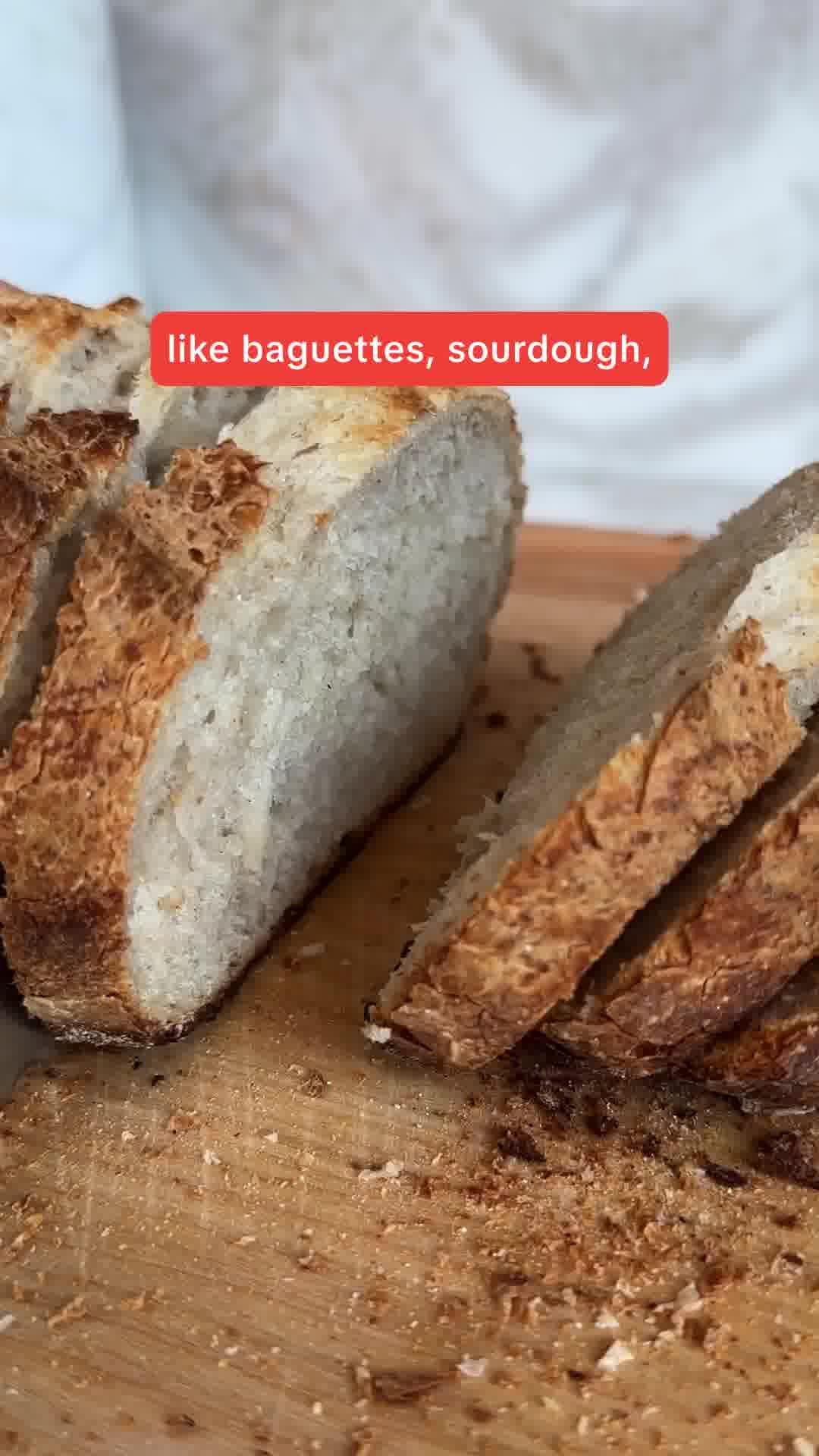
Beat 3 (0:04-0:09) — Hidden Problem: It reveals the hidden ingredient motive behind the product: “Most of it is made with added sugar and preservatives to keep it shelf stable.” This reframes what the viewer thought was just food/preservation as a manufactured tradeoff driven by “shelf stable,” not freshness.
Beat 4 (0:09-0:20) — Feature Cascade: The beat runs a rapid-fire Feature Cascade of health-related claims for real sourdough: “just flour, water, and salt,” then “slow fermentation process,” then “easier digestion,” “fewer blood sugar spikes,” and “prebiotics… support gut health.” In this moment, it stacks multiple benefits back-to-back so the viewer’s brain receives “sourdough = multiple health wins” as a dense bundle rather than one isolated point.
Beat 5 (0:20-0:27) — Risk Reversal: The speaker validates the product by emphasizing a convenience-based risk-reversal: “you just bake it from frozen.” This frames the usual concern (“I can’t/it’ll be hard”) as unnecessary by positioning the easier method as the default.
Beat 6 (0:27-0:33) — Cost/Benefit Reframe: It reframes sourdough purchase as a stacked value proposition: “bakery-quality sourdough right from your oven” paired with “all of the nutritional benefits” vs “grocery store bread just doesn’t have,” then adds an extra payoff with “it just tastes better.”
Beat 7 (0:33-0:35) — Perspective Flip: It uses a post-try commitment claim: “Once you try it, you’ll never go back.” This flips the viewer’s default assumption that they’ll test and then compare options, into the belief that the experience will permanently change their choice.
Beat 8 (0:35-0:35) — Retention Hook: The close uses an absolute “never go back” promise: “Once you try it, you'll never go back.” This positions the viewer’s next mental step as an irreversible transformation, right at the end of the video.
Behavioral Psychology
This ad activates Loss Aversion as its primary behavioral mission. The viewer feels urgency to stop buying grocery bread because it’s framed as harming digestion and blood sugar, and is pushed toward trying the frozen-to-bake sourdough to avoid that negative outcome. Loss Aversion behavioral mission
Structural Fingerprint
Duration: 36 seconds. Beat count: 7. Total cuts: 20. Average beat duration: 5.1s. Average cut duration: 1.9s. Average visual energy: 7.1/10.
Frequently Asked Questions
Why does this Wildgrain ad work? This Wildgrain talking head b-roll ad opens with a Unexpected Fact Start hook that captures attention in the first 3 seconds. The psychological architecture activates Loss Aversion across 7 structural beats, each contributing a specific persuasion mechanism.
What hook does Wildgrain use in this ad? Wildgrain opens with a Unexpected Fact Start hook. This leverages Unexpected Fact Start: the first line creates cognitive dissonance by contradicting the assumed rule that bread is “bad.” That dissonance is reinforced by Confirmation Demand—“If you're still…” positions the viewer as someone whose current behavior will be judged and corrected—so they keep watching to resolve whether they’re the “you” being called out.
What psychology does this Wildgrain ad activate? This ad activates Loss Aversion as its primary behavioral mission. The viewer feels urgency to stop buying grocery bread because it’s framed as harming digestion and blood sugar, and is pushed toward trying the frozen-to-bake sourdough to avoid that negative outcome.
How long is this Wildgrain ad and what's the structure? This ad runs 36 seconds with 7 structural beats and 20 cuts. Average cut duration is 1.9s. The pattern flow follows a full format structure common in talking head b-roll ads.
What platform is this Wildgrain ad running on? This talking head b-roll ad is running on facebook. The food & beverage vertical typically sees strong performance on this platform for talking head b-roll creative structures.
What makes this different from other food & beverage ads? Most food & beverage ads lean on generic format templates. Wildgrain's version uses a distinct Unexpected Fact Start hook structure paired with Loss Aversion — a combination that over-indexes in high-performing food & beverage creative.