Waterdrop's voiceover b-roll ad is a 80-second food & beverage video creative decoded by Heista into 7 structural beats with 47 total cuts. Waterdrop's full brand intelligence
PATTERNMAP™
Loading PatternMap...
Ad Blueprint
Voiceover B-Roll
CategoryFood Beverage
AngleProblem Solution
NarrativeProduct First
IntentCTA Optimized Conversion
Hook Type
Direct Question Hook
10.5sDuration
9Shots
1.3sAvg Shot
Energy
Cut Points
1.3s2.3s3.8s4.5s5.8s6.8s9.3s10.0s
Psychology
Closure Delivery
Behavioral ApproachSell Product Direct
Resolution Statement
Final Insight
Synthesis Delivery
Narrative Closure
Every winning ad has a formula. Heista decodes it in seconds.
Waterdrop Ad Decoded — Direct Question Hook Analysis (80s)
Waterdrop's voiceover b-roll ad is a 80-second food & beverage creative decoded by Heista into 7 structural beats. It opens with a Direct Question hook — This leverages Direct Question Hook—by asking for a yes/no evaluation (“Is this the perfect drink…?”), it creates an immediate target for attention and makes the viewer want to resolve the uncertainty. It also uses Specificity Bias: the question specifies the exact outcome (“more water and fewer fizzy drinks at work”), so the viewer can quickly check relevance and stay engaged to see if the claim holds. The psychological mission is Closure Delivery: The viewer feels the question of what Waterdrop is and why it works is fully answered, leaving them confident and ready to act without lingering uncertainty. The ad has 47 cuts at an average of 2.3s per cut, with an average beat duration of 11.5s.
Key Takeaways
- Opens with a Direct Question hook
- Activates Closure Delivery psychology
- Part of Waterdrop's full ad strategy
- 47 cuts, averaging 2.3s per cut
Overview
Direct Question Hook
This leverages Direct Question Hook—by asking for a yes/no evaluation (“Is this the perfect drink…?”), it creates an immediate target for attention and makes the viewer want to resolve the uncertainty. It also uses Specificity Bias: the question specifies the exact outcome (“more water and fewer fizzy drinks at work”), so the viewer can quickly check relevance and stay engaged to see if the claim holds. Direct Question hook deep-dive
Beat-by-Beat Breakdown
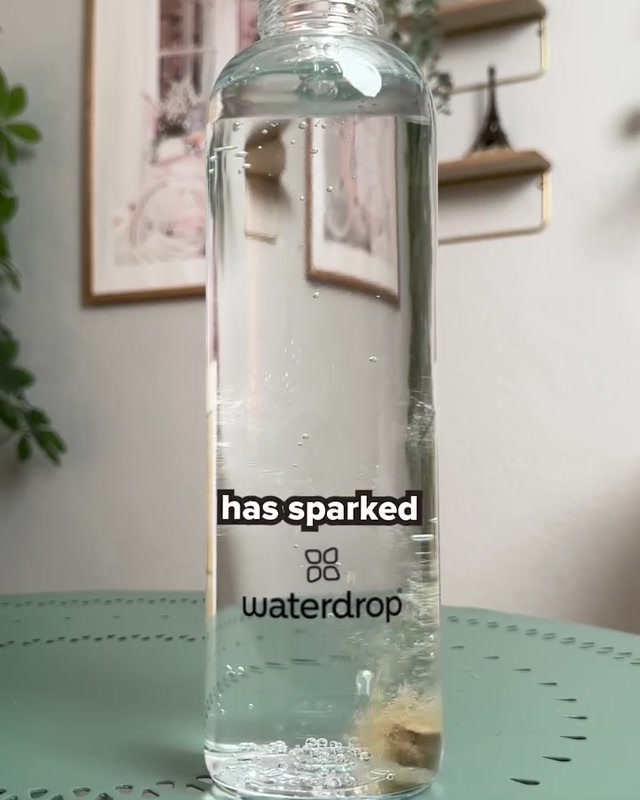
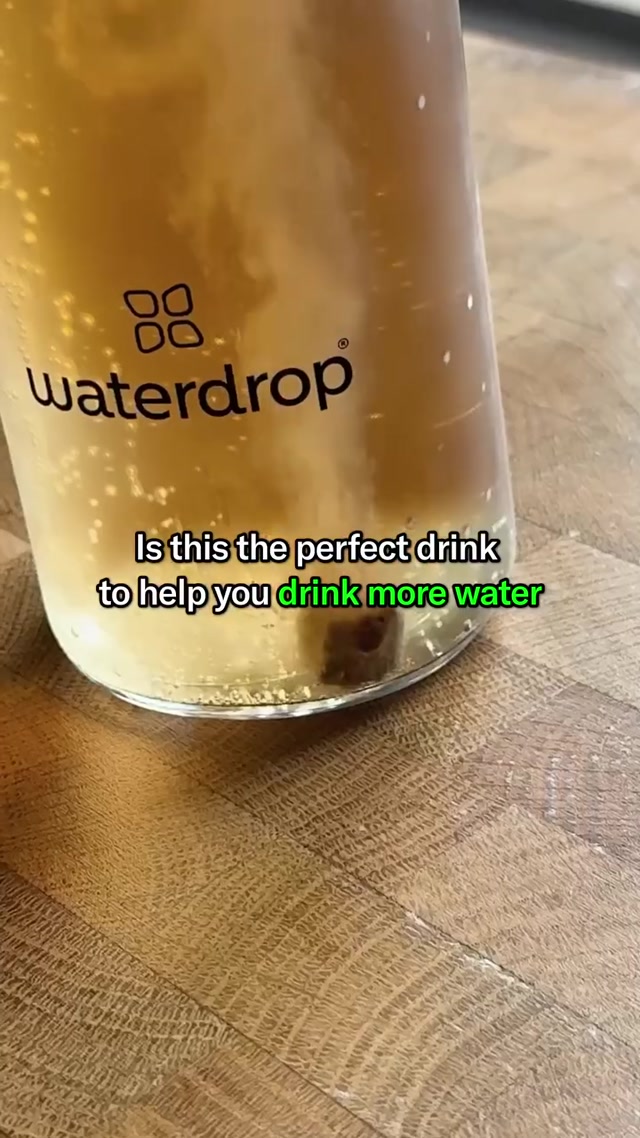
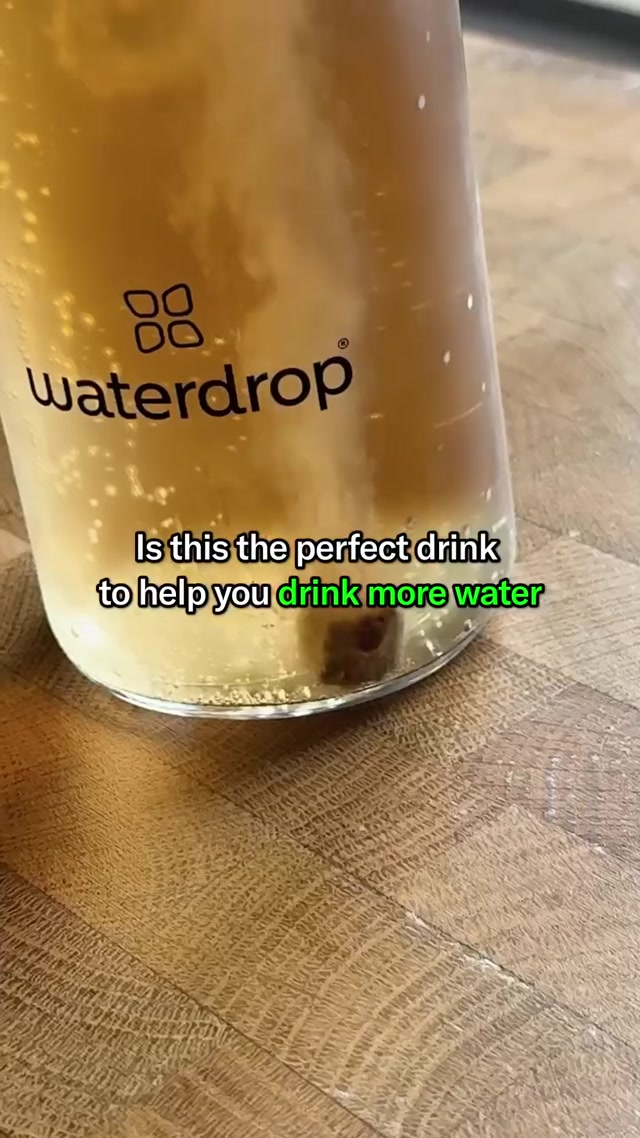
Beat 2 (0:00-0:10) — Direct Question Hook: It opens with a direct, answerable question that frames the viewer’s decision: “Is this the perfect drink to help you drink more water and fewer fizzy drinks at work?” This immediately positions the rest of the video as the solution to that specific choice, keeping the viewer mentally in “evaluate the answer” mode.
Beat 3 (0:10-0:26) — Topic Definition: It defines the video’s topic and intent by naming the brand and setting up the central question: “But what exactly is Waterdrop anyway?” It then frames the core idea in plain terms: “Make water so tasty that you automatically drink more of it.”
Beat 4 (0:26-0:52) — Feature Cascade: It runs a rapid-fire Feature Cascade of the product’s specs and variants: “micro-drinks—little cubes with fruit and plant extracts and vitamins. No sugar, no artificial preservatives, calorie-free, and only 66 pence per cube… many different flavours: delicious iced teas… micro-energy with caffeine… micro-light with electrolytes… fruity classics like grapefruit or blackberry.” This floods the viewer with concrete attributes and options in one breath, so their brain can quickly map the product to multiple needs (taste, ingredients, diet constraints, price, and effects).
Beat 5 (0:52-1:06) — Do & Don't: It contrasts a healthy alternative with an unhealthy default: “Dissolve in tap water and enjoy… Anytime, anywhere” versus “no reason to reach for unhealthy sugary soft drinks or energy drinks at work.” It’s telling the viewer what to do (carry/use the practical option) and what to stop doing (choose sugary/energy drinks at work).
Beat 6 (1:06-1:12) — User Count: It cites a large customer base as proof: “According to more than 5 million happy customers.” Then it adds an emotional endorsement (“Oh, wow… I’m absolutely blown away. This thing is so good.”) to reinforce that the claim is trustworthy in the viewer’s mind right now.
Beat 7 (1:12-1:16) — The Easy Way: It offers a simpler “starter sets” option—“Waterdrop offers starter sets with a bottle and a selection of the most popular flavours”—and frames it as the low-effort choice for a specific context: “Perfect for the workplace.”
Beat 8 (1:16-1:20) — Direct CTA: It issues a direct click-and-enjoy instruction: “ready to try it yourself? Then click the link and enjoy.” This turns the viewer from passive consumption into an immediate action step (click now), with the payoff framed as enjoyment.
Behavioral Psychology
This ad activates Closure Delivery as its primary behavioral mission. The viewer feels the question of what Waterdrop is and why it works is fully answered, leaving them confident and ready to act without lingering uncertainty. Closure Delivery behavioral mission
Structural Fingerprint
Duration: 80 seconds. Beat count: 7. Total cuts: 47. Average beat duration: 11.5s. Average cut duration: 2.3s. Average visual energy: 6.6/10.
Frequently Asked Questions
Why does this Waterdrop ad work? This Waterdrop voiceover b-roll ad opens with a Direct Question hook that captures attention in the first 3 seconds. The psychological architecture activates Closure Delivery across 7 structural beats, each contributing a specific persuasion mechanism.
What hook does Waterdrop use in this ad? Waterdrop opens with a Direct Question hook. This leverages Direct Question Hook—by asking for a yes/no evaluation (“Is this the perfect drink…?”), it creates an immediate target for attention and makes the viewer want to resolve the uncertainty. It also uses Specificity Bias: the question specifies the exact outcome (“more water and fewer fizzy drinks at work”), so the viewer can quickly check relevance and stay engaged to see if the claim holds.
What psychology does this Waterdrop ad activate? This ad activates Closure Delivery as its primary behavioral mission. The viewer feels the question of what Waterdrop is and why it works is fully answered, leaving them confident and ready to act without lingering uncertainty.
How long is this Waterdrop ad and what's the structure? This ad runs 80 seconds with 7 structural beats and 47 cuts. Average cut duration is 2.3s. The pattern flow follows a full format structure common in voiceover b-roll ads.
What platform is this Waterdrop ad running on? This voiceover b-roll ad is running on facebook. The food & beverage vertical typically sees strong performance on this platform for voiceover b-roll creative structures.
What makes this different from other food & beverage ads? Most food & beverage ads lean on generic format templates. Waterdrop's version uses a distinct Direct Question hook structure paired with Closure Delivery — a combination that over-indexes in high-performing food & beverage creative.