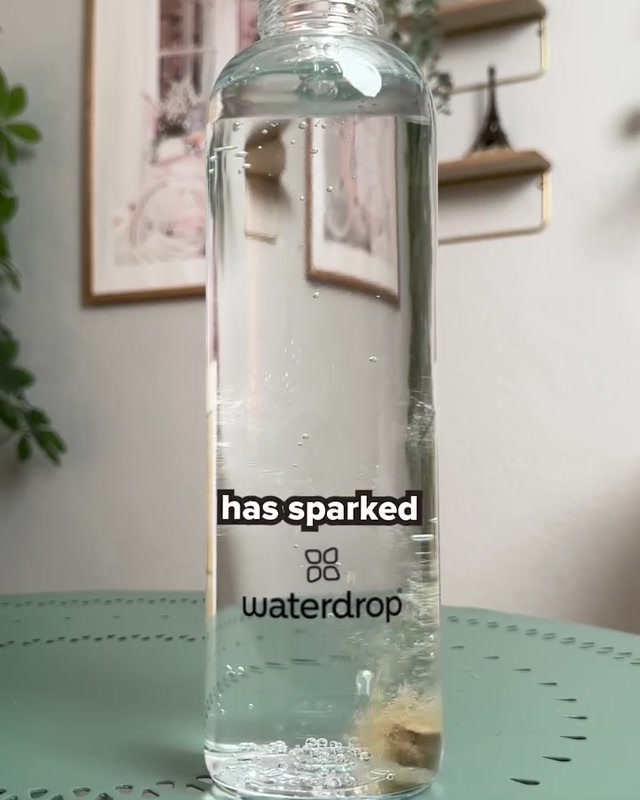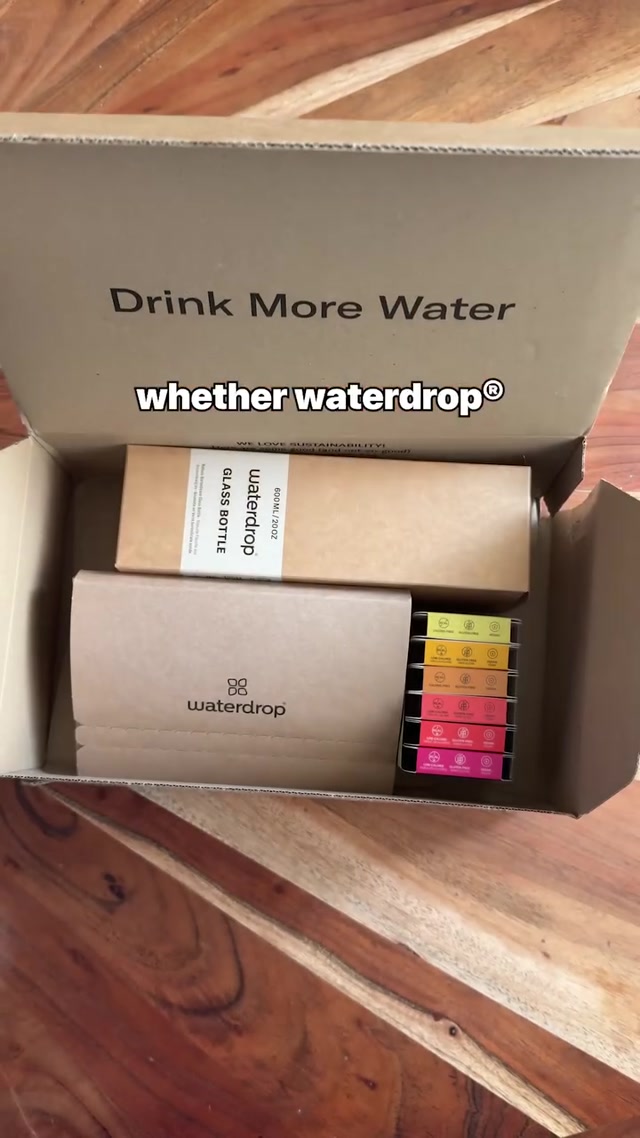
Waterdrop's talking head product ad is a 74-second food & beverage video creative decoded by Heista into 6 structural beats with 0 total cuts. Waterdrop's full brand intelligence
PATTERNMAP™
Loading PatternMap...
Ad Blueprint
Talking Head Product
CategoryFood Beverage
AngleOffer Urgency
NarrativeProduct First
IntentCTA Optimized Conversion
Hook Type
Identity Hook
10.5sDuration
0Shots
—sAvg Shot
Psychology
Loss Aversion
Behavioral ApproachSell Product Direct
Negative Future Projection
Scarcity Cue
Fear Of Loss
Avoidance Trigger
Every winning ad has a formula. Heista decodes it in seconds.
Waterdrop Ad Decoded — Identity Hook Analysis (74s)
Waterdrop's talking head product ad is a 74-second food & beverage creative decoded by Heista into 6 structural beats. It opens with a Identity hook — This leverages Identity Hook by naming the viewer’s exact internal state (“skeptical” but “quite like to try it”), which increases self-relevance and reduces the need to mentally translate the message. It also uses Self-Referential Processing: once the line “made just for you” lands, the brain treats the next information as personally relevant, making it harder to disengage while the viewer checks whether the taster pack resolves their skepticism. The psychological mission is Loss Aversion: You feel a nudge to act now because the starter set may sell out, while the offer reduces the risk of wasting money by letting you sample many flavors first. The ad has 0 cuts at an average of 0s per cut, with an average beat duration of 12.3s.
Key Takeaways
Overview
Identity Hook
This leverages Identity Hook by naming the viewer’s exact internal state (“skeptical” but “quite like to try it”), which increases self-relevance and reduces the need to mentally translate the message. It also uses Self-Referential Processing: once the line “made just for you” lands, the brain treats the next information as personally relevant, making it harder to disengage while the viewer checks whether the taster pack resolves their skepticism. Identity hook deep-dive
Beat-by-Beat Breakdown
Beat 2 (0:00-0:10) — Identity Hook: It targets a specific viewer mindset—“Still skeptical whether Waterdrop will actually taste good” and “you’d quite like to try it”—then directly assigns them to a tailored solution: “Then this taster pack is made just for you.” This turns the viewer from a general audience member into the intended person who matches the exact situation, so they keep watching to see how the offer fits their concern.
Beat 3 (0:10-0:33) — Scene Setter: It sets the situational context by describing what the viewer will find “in the set” and quantifying it: “three cubes of each of the six most popular flavors… 18 cubes in total.” Then it further orients the viewer to the specific contents by listing the flavor categories and examples (“Two micro drinks… Two iced teas… And two micro energy flavors…”).
Beat 4 (0:33-0:52) — Cost/Benefit Reframe: It reframes the product as a cheaper, more flexible alternative to energy drinks by stacking value claims: “a thousand times better and tastier than energy drinks,” “try them all at your leisure,” “without having to buy multiple full-sized packs,” plus concrete pricing and yield: “One cube is enough for 400 to 600 ml of water and only costs 66 pence per cube.”
Beat 5 (0:52-1:03) — Track Record Proof: It stacks product-ingredient claims as a validation checklist: “sugar-free, calorie-free, without artificial preservatives, but with fruit and plant extracts, vitamins, and simply delicious.” This frames the product as meeting multiple “clean + healthy + tasty” criteria in one breath, so the viewer mentally ticks off reasons to trust it.
Beat 6 (1:03-1:09) — Cost/Benefit Shift: It reframes the decision from “just drink more water” to a cost/benefit tradeoff: “finally feel better and way more energized” is the payoff, while “the starter set is hot right now, so be quick… while you still can” adds urgency and the cost of waiting (missing out). In this moment, the viewer’s brain is pushed to evaluate the purchase as a time-sensitive route to immediate benefits, not a casual option.
Beat 7 (1:09-1:14) — Direct CTA: It issues a direct purchase instruction: “Click the link to order yours now.” It adds a friction-reducer in the same line: “with free delivery.”
Behavioral Psychology
This ad activates Loss Aversion as its primary behavioral mission. You feel a nudge to act now because the starter set may sell out, while the offer reduces the risk of wasting money by letting you sample many flavors first. Loss Aversion behavioral mission
Structural Fingerprint
Duration: 74 seconds. Beat count: 6. Total cuts: 0. Average beat duration: 12.3s. Average cut duration: 0s. Average visual energy: 0/10.
Frequently Asked Questions
Why does this Waterdrop ad work? This Waterdrop talking head product ad opens with a Identity hook that captures attention in the first 3 seconds. The psychological architecture activates Loss Aversion across 6 structural beats, each contributing a specific persuasion mechanism.
What hook does Waterdrop use in this ad? Waterdrop opens with a Identity hook. This leverages Identity Hook by naming the viewer’s exact internal state (“skeptical” but “quite like to try it”), which increases self-relevance and reduces the need to mentally translate the message. It also uses Self-Referential Processing: once the line “made just for you” lands, the brain treats the next information as personally relevant, making it harder to disengage while the viewer checks whether the taster pack resolves their skepticism.
What psychology does this Waterdrop ad activate? This ad activates Loss Aversion as its primary behavioral mission. You feel a nudge to act now because the starter set may sell out, while the offer reduces the risk of wasting money by letting you sample many flavors first.
How long is this Waterdrop ad and what's the structure? This ad runs 74 seconds with 6 structural beats and 0 cuts. Average cut duration is 0s. The pattern flow follows a full format structure common in talking head product ads.
What platform is this Waterdrop ad running on? This talking head product ad is running on facebook. The food & beverage vertical typically sees strong performance on this platform for talking head product creative structures.
What makes this different from other food & beverage ads? Most food & beverage ads lean on generic format templates. Waterdrop's version uses a distinct Identity hook structure paired with Loss Aversion — a combination that over-indexes in high-performing food & beverage creative.