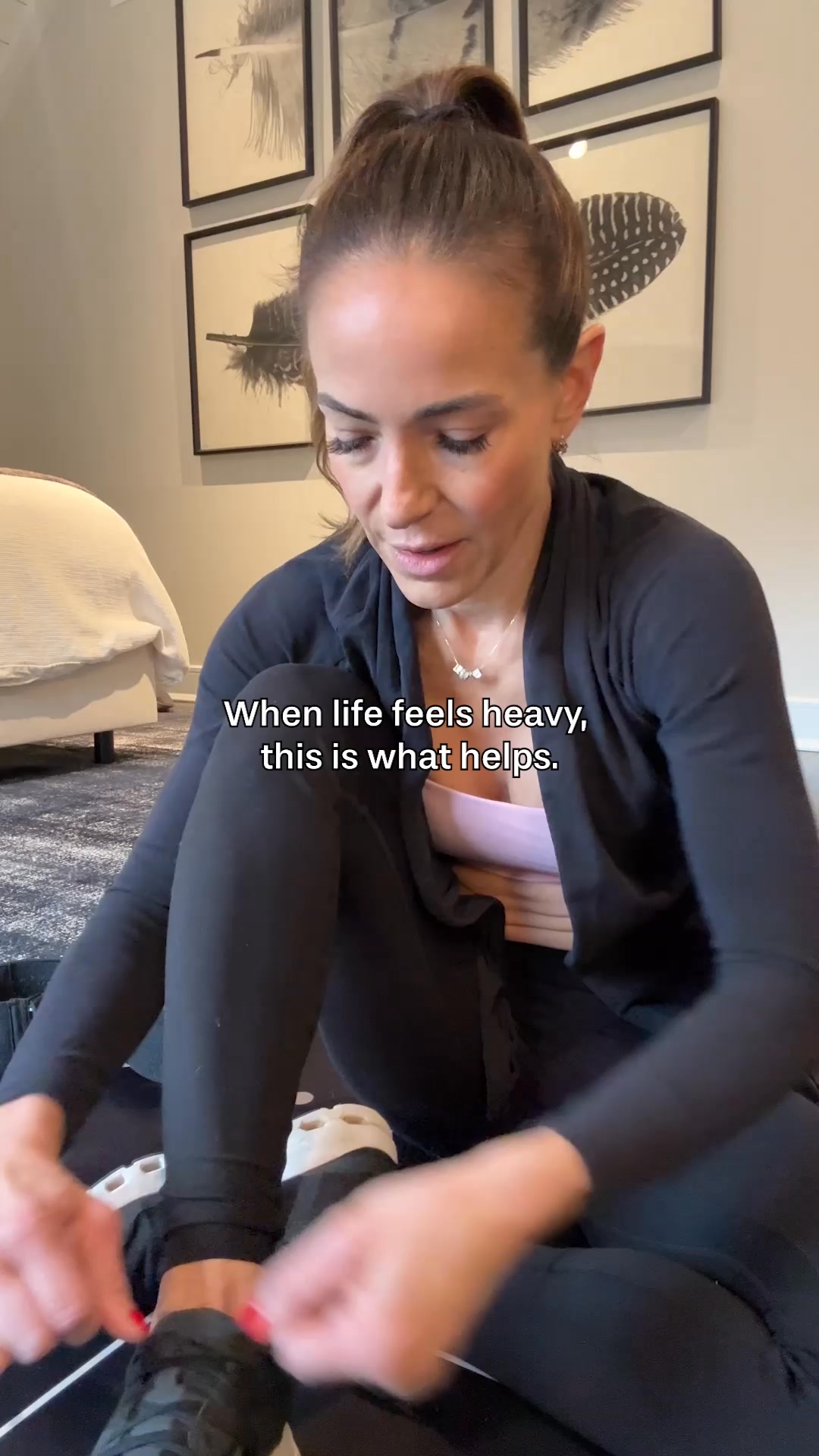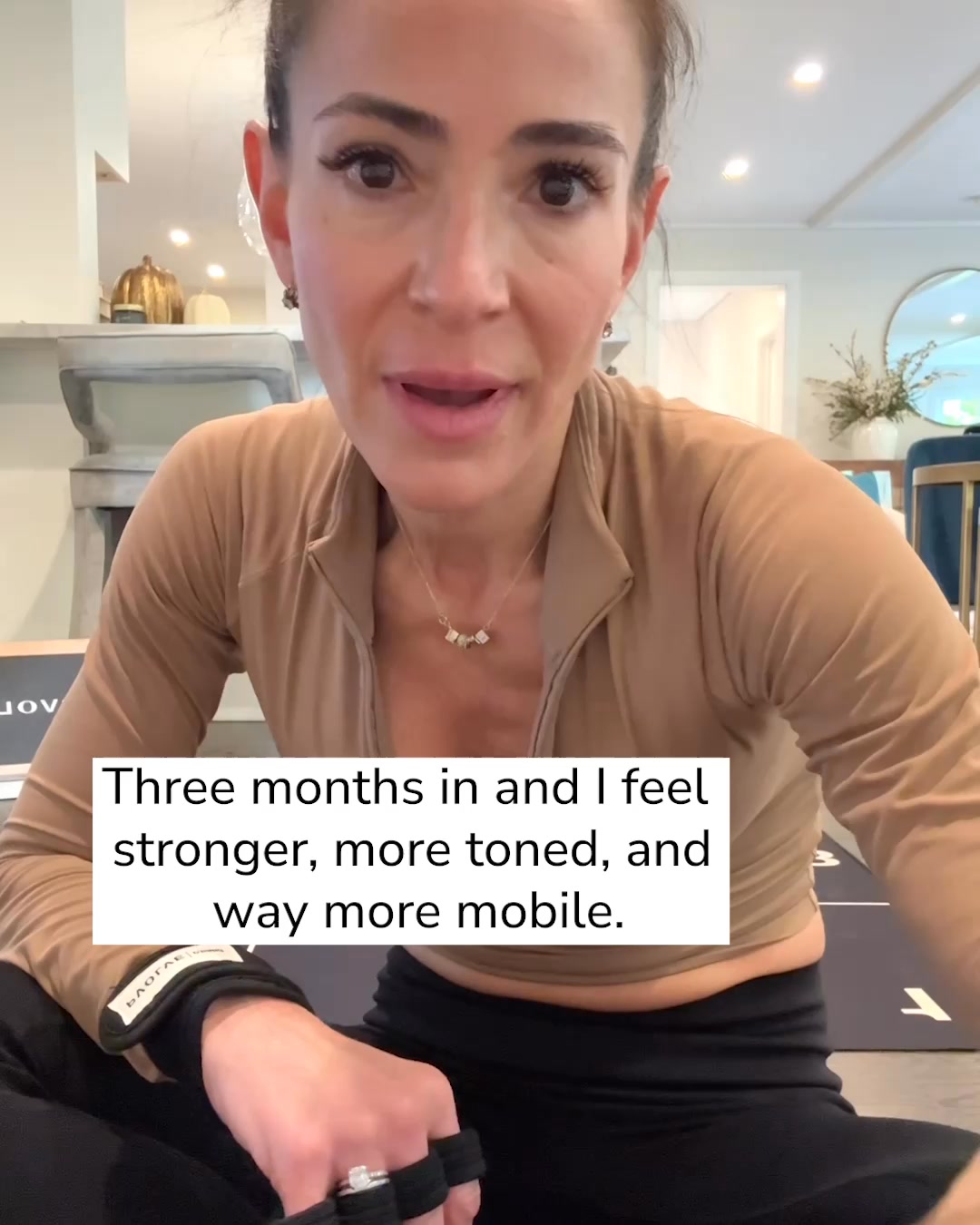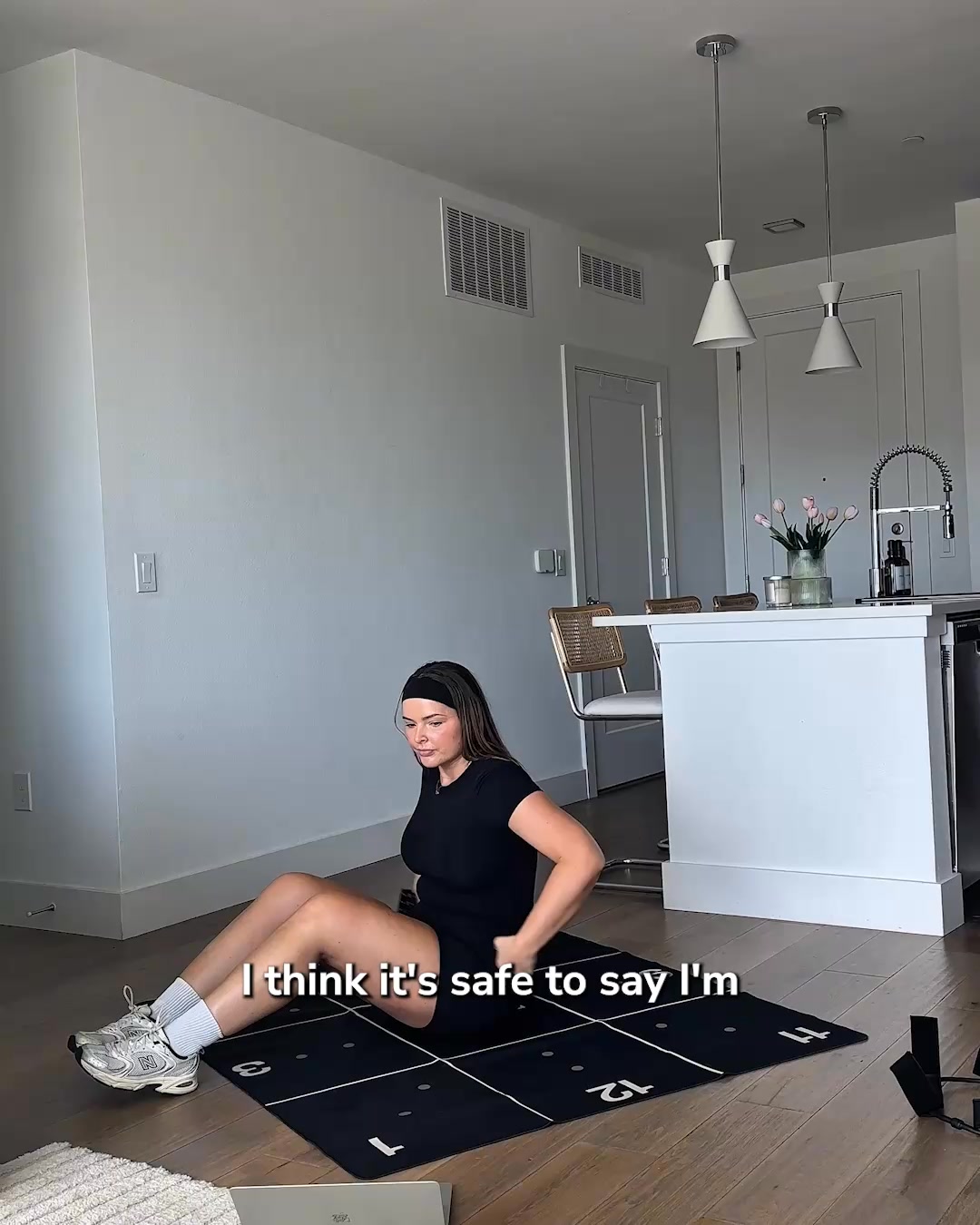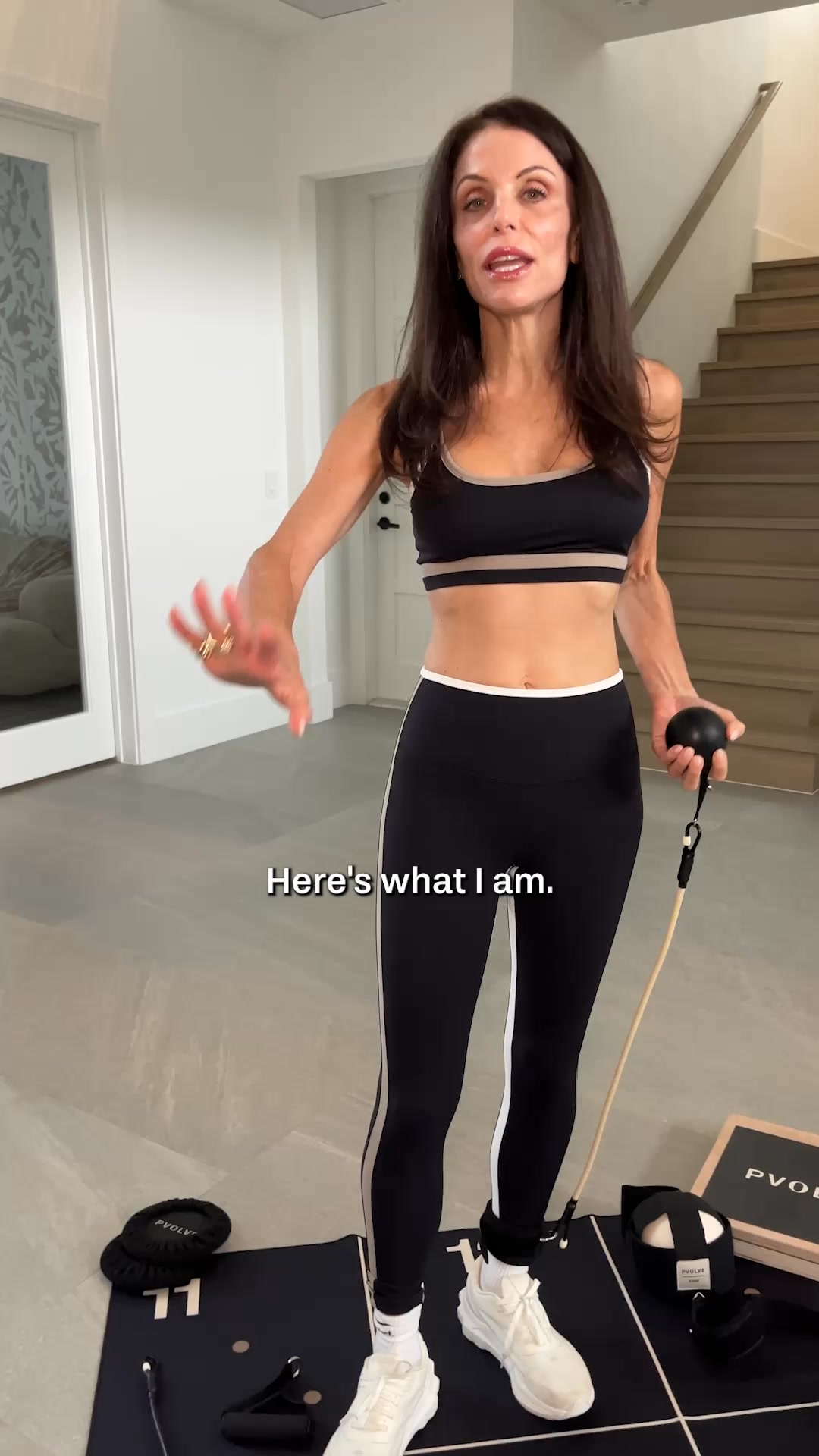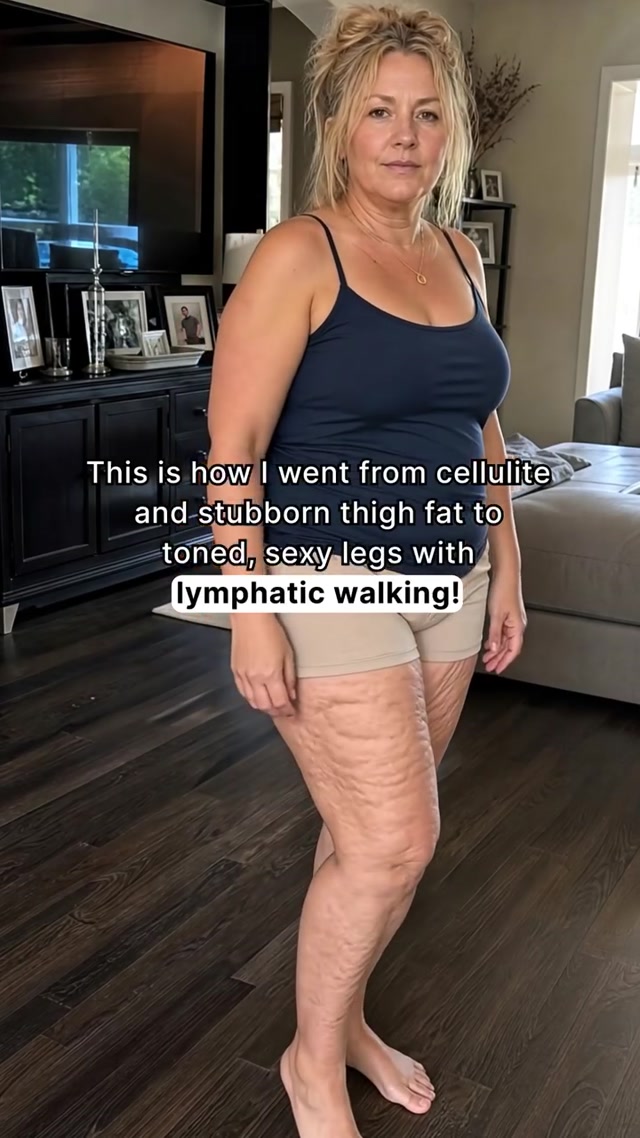
WalkFit Daily Walking Plan's talking head b-roll ad is a 68-second fitness video creative decoded by Heista into 7 structural beats with 17 total cuts. WalkFit Daily Walking Plan's full brand intelligence · Fitness ad hooks
PATTERNMAP™
Loading PatternMap...
Ad Blueprint
Talking Head B-Roll
CategoryFitness
AngleProblem Solution
NarrativeUGC Trust Demo
IntentTransformation Arc Engine
Hook Type
Contrast Setup
10.2sDuration
4Shots
3.0sAvg Shot
Energy
Cut Points
0.5s4.6s8.0s
Psychology
Loss Aversion
Behavioral ApproachPeer Recommend
Negative Future Projection
Risk Priming
Avoidance Trigger
Fear Of Loss
Every winning ad has a formula. Heista decodes it in seconds.
WalkFit Daily Walking Plan Ad Decoded — Contrast Setup Hook Analysis (68s)
WalkFit Daily Walking Plan's talking head b-roll ad is a 68-second fitness creative decoded by Heista into 7 structural beats. It opens with a Contrast Setup hook — This leverages Contrast Setup by presenting two competing states (11,000 steps vs lymphatic walking) so the viewer’s attention locks onto the implied “which one matters?” question. The side-by-side structure activates Specificity Bias: “11,000 steps” and “lymphatic walking” are concrete enough that the brain treats the coming explanation as actionable and compares them rather than passively absorbing advice. The psychological mission is Loss Aversion: The viewer feels urgency and motivation to act by fearing the downside of sticking with ineffective steps while gaining reassurance that persistence will deliver visible weight and shape results. The ad has 17 cuts at an average of 4.6s per cut, with an average beat duration of 9.7s.
Key Takeaways
Overview
Contrast Setup Hook
This leverages Contrast Setup by presenting two competing states (11,000 steps vs lymphatic walking) so the viewer’s attention locks onto the implied “which one matters?” question. The side-by-side structure activates Specificity Bias: “11,000 steps” and “lymphatic walking” are concrete enough that the brain treats the coming explanation as actionable and compares them rather than passively absorbing advice. Contrast Setup hook deep-dive
Beat-by-Beat Breakdown
Beat 2 (0:00-0:10) — Contrast Setup: It sets up a direct comparison between two bodily outcomes: “This is what 11,000 steps a day does to your body. This is what lymphatic walking does instead.” The phrase “instead” immediately frames the second option as the better alternative and primes the viewer to keep watching to learn the difference.
Beat 3 (0:10-0:26) — Goal Context: The speaker sets a concrete transformation target: “Stick to our lymphatic walking program for 4 weeks, and by September you won’t believe how much your body can change,” then immediately anchors the purpose to a specific outcome: “If I want a belly like this, and arms like this, what should I do?” This converts the viewer from passive watching into pursuing an end state with a named timeframe and visual result.
Beat 4 (0:26-0:38) — Step-by-Step: It lays out a simple execution schedule: “Try lymphatic walking, 5 exercises, 2 minutes each.” then adds the time-to-result prescription: “Give it 4 weeks, and by September, you’ll be proud of your body.” This turns the advice into an ordered routine the viewer can follow immediately.
Beat 5 (0:38-0:44) — Comment Prompt: It uses a playful, jealousy-framed intent line as a social hook: “Starting lymphatic walking today…” immediately lands on the motive “Gotta make her father jealous.”
Beat 6 (0:44-0:55) — Dissonance Spark: The beat highlights a contradiction between internal progress and external evidence — “I feel better and more energized, but there are no visible changes.” It then escalates the contradiction into proof-like social confirmation: “Two weeks later, 3 different people have asked if I've lost weight.”
Beat 7 (0:55-1:04) — Before/After Proof: The beat uses a before/after contrast to validate the method: “Four weeks later, same woman, but lighter.” This swaps the initial state for a new, improved state while keeping identity constant, so the change feels attributable to the process, not to a different person.
Beat 8 (1:04-1:08) — Hopeless → Opportunity: It uses a regret statement (“I wish I’d started 10 years ago.”) to pivot the emotional frame from past loss to future possibility—turning “I missed my window” into “I still can start now.” In this moment, the viewer’s brain converts a painful counterfactual into a motivation target: the next 10 years can be different if they begin immediately.
Behavioral Psychology
This ad activates Loss Aversion as its primary behavioral mission. The viewer feels urgency and motivation to act by fearing the downside of sticking with ineffective steps while gaining reassurance that persistence will deliver visible weight and shape results. Loss Aversion behavioral mission
Structural Fingerprint
Duration: 68 seconds. Beat count: 7. Total cuts: 17. Average beat duration: 9.7s. Average cut duration: 4.6s. Average visual energy: 3.1/10. Fitness ad formula reference
Frequently Asked Questions
Why does this WalkFit Daily Walking Plan ad work? This WalkFit Daily Walking Plan talking head b-roll ad opens with a Contrast Setup hook that captures attention in the first 3 seconds. The psychological architecture activates Loss Aversion across 7 structural beats, each contributing a specific persuasion mechanism.
What hook does WalkFit Daily Walking Plan use in this ad? WalkFit Daily Walking Plan opens with a Contrast Setup hook. This leverages Contrast Setup by presenting two competing states (11,000 steps vs lymphatic walking) so the viewer’s attention locks onto the implied “which one matters?” question. The side-by-side structure activates Specificity Bias: “11,000 steps” and “lymphatic walking” are concrete enough that the brain treats the coming explanation as actionable and compares them rather than passively absorbing advice.
What psychology does this WalkFit Daily Walking Plan ad activate? This ad activates Loss Aversion as its primary behavioral mission. The viewer feels urgency and motivation to act by fearing the downside of sticking with ineffective steps while gaining reassurance that persistence will deliver visible weight and shape results.
How long is this WalkFit Daily Walking Plan ad and what's the structure? This ad runs 68 seconds with 7 structural beats and 17 cuts. Average cut duration is 4.6s. The pattern flow follows a full format structure common in talking head b-roll ads.
What platform is this WalkFit Daily Walking Plan ad running on? This talking head b-roll ad is running on facebook. The fitness vertical typically sees strong performance on this platform for talking head b-roll creative structures.
What makes this different from other fitness ads? Most fitness ads lean on generic format templates. WalkFit Daily Walking Plan's version uses a distinct Contrast Setup hook structure paired with Loss Aversion — a combination that over-indexes in high-performing fitness creative.