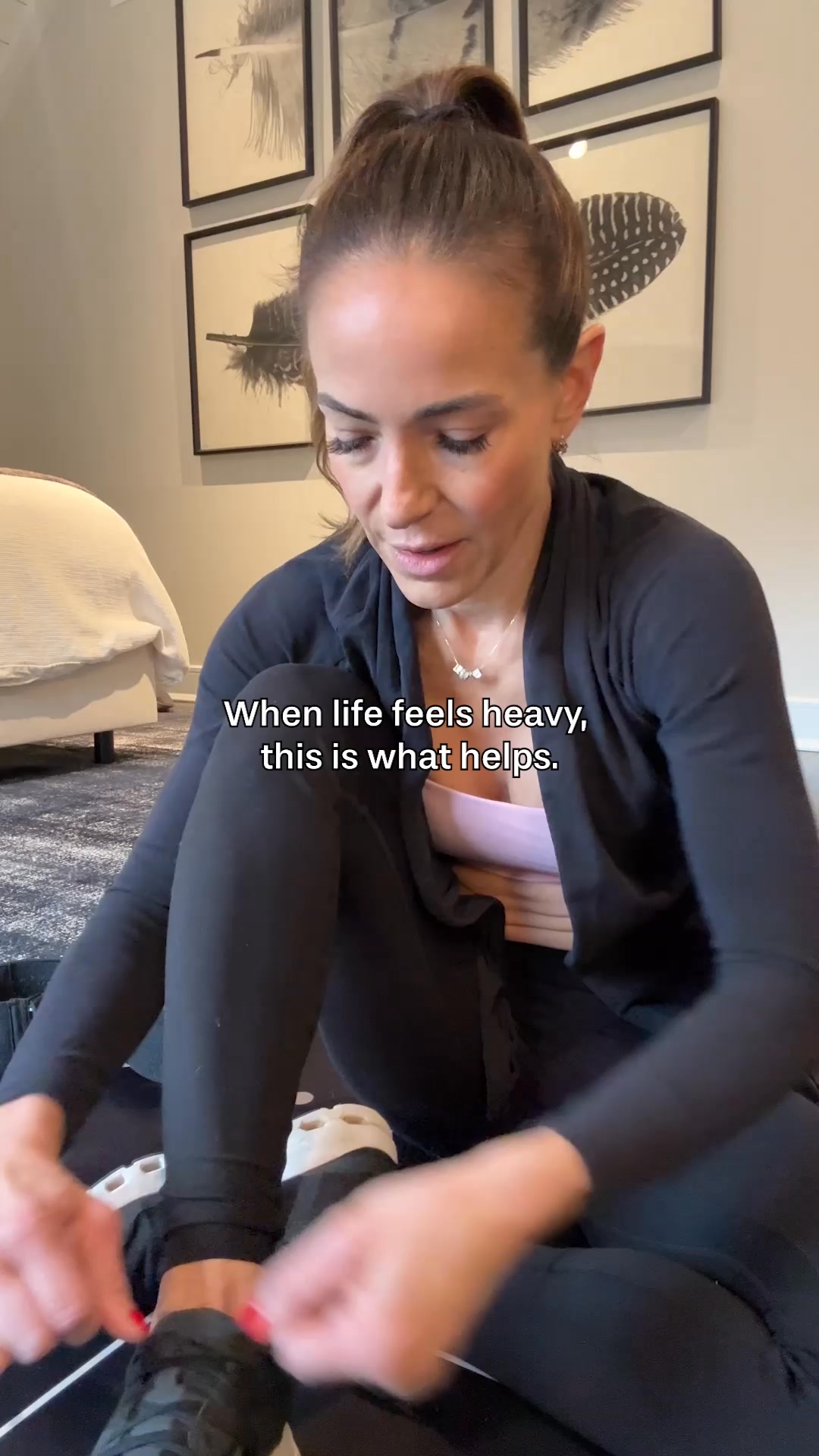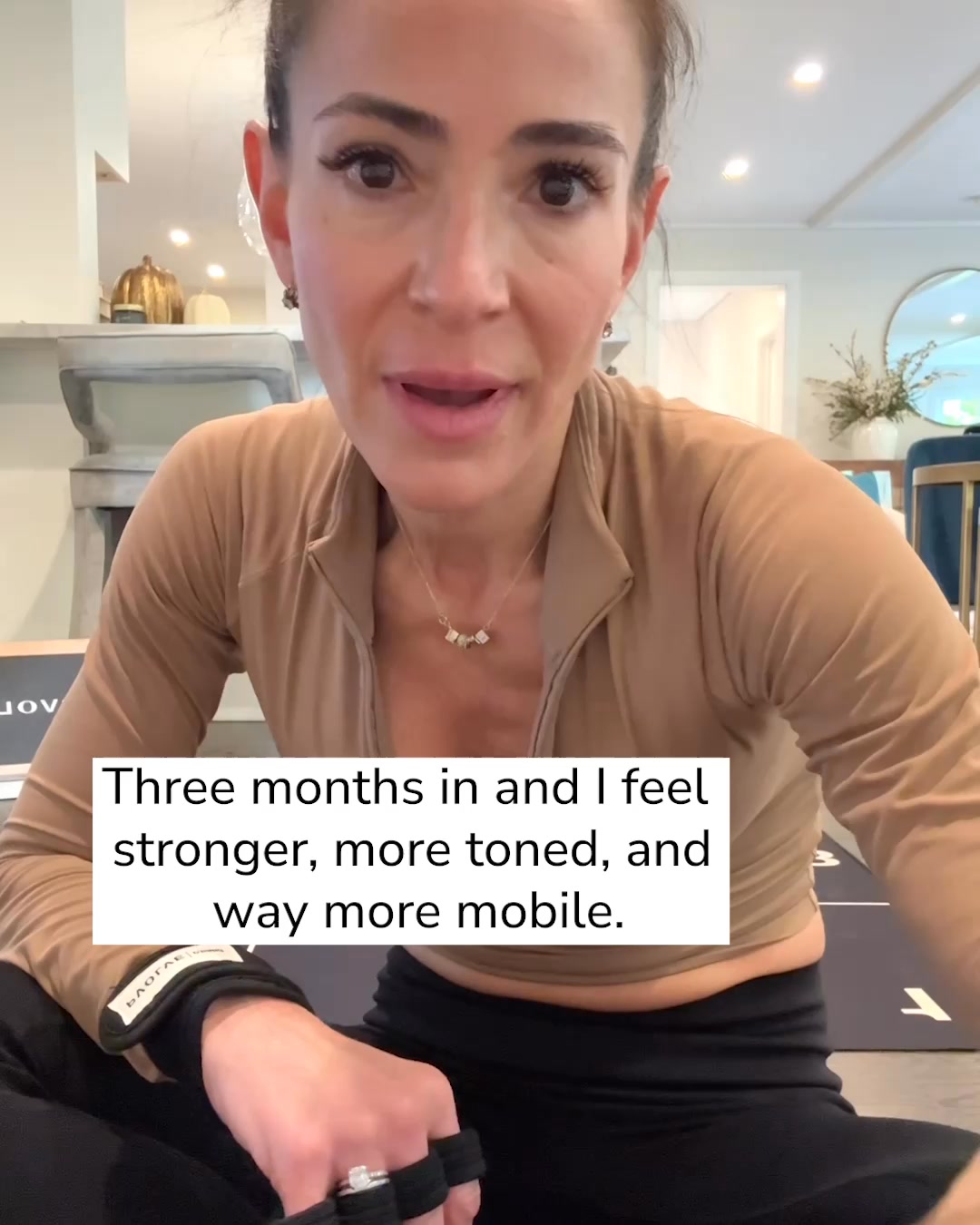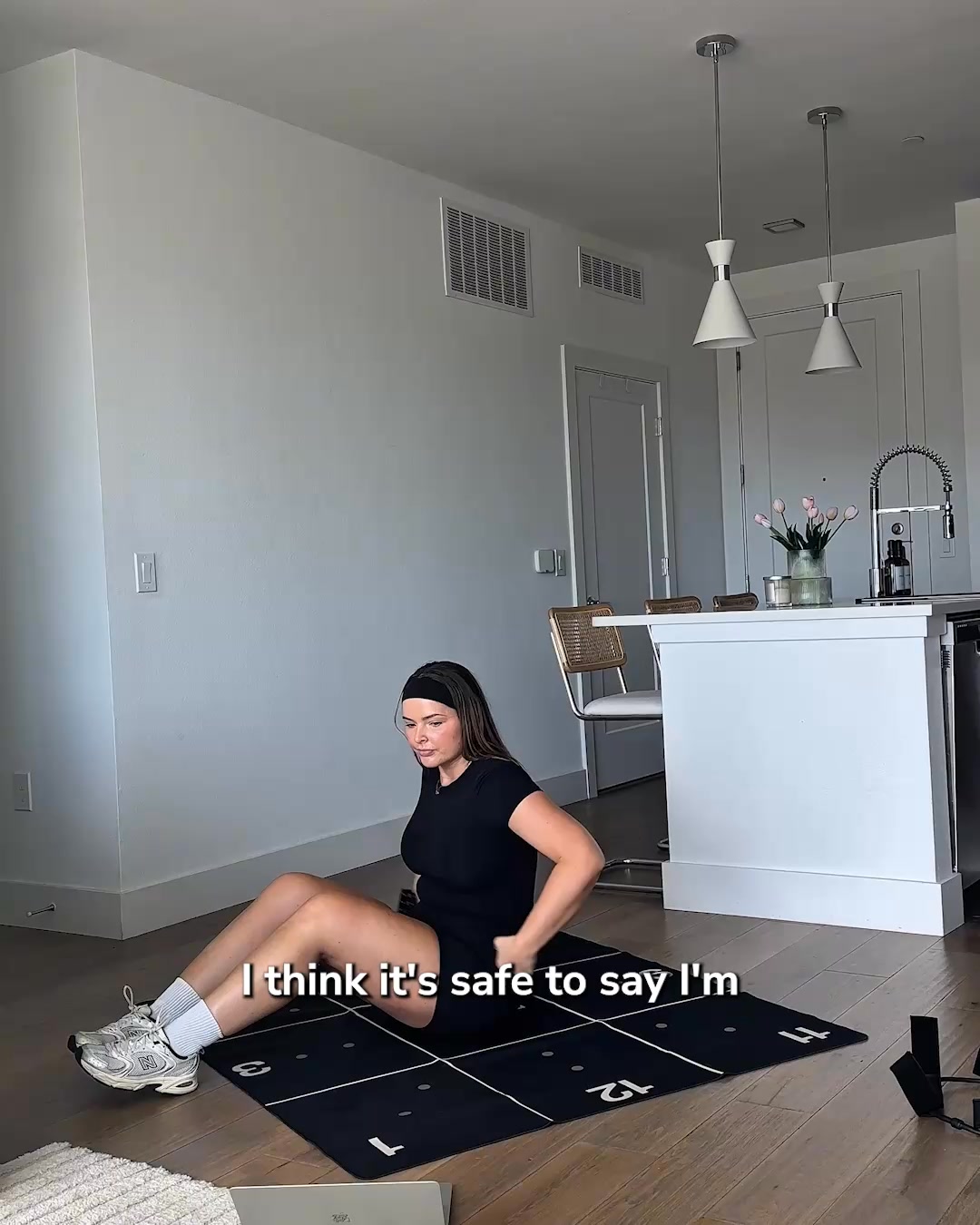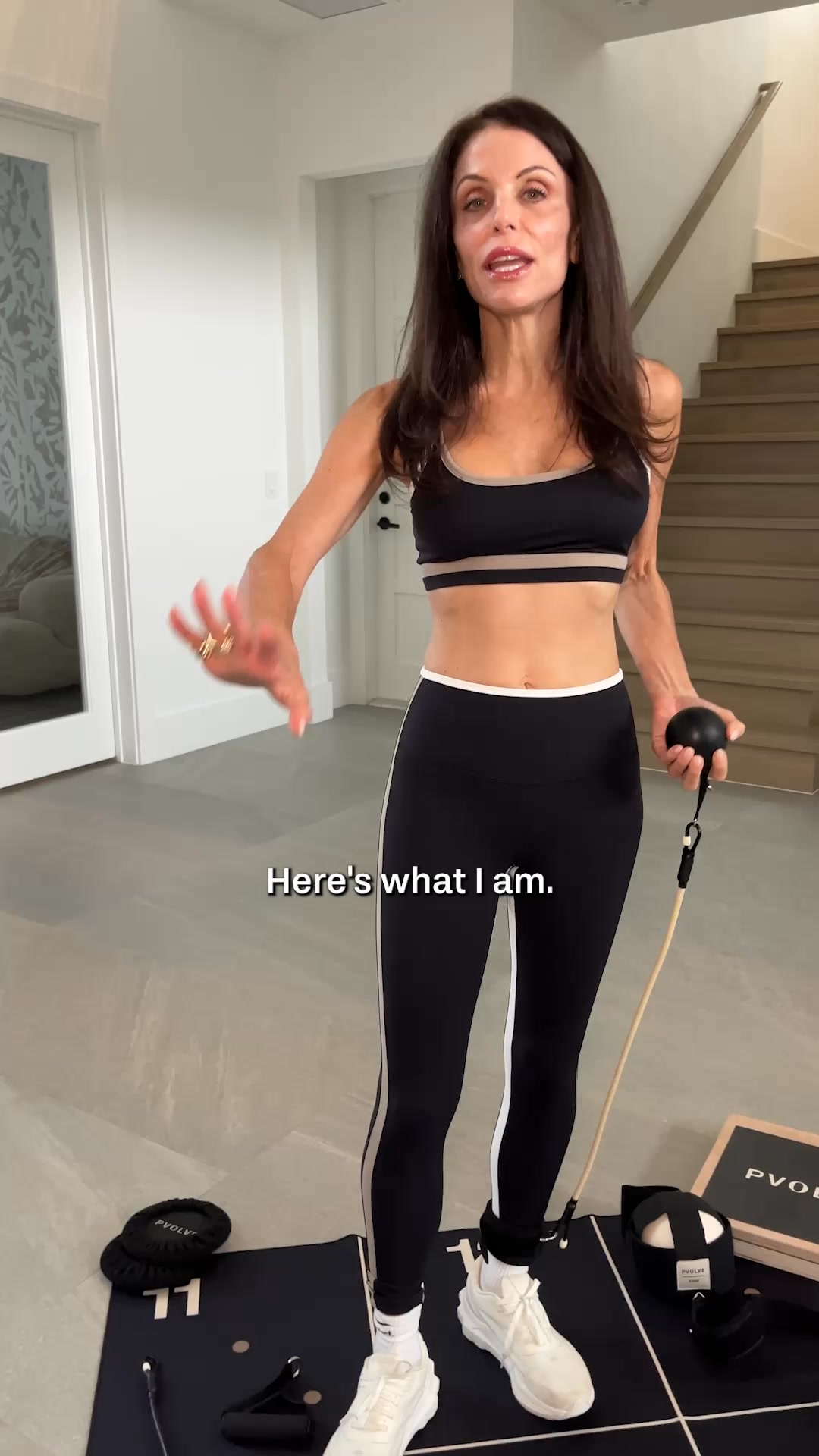
WalkFit Daily Walking Plan's slideshow statics ad is a 160-second fitness video creative decoded by Heista into 7 structural beats with 20 total cuts. WalkFit Daily Walking Plan's full brand intelligence · Fitness ad hooks
Facebook Ad
2:40
WalkFit Daily Walking Plan
Scaled: 1 DayHeisted: Aug 4, 2026
PATTERNMAP™
Loading PatternMap...
Ad Blueprint
Slideshow Statics
CategoryFitness
AngleHow To Tutorial
NarrativePain To Relief
IntentTransformation Arc Engine
Hook Type
Story Start
24.0sDuration
8Shots
3.1sAvg Shot
Energy
Cut Points
0.5s5.4s8.0s11.0s14.2s17.8s21.6s
Psychology
Loss Aversion
Behavioral ApproachSolve Your Problem
Negative Future Projection
Risk Priming
Avoidance Trigger
Fear Of Loss
Scarcity Cue
Every winning ad has a formula. Heista decodes it in seconds.
WalkFit Daily Walking Plan Ad Decoded — Story Start Hook Analysis (160s)
WalkFit Daily Walking Plan's slideshow statics ad is a 160-second fitness creative decoded by Heista into 7 structural beats. It opens with a Story Start hook — Questa scelta sfrutta **Narrative Transportation** e **Temporal Hook**: l’audience viene trascinata in un momento reale (età, sfida, giorno 1) e il riferimento al “Giorno 1” crea un trascinamento temporale, quindi il cervello cerca automaticamente l’aggancio successivo (“come va poi?”). In più usa **Self-referential Relevance**: quando dichiara “Giorno 1 non avevo… per anni,” trasforma la promessa in un prima/dopo personale, aumentando la probabilità che resti per vedere la reversibilità del problema. The psychological mission is Loss Aversion: Il viewer si sente spinto ad agire subito perché teme di perdere la propria costanza e i benefici, mentre la sfida di 28 giorni e la routine da 7 minuti lo rendono una scelta sicura da non rimandare. The ad has 20 cuts at an average of 15s per cut, with an average beat duration of 22.8s.
Key Takeaways
Overview
Story Start Hook
Questa scelta sfrutta **Narrative Transportation** e **Temporal Hook**: l’audience viene trascinata in un momento reale (età, sfida, giorno 1) e il riferimento al “Giorno 1” crea un trascinamento temporale, quindi il cervello cerca automaticamente l’aggancio successivo (“come va poi?”). In più usa **Self-referential Relevance**: quando dichiara “Giorno 1 non avevo… per anni,” trasforma la promessa in un prima/dopo personale, aumentando la probabilità che resti per vedere la reversibilità del problema. Story Start hook deep-dive
Beat-by-Beat Breakdown
Beat 2 (0:00-0:24) — Story Start: Sta aprendo con una scena personale in prima battuta: “Ho appena compiuto 54 anni.” e subito dopo la messa in moto dell’azione: “Oggi lei sta iniziando una sfida di 28 giorni di camminata tai chi.” Poi ancora un dettaglio concreto e temporale (“Giorno 1…”, “per anni”) che segnala che la storia sta per progredire verso un risultato o una trasformazione.
Beat 3 (0:24-0:54) — RELATABABILITY_SETUP: Il beat crea connessione raccontando un’esperienza personale e quotidiana di “riuscire di nuovo” dopo un periodo di immobilità: “1 settimana dopo mi sono alzato dal divano… Nessuna protesta. Prima mia volta da molto tempo.” Poi rinforza la credibilità emotiva con un dettaglio familiare (ritrovare qualcosa nell’armadio) e una trasformazione misurabile nel tempo: “2 settimane dopo ho trovato questi… Semplicemente li ho indossati. Questo sono io il giorno 28.”
Beat 4 (0:54-1:18) — Before/After Proof: The speaker uses a before/after contrast as proof: “Non pensavo che una camminata potesse fare questo, ma eccomi qui” followed by specific “before” symptoms (“Le ginocchia, il sonno…”) and a clear “after” identity shift (“non mi riconosco e… vestendomi la mattina”). This positions the walk as the cause by showing an internal state change they can’t ignore—pain/rest/sleep and morning self-feeling improve.
Beat 5 (1:18-2:01) — Moment Replay: This moment replay recaps the bet and reframes the walking plan as a trial with a concrete deadline: “Ho promesso che lei avrebbe tonificato completamente… in 28 giorni…”. It then restores confidence by disputing the old approach in blunt terms—“Non c’è assolutamente possibilità che movimenti lenti rassodino davvero le cose. Sfida accettata.”—locking the viewer into a before-vs-commitment mental storyline.
Beat 6 (2:01-2:15) — You're Not Failing: The speaker reframes what just happened: they “pensavo davvero di vincere la scommessa” (believing they’d win), then describes the outcome as light and normal—“Mi sento incredibilmente leggera” and adds that their sister asked about weight loss: “se avessi perso 9 chili.”
Beat 7 (2:15-2:29) — Hidden Problem: It reframes the real issue for women over 50 from “needing intense cardio” to needing a “giusto flusso delicato.” The beat specifically targets the belief that hard workouts are required (“smA wa, sentendosi troppo rigido… smetta di forzare allenamenti pesanti”), then replaces it with a simple, gentle alternative (“7 minuti di camminata. Tai chi guariscono le sue articolazioni…”).
Beat 8 (2:29-2:39) — Cost/Benefit Reframe: Reframe sul costo/beneficio: riconosce un limite (“Non posso venire… ogni singolo giorno”) e lo sostituisce con una soluzione equivalente (“La fai proprio nel tuo salotto”), poi spinge l’alternativa trasformativa (“Entra nella tua era migliore… trasforma il tuo corpo da casa”).
Behavioral Psychology
This ad activates Loss Aversion as its primary behavioral mission. Il viewer si sente spinto ad agire subito perché teme di perdere la propria costanza e i benefici, mentre la sfida di 28 giorni e la routine da 7 minuti lo rendono una scelta sicura da non rimandare. Loss Aversion behavioral mission
Structural Fingerprint
Duration: 160 seconds. Beat count: 7. Total cuts: 20. Average beat duration: 22.8s. Average cut duration: 15s. Average visual energy: 2.4/10. Fitness ad formula reference
Frequently Asked Questions
Why does this WalkFit Daily Walking Plan ad work? This WalkFit Daily Walking Plan slideshow statics ad opens with a Story Start hook that captures attention in the first 3 seconds. The psychological architecture activates Loss Aversion across 7 structural beats, each contributing a specific persuasion mechanism.
What hook does WalkFit Daily Walking Plan use in this ad? WalkFit Daily Walking Plan opens with a Story Start hook. Questa scelta sfrutta **Narrative Transportation** e **Temporal Hook**: l’audience viene trascinata in un momento reale (età, sfida, giorno 1) e il riferimento al “Giorno 1” crea un trascinamento temporale, quindi il cervello cerca automaticamente l’aggancio successivo (“come va poi?”). In più usa **Self-referential Relevance**: quando dichiara “Giorno 1 non avevo… per anni,” trasforma la promessa in un prima/dopo personale, aumentando la probabilità che resti per vedere la reversibilità del problema.
What psychology does this WalkFit Daily Walking Plan ad activate? This ad activates Loss Aversion as its primary behavioral mission. Il viewer si sente spinto ad agire subito perché teme di perdere la propria costanza e i benefici, mentre la sfida di 28 giorni e la routine da 7 minuti lo rendono una scelta sicura da non rimandare.
How long is this WalkFit Daily Walking Plan ad and what's the structure? This ad runs 160 seconds with 7 structural beats and 20 cuts. Average cut duration is 15s. The pattern flow follows a full format structure common in slideshow statics ads.
What platform is this WalkFit Daily Walking Plan ad running on? This slideshow statics ad is running on facebook. The fitness vertical typically sees strong performance on this platform for slideshow statics creative structures.
What makes this different from other fitness ads? Most fitness ads lean on generic format templates. WalkFit Daily Walking Plan's version uses a distinct Story Start hook structure paired with Loss Aversion — a combination that over-indexes in high-performing fitness creative.