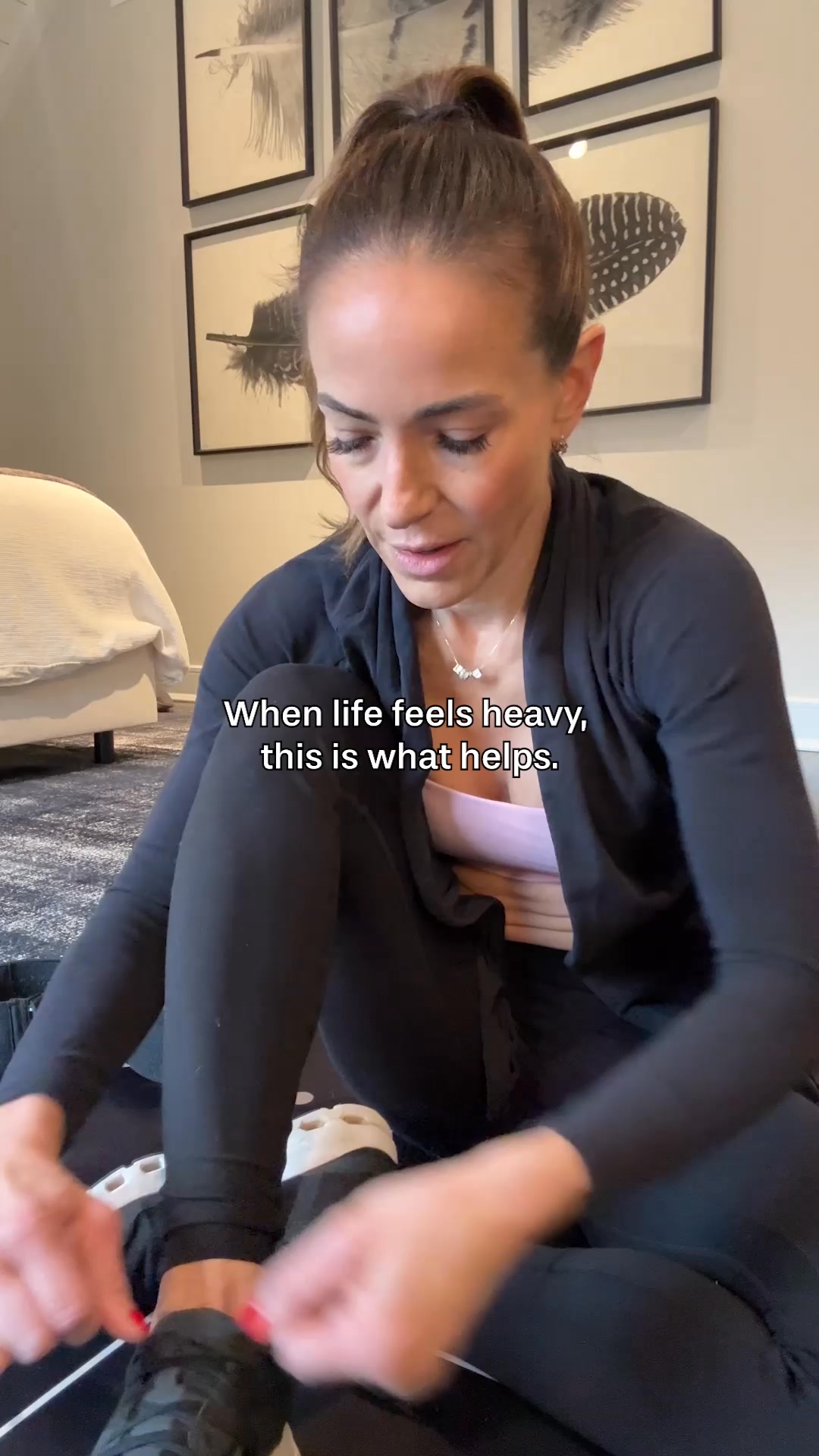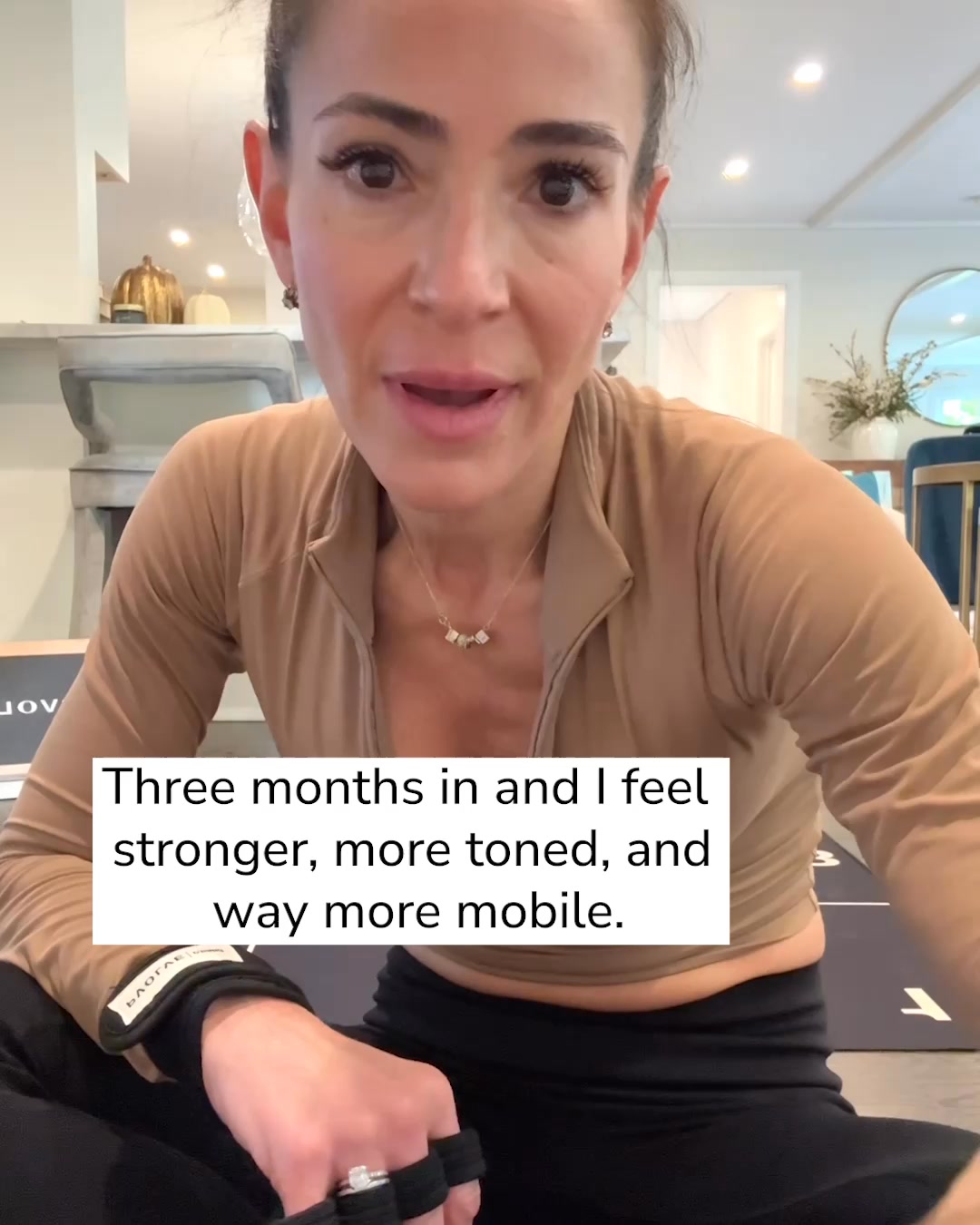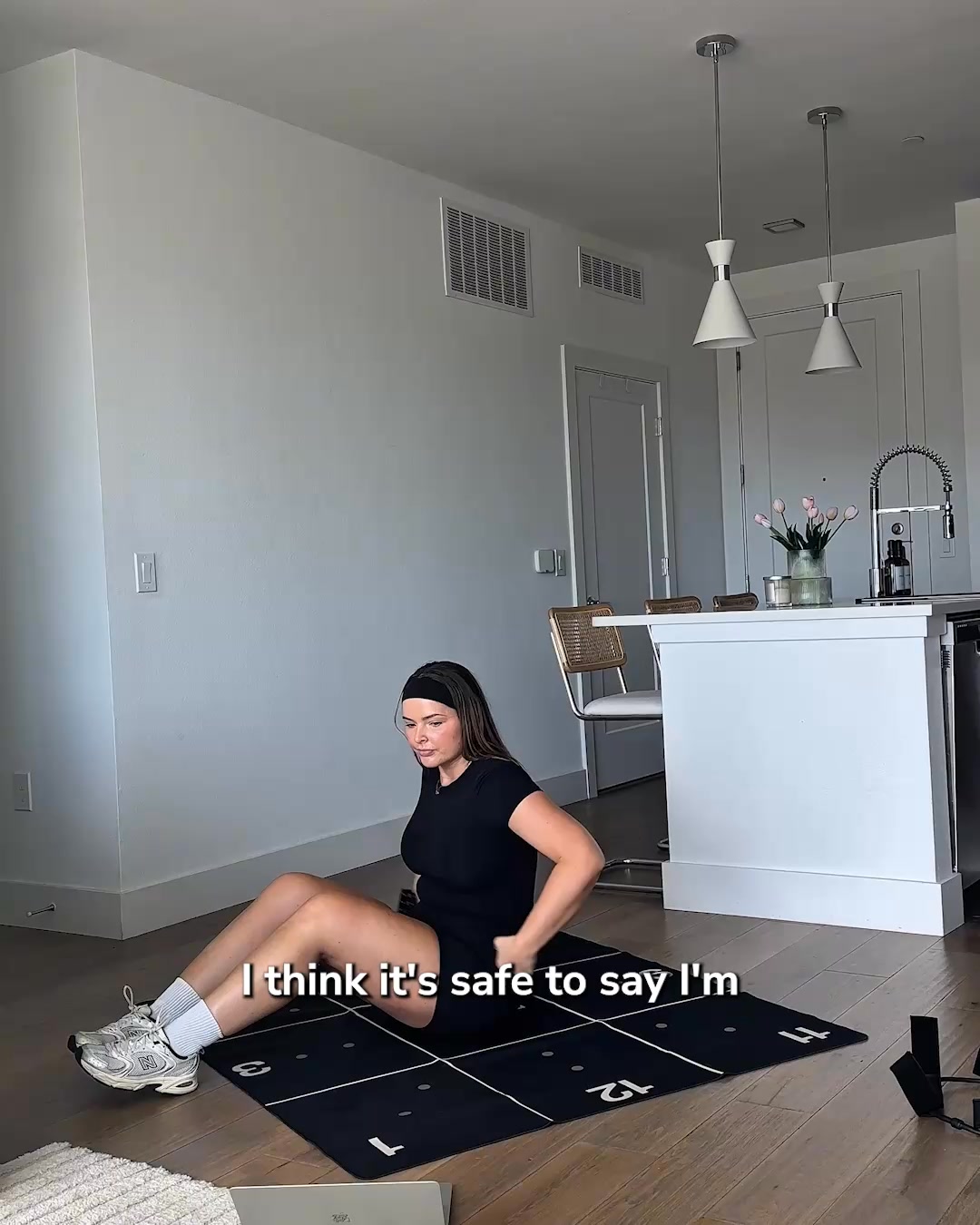
WalkFit Daily Walking Plan's before/after ad is a 160-second fitness video creative decoded by Heista into 8 structural beats with 19 total cuts. WalkFit Daily Walking Plan's full brand intelligence · Fitness ad hooks
PATTERNMAP™
Loading PatternMap...
Ad Blueprint
Before/After
CategoryFitness
AngleHow To Tutorial
NarrativePain To Relief
IntentTransformation Arc Engine
Hook Type
Challenge Intro
15.5sDuration
4Shots
4.8sAvg Shot
Energy
Cut Points
2.6s6.8s15.3s
Psychology
Loss Aversion
Behavioral ApproachPeer Recommend
Negative Future Projection
Fear Of Loss
Avoidance Trigger
Risk Priming
Scarcity Cue
Every winning ad has a formula. Heista decodes it in seconds.
WalkFit Daily Walking Plan Ad Decoded — Challenge Intro Hook Analysis (160s)
WalkFit Daily Walking Plan's before/after ad is a 160-second fitness creative decoded by Heista into 8 structural beats. It opens with a Challenge Intro hook — This leverages Commitment & Goal Setting via a specific start date and a measurable task (“desafío… Solo 7 minutos cada mañana”), which converts viewing into “I should follow along.” It also uses Outcome Salience—an extreme transformation promise (“las personas no lo reconocerán”)—so the viewer has a concrete reason to stay for proof of results. The constraint language (“sin equipo, sin nadie observando”) triggers Cognitive Fluency by making the challenge feel easy to start and easy to imagine participating in. The psychological mission is Loss Aversion: El espectador se siente urgido a actuar sin culpa, porque empieza a visualizar cuánto peor podría sentirse si sigue forzándose con entrenamientos agotadores o abandonando por no alcanzar los 10,000 pasos. The ad has 19 cuts at an average of 10.9s per cut, with an average beat duration of 20s.
Key Takeaways
Overview
Challenge Intro Hook
This leverages Commitment & Goal Setting via a specific start date and a measurable task (“desafío… Solo 7 minutos cada mañana”), which converts viewing into “I should follow along.” It also uses Outcome Salience—an extreme transformation promise (“las personas no lo reconocerán”)—so the viewer has a concrete reason to stay for proof of results. The constraint language (“sin equipo, sin nadie observando”) triggers Cognitive Fluency by making the challenge feel easy to start and easy to imagine participating in. Challenge Intro hook deep-dive
Beat-by-Beat Breakdown
Beat 2 (0:00-0:15) — Challenge Intro: It frames a timed “challenge” with clear constraints: “Este lunes, 3 de agosto, comenzamos el desafío… Solo 7 minutos cada mañana, sin equipo, sin nadie observando.” It then adds a sharp payoff to keep early viewers engaged: “Regrese y las personas no lo reconocerán.”
Beat 3 (0:15-0:35) — Before/After Explanation: Sets up a before/after outcome timeline: “Una semana después” following the initial doubt (“Escéptico, pero aquí vamos”), then delivers the measurable change in morning feel: “la rigidez… cada mañana… simplemente está más ligera hoy.”
Beat 4 (0:35-0:58) — Before/After Proof: It uses a before/after comparison to validate the method: first “usted no ha cambiado nada más” and then specific improvements are claimed—“esa hinchazón alrededor de mis tobillos ha disminuido” and “usted está durmiendo toda la noche.”
Beat 5 (0:58-1:32) — Inefficiency Pain: The beat attacks the “interminables 10,000 pasos” as wasted effort and swaps it for a new training choice: “El próximo desafío… comienza este lunes” and the bet clause “si dejaba los interminables 10,000 pasos y cambiaba a Caminata Tai Chi.” It then intensifies the inefficiency claim with an explicit dismissal of slow movement: “No hay ninguna posibilidad de que movimientos lentos realmente reafirmen las cosas.”
Beat 6 (1:32-2:02) — Belief Break: It shatters the belief that women over 50 need intense exercise by stating a direct replacement: “las mujeres mayores de 50 años no necesitan cardio agotador. Solo necesitan el flujo suave correcto.” It also turns that belief-break into a concrete directive: “deje de forzar entrenamientos pesados,” followed by a lighter alternative: “Siete minutos de Caminata Tai Chi.”
Beat 7 (2:02-2:20) — Misconception Correction: The beat corrects the implicit belief that “perfect consistency” is required to benefit from the challenge: it starts with “¿Se siente tan bien? … pero… no puedo salir todos los días” and then explicitly rejects the coercive standard with “No deberías tener que obligarte.”
Beat 8 (2:20-2:36) — Loss Aversion Cue: It highlights the emotional cost of not meeting the “10,000 steps al aire libre” target—“te sientes culpable y simplemente lo dejas por completo”—and frames the risk of stopping entirely as a loss of progress. Then it resets the tension by asking what to do on “los días en los que simplemente estoy atrapada en casa,” setting up the routine as the fix.
Beat 9 (2:36-2:39) — Safety Assurance: It validates the method by framing it as risk-reducing and joint-friendly: “la haces directamente en tu sala, sin zapatos, sin equipo” plus “es una excelente forma de bajo impacto... y es suave con tus articulaciones.” It then reinforces feasibility with a concrete capability statement: “Definitivamente puedo hacer 7 minutos en mi sala.”
Behavioral Psychology
This ad activates Loss Aversion as its primary behavioral mission. El espectador se siente urgido a actuar sin culpa, porque empieza a visualizar cuánto peor podría sentirse si sigue forzándose con entrenamientos agotadores o abandonando por no alcanzar los 10,000 pasos. Loss Aversion behavioral mission
Structural Fingerprint
Duration: 160 seconds. Beat count: 8. Total cuts: 19. Average beat duration: 20s. Average cut duration: 10.9s. Average visual energy: 2.5/10. Fitness ad formula reference
Frequently Asked Questions
Why does this WalkFit Daily Walking Plan ad work? This WalkFit Daily Walking Plan before/after ad opens with a Challenge Intro hook that captures attention in the first 3 seconds. The psychological architecture activates Loss Aversion across 8 structural beats, each contributing a specific persuasion mechanism.
What hook does WalkFit Daily Walking Plan use in this ad? WalkFit Daily Walking Plan opens with a Challenge Intro hook. This leverages Commitment & Goal Setting via a specific start date and a measurable task (“desafío… Solo 7 minutos cada mañana”), which converts viewing into “I should follow along.” It also uses Outcome Salience—an extreme transformation promise (“las personas no lo reconocerán”)—so the viewer has a concrete reason to stay for proof of results. The constraint language (“sin equipo, sin nadie observando”) triggers Cognitive Fluency by making the challenge feel easy to start and easy to imagine participating in.
What psychology does this WalkFit Daily Walking Plan ad activate? This ad activates Loss Aversion as its primary behavioral mission. El espectador se siente urgido a actuar sin culpa, porque empieza a visualizar cuánto peor podría sentirse si sigue forzándose con entrenamientos agotadores o abandonando por no alcanzar los 10,000 pasos.
How long is this WalkFit Daily Walking Plan ad and what's the structure? This ad runs 160 seconds with 8 structural beats and 19 cuts. Average cut duration is 10.9s. The pattern flow follows a full format structure common in before/after ads.
What platform is this WalkFit Daily Walking Plan ad running on? This before/after ad is running on facebook. The fitness vertical typically sees strong performance on this platform for before/after creative structures.
What makes this different from other fitness ads? Most fitness ads lean on generic format templates. WalkFit Daily Walking Plan's version uses a distinct Challenge Intro hook structure paired with Loss Aversion — a combination that over-indexes in high-performing fitness creative.