Skratch Labs's talking head b-roll ad is a 71-second health & supplements video creative decoded by Heista into 6 structural beats with 17 total cuts. Skratch Labs's full brand intelligence
Facebook Ad
1:11
Skratch Labs
Heisted: Jul 7, 2026
PATTERNMAP™
Loading PatternMap...
Ad Blueprint
Talking Head B-Roll
CategoryHealth Supplements
AngleEducation Value
NarrativePain To Relief
IntentDiscovery Education Driver
Hook Type
Contradiction Hook
10.8sDuration
5Shots
2.8sAvg Shot
Energy
Cut Points
2.9s3.5s6.8s10.4s
Psychology
Threat Reduction
Behavioral ApproachMindset Reframe
Reassurance Statement
Uncertainty Resolution
Fear Cancellation
Soothing Tone
Every winning ad has a formula. Heista decodes it in seconds.
Skratch Labs Ad Decoded — Contradiction Hook Analysis (71s)
Skratch Labs's talking head b-roll ad is a 71-second health & supplements creative decoded by Heista into 6 structural beats. It opens with a Contradiction hook — This leverages Contradiction Hook—stating “no such thing as over-training” conflicts with what the viewer likely assumes, creating cognitive dissonance that demands resolution. The “under-resting” replacement gives that dissonance an immediate alternative explanation, so viewers keep watching to see how the reframe will be justified and applied. The psychological mission is Threat Reduction: The viewer feels relieved and permissioned to rest, replacing guilt and pressure with calm clarity that recovery is necessary and safe. The ad has 17 cuts at an average of 4s per cut, with an average beat duration of 11.8s.
Key Takeaways
- Opens with a Contradiction hook
- Activates Threat Reduction psychology
- Part of Skratch Labs's full ad strategy
- 17 cuts, averaging 4s per cut
Overview
Contradiction Hook
This leverages Contradiction Hook—stating “no such thing as over-training” conflicts with what the viewer likely assumes, creating cognitive dissonance that demands resolution. The “under-resting” replacement gives that dissonance an immediate alternative explanation, so viewers keep watching to see how the reframe will be justified and applied. Contradiction hook deep-dive
Beat-by-Beat Breakdown
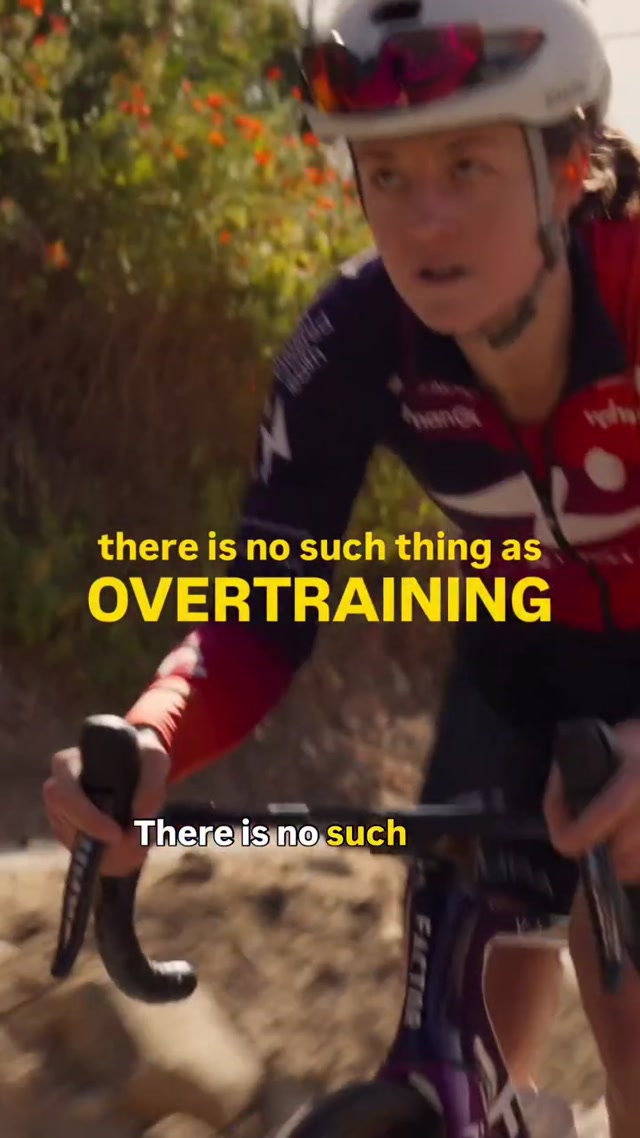
Beat 2 (0:00-0:10) — Contradiction Hook: It makes a counterintuitive claim that directly inverts a common fitness belief: “there is no such thing as over-training.” Then it replaces it with an alternate rule: “just under-resting.”
Beat 3 (0:10-0:27) — Relatability Setup: The speaker addresses the viewer’s specific lived situation—“if you've had a really, really hard year… taking a longer break after a period of sustained activity”—and normalizes their choice—“it's okay to disconnect.” In this moment, it reassures tired viewers that pausing exercise doesn’t mean they’ve failed; it frames the break as a valid response to what they’ve been through.
Beat 4 (0:27-0:39) — Do & Don't: It issues simple behavioral directives: “Go with the flow. Listen to yourself. Listen to your body.” This frames “following internal cues” as the recommended way to act, while implicitly steering the viewer away from ignoring those signals.
Beat 5 (0:39-0:55) — Hidden Problem: It reframes the “brutal” training belief into an underlying mechanism: “It is slapping yourself in the face so that you incur damage. But if you don't let yourself heal, slapping yourself in the face is never going to help.” This shifts the perceived problem from the hard work itself to the missing recovery loop, creating tension by implying the current approach is structured to fail.
Beat 6 (0:55-1:05) — Why It Works Breakdown: It explains the mechanism of recovery: “it’s when we heal from that damage that our body becomes stronger, that we adapt, that we become more resilient.” It strings together the causal chain from healing → stronger body → adaptation → resilience, in one packed sentence.
Beat 7 (1:05-1:10) — Stop → Start Shift: It tells the viewer to stop an unhelpful behavior and switch to a better phase-based approach: “So the off-season, time to stop slapping yourself in the face.” The “stop” directive doesn’t just describe recovery—it reframes the next action as a behavior change.
Behavioral Psychology
This ad activates Threat Reduction as its primary behavioral mission. The viewer feels relieved and permissioned to rest, replacing guilt and pressure with calm clarity that recovery is necessary and safe. Threat Reduction behavioral mission
Structural Fingerprint
Duration: 71 seconds. Beat count: 6. Total cuts: 17. Average beat duration: 11.8s. Average cut duration: 4s. Average visual energy: 4.3/10.
Frequently Asked Questions
Why does this Skratch Labs ad work? This Skratch Labs talking head b-roll ad opens with a Contradiction hook that captures attention in the first 3 seconds. The psychological architecture activates Threat Reduction across 6 structural beats, each contributing a specific persuasion mechanism.
What hook does Skratch Labs use in this ad? Skratch Labs opens with a Contradiction hook. This leverages Contradiction Hook—stating “no such thing as over-training” conflicts with what the viewer likely assumes, creating cognitive dissonance that demands resolution. The “under-resting” replacement gives that dissonance an immediate alternative explanation, so viewers keep watching to see how the reframe will be justified and applied.
What psychology does this Skratch Labs ad activate? This ad activates Threat Reduction as its primary behavioral mission. The viewer feels relieved and permissioned to rest, replacing guilt and pressure with calm clarity that recovery is necessary and safe.
How long is this Skratch Labs ad and what's the structure? This ad runs 71 seconds with 6 structural beats and 17 cuts. Average cut duration is 4s. The pattern flow follows a full format structure common in talking head b-roll ads.
What platform is this Skratch Labs ad running on? This talking head b-roll ad is running on facebook. The health & supplements vertical typically sees strong performance on this platform for talking head b-roll creative structures.
What makes this different from other health & supplements ads? Most health & supplements ads lean on generic format templates. Skratch Labs's version uses a distinct Contradiction hook structure paired with Threat Reduction — a combination that over-indexes in high-performing health & supplements creative.