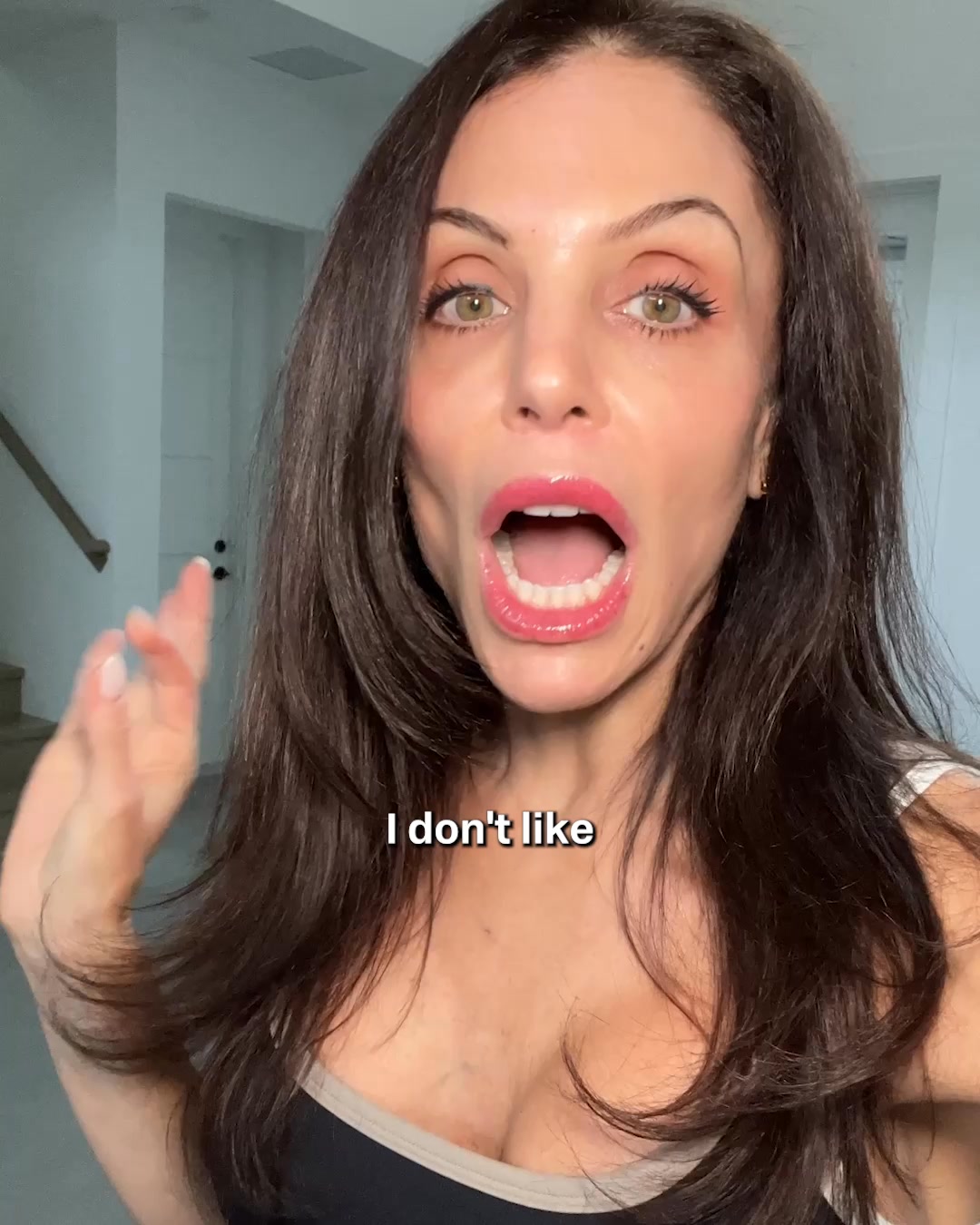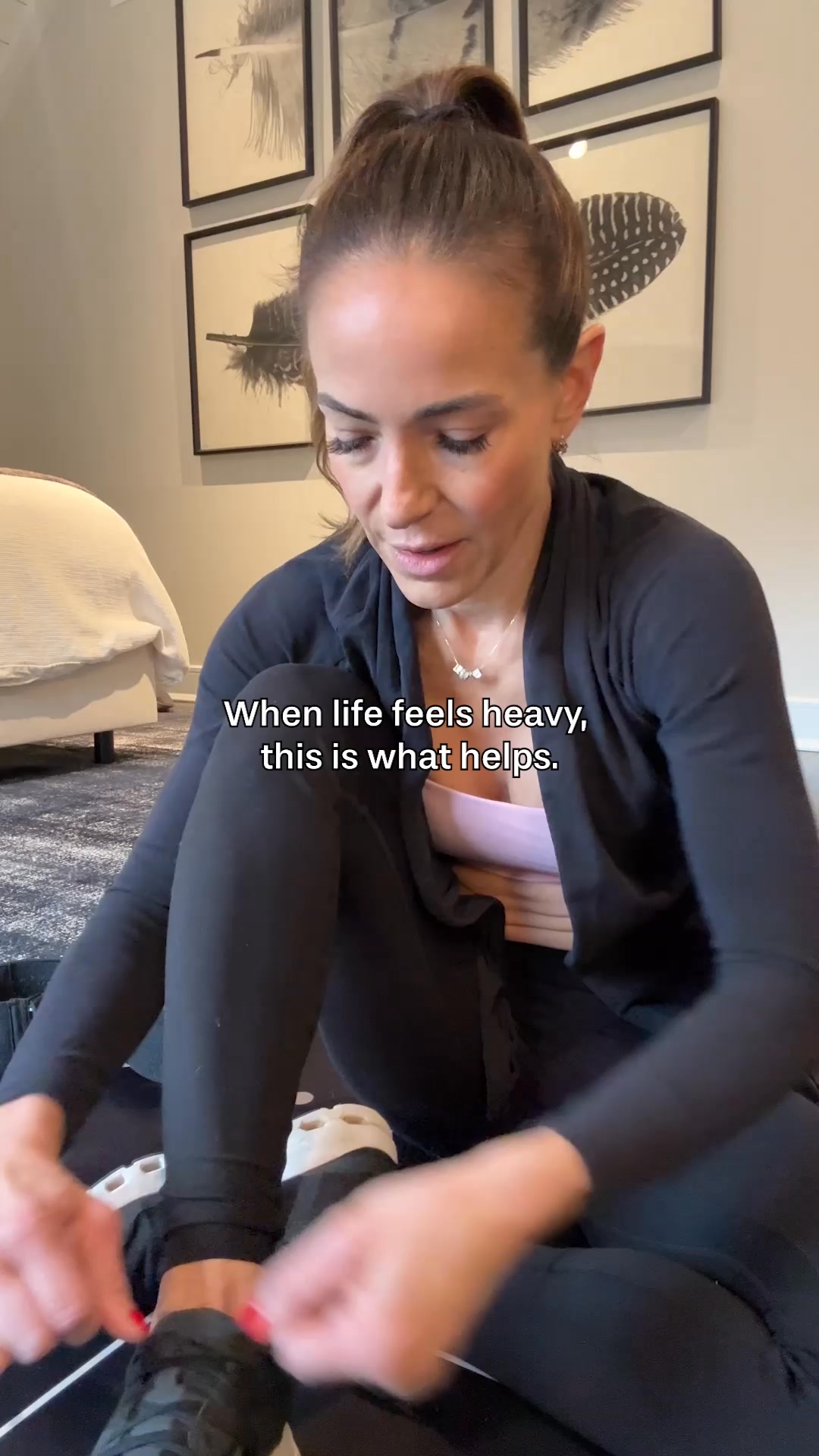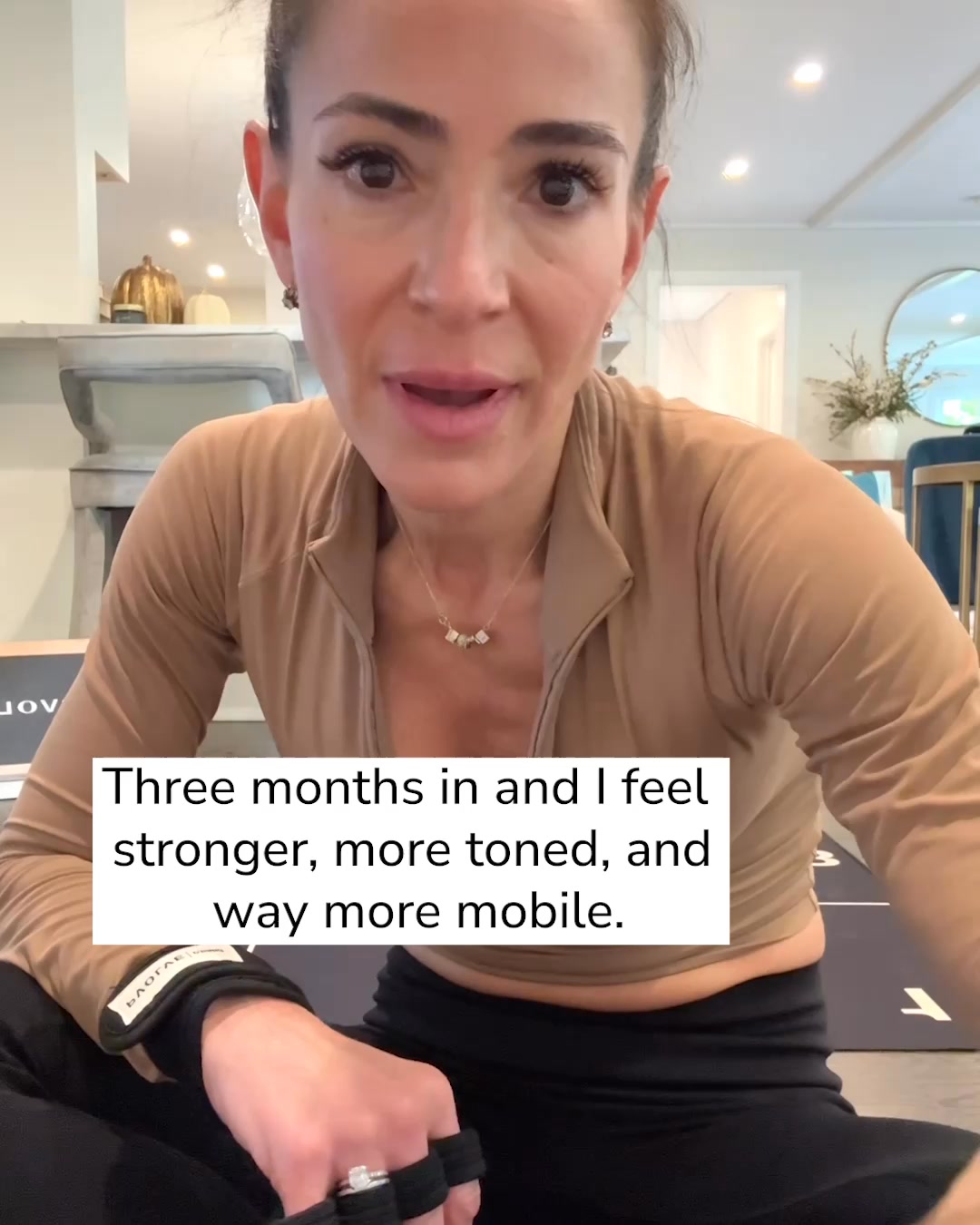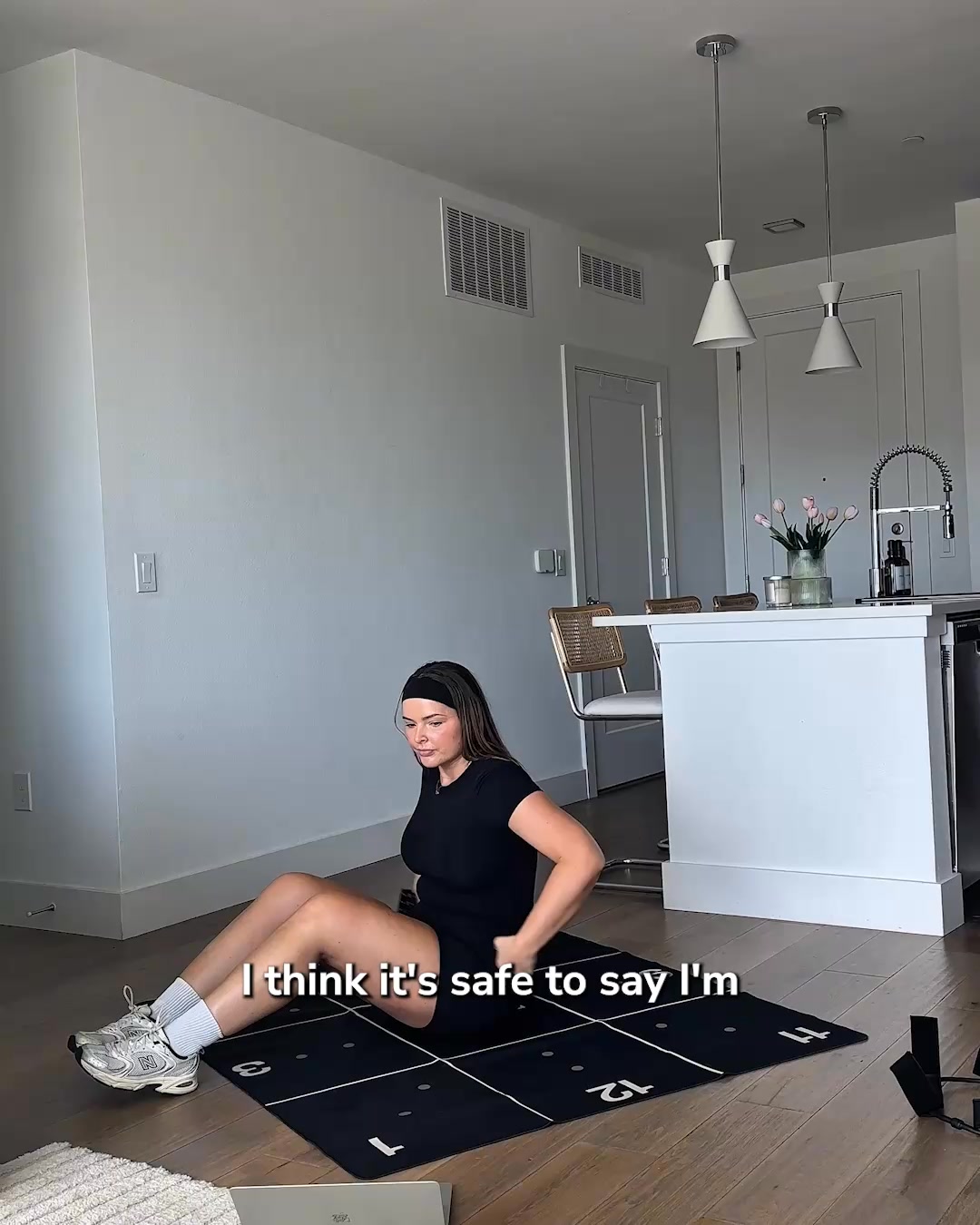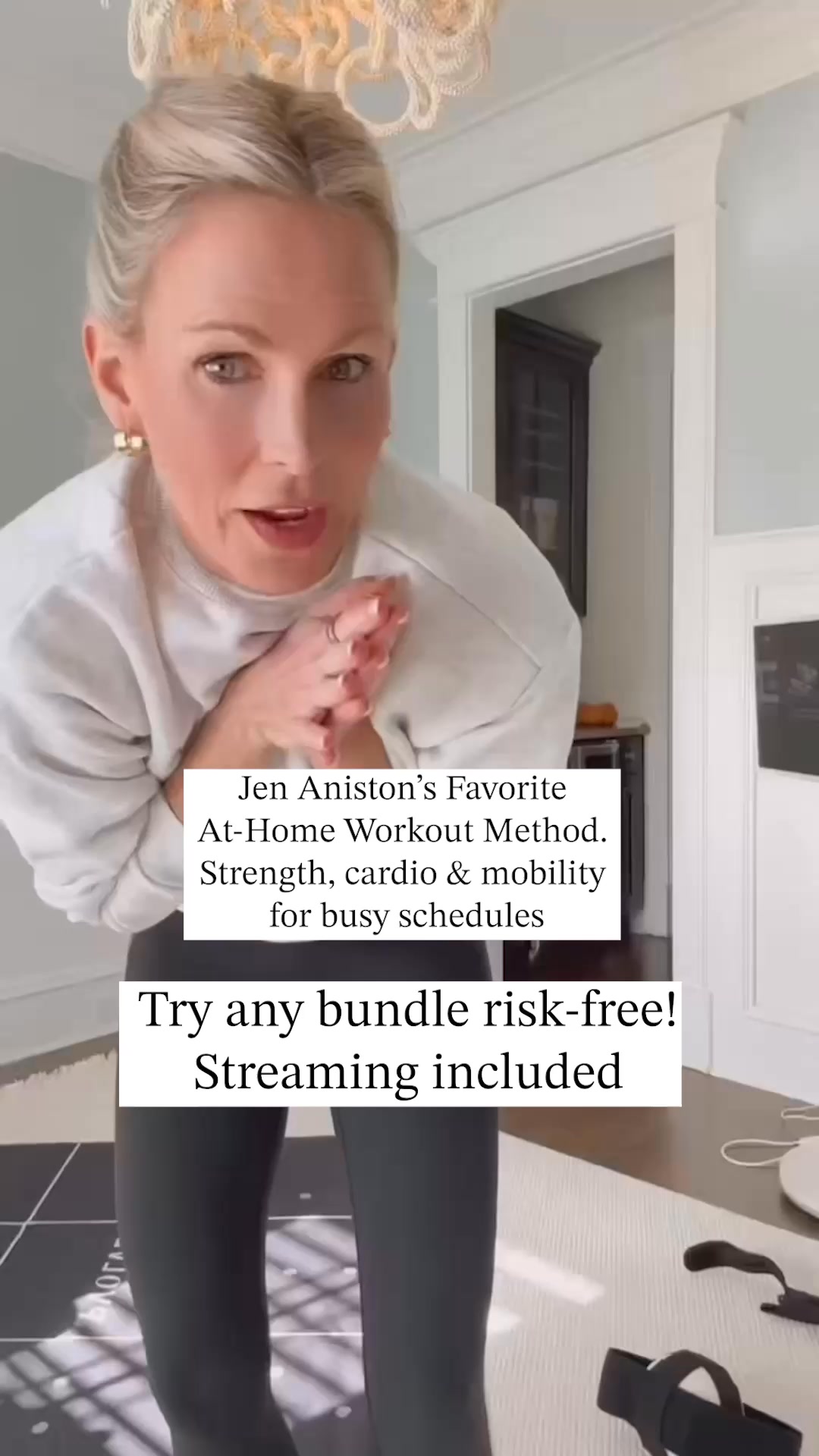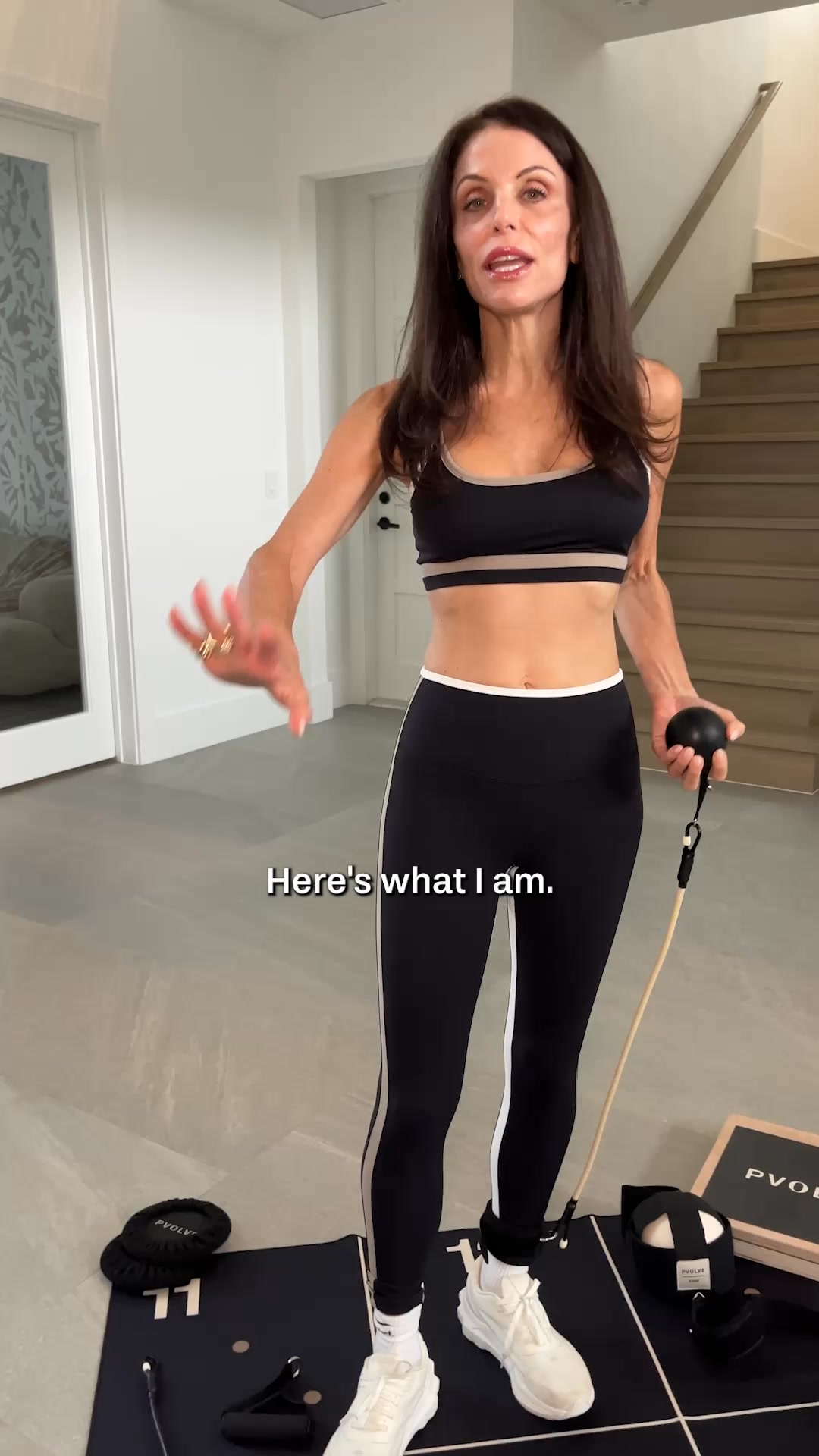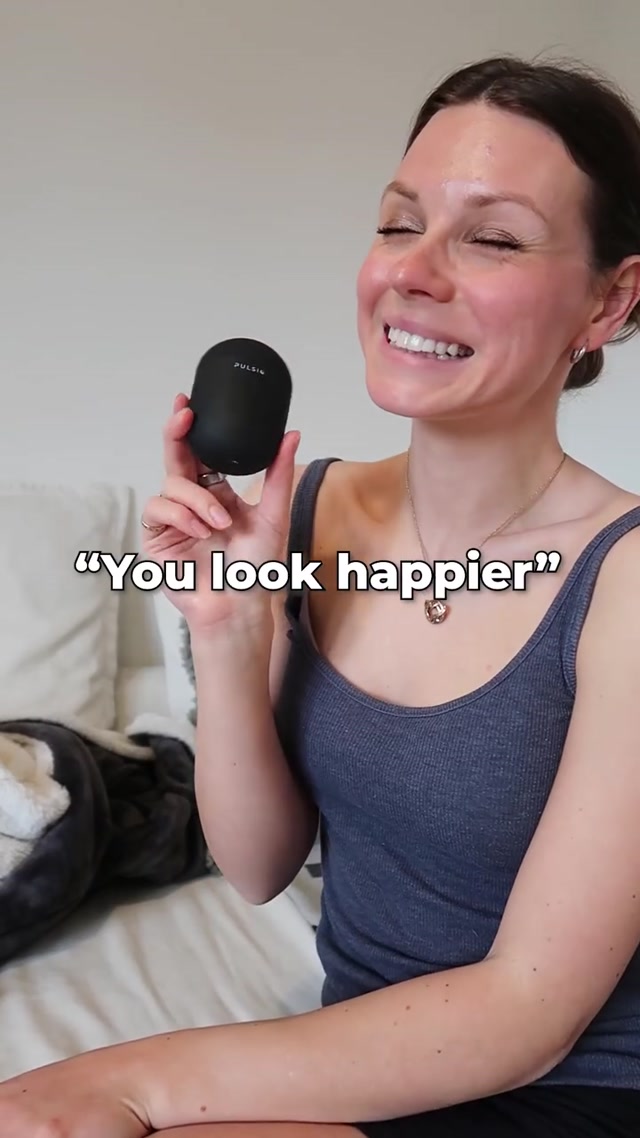
Pulsio's voiceover b-roll ad is a 53-second fitness video creative decoded by Heista into 6 structural beats with 20 total cuts. Pulsio's full brand intelligence · Fitness ad hooks
PATTERNMAP™
Loading PatternMap...
Ad Blueprint
Voiceover B-Roll
CategoryFitness
AngleGuarantee Risk Reversal
NarrativeProduct First
IntentValue Stack Acceleration
Hook Type
Story Start
10.2sDuration
6Shots
2.1sAvg Shot
Energy
Cut Points
1.4s2.8s5.4s6.8s9.9s
Psychology
Loss Aversion
Behavioral ApproachSolve Your Problem
Risk Priming
Scarcity Cue
Negative Future Projection
Avoidance Trigger
Fear Of Loss
Every winning ad has a formula. Heista decodes it in seconds.
Pulsio Ad Decoded — Story Start Hook Analysis (53s)
Pulsio's voiceover b-roll ad is a 53-second fitness creative decoded by Heista into 6 structural beats. It opens with a Story Start hook — This leverages Narrative Transport—“helped me” and “finally overcome” pull the viewer into a cause-and-effect storyline where there’s a clear endpoint (ache relief). It also uses Outcome Salience: the concrete benefit “overcome my body aches and pains” creates a high-contrast reward in advance, which increases attentional sticking via Confirmation Bias (viewers keep watching to see if the product story matches their desired outcome). The psychological mission is Loss Aversion: The viewer feels urgency to act soon to avoid missing out, while also anticipating relief that reduces the perceived cost of not buying. The ad has 20 cuts at an average of 2.6s per cut, with an average beat duration of 8.9s.
Key Takeaways
Overview
Story Start Hook
This leverages Narrative Transport—“helped me” and “finally overcome” pull the viewer into a cause-and-effect storyline where there’s a clear endpoint (ache relief). It also uses Outcome Salience: the concrete benefit “overcome my body aches and pains” creates a high-contrast reward in advance, which increases attentional sticking via Confirmation Bias (viewers keep watching to see if the product story matches their desired outcome). Story Start hook deep-dive
Beat-by-Beat Breakdown
Beat 2 (0:00-0:10) — Story Start: It starts a personal success story: “This best-selling TENS device helped me to finally overcome my body aches and pains.” The phrasing signals an ongoing experience (a before/after payoff) rather than a concept being explained, so the viewer stays to learn how the device produced the result.
Beat 3 (0:10-0:25) — Relatability Setup: The speaker establishes shared suffering: “I’ve suffered with neck and back pain for years,” then ties it to a specific fix (“this natural pain reliever helps to get rid of any sore or tight muscles”). This moment makes the viewer feel “this is for people like me,” before the mechanism is explained.
Beat 4 (0:25-0:38) — Feature Cascade: The beat stacks multiple product claims as quick “feature hits”: “control the intensity… choose different levels,” “No need for painkillers,” “No need for complicated, bulky devices,” “totally wireless,” and “takes seconds to set up.” It keeps the viewer’s attention by moving from one benefit to the next without pausing for explanation, implying the device solves pain relief and usability problems at once.
Beat 5 (0:38-0:48) — Risk Reversal: It stacks multiple risk-removers—“a one-year warranty and a 30-day trial…with complete peace of mind”—right after listing product specs (“two-week battery life…six different treatment modes”). This nudges the viewer to interpret the purchase as low-stakes and reversible rather than uncertain.
Beat 6 (0:48-0:50) — Fear → Relief: It replaces a distressed state with a positive outcome by prescribing an emotional and bodily switch: “Feel happy again and feel pain-free.” In this beat, the viewer is moved from the expectation of ongoing suffering to a direct, reassuring possibility of relief.
Beat 7 (0:50-0:53) — Direct CTA: It issues a direct purchase command: “Buy the Pulseo TENS Pod now before it sells out.” The wording immediately turns attention into an action plan (buy now) while attaching an urgency condition (before it sells out) that pressures timing.
Behavioral Psychology
This ad activates Loss Aversion as its primary behavioral mission. The viewer feels urgency to act soon to avoid missing out, while also anticipating relief that reduces the perceived cost of not buying. Loss Aversion behavioral mission
Structural Fingerprint
Duration: 53 seconds. Beat count: 6. Total cuts: 20. Average beat duration: 8.9s. Average cut duration: 2.6s. Average visual energy: 5.3/10. Fitness ad formula reference
Frequently Asked Questions
Why does this Pulsio ad work? This Pulsio voiceover b-roll ad opens with a Story Start hook that captures attention in the first 3 seconds. The psychological architecture activates Loss Aversion across 6 structural beats, each contributing a specific persuasion mechanism.
What hook does Pulsio use in this ad? Pulsio opens with a Story Start hook. This leverages Narrative Transport—“helped me” and “finally overcome” pull the viewer into a cause-and-effect storyline where there’s a clear endpoint (ache relief). It also uses Outcome Salience: the concrete benefit “overcome my body aches and pains” creates a high-contrast reward in advance, which increases attentional sticking via Confirmation Bias (viewers keep watching to see if the product story matches their desired outcome).
What psychology does this Pulsio ad activate? This ad activates Loss Aversion as its primary behavioral mission. The viewer feels urgency to act soon to avoid missing out, while also anticipating relief that reduces the perceived cost of not buying.
How long is this Pulsio ad and what's the structure? This ad runs 53 seconds with 6 structural beats and 20 cuts. Average cut duration is 2.6s. The pattern flow follows a full format structure common in voiceover b-roll ads.
What platform is this Pulsio ad running on? This voiceover b-roll ad is running on facebook. The fitness vertical typically sees strong performance on this platform for voiceover b-roll creative structures.
What makes this different from other fitness ads? Most fitness ads lean on generic format templates. Pulsio's version uses a distinct Story Start hook structure paired with Loss Aversion — a combination that over-indexes in high-performing fitness creative.