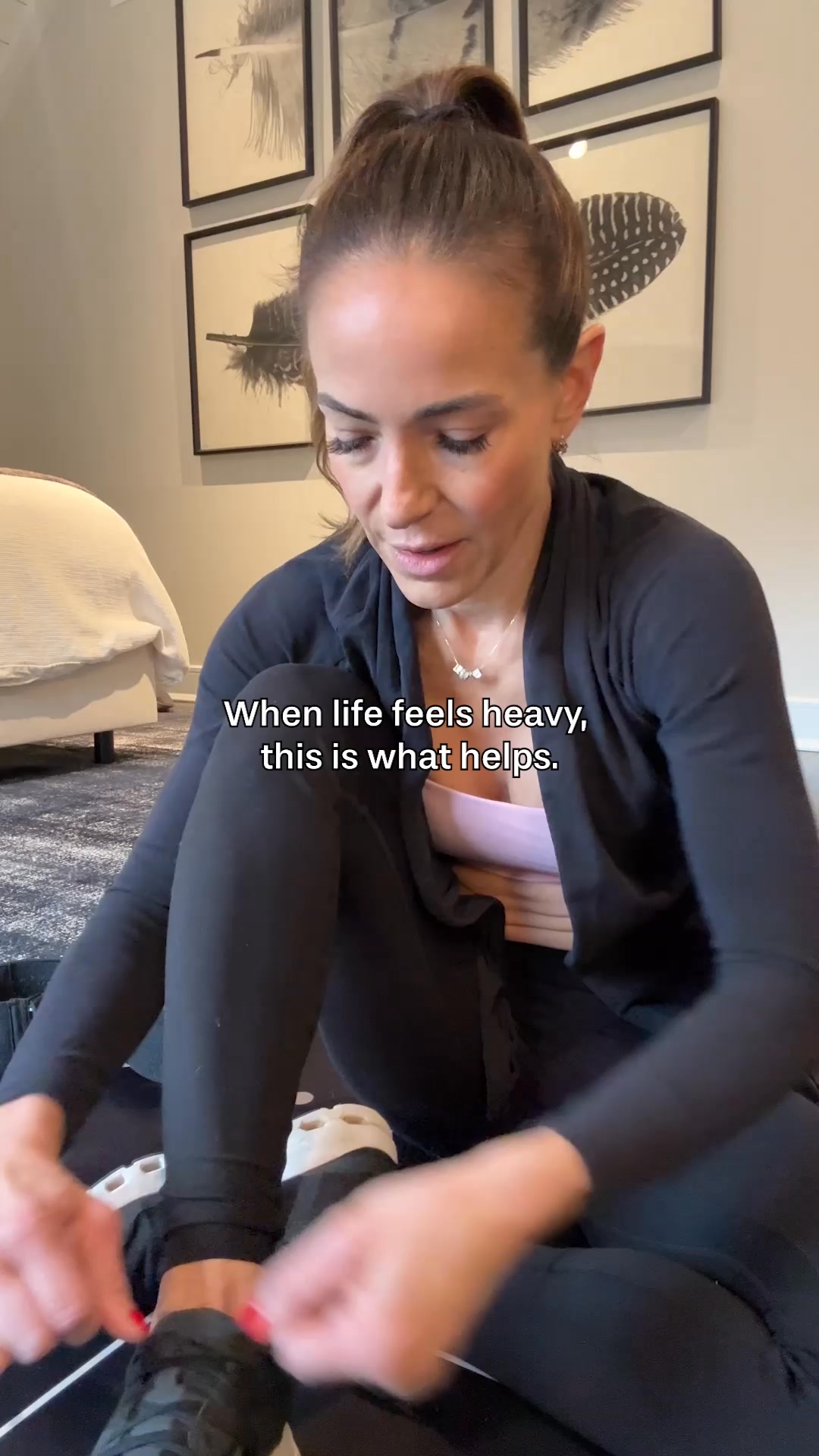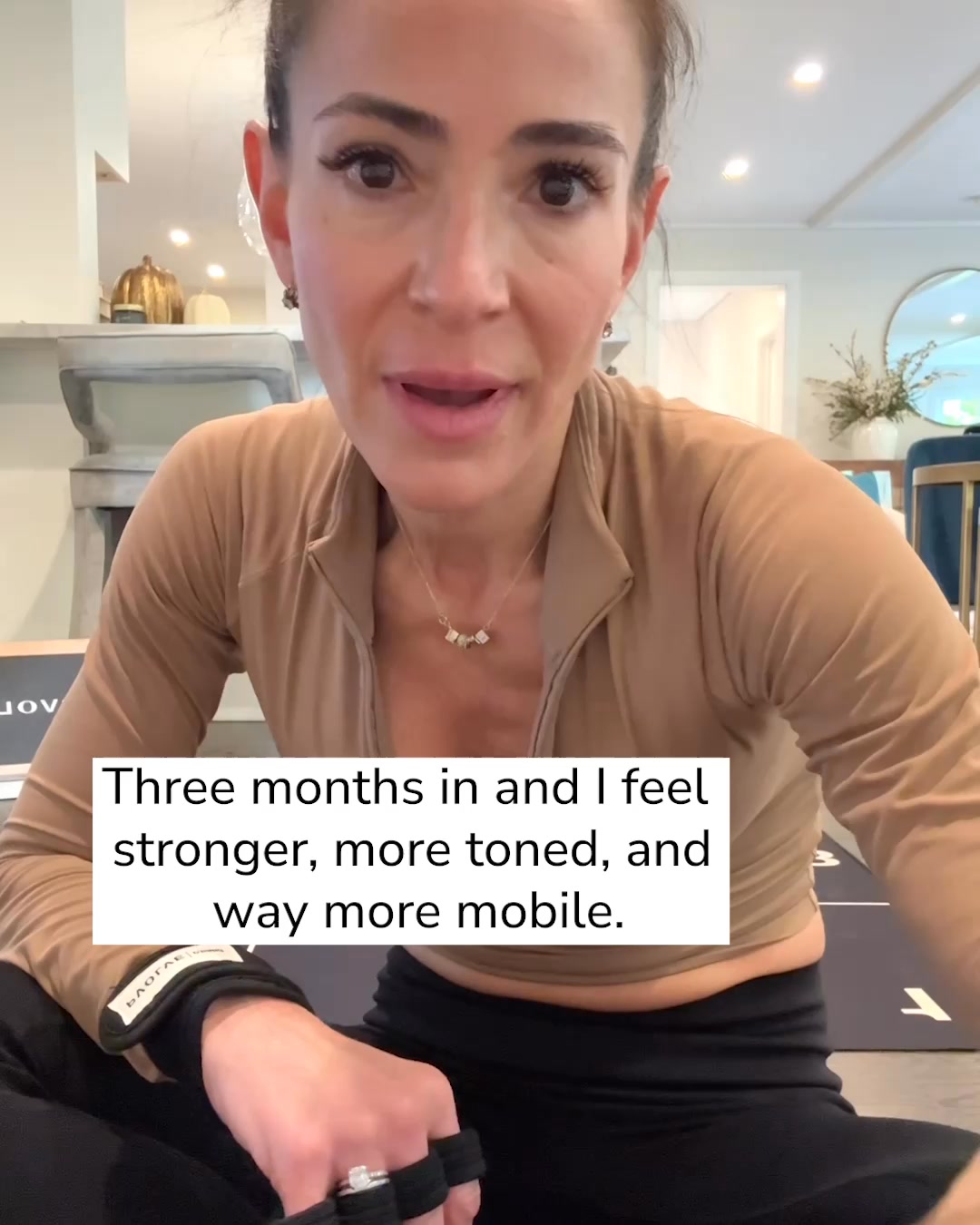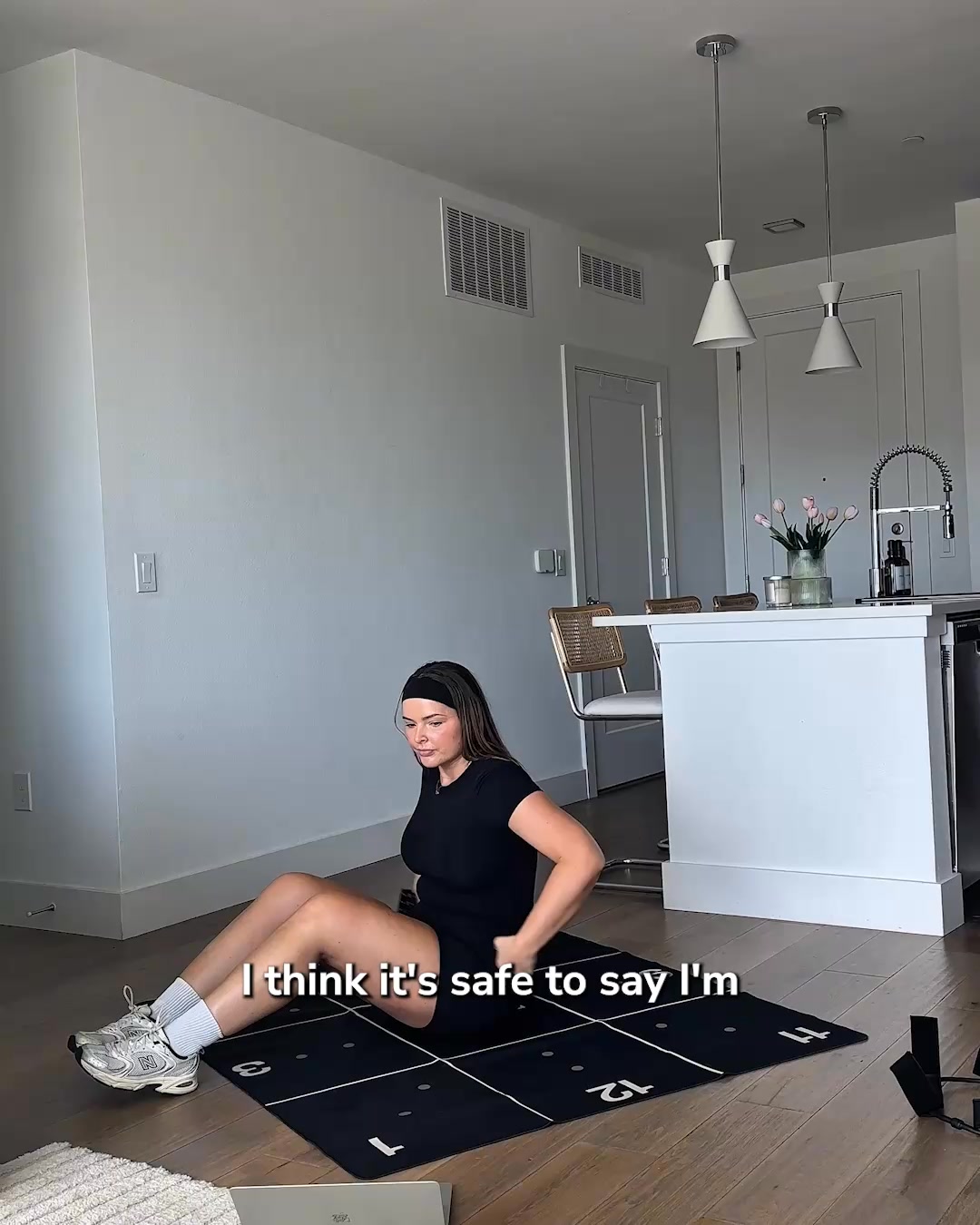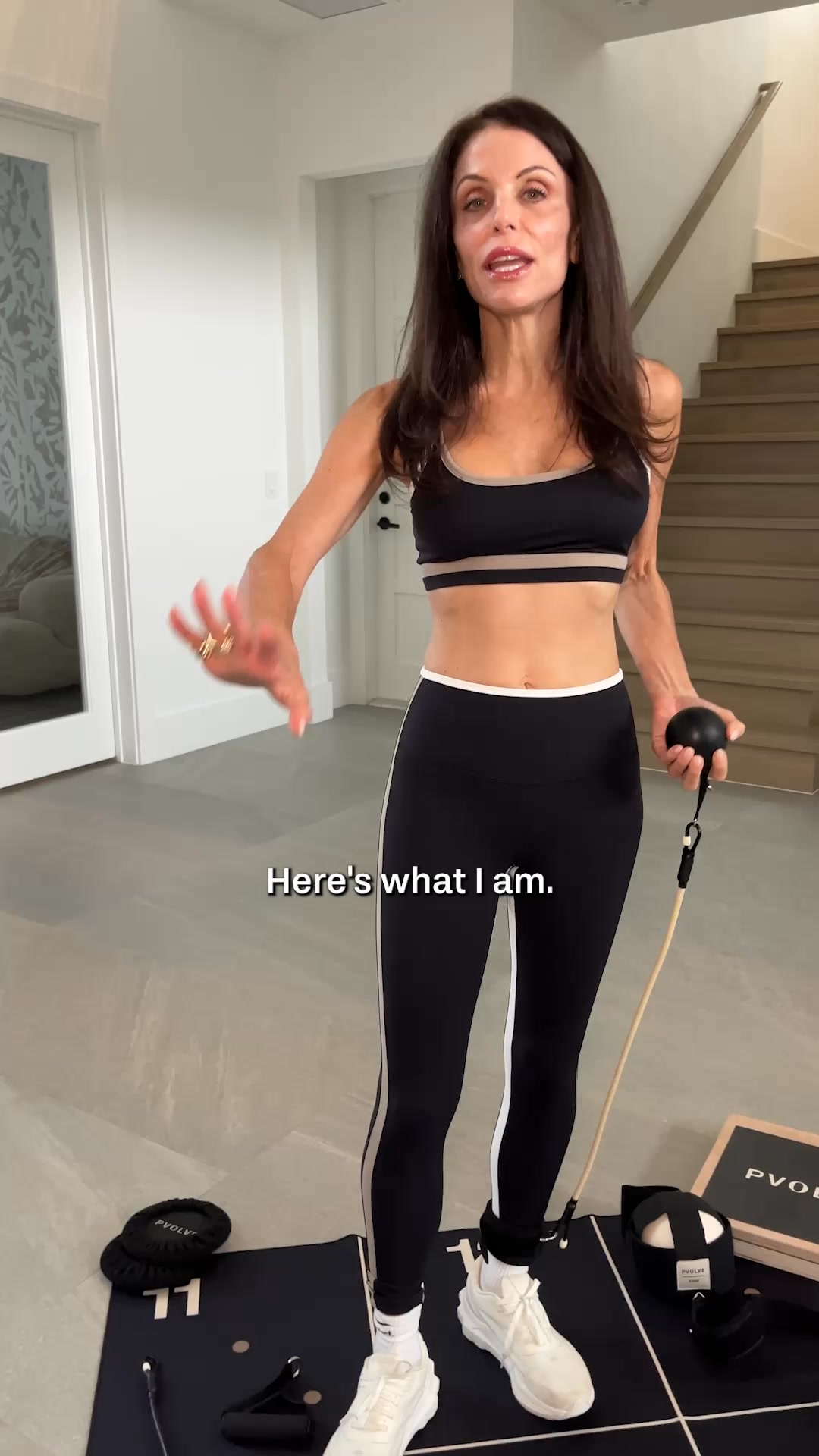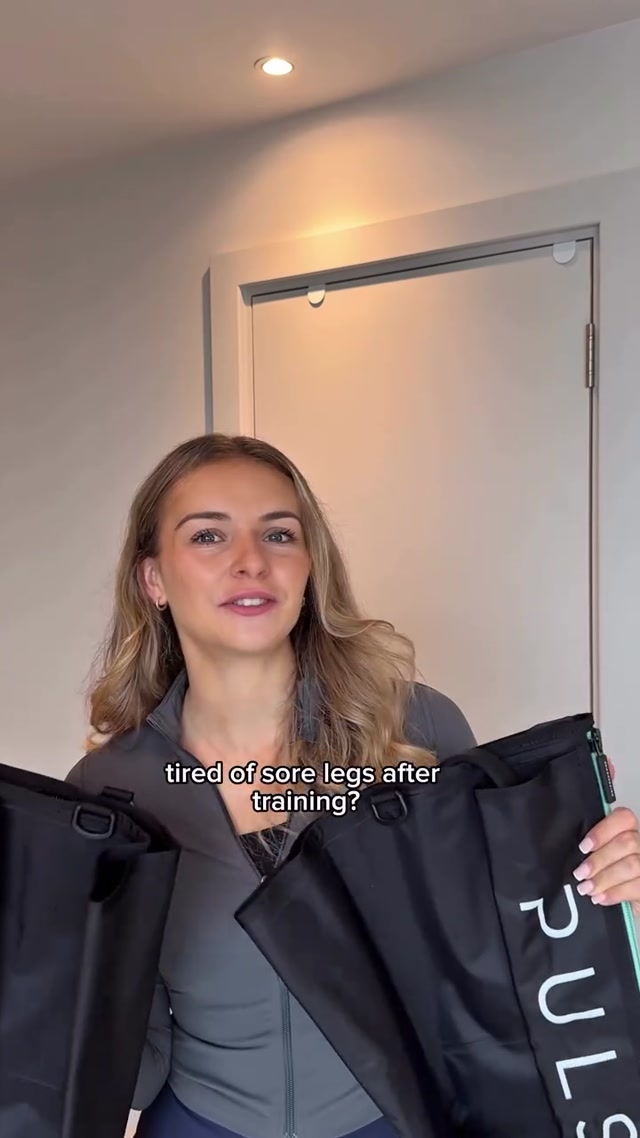
Pulsio's talking head b-roll ad is a 37-second fitness video creative decoded by Heista into 6 structural beats with 14 total cuts. Pulsio's full brand intelligence · Fitness ad hooks
PATTERNMAP™
Loading PatternMap...
Ad Blueprint
Talking Head B-Roll
CategoryFitness
AngleGuarantee Risk Reversal
NarrativePain To Relief
IntentProblem Agitate Solve
Hook Type
Symptom Stack
5.2sDuration
3Shots
2.5sAvg Shot
Energy
Cut Points
2.1s5.2s
Psychology
Threat Reduction
Behavioral ApproachPeer Recommend
Reassurance Statement
Uncertainty Resolution
Fear Cancellation
Soothing Tone
Every winning ad has a formula. Heista decodes it in seconds.
Pulsio Ad Decoded — Symptom Stack Hook Analysis (37s)
Pulsio's talking head b-roll ad is a 37-second fitness creative decoded by Heista into 6 structural beats. It opens with a Symptom Stack hook — This leverages Symptom Stack by using a body-state cue (“sore legs”) as a low-effort recognition test—if it matches, the viewer’s brain flags relevance. The question form “Tired of…” adds an Autonomy/Control cue (escape from the problem) that keeps attention sticky: the viewer feels they’ve found their problem named, so they keep watching for the fix. The psychological mission is Threat Reduction: The viewer feels reassured that a simple post-workout routine will reliably reduce soreness and speed recovery, lowering worry about DOMS and making the purchase feel safe. The ad has 14 cuts at an average of 3.2s per cut, with an average beat duration of 6.1s.
Key Takeaways
Overview
Symptom Stack Hook
This leverages Symptom Stack by using a body-state cue (“sore legs”) as a low-effort recognition test—if it matches, the viewer’s brain flags relevance. The question form “Tired of…” adds an Autonomy/Control cue (escape from the problem) that keeps attention sticky: the viewer feels they’ve found their problem named, so they keep watching for the fix. Symptom Stack hook deep-dive
Beat-by-Beat Breakdown
Beat 2 (0:00-0:05) — Symptom Stack: It opens with a rapid symptom-to-self qualification: “Tired of sore legs after training?” This frames the video as directly about the viewer’s immediate post-workout discomfort, before any explanation is given, creating an immediate match-or-skip moment in the first line.
Beat 3 (0:05-0:12) — Object Intro: The beat introduces the specific recovery tool as the solution: “these recovery boots are my secret weapon” and immediately names the product, “These are the Pulsio Compression Boots.” It also frames the boots as a personal mechanism for faster recovery via the claim “to bounce back faster.”
Beat 4 (0:12-0:22) — Feature Cascade: It stacks multiple performance claims as a rapid-fire feature list: “maximise blood circulation, remove lactic acid and reduce muscle soreness,” then immediately adds usability and control features: “super easy to slip on… With three customisable recovery cycles, an easy to use display and session timing options.”
Beat 5 (0:22-0:28) — Before/After Proof: It uses a personal before/after outcome comparison: “I slip them on after my morning run” and then “I’ve noticed I recover so much faster and my DOMs are way less.”
Beat 6 (0:28-0:33) — Hidden Truth: It asserts a personal “hidden truth” about value: “It’s the best investment I’ve made.” Instead of explaining why, it positions the listener to treat this as an already-validated, non-obvious choice.
Beat 7 (0:33-0:36) — Redirect: It stacks the purchase-risk guarantees with a direct site push: “You get a one year warranty and a 30 day return period… send it back and get a full refund… Check out Pulsio's website now.” Then it adds a final nudge: “You won't regret it.”
Behavioral Psychology
This ad activates Threat Reduction as its primary behavioral mission. The viewer feels reassured that a simple post-workout routine will reliably reduce soreness and speed recovery, lowering worry about DOMS and making the purchase feel safe. Threat Reduction behavioral mission
Structural Fingerprint
Duration: 37 seconds. Beat count: 6. Total cuts: 14. Average beat duration: 6.1s. Average cut duration: 3.2s. Average visual energy: 5/10. Fitness ad formula reference
Frequently Asked Questions
Why does this Pulsio ad work? This Pulsio talking head b-roll ad opens with a Symptom Stack hook that captures attention in the first 3 seconds. The psychological architecture activates Threat Reduction across 6 structural beats, each contributing a specific persuasion mechanism.
What hook does Pulsio use in this ad? Pulsio opens with a Symptom Stack hook. This leverages Symptom Stack by using a body-state cue (“sore legs”) as a low-effort recognition test—if it matches, the viewer’s brain flags relevance. The question form “Tired of…” adds an Autonomy/Control cue (escape from the problem) that keeps attention sticky: the viewer feels they’ve found their problem named, so they keep watching for the fix.
What psychology does this Pulsio ad activate? This ad activates Threat Reduction as its primary behavioral mission. The viewer feels reassured that a simple post-workout routine will reliably reduce soreness and speed recovery, lowering worry about DOMS and making the purchase feel safe.
How long is this Pulsio ad and what's the structure? This ad runs 37 seconds with 6 structural beats and 14 cuts. Average cut duration is 3.2s. The pattern flow follows a full format structure common in talking head b-roll ads.
What platform is this Pulsio ad running on? This talking head b-roll ad is running on facebook. The fitness vertical typically sees strong performance on this platform for talking head b-roll creative structures.
What makes this different from other fitness ads? Most fitness ads lean on generic format templates. Pulsio's version uses a distinct Symptom Stack hook structure paired with Threat Reduction — a combination that over-indexes in high-performing fitness creative.