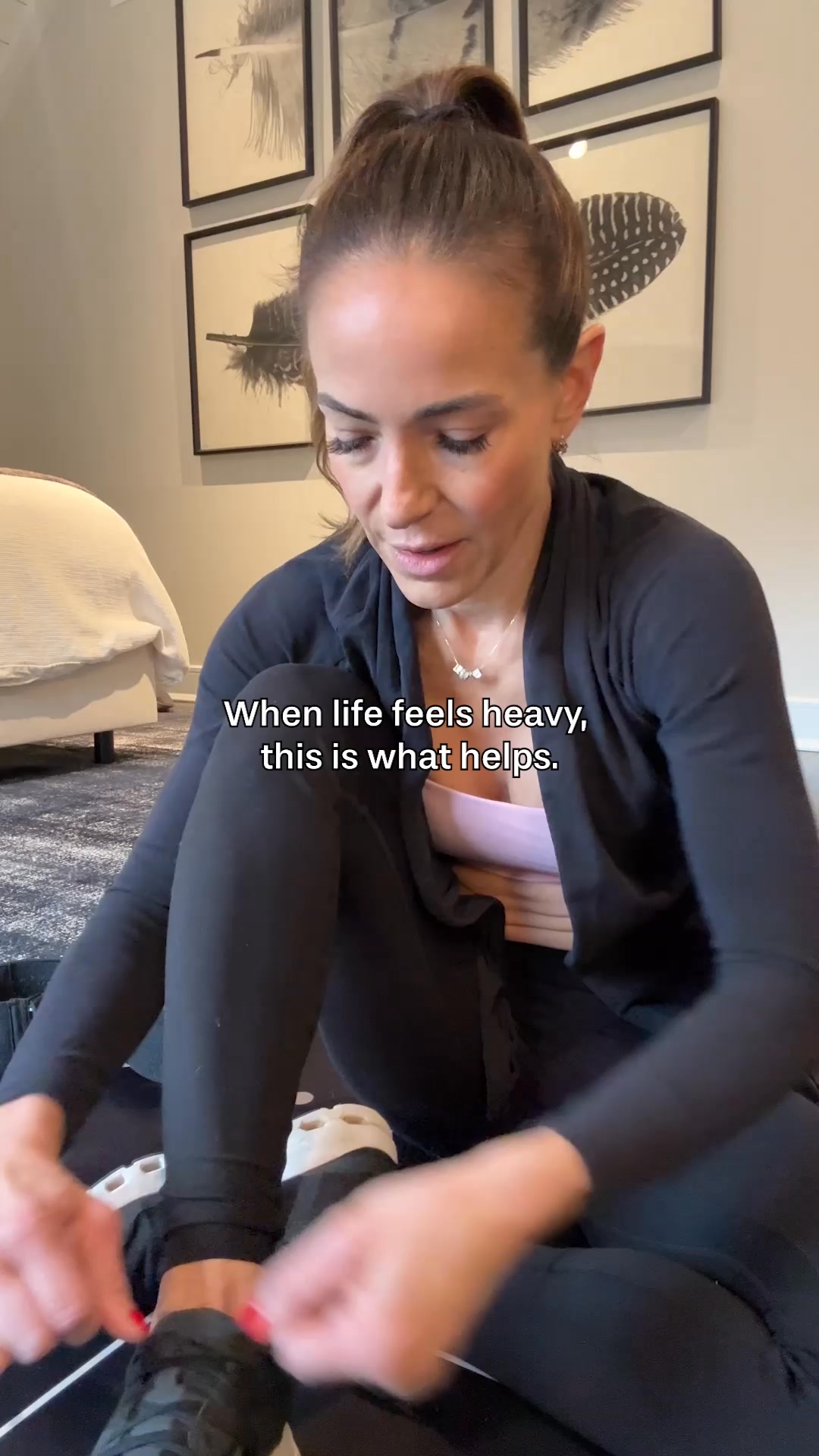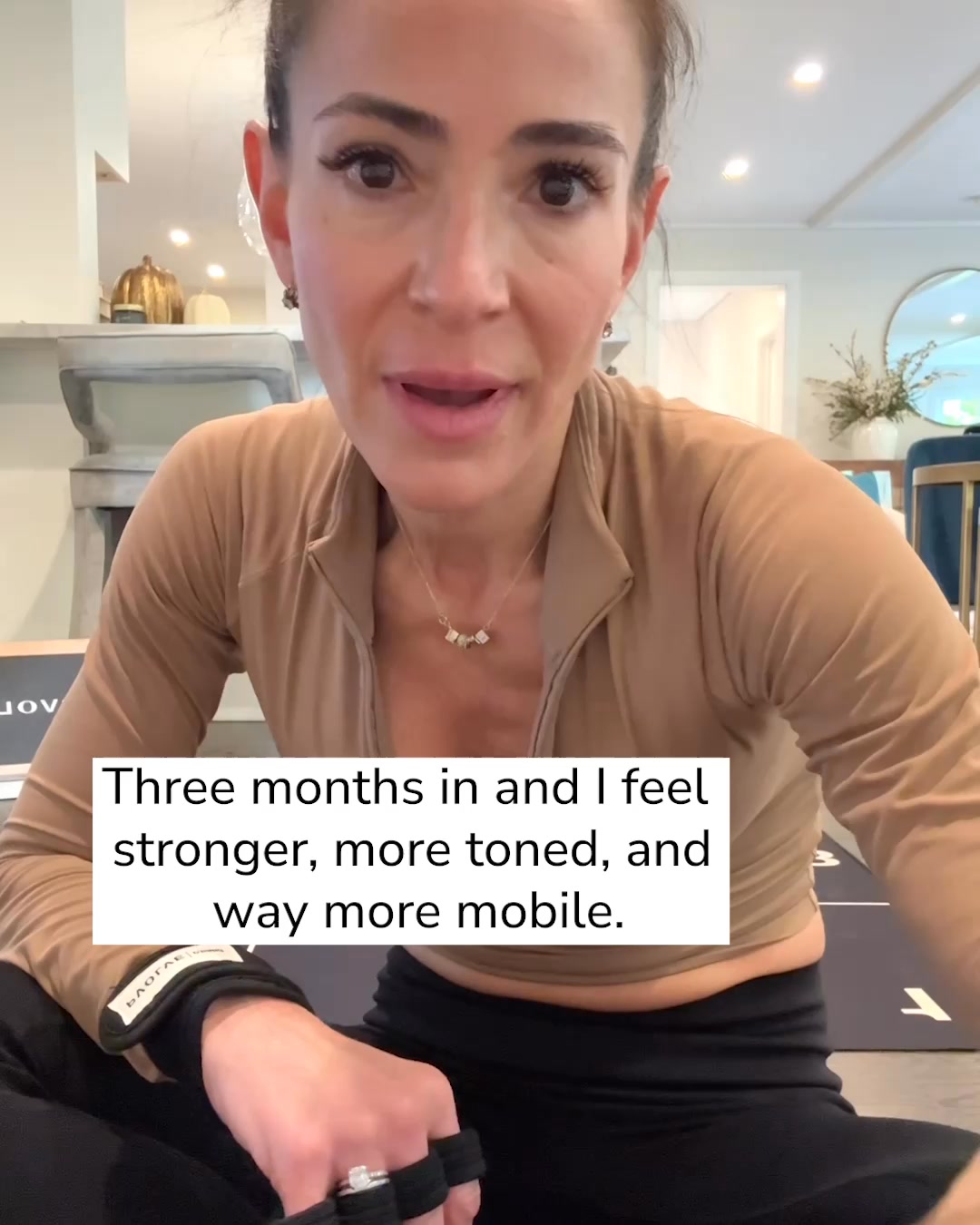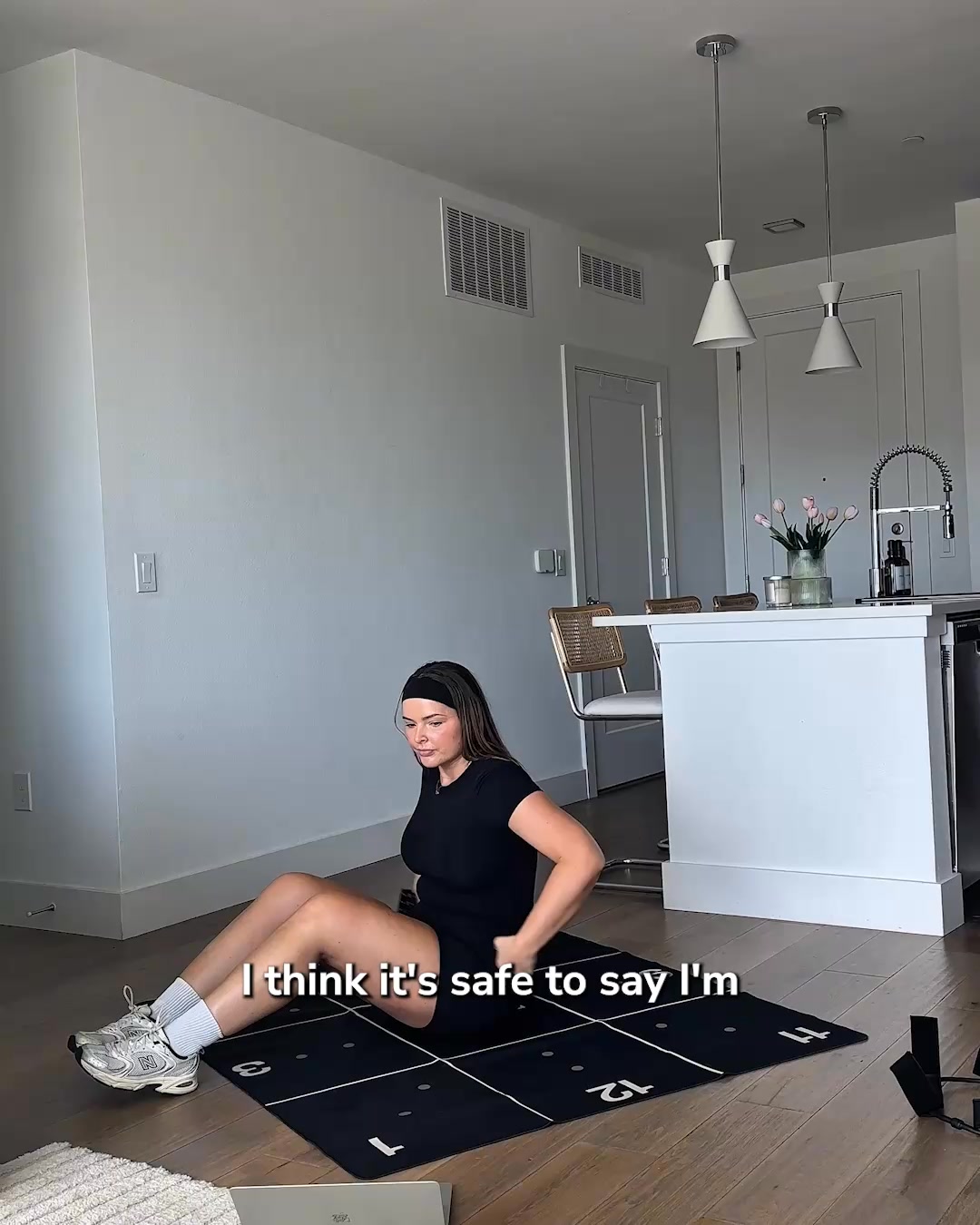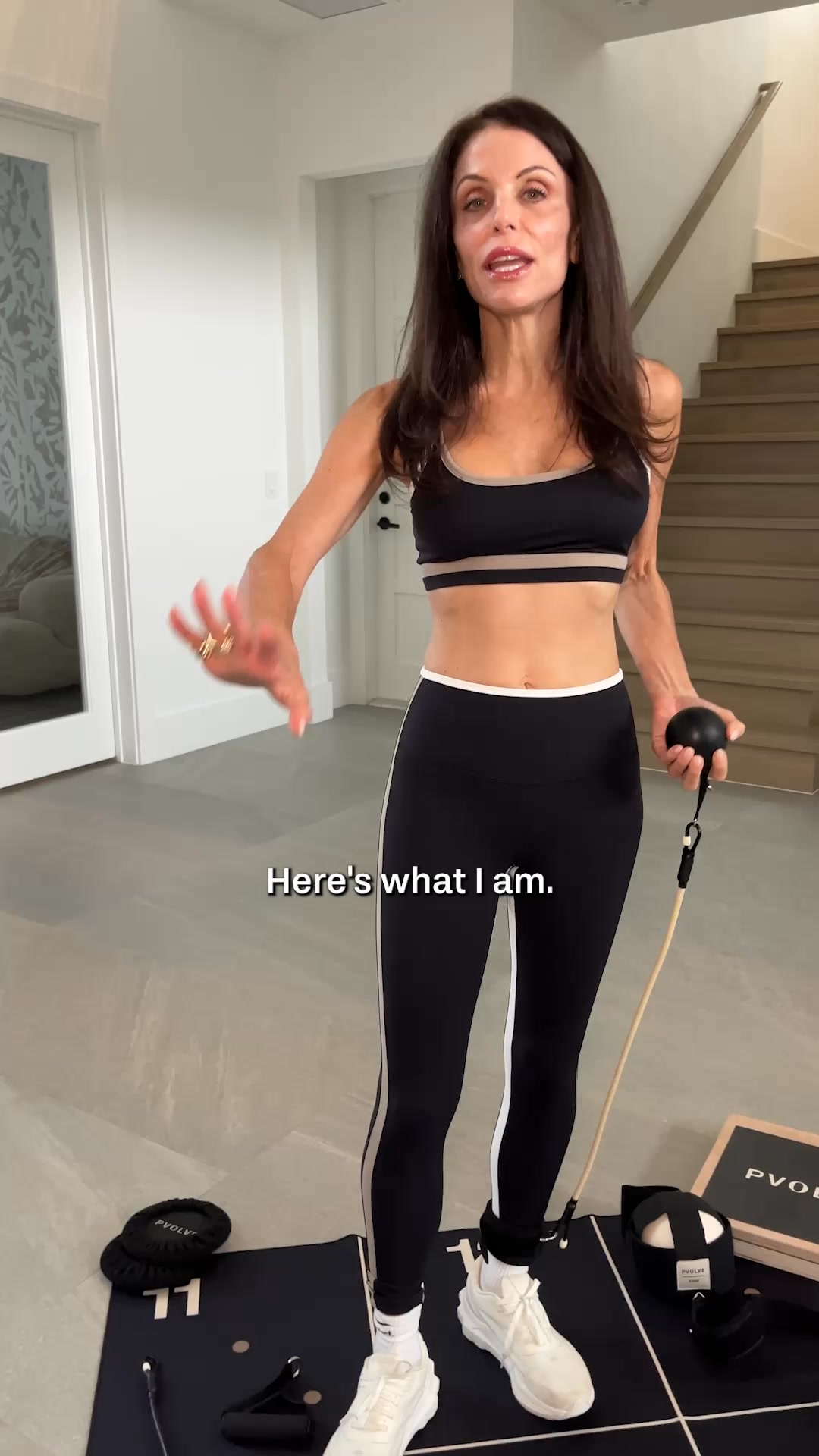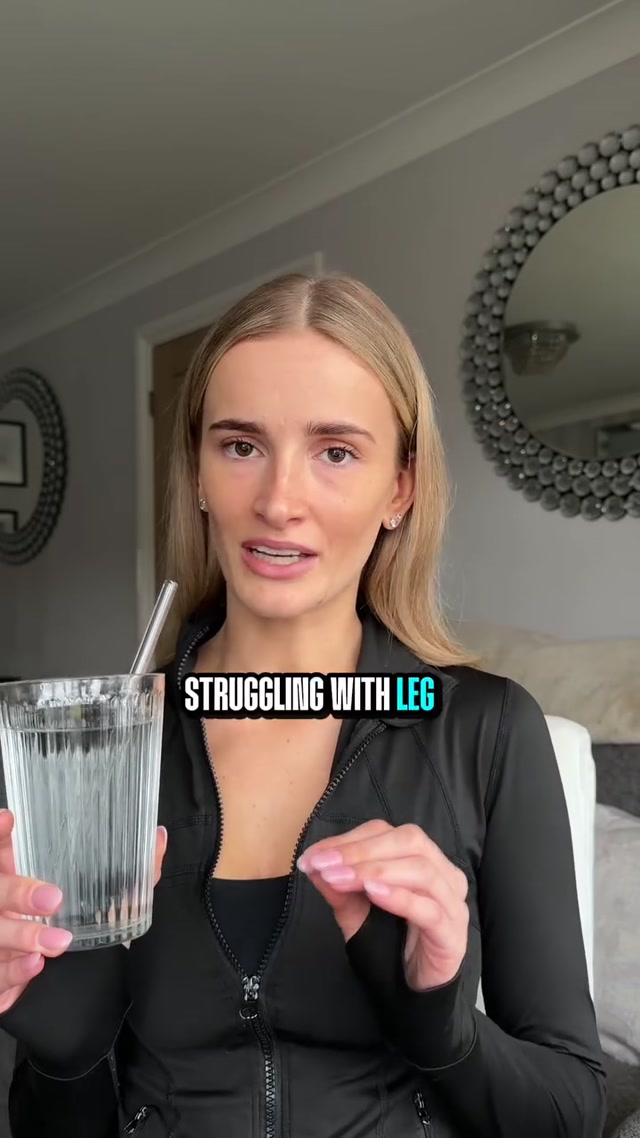
Pulsio's talking head b-roll ad is a 41-second fitness video creative decoded by Heista into 6 structural beats with 17 total cuts. Pulsio's full brand intelligence · Fitness ad hooks
PATTERNMAP™
Loading PatternMap...
Ad Blueprint
Talking Head B-Roll
CategoryFitness
AngleGuarantee Risk Reversal
NarrativeBenefit First
IntentProblem Agitate Solve
Hook Type
Contrast Setup
4.2sDuration
1Shots
5.0sAvg Shot
Energy
Psychology
Loss Aversion
Behavioral ApproachPeer Recommend
Negative Future Projection
Risk Priming
Avoidance Trigger
Fear Of Loss
Every winning ad has a formula. Heista decodes it in seconds.
Pulsio Ad Decoded — Contrast Setup Hook Analysis (41s)
Pulsio's talking head b-roll ad is a 41-second fitness creative decoded by Heista into 6 structural beats. It opens with a Contrast Setup hook — This leverages Contrast Setup by mapping two opposing states (“struggling… but now I don’t have to worry”), which makes the viewer mentally commit to tracking what changed. The Contrast Setup also triggers Relief Anticipation: once the brain sees the relief claim (“don’t have to worry”), it stays to verify how the Pulse air compression boots deliver it. Finally, Specificity Bias is activated through concrete details (“Pulse air compression boots,” “aches and pains”), which makes the transition from claim to mechanism feel testable rather than generic. The psychological mission is Loss Aversion: The viewer feels urgency to fix lingering soreness and missed recovery time, believing waiting longer will keep heavy, fatigued legs from improving. The ad has 17 cuts at an average of 3s per cut, with an average beat duration of 6.8s.
Key Takeaways
Overview
Contrast Setup Hook
This leverages Contrast Setup by mapping two opposing states (“struggling… but now I don’t have to worry”), which makes the viewer mentally commit to tracking what changed. The Contrast Setup also triggers Relief Anticipation: once the brain sees the relief claim (“don’t have to worry”), it stays to verify how the Pulse air compression boots deliver it. Finally, Specificity Bias is activated through concrete details (“Pulse air compression boots,” “aches and pains”), which makes the transition from claim to mechanism feel testable rather than generic. Contrast Setup hook deep-dive
Beat-by-Beat Breakdown
Beat 2 (0:00-0:04) — Contrast Setup: It sets up a before/after contrast: “I’ve already been struggling with leg soreness… but now I don’t have to worry.” Then it positions the upcoming purchase as the bridge to the new state: “I thought I’d treat myself… to help with aches and pains.” This turns the viewer from problem-recognition into anticipation that the solution is coming next.
Beat 3 (0:04-0:11) — Object Intro: It introduces the specific product—“These air compression boots”—and immediately explains what they do: “use powerful air to flush lactic acid and boost your circulation.” It also frames the intended payoff and control lever in one line: “massively helps with soreness and fatigue” and “customisable intensity.”
Beat 4 (0:11-0:20) — Feature Cascade: It runs a rapid feature/value cascade by stacking both the effortless usage claim and a list of benefits: “The process is so easy, you simply zip on, relax… start to feel the pressure ease” followed by “They help with things like leg soreness, circulation, lactic acid builder, heavy legs, workout fatigue.” This converts the product into a dense bundle of quick relief outcomes in one breath, reducing mental effort while the viewer mentally catalogs each promised effect.
Beat 5 (0:20-0:28) — Track Record Proof: It provides personal outcome validation by stating consistent past results: “They've honestly been a game changer for me since starting fitness.” It then adds context-specific effectiveness: “are perfect for an at home recovery after a long intense workout,” which frames the product as already working in the viewer’s real situation.
Beat 6 (0:28-0:35) — You're Not Alone: It shifts the viewer from feeling personally clueless or permanently behind to feeling recognized and supported: “I really wish I knew about these sooner… So if you’re like me… this is your sign…”. It frames the struggle as shared and gives permission to act now by calling it “your sign.”
Beat 7 (0:35-0:41) — Redirect: It directs the viewer to a specific purchase destination: “Head over to the Pulse Air website to purchase yours today.” This tells them exactly where to go and what to do next (buy) rather than continuing to watch.
Behavioral Psychology
This ad activates Loss Aversion as its primary behavioral mission. The viewer feels urgency to fix lingering soreness and missed recovery time, believing waiting longer will keep heavy, fatigued legs from improving. Loss Aversion behavioral mission
Structural Fingerprint
Duration: 41 seconds. Beat count: 6. Total cuts: 17. Average beat duration: 6.8s. Average cut duration: 3s. Average visual energy: 5.3/10. Fitness ad formula reference
Frequently Asked Questions
Why does this Pulsio ad work? This Pulsio talking head b-roll ad opens with a Contrast Setup hook that captures attention in the first 3 seconds. The psychological architecture activates Loss Aversion across 6 structural beats, each contributing a specific persuasion mechanism.
What hook does Pulsio use in this ad? Pulsio opens with a Contrast Setup hook. This leverages Contrast Setup by mapping two opposing states (“struggling… but now I don’t have to worry”), which makes the viewer mentally commit to tracking what changed. The Contrast Setup also triggers Relief Anticipation: once the brain sees the relief claim (“don’t have to worry”), it stays to verify how the Pulse air compression boots deliver it. Finally, Specificity Bias is activated through concrete details (“Pulse air compression boots,” “aches and pains”), which makes the transition from claim to mechanism feel testable rather than generic.
What psychology does this Pulsio ad activate? This ad activates Loss Aversion as its primary behavioral mission. The viewer feels urgency to fix lingering soreness and missed recovery time, believing waiting longer will keep heavy, fatigued legs from improving.
How long is this Pulsio ad and what's the structure? This ad runs 41 seconds with 6 structural beats and 17 cuts. Average cut duration is 3s. The pattern flow follows a full format structure common in talking head b-roll ads.
What platform is this Pulsio ad running on? This talking head b-roll ad is running on facebook. The fitness vertical typically sees strong performance on this platform for talking head b-roll creative structures.
What makes this different from other fitness ads? Most fitness ads lean on generic format templates. Pulsio's version uses a distinct Contrast Setup hook structure paired with Loss Aversion — a combination that over-indexes in high-performing fitness creative.