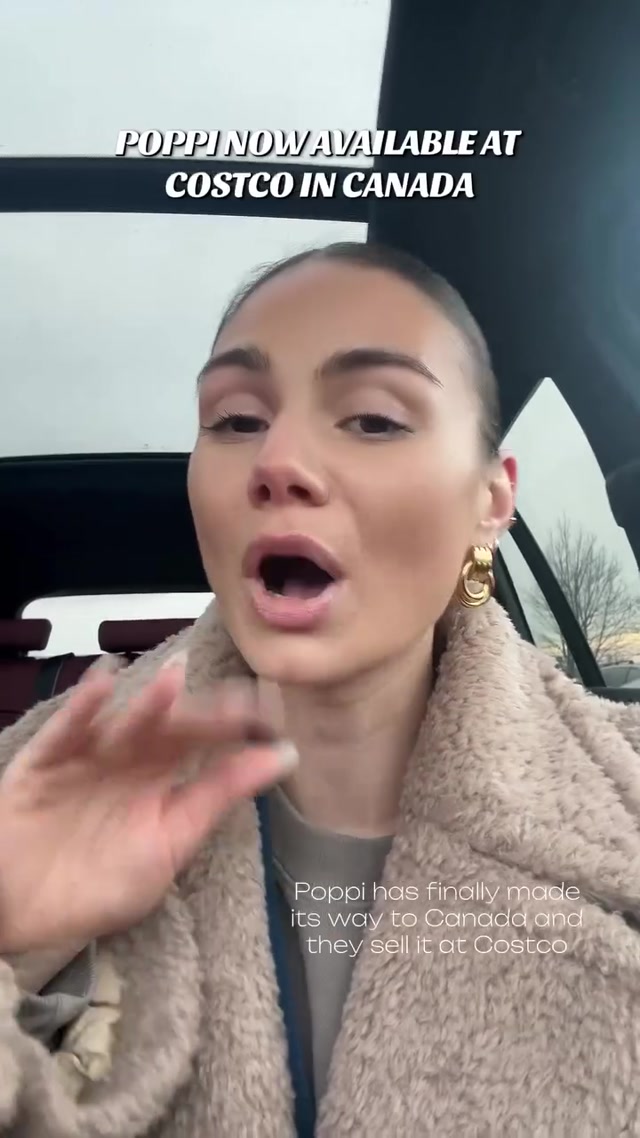
Poppi's talking head product ad is a 50-second food & beverage video creative decoded by Heista into 7 structural beats with 22 total cuts. Poppi's full brand intelligence
PATTERNMAP™
Loading PatternMap...
Ad Blueprint
Talking Head Product
CategoryFood Beverage
AngleSocial Proof Results
NarrativeSocial Proof
IntentMicro Story Payoff Engine
Hook Type
Open Loop Statement
6.5sDuration
4Shots
2.8sAvg Shot
Energy
Cut Points
0.5s1.7s6.0s
Psychology
Loss Aversion
Behavioral ApproachPeer Recommend
Negative Future Projection
Risk Priming
Scarcity Cue
Avoidance Trigger
Fear Of Loss
Every winning ad has a formula. Heista decodes it in seconds.
Poppi Ad Decoded — Open Loop Statement Hook Analysis (50s)
Poppi's talking head product ad is a 50-second food & beverage creative decoded by Heista into 7 structural beats. It opens with a Open Loop Statement hook — This leverages Open Loop Statement mechanics by leaving the core variable (“what mission?”) unspecified right away. That uncertainty creates Continuation Tension—viewers stay because their mental model can’t complete yet. It also triggers Goal-Completion drive: as soon as a mission is declared, the mind anticipates there’s a specific outcome to uncover, so stopping feels premature. The psychological mission is Loss Aversion: The viewer feels reassured that grabbing Poppy at Costco prevents unnecessary sugar intake and missing out on a better option, making the decision feel urgent and safe. The ad has 22 cuts at an average of 3.1s per cut, with an average beat duration of 7.2s.
Key Takeaways
- Opens with a Open Loop Statement hook
- Activates Loss Aversion psychology
- Part of Poppi's full ad strategy
- 22 cuts, averaging 3.1s per cut
Overview
Open Loop Statement Hook
This leverages Open Loop Statement mechanics by leaving the core variable (“what mission?”) unspecified right away. That uncertainty creates Continuation Tension—viewers stay because their mental model can’t complete yet. It also triggers Goal-Completion drive: as soon as a mission is declared, the mind anticipates there’s a specific outcome to uncover, so stopping feels premature. Open Loop Statement hook deep-dive
Beat-by-Beat Breakdown
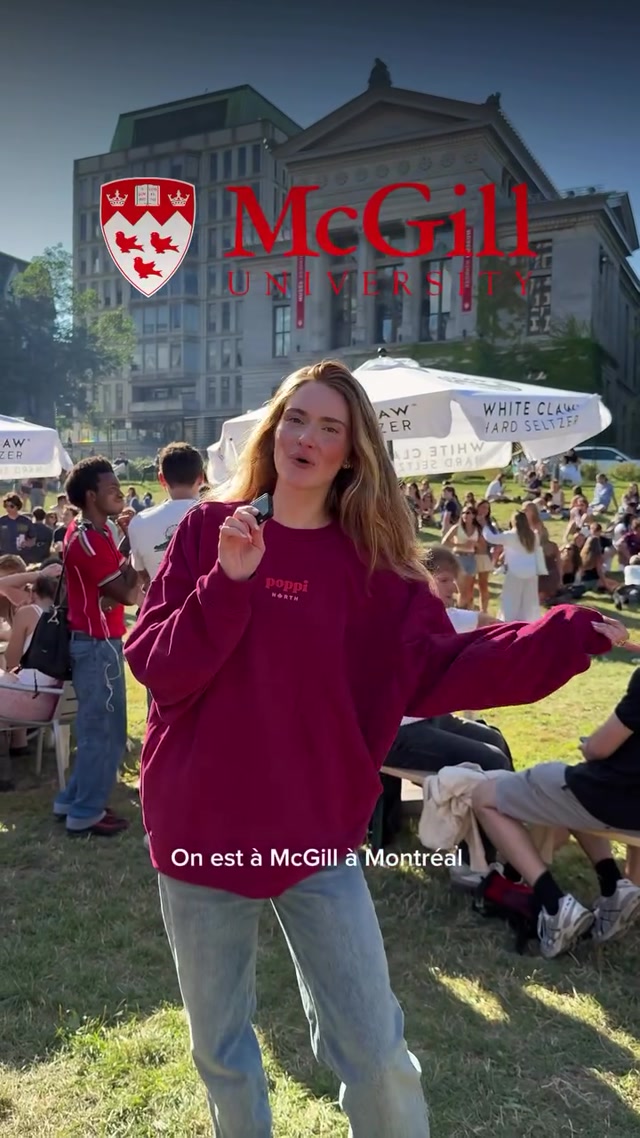
Beat 2 (0:00-0:06) — Open Loop Statement: The speaker opens with an incomplete mission framing: “We’re on a mission.” This sets up an implied upcoming reveal (what the mission is, and what the viewer will be taken through), without providing the missing details in this moment—creating immediate suspense. It pushes the viewer’s brain to keep watching to resolve the unfilled meaning of “mission.”
Beat 3 (0:06-0:15) — Relatability Setup: It uses a shared-life update to connect the viewer: “For those of you who don't know, I stopped drinking alcohol this year…”. It then ties that personal change to the viewer’s likely moment-to-moment needs by adding “so flavored soda has become my thing during special occasions,” explaining why the topic fits them emotionally and practically right now.
Beat 4 (0:15-0:22) — Hidden Problem: It spotlights a mismatch between what the viewer may be buying (“generic, very sugary brand”) and what they actually want (“an option that has less sugar and tastes good”). The key phrasing is “But I'm not a big fan of… generic… sugary brand” followed by “so it's really good to have an option that has less sugar and tastes good,” reframing the issue from “brands” to the underlying problem: unwanted sugar without sacrificing taste.
Beat 5 (0:22-0:31) — Feature Cascade: It runs a rapid decision-and-claim cascade: “Trying to locate the poppy. We found the poppy… I don’t know which one I want to get. We’re getting both.” This stacks quick status updates (searched → found → still deciding → final choice) so the viewer gets a dense sequence of mini-outcomes without pause.
Beat 6 (0:31-0:39) — Metric Proof: It validates the product by attaching a measurable claim: “Each can of poppy only has five grams of sugar.” Then it reframes that number as permission to consume without negative consequences: “so you can enjoy them guilt-free.” The viewer now has a concrete, testable reason to trust the recommendation in this moment.
Beat 7 (0:39-0:48) — The Easy Way: The speaker reframes “maybe you need to pick the best flavor first” into an easier alternative: you don’t have to decide—“I honestly couldn't tell you which was my favorite… They both tasted so good,” then converts that into the next step: “I think you need to bring some poppy home too.” In this moment, the viewer is guided away from comparison/decision stress and toward simple acquisition.
Beat 8 (0:48-0:50) — Soft CTA: It delivers a gentle close CTA by telling the viewer to add something into their own routine: “you need to bring some poppy home too.”
Behavioral Psychology
This ad activates Loss Aversion as its primary behavioral mission. The viewer feels reassured that grabbing Poppy at Costco prevents unnecessary sugar intake and missing out on a better option, making the decision feel urgent and safe. Loss Aversion behavioral mission
Structural Fingerprint
Duration: 50 seconds. Beat count: 7. Total cuts: 22. Average beat duration: 7.2s. Average cut duration: 3.1s. Average visual energy: 5.4/10.
Frequently Asked Questions
Why does this Poppi ad work? This Poppi talking head product ad opens with a Open Loop Statement hook that captures attention in the first 3 seconds. The psychological architecture activates Loss Aversion across 7 structural beats, each contributing a specific persuasion mechanism.
What hook does Poppi use in this ad? Poppi opens with a Open Loop Statement hook. This leverages Open Loop Statement mechanics by leaving the core variable (“what mission?”) unspecified right away. That uncertainty creates Continuation Tension—viewers stay because their mental model can’t complete yet. It also triggers Goal-Completion drive: as soon as a mission is declared, the mind anticipates there’s a specific outcome to uncover, so stopping feels premature.
What psychology does this Poppi ad activate? This ad activates Loss Aversion as its primary behavioral mission. The viewer feels reassured that grabbing Poppy at Costco prevents unnecessary sugar intake and missing out on a better option, making the decision feel urgent and safe.
How long is this Poppi ad and what's the structure? This ad runs 50 seconds with 7 structural beats and 22 cuts. Average cut duration is 3.1s. The pattern flow follows a full format structure common in talking head product ads.
What platform is this Poppi ad running on? This talking head product ad is running on facebook. The food & beverage vertical typically sees strong performance on this platform for talking head product creative structures.
What makes this different from other food & beverage ads? Most food & beverage ads lean on generic format templates. Poppi's version uses a distinct Open Loop Statement hook structure paired with Loss Aversion — a combination that over-indexes in high-performing food & beverage creative.