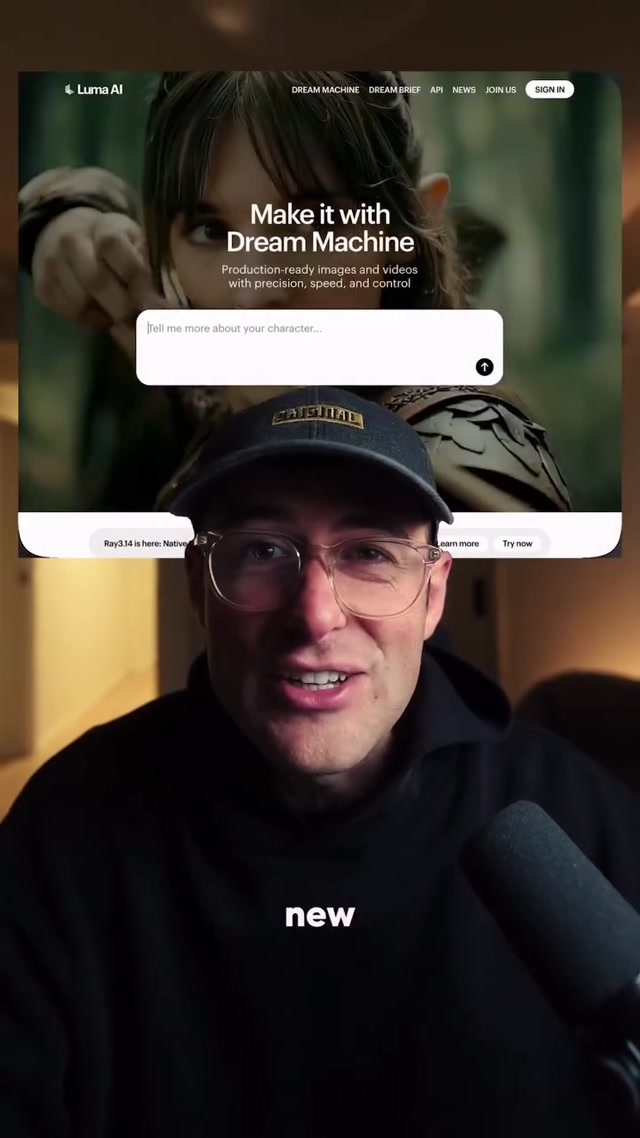
Luma AI's talking head screen ad is a 57-second saas & software video creative decoded by Heista into 7 structural beats with 13 total cuts. Luma AI's full brand intelligence
PATTERNMAP™
Loading PatternMap...
Ad Blueprint
Talking Head Screen
CategorySaas Software
AngleHow To Tutorial
NarrativeProduct First
IntentDiscovery Education Driver
Hook Type
Provocation
6.5sDuration
4Shots
1.7sAvg Shot
Energy
Cut Points
1.4s2.1s2.8s
Psychology
Novelty Reward
Behavioral ApproachSell Product Direct
Pattern Break
Unexpected Fact
Counterintuitive Reveal
Novelty Spike
Micro Discovery
Every winning ad has a formula. Heista decodes it in seconds.
Luma AI Ad Decoded — Provocation Hook Analysis (57s)
Luma AI's talking head screen ad is a 57-second saas & software creative decoded by Heista into 7 structural beats. It opens with a Provocation hook — This leverages Provocation by creating an immediate emotional jolt—your brain flags “insane” as a high-salience claim worth verifying. That triggers a Curiosity Spike: you keep watching to resolve whether the hype is real, because the statement sets an expectation that the next details will justify the intensity. The psychological mission is Novelty Reward: The viewer feels a strong burst of excitement and surprise as the product is framed as a genuinely new kind of creative workflow that handles the whole project end to end, making the experience feel instantly more capable and impressive than typical AI tools. The ad has 13 cuts at an average of 5.3s per cut, with an average beat duration of 8.2s.
Key Takeaways
- Opens with a Provocation hook
- Activates Novelty Reward psychology
- Part of Luma AI's full ad strategy
- 13 cuts, averaging 5.3s per cut
Overview
Provocation Hook
This leverages Provocation by creating an immediate emotional jolt—your brain flags “insane” as a high-salience claim worth verifying. That triggers a Curiosity Spike: you keep watching to resolve whether the hype is real, because the statement sets an expectation that the next details will justify the intensity. Provocation hook deep-dive
Beat-by-Beat Breakdown
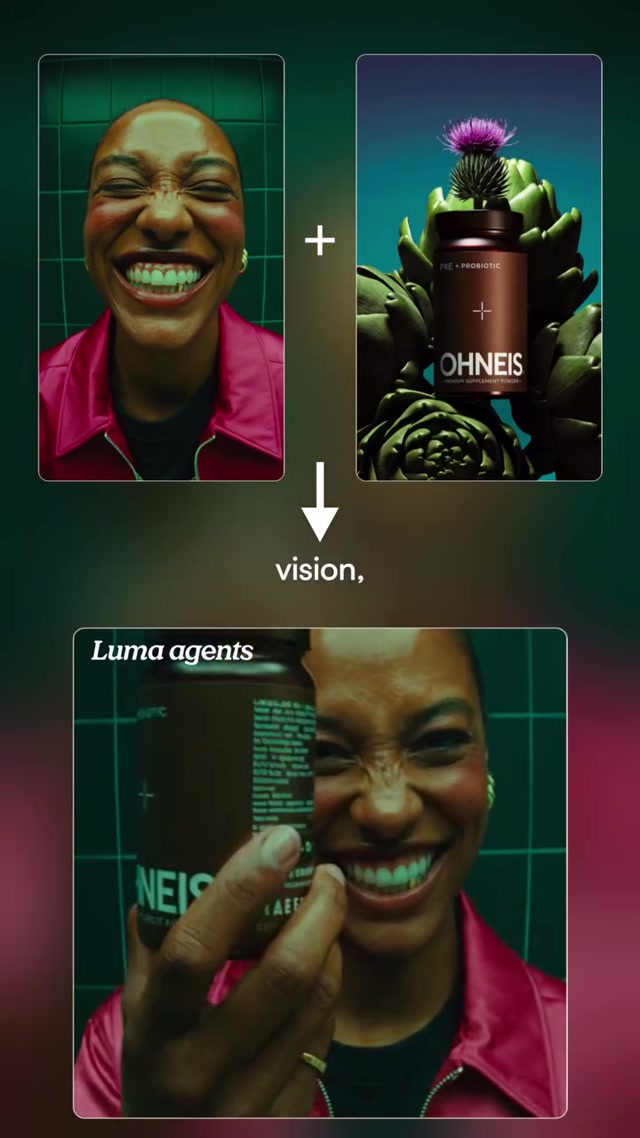
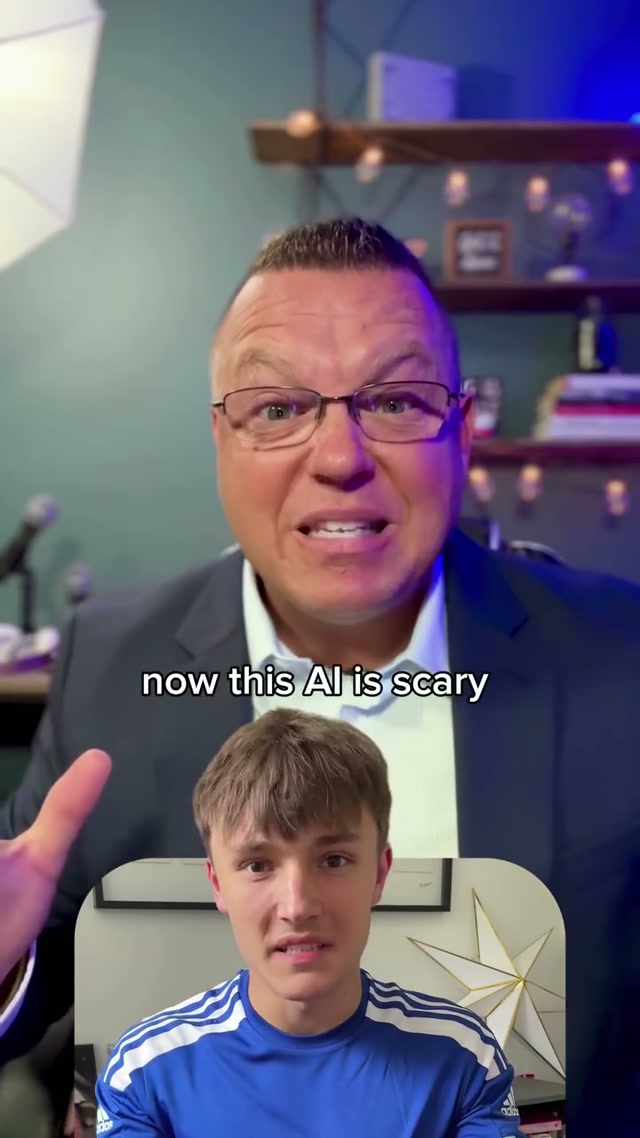
Beat 2 (0:00-0:06) — Provocation: It opens with a bold, extreme claim: “Luma just dropped their new creative agents and they’re insane.” The phrasing “they’re insane” is a confrontational exaggeration that signals the viewer is about to see something unusually impressive.
Beat 3 (0:06-0:18) — Topic Definition: It defines the core theme by stating what Luma “creates with you” and where it happens: “Luma creates with you images, video, audio, text, all on one canvas.” This immediately tells the viewer the video is about a unified, all-in-one creative workspace rather than separate tools.
Beat 4 (0:18-0:33) — Feature Cascade: It rapidly stacks what the agents “understand” as a dense feature list: “your entire project, including how things move, behave in physical space, and how light and motion work.” Then it seals the value with a direct promise: “no need to prompt once and hope for the best.”
Beat 5 (0:33-0:43) — Feature Cascade: It stacks multiple product capabilities in one breath: “back-and-forth conversations,” “it iterates with you,” “generates variations,” “picking the right models,” and “keeping style consistency across shots.” This creates a dense “everything is handled for you” value run-up, so the viewer mentally ticks off feature after feature without needing to wait for a separate explanation for each one.
Beat 6 (0:43-0:49) — Metric Proof: It uses measurable output to validate the tool: “generate 12 different product variations” and then claims completeness with “it wrote every single prompt on its own.” This turns the viewer’s uncertainty into a concrete performance check—12 variations, 100% completion—right in the middle of the video.
Beat 7 (0:49-0:54) — Overwhelm → Control: It reframes the usual “juggling separate apps” workflow into a controlled, unified system: “The canvas is multiplayer… collaborate in real time—no more juggling separate apps; you just direct and the agents orchestrate the rest.” This shifts the viewer from chaos-management to command-and-control, making the process feel simpler and more manageable in the moment.
Beat 8 (0:54-0:57) — Comment Prompt: It ends with a direct comment instruction: “comment AI and I’ll send you the link.” This converts passive watching into an immediate, low-effort interaction that also gates access to the resource.
Behavioral Psychology
This ad activates Novelty Reward as its primary behavioral mission. The viewer feels a strong burst of excitement and surprise as the product is framed as a genuinely new kind of creative workflow that handles the whole project end to end, making the experience feel instantly more capable and impressive than typical AI tools. Novelty Reward behavioral mission
Structural Fingerprint
Duration: 57 seconds. Beat count: 7. Total cuts: 13. Average beat duration: 8.2s. Average cut duration: 5.3s. Average visual energy: 2.9/10.
Frequently Asked Questions
Why does this Luma AI ad work? This Luma AI talking head screen ad opens with a Provocation hook that captures attention in the first 3 seconds. The psychological architecture activates Novelty Reward across 7 structural beats, each contributing a specific persuasion mechanism.
What hook does Luma AI use in this ad? Luma AI opens with a Provocation hook. This leverages Provocation by creating an immediate emotional jolt—your brain flags “insane” as a high-salience claim worth verifying. That triggers a Curiosity Spike: you keep watching to resolve whether the hype is real, because the statement sets an expectation that the next details will justify the intensity.
What psychology does this Luma AI ad activate? This ad activates Novelty Reward as its primary behavioral mission. The viewer feels a strong burst of excitement and surprise as the product is framed as a genuinely new kind of creative workflow that handles the whole project end to end, making the experience feel instantly more capable and impressive than typical AI tools.
How long is this Luma AI ad and what's the structure? This ad runs 57 seconds with 7 structural beats and 13 cuts. Average cut duration is 5.3s. The pattern flow follows a full format structure common in talking head screen ads.
What platform is this Luma AI ad running on? This talking head screen ad is running on facebook. The saas & software vertical typically sees strong performance on this platform for talking head screen creative structures.
What makes this different from other saas & software ads? Most saas & software ads lean on generic format templates. Luma AI's version uses a distinct Provocation hook structure paired with Novelty Reward — a combination that over-indexes in high-performing saas & software creative.