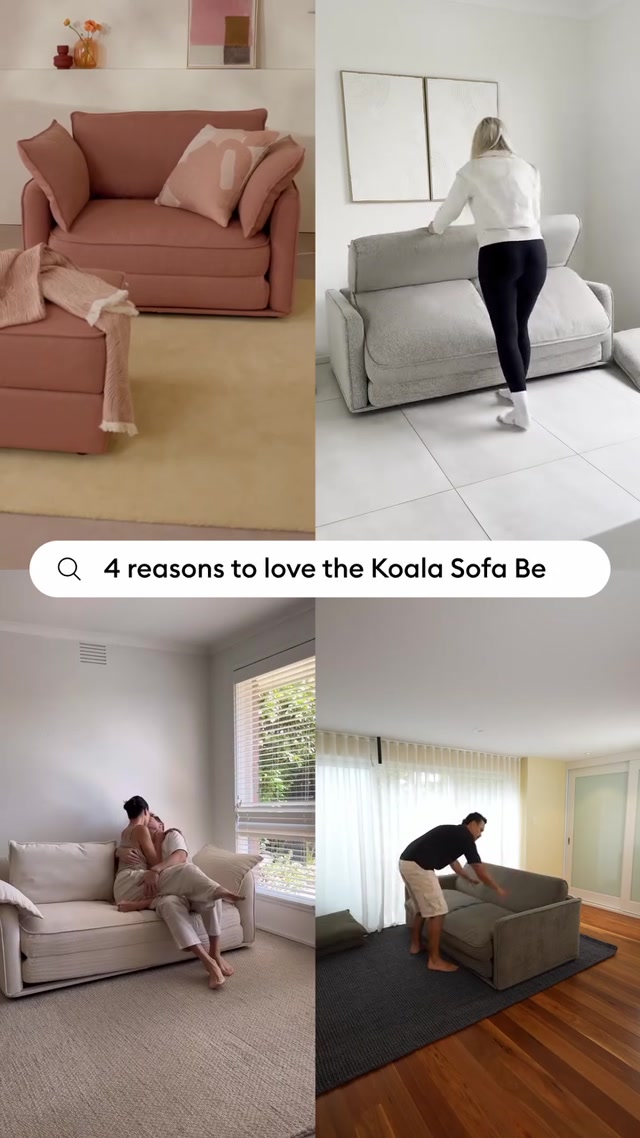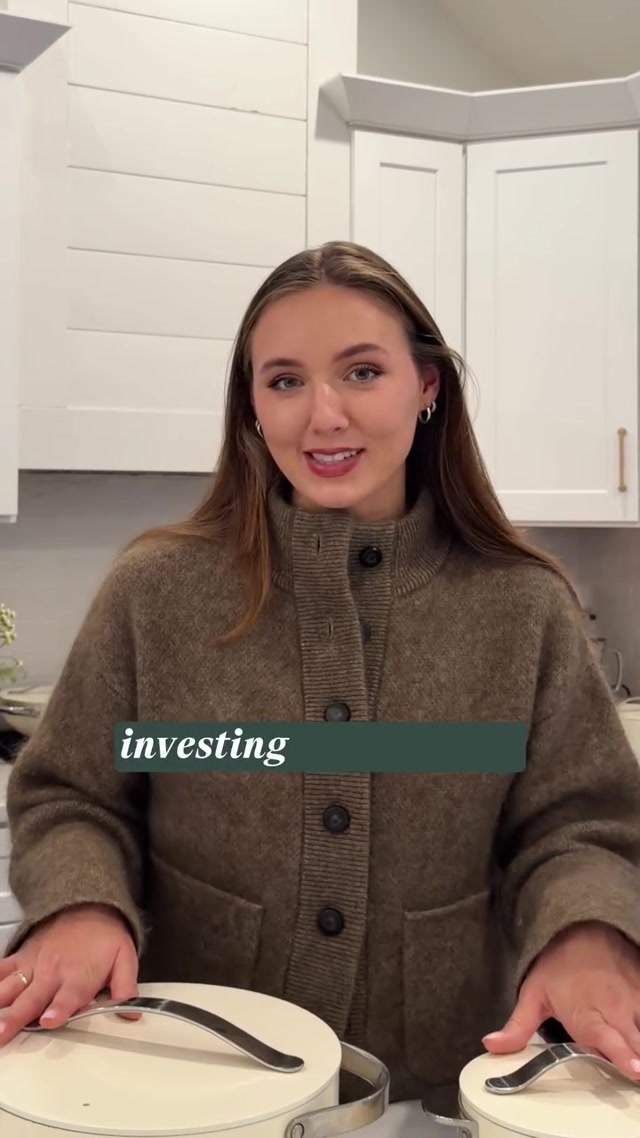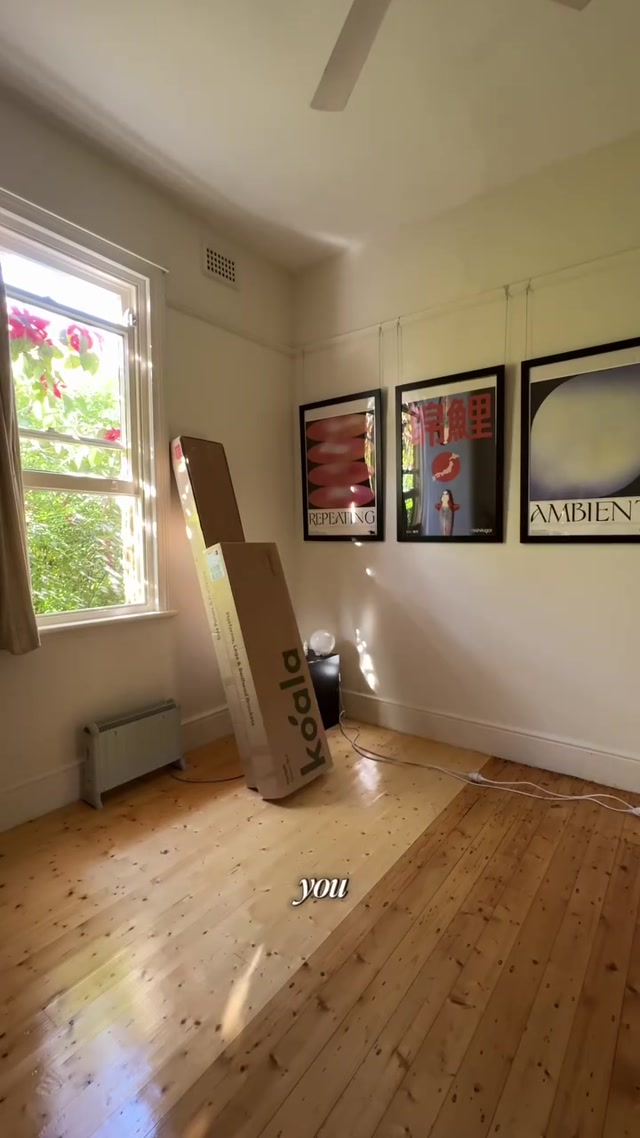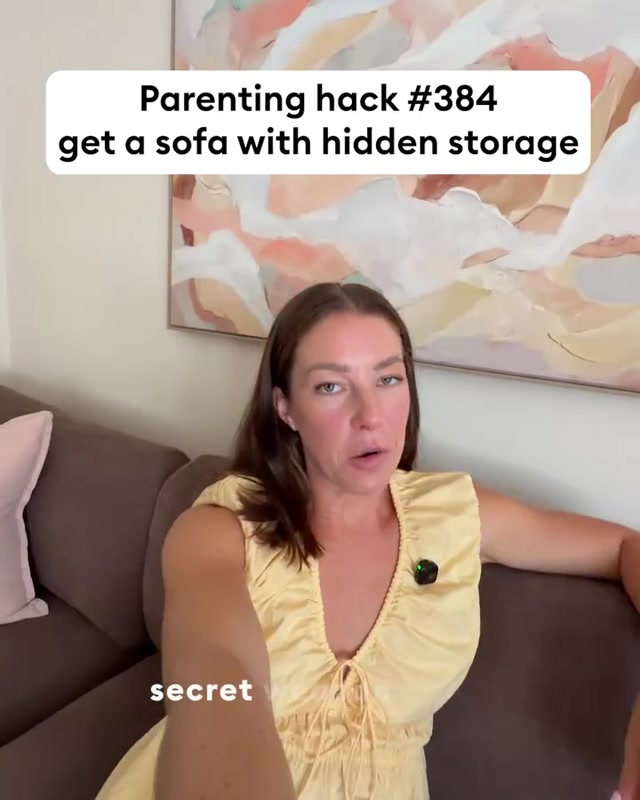
Koala's talking head b-roll ad is a 38-second home & living video creative decoded by Heista into 8 structural beats with 27 total cuts. Koala's full brand intelligence
PATTERNMAP™
Loading PatternMap...
Ad Blueprint
Talking Head B-Roll
CategoryHome Living
AngleProblem Solution
NarrativePain To Relief
IntentProblem Agitate Solve
Hook Type
Conflict Statement
6.5sDuration
5Shots
1.5sAvg Shot
Energy
Cut Points
1.7s3.4s4.7s6.0s
Psychology
Loss Aversion
Behavioral ApproachPeer Recommend
Negative Future Projection
Risk Priming
Avoidance Trigger
Fear Of Loss
Scarcity Cue
Every winning ad has a formula. Heista decodes it in seconds.
Koala Ad Decoded — Conflict Statement Hook Analysis (38s)
Koala's talking head b-roll ad is a 38-second home & living creative decoded by Heista into 8 structural beats. It opens with a Conflict Statement hook — This leverages Conflict Statement to activate narrative stakes immediately: the viewer feels a mismatch between the positive identity (“I love my kids”) and the negative outcome (“what they've done to my living room”), so staying on-screen is necessary to resolve the tension. It also uses Cognitive Dissonance by holding two incompatible feelings in one sentence, which increases discomfort and pushes the viewer to keep watching until the “secret weapon” is revealed. The psychological mission is Loss Aversion: The viewer feels urgency to stop the recurring mess and painful moments by imagining a future where toys and accidents are contained, making the sofa bed feel like an immediate win. The ad has 27 cuts at an average of 1.4s per cut, with an average beat duration of 4.8s.
Key Takeaways
- Opens with a Conflict Statement hook
- Activates Loss Aversion psychology
- Part of Koala's full ad strategy
- 27 cuts, averaging 1.4s per cut
Overview
Conflict Statement Hook
This leverages Conflict Statement to activate narrative stakes immediately: the viewer feels a mismatch between the positive identity (“I love my kids”) and the negative outcome (“what they've done to my living room”), so staying on-screen is necessary to resolve the tension. It also uses Cognitive Dissonance by holding two incompatible feelings in one sentence, which increases discomfort and pushes the viewer to keep watching until the “secret weapon” is revealed. Conflict Statement hook deep-dive
Beat-by-Beat Breakdown
Beat 2 (0:00-0:06) — Conflict Statement: It sets up a clear emotional tension: “Look, I love my kids, but I do not love what they've done to my living room.” The “love… but I do not love” structure frames the sofa/Lego situation as an ongoing problem battle that needs a fix, not a neutral observation.
Beat 3 (0:06-0:13) — Inefficiency Pain: It spotlights wasted effort by contrasting “an hour cleaning up” with “five minutes later, it’s a mess again.” Then it re-frames the cause as a surprise “hidden” possibility: “What if your sofa was hiding something?”
Beat 4 (0:13-0:18) — Feature Breakdown: It spotlights one specific feature—“hidden storage”—and immediately ties it to a concrete use case: “which makes it the perfect place to hide all the toys.” This turns the sofa bed’s storage from a bland spec into an outcome the viewer can picture right away.
Beat 5 (0:18-0:23) — Feature Cascade: It uses a rapid “next trick” feature cascade to keep the transformation visually and specifically moving: “And for its next trick, it pulls out into a day bed and a queen size bed.”
Beat 6 (0:23-0:28) — Track Record Proof: It references prior customer/market validation: “The Wanda is award-winning and has glowing reviews.” Then it stacks performance reassurance with a sensory claim and a practicality claim: “These fabrics are so buttery soft and they’re spill resistant.”
Beat 7 (0:28-0:34) — Feature Breakdown: It’s breaking down a specific offer feature set: “you get a 120 night trial” plus the assembly constraint “you don't need any tools to put it together.” In this moment, the viewer’s brain treats the product as low-risk (try it for 120 nights) and low-effort (no tools needed), reducing friction to proceed.
Beat 8 (0:34-0:37) — Perspective Flip: The beat flips the viewer’s mental picture from “stepping on Lego is just an annoying accident” to “this is something you should actively avoid happening again.” The phrasing “You never want to step on Lego again?” forces a threat-to-identity shift: your next step should be prevention, not acceptance.
Beat 9 (0:37-0:38) — Redirect: The close redirects the viewer straight to a purchase/landing destination: “Check out the Wanda at koala.com.” That line moves the viewer from consuming the content to visiting an external site, making the next step unambiguous.
Behavioral Psychology
This ad activates Loss Aversion as its primary behavioral mission. The viewer feels urgency to stop the recurring mess and painful moments by imagining a future where toys and accidents are contained, making the sofa bed feel like an immediate win. Loss Aversion behavioral mission
Structural Fingerprint
Duration: 38 seconds. Beat count: 8. Total cuts: 27. Average beat duration: 4.8s. Average cut duration: 1.4s. Average visual energy: 8/10.
Frequently Asked Questions
Why does this Koala ad work? This Koala talking head b-roll ad opens with a Conflict Statement hook that captures attention in the first 3 seconds. The psychological architecture activates Loss Aversion across 8 structural beats, each contributing a specific persuasion mechanism.
What hook does Koala use in this ad? Koala opens with a Conflict Statement hook. This leverages Conflict Statement to activate narrative stakes immediately: the viewer feels a mismatch between the positive identity (“I love my kids”) and the negative outcome (“what they've done to my living room”), so staying on-screen is necessary to resolve the tension. It also uses Cognitive Dissonance by holding two incompatible feelings in one sentence, which increases discomfort and pushes the viewer to keep watching until the “secret weapon” is revealed.
What psychology does this Koala ad activate? This ad activates Loss Aversion as its primary behavioral mission. The viewer feels urgency to stop the recurring mess and painful moments by imagining a future where toys and accidents are contained, making the sofa bed feel like an immediate win.
How long is this Koala ad and what's the structure? This ad runs 38 seconds with 8 structural beats and 27 cuts. Average cut duration is 1.4s. The pattern flow follows a full format structure common in talking head b-roll ads.
What platform is this Koala ad running on? This talking head b-roll ad is running on facebook. The home & living vertical typically sees strong performance on this platform for talking head b-roll creative structures.
What makes this different from other home & living ads? Most home & living ads lean on generic format templates. Koala's version uses a distinct Conflict Statement hook structure paired with Loss Aversion — a combination that over-indexes in high-performing home & living creative.