DrinkLMNT's talking head b-roll ad is a 30-second health & supplements video creative decoded by Heista into 6 structural beats with 25 total cuts. DrinkLMNT's full brand intelligence
Facebook Ad
0:30
DrinkLMNT
Heisted: Jul 7, 2026
PATTERNMAP™
Loading PatternMap...
Ad Blueprint
Talking Head B-Roll
CategoryHealth Supplements
AngleProblem Solution
NarrativePain To Relief
IntentSocial Proof Accelerator
Hook Type
Pattern Observation
3.5sDuration
4Shots
1.2sAvg Shot
Energy
Cut Points
1.0s2.2s3.5s
Psychology
Threat Reduction
Behavioral ApproachPeer Recommend
Reassurance Statement
Uncertainty Resolution
Fear Cancellation
Soothing Tone
Every winning ad has a formula. Heista decodes it in seconds.
DrinkLMNT Ad Decoded — Pattern Observation Hook Analysis (30s)
DrinkLMNT's talking head b-roll ad is a 30-second health & supplements creative decoded by Heista into 6 structural beats. It opens with a Pattern Observation hook — This leverages Pattern Observation by making a recognizable “X helped with Y” relationship feel like a repeatable pattern. It also uses Authority Heuristic (implied experiential authority) because the speaker’s “helped me” framing gives the claim a concrete source. Once the viewer hears “cramps,” Recognition-Based Attention pulls focus to their own symptom-matching, increasing the chance they keep watching for the implied mechanism or method. The psychological mission is Threat Reduction: The viewer feels their cramp and low-sodium worry is neutralized, replaced by calm confidence that symptoms won’t derail their work. The ad has 25 cuts at an average of 1.5s per cut, with an average beat duration of 5s.
Key Takeaways
- Opens with a Pattern Observation hook
- Activates Threat Reduction psychology
- Part of DrinkLMNT's full ad strategy
- 25 cuts, averaging 1.5s per cut
Overview
Pattern Observation Hook
This leverages Pattern Observation by making a recognizable “X helped with Y” relationship feel like a repeatable pattern. It also uses Authority Heuristic (implied experiential authority) because the speaker’s “helped me” framing gives the claim a concrete source. Once the viewer hears “cramps,” Recognition-Based Attention pulls focus to their own symptom-matching, increasing the chance they keep watching for the implied mechanism or method. Pattern Observation hook deep-dive
Beat-by-Beat Breakdown
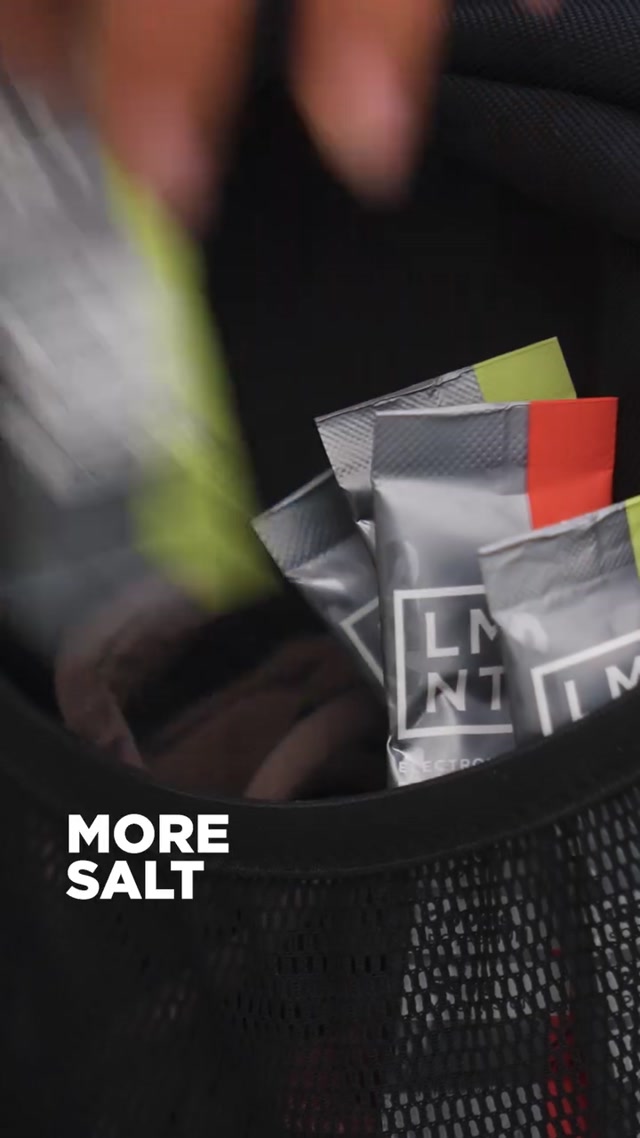
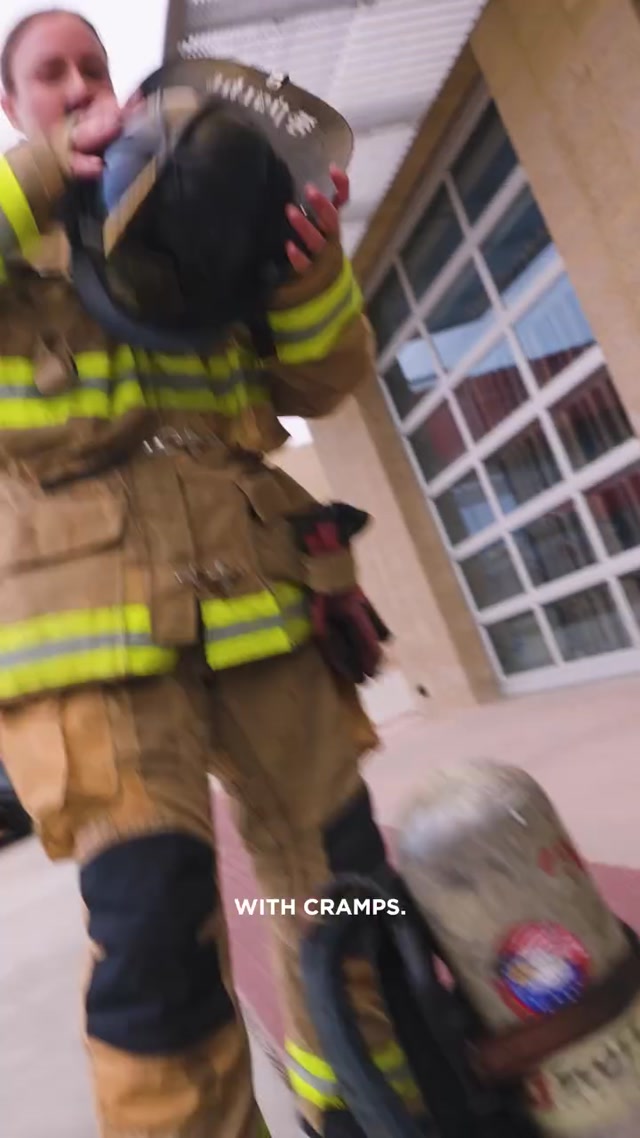
Beat 2 (0:00-0:03) — Pattern Observation: It states a personal outcome claim: “Element helped me with cramps.” This positions the viewer to expect a recurring solution pattern (something like “this works for cramps”) rather than asking them to consider an abstract idea, so the brain treats it as a relevant example from the start.
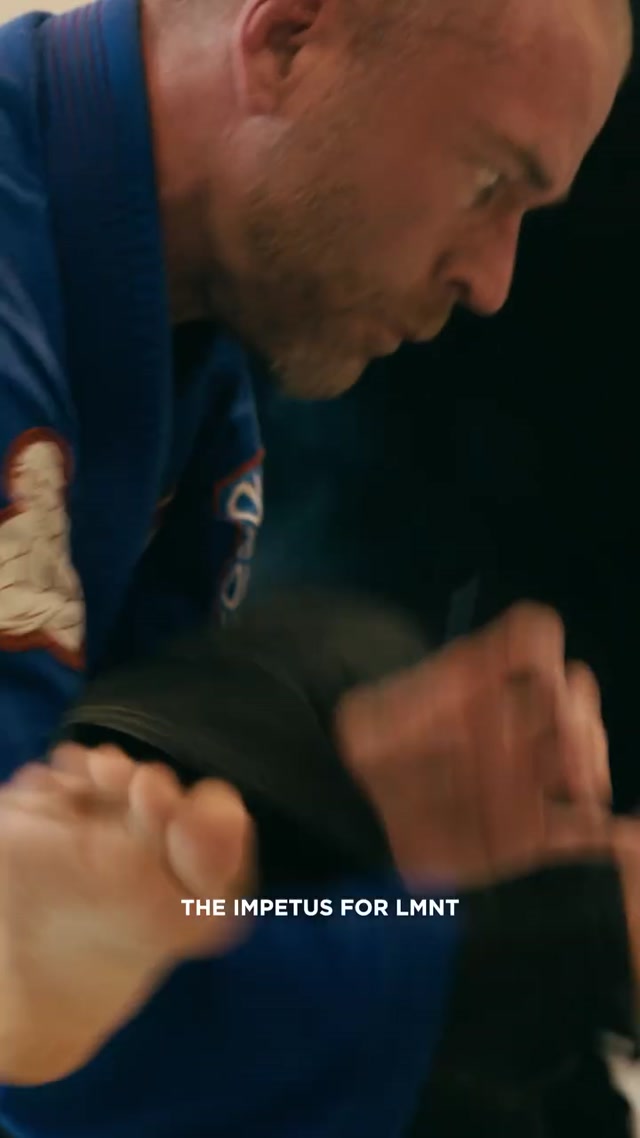
Beat 3 (0:03-0:09) — Goal Context: It ties a workplace problem directly to the viewer’s higher objective by saying a cramp “is going to slow me down” and then reframes that cost as a moral/mission failure: “Then I'm doing a disservice to the people I'm serving.” This moment shifts the reason for attention from the injury itself to the outcome the speaker is accountable for.
Beat 4 (0:09-0:13) — Hidden Problem: It reframes the real issue behind feeling wiped out during physical activity: “you need to replenish your sodium.” Instead of blaming training or effort, it points to low sodium as the underlying cause, reinforced by “I'm proof of that from being wiped out from episodes with low sodium.”
Beat 5 (0:13-0:22) — Before/After Explanation: It draws a direct before/after outcome claim: “Since I started using Element, I’ve never had an episode like that again.” This contrasts the prior state (an episode happened) with the post-use state (it never happens again).
Beat 6 (0:22-0:26) — Before/After Proof: It confirms a before/after outcome: “The fact that that isn't a concern in my day-to-day life anymore is huge.” That phrasing positions the change as going from a recurring problem to no longer showing up in daily life.
Beat 7 (0:26-0:30) — Punchline: Delivers a single-word punctuating tag: “ELEMENT.” This functions like a final label that re-centers the viewer on the core concept at the end of the video segment.
Behavioral Psychology
This ad activates Threat Reduction as its primary behavioral mission. The viewer feels their cramp and low-sodium worry is neutralized, replaced by calm confidence that symptoms won’t derail their work. Threat Reduction behavioral mission
Structural Fingerprint
Duration: 30 seconds. Beat count: 6. Total cuts: 25. Average beat duration: 5s. Average cut duration: 1.5s. Average visual energy: 7.7/10.
Frequently Asked Questions
Why does this DrinkLMNT ad work? This DrinkLMNT talking head b-roll ad opens with a Pattern Observation hook that captures attention in the first 3 seconds. The psychological architecture activates Threat Reduction across 6 structural beats, each contributing a specific persuasion mechanism.
What hook does DrinkLMNT use in this ad? DrinkLMNT opens with a Pattern Observation hook. This leverages Pattern Observation by making a recognizable “X helped with Y” relationship feel like a repeatable pattern. It also uses Authority Heuristic (implied experiential authority) because the speaker’s “helped me” framing gives the claim a concrete source. Once the viewer hears “cramps,” Recognition-Based Attention pulls focus to their own symptom-matching, increasing the chance they keep watching for the implied mechanism or method.
What psychology does this DrinkLMNT ad activate? This ad activates Threat Reduction as its primary behavioral mission. The viewer feels their cramp and low-sodium worry is neutralized, replaced by calm confidence that symptoms won’t derail their work.
How long is this DrinkLMNT ad and what's the structure? This ad runs 30 seconds with 6 structural beats and 25 cuts. Average cut duration is 1.5s. The pattern flow follows a full format structure common in talking head b-roll ads.
What platform is this DrinkLMNT ad running on? This talking head b-roll ad is running on facebook. The health & supplements vertical typically sees strong performance on this platform for talking head b-roll creative structures.
What makes this different from other health & supplements ads? Most health & supplements ads lean on generic format templates. DrinkLMNT's version uses a distinct Pattern Observation hook structure paired with Threat Reduction — a combination that over-indexes in high-performing health & supplements creative.