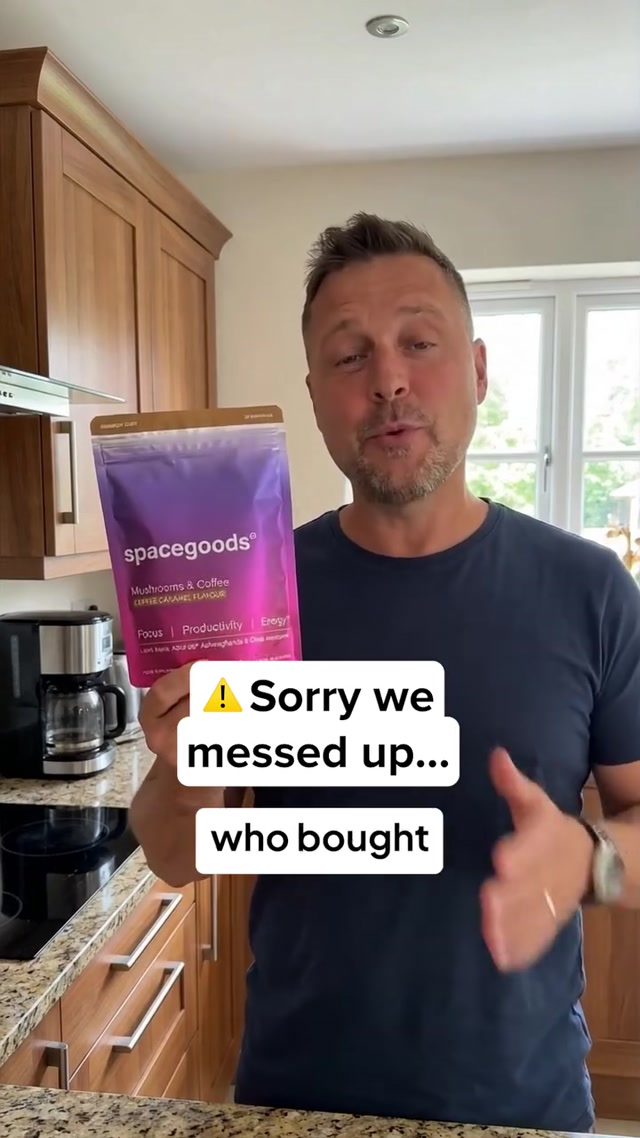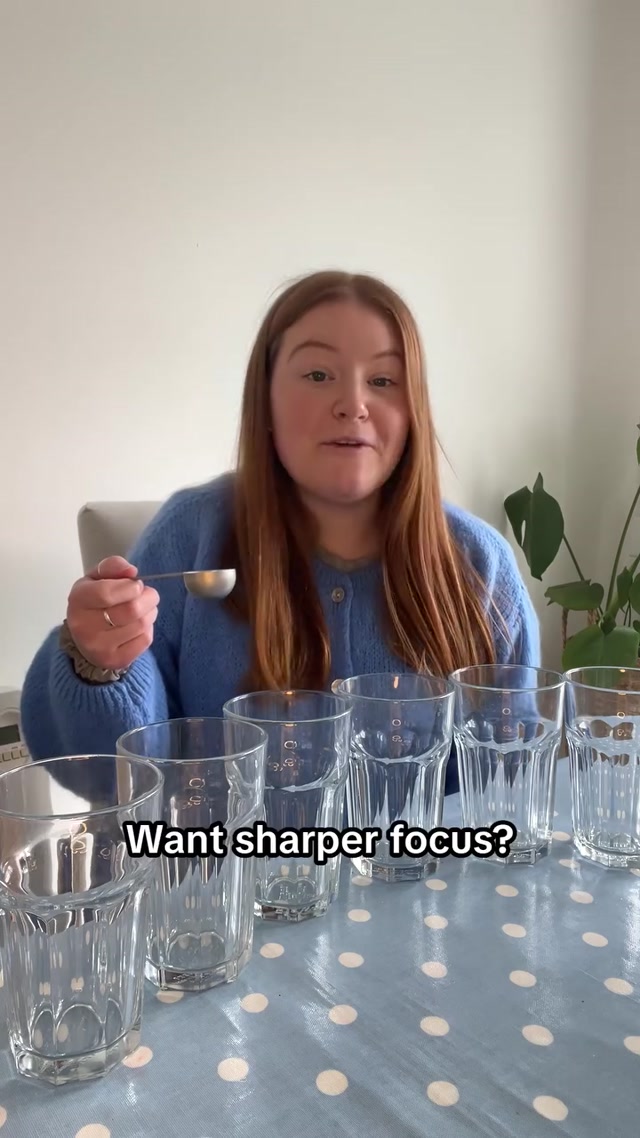
Hyro's voiceover b-roll ad is a 42-second health & supplements video creative decoded by Heista into 6 structural beats with 16 total cuts. Hyro's full brand intelligence
PATTERNMAP™
Loading PatternMap...
Ad Blueprint
Voiceover B-Roll
CategoryHealth Supplements
AngleProblem Solution
NarrativePain To Relief
IntentDiscovery Education Driver
Hook Type
Data Point Start
6.5sDuration
3Shots
2.4sAvg Shot
Energy
Cut Points
2.9s5.2s
Psychology
Loss Aversion
Behavioral ApproachSoft Sell Value Frame
Negative Future Projection
Risk Priming
Avoidance Trigger
Fear Of Loss
Every winning ad has a formula. Heista decodes it in seconds.
Hyro Ad Decoded — Data Point Start Hook Analysis (42s)
Hyro's voiceover b-roll ad is a 42-second health & supplements creative decoded by Heista into 6 structural beats. It opens with a Data Point Start hook — This leverages Authority Bias and Specificity Bias: “Studies show” borrows credibility, while “within 60 minutes” makes the instruction feel concrete and actionable rather than vague. The combination also triggers High Stakes Open—because the viewer is told there’s a narrow window where doing the right thing matters—so they can’t easily dismiss it and are more likely to stay for the missing details. The psychological mission is Loss Aversion: The viewer feels urgency to avoid next day soreness and ruined training by replacing sweat-lost minerals immediately, making the recovery choice feel necessary rather than optional. The ad has 16 cuts at an average of 2.8s per cut, with an average beat duration of 6.9s.
Key Takeaways
- Opens with a Data Point Start hook
- Activates Loss Aversion psychology
- Part of Hyro's full ad strategy
- 16 cuts, averaging 2.8s per cut
Overview
Data Point Start Hook
This leverages Authority Bias and Specificity Bias: “Studies show” borrows credibility, while “within 60 minutes” makes the instruction feel concrete and actionable rather than vague. The combination also triggers High Stakes Open—because the viewer is told there’s a narrow window where doing the right thing matters—so they can’t easily dismiss it and are more likely to stay for the missing details. Data Point Start hook deep-dive
Beat-by-Beat Breakdown
Beat 2 (0:00-0:06) — Data Point Start: It leads with a quantified authority claim: “Studies show that this is the most important thing to do within 60 minutes of finishing your run.” That specific time window (“within 60 minutes”) and the ranking (“most important thing”) immediately frame the next steps as urgent and time-bound, pushing the viewer to keep watching to learn what the “thing” is.
Beat 3 (0:06-0:14) — Relatability Setup: The speaker uses a personal “I used to…” confession to connect with the viewer’s likely training mistakes: “I used to smash water every run because I thought that's just what you're supposed to do.” They immediately attach the consequence to make it feel real and relatable: “but I was always ruined the next day. Sore with heavy legs and I couldn't back up my training.”
Beat 4 (0:14-0:20) — Hidden Problem: It reveals a less obvious underlying issue: when you sweat, your body “loses three key minerals” ("Sodium, potassium and magnesium"), while “Water has none of them.” This reframes hydration from a simple water problem into a mineral-loss problem, creating tension that the viewer’s current approach is missing the real cause.
Beat 5 (0:20-0:30) — Feature Cascade: The beat stacks specific recovery “inputs” and product claims in rapid succession: “higher within five minutes… 500 milligrams of sodium, 250 milligrams of potassium and 100 milligrams of magnesium… And it’s sugar-free, literally purpose-built for recovery.” It turns the product into a dense list of measurable components plus a targeted outcome, so the viewer’s attention locks onto the exact numbers and the “purpose-built” framing.
Beat 6 (0:30-0:36) — Before/After Proof: It contrasts the old approach with the new one: “Recovery starts the moment you stop running” (old behavior) versus “water just isn't enough” (insufficient alternative). In this moment, it reframes recovery as a specific switch in actions, not a vague wellness idea.
Beat 7 (0:36-0:41) — Stop → Start Shift: It tells the viewer to stop a common recovery tactic and start a different one: “Recovery starts immediately after you stop running—water isn’t enough.” This forces an immediate behavioural correction by replacing the expected “water will fix it” response with a new rule for what actually drives recovery.
Behavioral Psychology
This ad activates Loss Aversion as its primary behavioral mission. The viewer feels urgency to avoid next day soreness and ruined training by replacing sweat-lost minerals immediately, making the recovery choice feel necessary rather than optional. Loss Aversion behavioral mission
Structural Fingerprint
Duration: 42 seconds. Beat count: 6. Total cuts: 16. Average beat duration: 6.9s. Average cut duration: 2.8s. Average visual energy: 5.3/10.
Frequently Asked Questions
Why does this Hyro ad work? This Hyro voiceover b-roll ad opens with a Data Point Start hook that captures attention in the first 3 seconds. The psychological architecture activates Loss Aversion across 6 structural beats, each contributing a specific persuasion mechanism.
What hook does Hyro use in this ad? Hyro opens with a Data Point Start hook. This leverages Authority Bias and Specificity Bias: “Studies show” borrows credibility, while “within 60 minutes” makes the instruction feel concrete and actionable rather than vague. The combination also triggers High Stakes Open—because the viewer is told there’s a narrow window where doing the right thing matters—so they can’t easily dismiss it and are more likely to stay for the missing details.
What psychology does this Hyro ad activate? This ad activates Loss Aversion as its primary behavioral mission. The viewer feels urgency to avoid next day soreness and ruined training by replacing sweat-lost minerals immediately, making the recovery choice feel necessary rather than optional.
How long is this Hyro ad and what's the structure? This ad runs 42 seconds with 6 structural beats and 16 cuts. Average cut duration is 2.8s. The pattern flow follows a full format structure common in voiceover b-roll ads.
What platform is this Hyro ad running on? This voiceover b-roll ad is running on facebook. The health & supplements vertical typically sees strong performance on this platform for voiceover b-roll creative structures.
What makes this different from other health & supplements ads? Most health & supplements ads lean on generic format templates. Hyro's version uses a distinct Data Point Start hook structure paired with Loss Aversion — a combination that over-indexes in high-performing health & supplements creative.