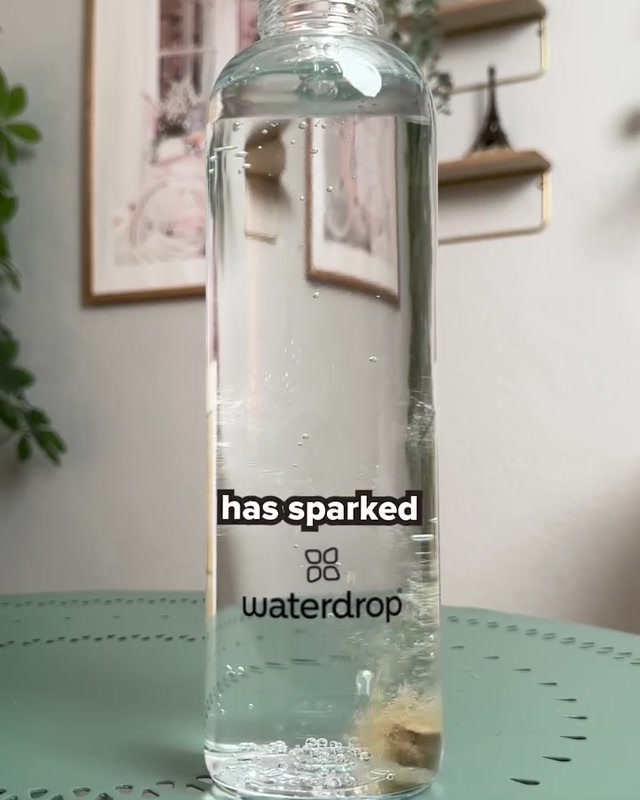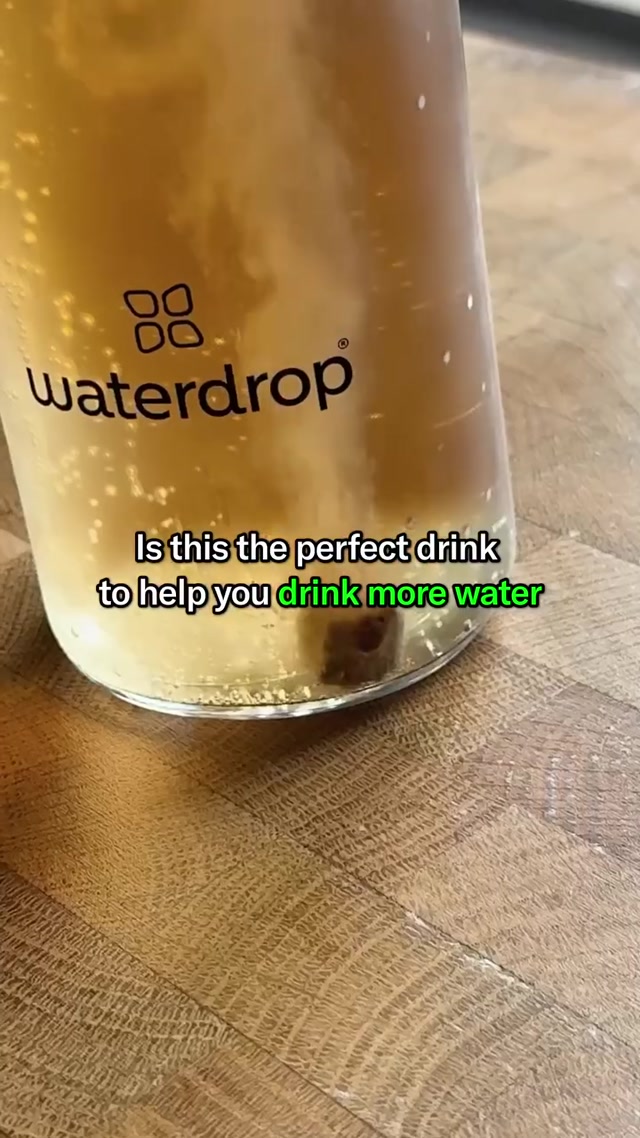
Waterdrop's voiceover b-roll ad is a 73-second food & beverage video creative decoded by Heista into 7 structural beats with 37 total cuts. Waterdrop's full brand intelligence
PATTERNMAP™
Loading PatternMap...
Ad Blueprint
Voiceover B-Roll
CategoryFood Beverage
AngleSocial Proof Results
NarrativePain To Relief
IntentCTA Optimized Conversion
Hook Type
Parallel List Open
8.5sDuration
6Shots
1.5sAvg Shot
Energy
Cut Points
0.8s2.9s3.8s6.8s7.9s
Psychology
Competence Restoration
Behavioral ApproachSell Product Direct
Step Clarity
Solution Assurance
Competence Reframing
Knowledge Simplification
Every winning ad has a formula. Heista decodes it in seconds.
Waterdrop Ad Decoded — Parallel List Open Hook Analysis (73s)
Waterdrop's voiceover b-roll ad is a 73-second food & beverage creative decoded by Heista into 7 structural beats. It opens with a Parallel List Open hook — This leverages Completion Bias and Sequencing/Progress Expectation: once the viewer hears “First,” their brain anticipates “then/next,” which makes them keep watching to resolve the implied order. It also uses Specificity Bias—“delicious refreshing taste” and the concrete outcome “automatically drink more water than before”—so the next step feels predictable and worth checking. The psychological mission is Competence Restoration: The viewer feels capable of fixing their hydration and sugar habits through a simple, adjustable routine that makes the next step feel easy and reliable. The ad has 37 cuts at an average of 2.2s per cut, with an average beat duration of 10.4s.
Key Takeaways
- Opens with a Parallel List Open hook
- Activates Competence Restoration psychology
- Part of Waterdrop's full ad strategy
- 37 cuts, averaging 2.2s per cut
Overview
Parallel List Open Hook
This leverages Completion Bias and Sequencing/Progress Expectation: once the viewer hears “First,” their brain anticipates “then/next,” which makes them keep watching to resolve the implied order. It also uses Specificity Bias—“delicious refreshing taste” and the concrete outcome “automatically drink more water than before”—so the next step feels predictable and worth checking. Parallel List Open hook deep-dive
Beat-by-Beat Breakdown
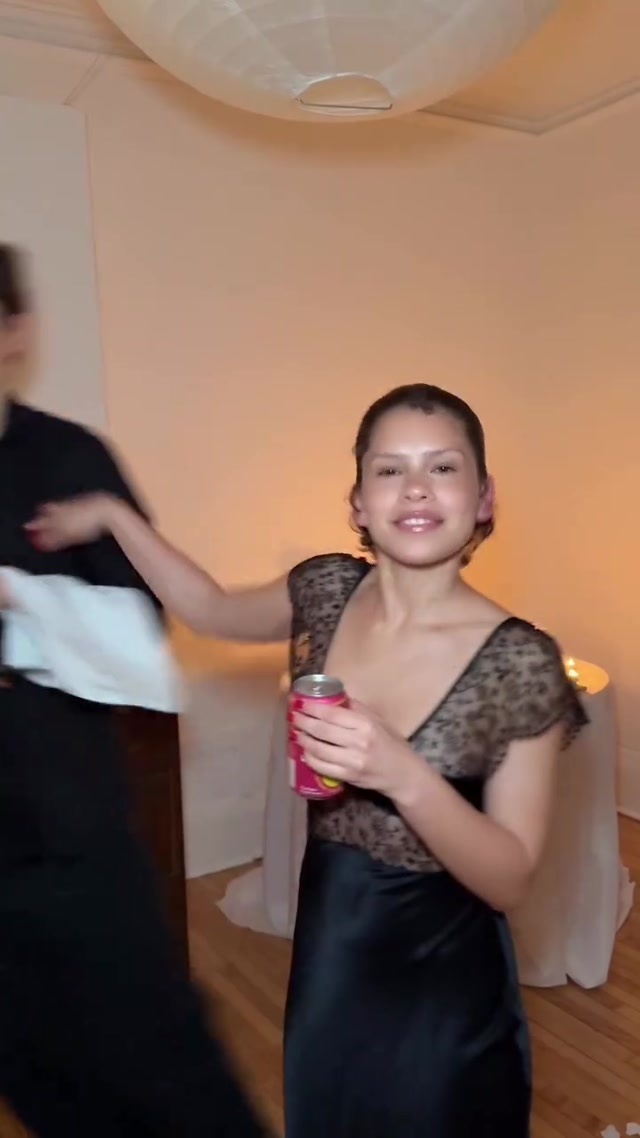
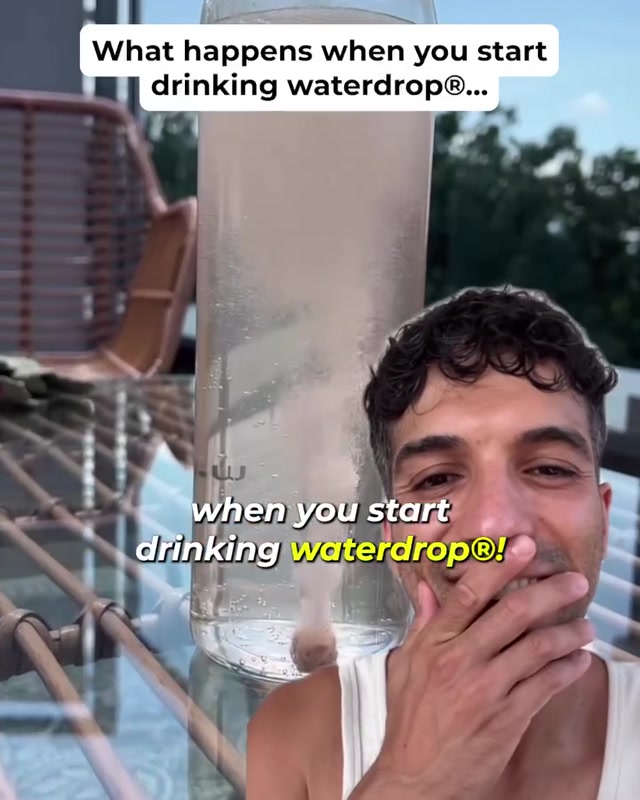
Beat 2 (0:00-0:08) — Parallel List Open: It uses a sequenced, two-step promise: “First… thanks to the delicious refreshing taste, you will automatically drink more water than before.” The “First” framing sets up a completion expectation that more steps are coming, even though only the first step is stated in this beat.
Beat 3 (0:08-0:20) — Goal Context: It states the desired outcome for the viewer: “drinking enough water helps maintain normal physical and cognitive function,” and then frames the next step as a solution to the problem: “water drop helps you finally drink more water.” This turns the topic from general hydration into a specific purpose—better body and brain function—while setting up the product/approach as the means to reach it.
Beat 4 (0:20-0:35) — Side-by-Side Comparison: It contrasts two drink options in parallel: “Most soft drinks… contain quite some sugar and calories” versus “Microdrinks… are sugar-free and calorie-free” and then adds the extra upsides: “they even contain vitamins and fruit and plant extracts.” This frames the choice as a direct tradeoff where one side is the problem and the other side preserves the benefit (“taste good”) without the downside (“feeling bad”).
Beat 5 (0:35-0:52) — Feature Cascade: It stacks multiple customization features in rapid succession: “Make your microdrink the way you like it. You can adjust the flavor intensity by adding more or less water, still or sparkling. Try new ones, mix two together… With over 25 different flavors, you'll never get bored.” This turns the product into a menu of controllable options in the viewer’s head, so they can immediately imagine tailoring it to their routine.
Beat 6 (0:52-1:00) — User Count: It stacks two validation claims: a measurable price point (“starting at just 66 pence per drink”) and then a massive adoption number (“over 5 million people already love drinking water drop”). In this moment, the viewer is nudged to treat the product as already proven by scale, not just by the speaker’s opinion.
Beat 7 (1:00-1:06) — The Easy Way: It offers a simpler “starter set” path to the outcome: “you can order the starter set… so that you always drink enough wherever you are.” Instead of making the viewer figure out what to buy and how to stay consistent, it bundles the solution (six popular microdrinks + practical bottle) into one easy purchase.
Beat 8 (1:06-1:12) — Direct CTA: It issues a direct purchase instruction: “Click here now and order your starter set now.” This tells the viewer exactly what to do (click) and exactly what to buy (order your starter set), leaving no ambiguity about the next action.
Behavioral Psychology
This ad activates Competence Restoration as its primary behavioral mission. The viewer feels capable of fixing their hydration and sugar habits through a simple, adjustable routine that makes the next step feel easy and reliable. Competence Restoration behavioral mission
Structural Fingerprint
Duration: 73 seconds. Beat count: 7. Total cuts: 37. Average beat duration: 10.4s. Average cut duration: 2.2s. Average visual energy: 6.6/10.
Frequently Asked Questions
Why does this Waterdrop ad work? This Waterdrop voiceover b-roll ad opens with a Parallel List Open hook that captures attention in the first 3 seconds. The psychological architecture activates Competence Restoration across 7 structural beats, each contributing a specific persuasion mechanism.
What hook does Waterdrop use in this ad? Waterdrop opens with a Parallel List Open hook. This leverages Completion Bias and Sequencing/Progress Expectation: once the viewer hears “First,” their brain anticipates “then/next,” which makes them keep watching to resolve the implied order. It also uses Specificity Bias—“delicious refreshing taste” and the concrete outcome “automatically drink more water than before”—so the next step feels predictable and worth checking.
What psychology does this Waterdrop ad activate? This ad activates Competence Restoration as its primary behavioral mission. The viewer feels capable of fixing their hydration and sugar habits through a simple, adjustable routine that makes the next step feel easy and reliable.
How long is this Waterdrop ad and what's the structure? This ad runs 73 seconds with 7 structural beats and 37 cuts. Average cut duration is 2.2s. The pattern flow follows a full format structure common in voiceover b-roll ads.
What platform is this Waterdrop ad running on? This voiceover b-roll ad is running on facebook. The food & beverage vertical typically sees strong performance on this platform for voiceover b-roll creative structures.
What makes this different from other food & beverage ads? Most food & beverage ads lean on generic format templates. Waterdrop's version uses a distinct Parallel List Open hook structure paired with Competence Restoration — a combination that over-indexes in high-performing food & beverage creative.