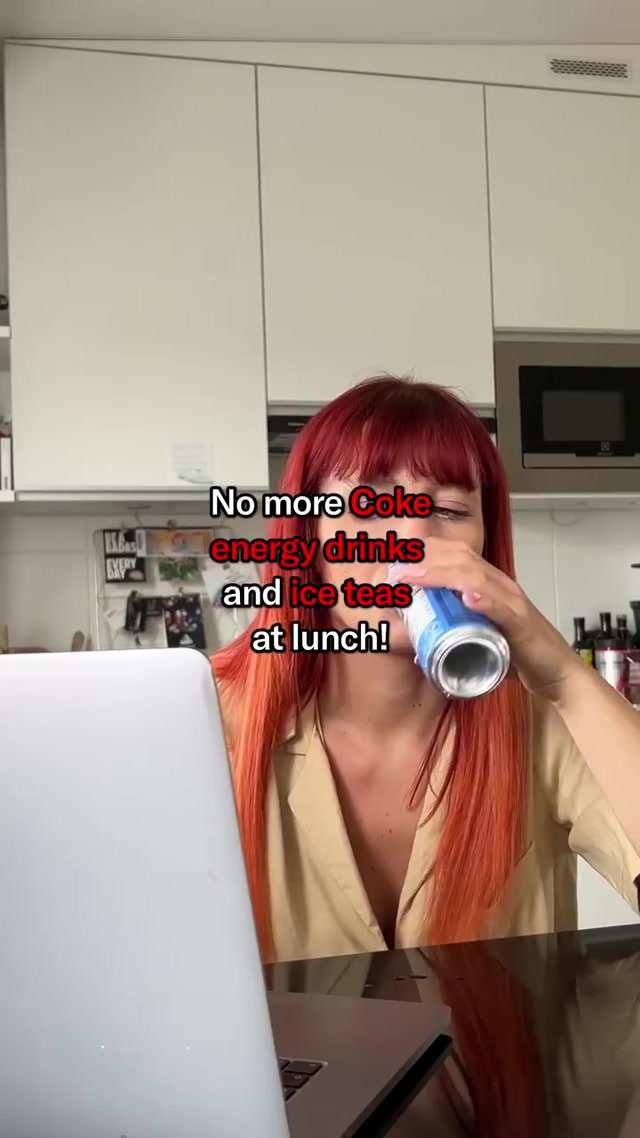
Waterdrop's voiceover b-roll ad is a 82-second food & beverage video creative decoded by Heista into 7 structural beats with 47 total cuts. Waterdrop's full brand intelligence
PATTERNMAP™
Loading PatternMap...
Ad Blueprint
Voiceover B-Roll
CategoryFood Beverage
AngleProblem Solution
NarrativeProduct First
IntentCTA Optimized Conversion
Hook Type
Parallel List Open
6.5sDuration
6Shots
1.2sAvg Shot
Energy
Cut Points
1.2s2.7s4.1s5.2s6.3s
Psychology
Loss Aversion
Behavioral ApproachSell Product Direct
Negative Future Projection
Risk Priming
Avoidance Trigger
Fear Of Loss
Every winning ad has a formula. Heista decodes it in seconds.
Waterdrop Ad Decoded — Parallel List Open Hook Analysis (82s)
Waterdrop's voiceover b-roll ad is a 82-second food & beverage creative decoded by Heista into 7 structural beats. It opens with a Parallel List Open hook — This leverages Completion Bias and Specificity Bias: the triad (“coke, energy drinks, and iced teas”) feels complete, and the concrete items reduce ambiguity about what counts. It also uses Cognitive Fluency—short, familiar categories make the instruction easy to process—so the viewer can instantly mentally update their lunch routine without extra interpretation. The psychological mission is Loss Aversion: The viewer feels a clear need to avoid sugary drinks and energy drinks at lunch, perceiving the switch as a smart way to prevent negative health and cost consequences while staying satisfied. The ad has 47 cuts at an average of 1.9s per cut, with an average beat duration of 11.7s.
Key Takeaways
- Opens with a Parallel List Open hook
- Activates Loss Aversion psychology
- Part of Waterdrop's full ad strategy
- 47 cuts, averaging 1.9s per cut
Overview
Parallel List Open Hook
This leverages Completion Bias and Specificity Bias: the triad (“coke, energy drinks, and iced teas”) feels complete, and the concrete items reduce ambiguity about what counts. It also uses Cognitive Fluency—short, familiar categories make the instruction easy to process—so the viewer can instantly mentally update their lunch routine without extra interpretation. Parallel List Open hook deep-dive
Beat-by-Beat Breakdown
Beat 2 (0:00-0:06) — Parallel List Open: It uses a parallel list to ban multiple specific drinks at once: “No more coke, energy drinks, and iced teas at lunch.” The repeated “No more” framing turns the advice into a clear set of boundaries, so the viewer immediately knows what to stop doing and where.
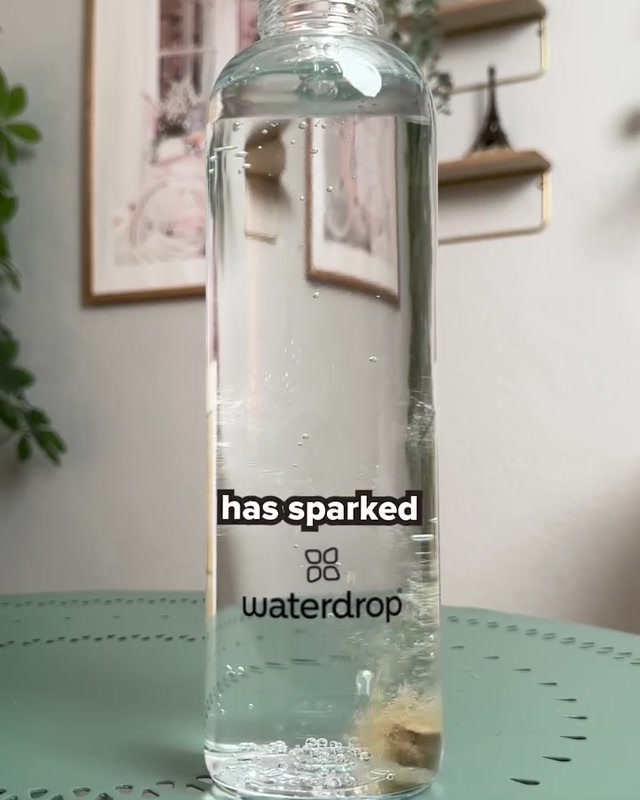
Beat 3 (0:06-0:18) — Object Intro: It introduces the product/object and frames it as the focus of the upcoming explanation: “These little cubes are the better and more cost-effective alternative.” Then it names the brand and sets up the next question: “The Austrian company Waterdrop… But what exactly is Waterdrop anyway?”
Beat 4 (0:18-0:49) — Feature Cascade: It runs a rapid-fire Feature Cascade of the product’s attributes and use-cases: “micro-drinks—little cubes with fruit and plant extracts and vitamins… No sugar, no artificial preservatives, calorie-free, and only 66 pence per cube… many different flavours… Delicious iced teas… A refreshing cola… Micro-energy with caffeine… Micro-light with electrolytes… And lots of fruity classics like grapefruit or blackberry.” This stacks multiple concrete reasons to believe and multiple scenarios to imagine, keeping the viewer mentally “checking off” value as the list grows.
Beat 5 (0:49-1:03) — Do & Don't: It gives a direct “do this / don’t do that” substitution: “Just take them with you. Dissolve in tap water and enjoy. Anytime, anywhere.” followed by the avoidance directive “So there’s no reason to reach for unhealthy sugary soft drinks or energy drinks at work.”
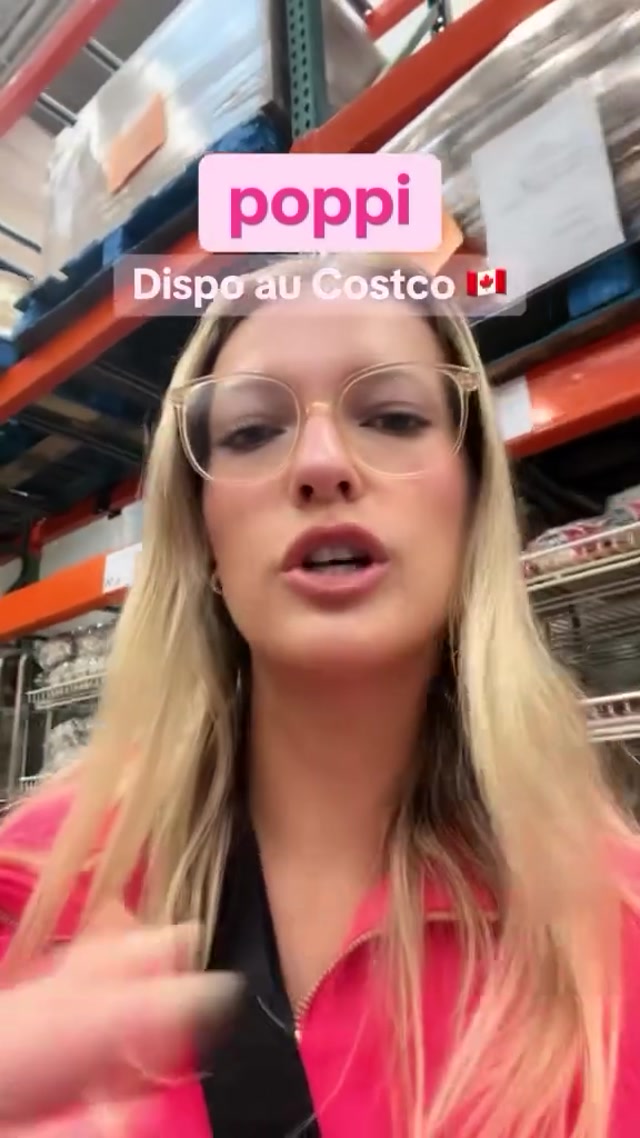
Beat 6 (1:03-1:10) — User Count: It cites a large adoption number as validation: “According to more than 5 million happy customers.” Then it reinforces the credibility with an emotional reaction: “Oh wow… I’m absolutely blown away. This thing is so good.”
Beat 7 (1:10-1:16) — The Easy Way: It offers a simplified entry path: “Waterdrop offers starter sets with a bottle and a selection of the most popular flavours.” Then it frames the use-case as low-friction: “Perfect for the workplace.”
Beat 8 (1:16-1:21) — Redirect: It issues a direct redirect to the next action: “Then click the link and enjoy.” The viewer is told exactly where to go (the link) and what to do immediately (click), with a low-friction payoff (“enjoy”).
Behavioral Psychology
This ad activates Loss Aversion as its primary behavioral mission. The viewer feels a clear need to avoid sugary drinks and energy drinks at lunch, perceiving the switch as a smart way to prevent negative health and cost consequences while staying satisfied. Loss Aversion behavioral mission
Structural Fingerprint
Duration: 82 seconds. Beat count: 7. Total cuts: 47. Average beat duration: 11.7s. Average cut duration: 1.9s. Average visual energy: 7.1/10.
Frequently Asked Questions
Why does this Waterdrop ad work? This Waterdrop voiceover b-roll ad opens with a Parallel List Open hook that captures attention in the first 3 seconds. The psychological architecture activates Loss Aversion across 7 structural beats, each contributing a specific persuasion mechanism.
What hook does Waterdrop use in this ad? Waterdrop opens with a Parallel List Open hook. This leverages Completion Bias and Specificity Bias: the triad (“coke, energy drinks, and iced teas”) feels complete, and the concrete items reduce ambiguity about what counts. It also uses Cognitive Fluency—short, familiar categories make the instruction easy to process—so the viewer can instantly mentally update their lunch routine without extra interpretation.
What psychology does this Waterdrop ad activate? This ad activates Loss Aversion as its primary behavioral mission. The viewer feels a clear need to avoid sugary drinks and energy drinks at lunch, perceiving the switch as a smart way to prevent negative health and cost consequences while staying satisfied.
How long is this Waterdrop ad and what's the structure? This ad runs 82 seconds with 7 structural beats and 47 cuts. Average cut duration is 1.9s. The pattern flow follows a full format structure common in voiceover b-roll ads.
What platform is this Waterdrop ad running on? This voiceover b-roll ad is running on facebook. The food & beverage vertical typically sees strong performance on this platform for voiceover b-roll creative structures.
What makes this different from other food & beverage ads? Most food & beverage ads lean on generic format templates. Waterdrop's version uses a distinct Parallel List Open hook structure paired with Loss Aversion — a combination that over-indexes in high-performing food & beverage creative.