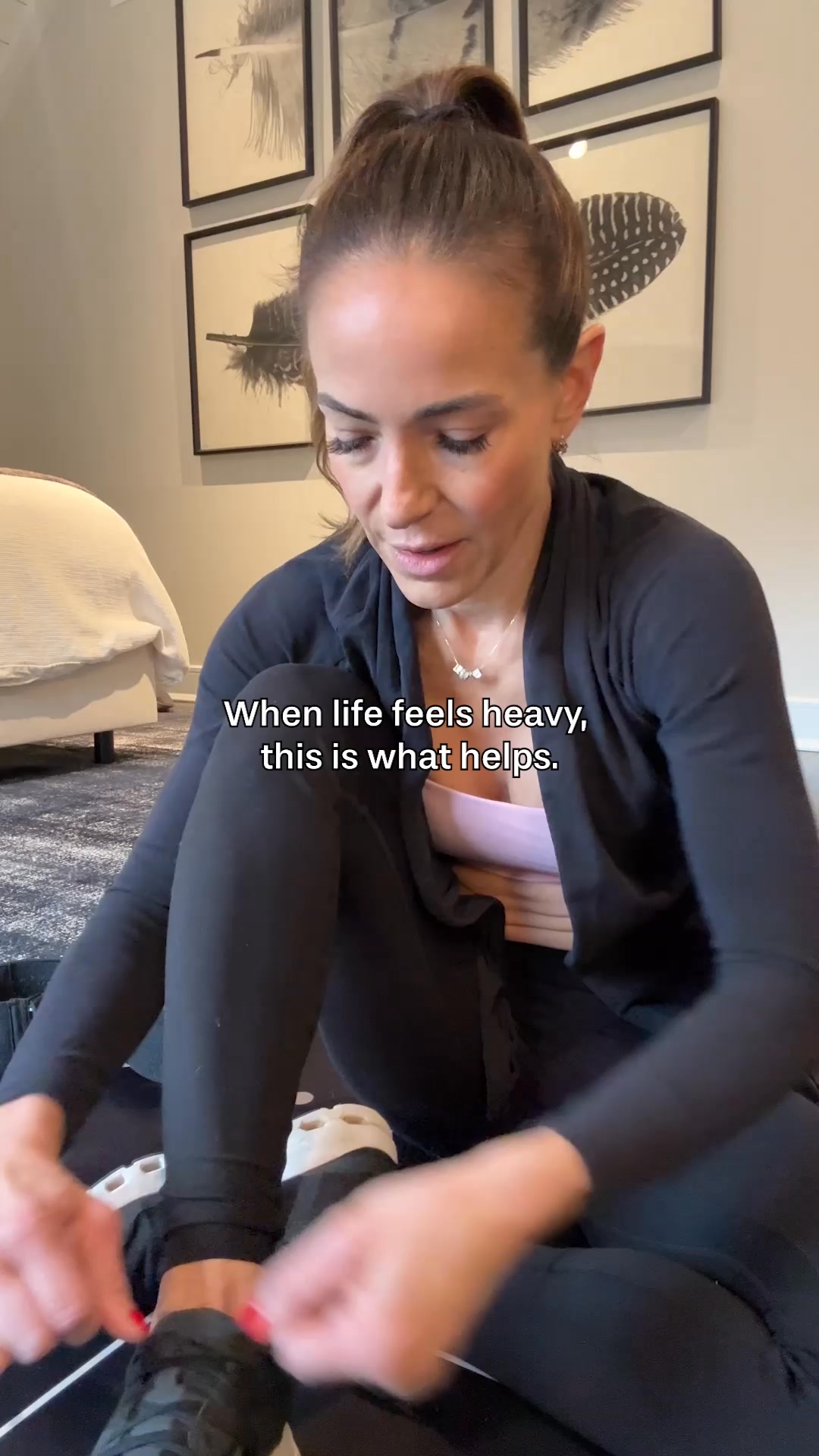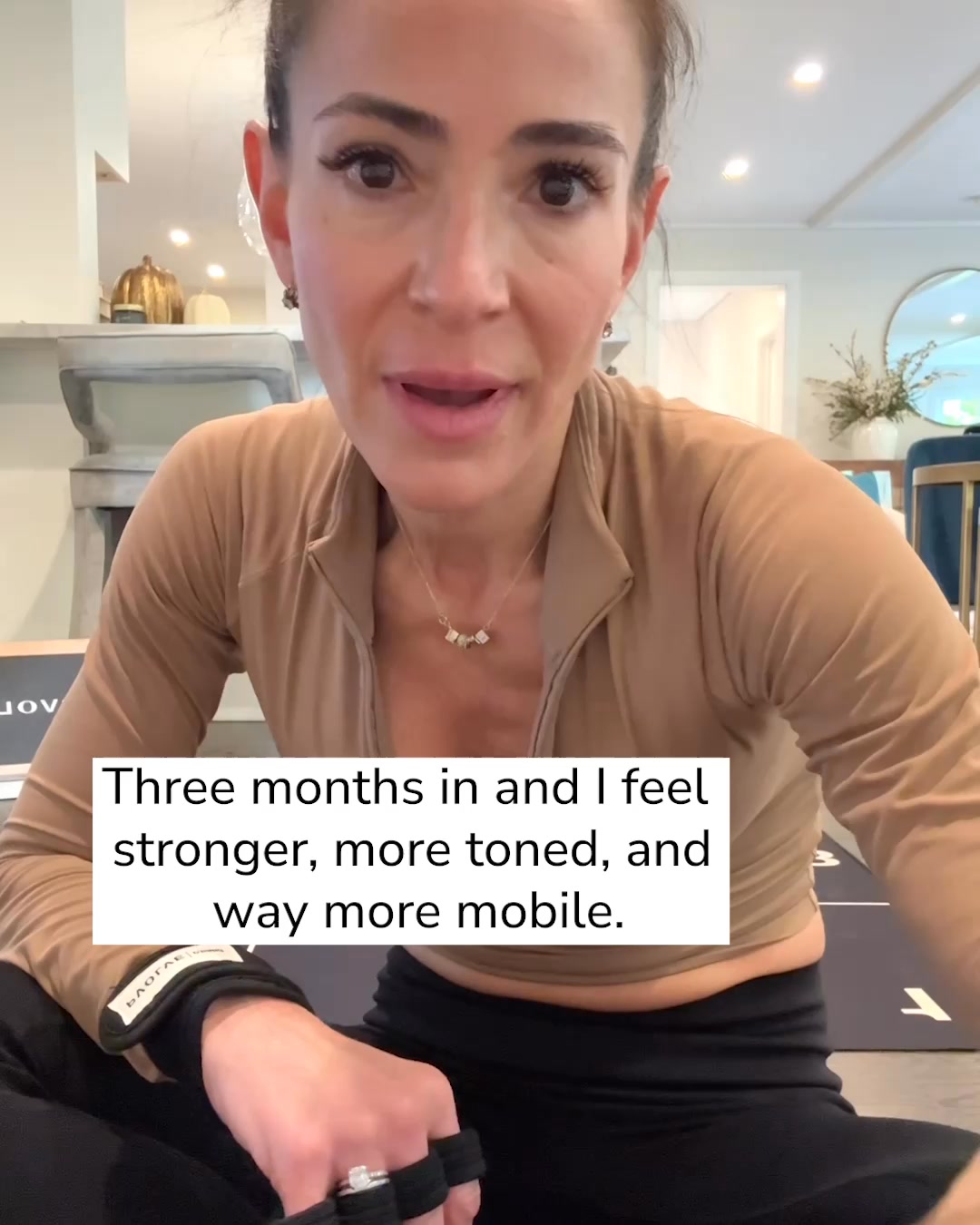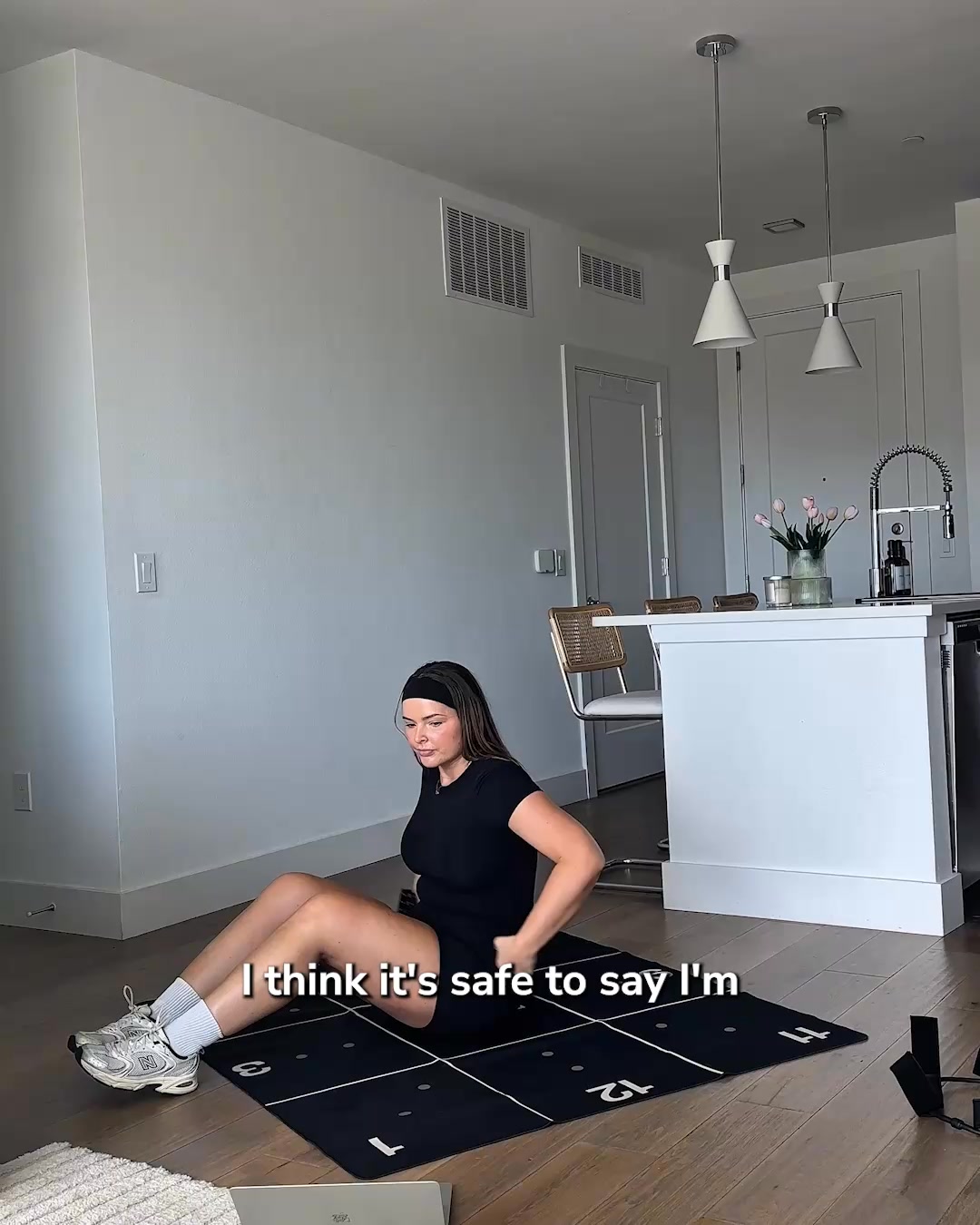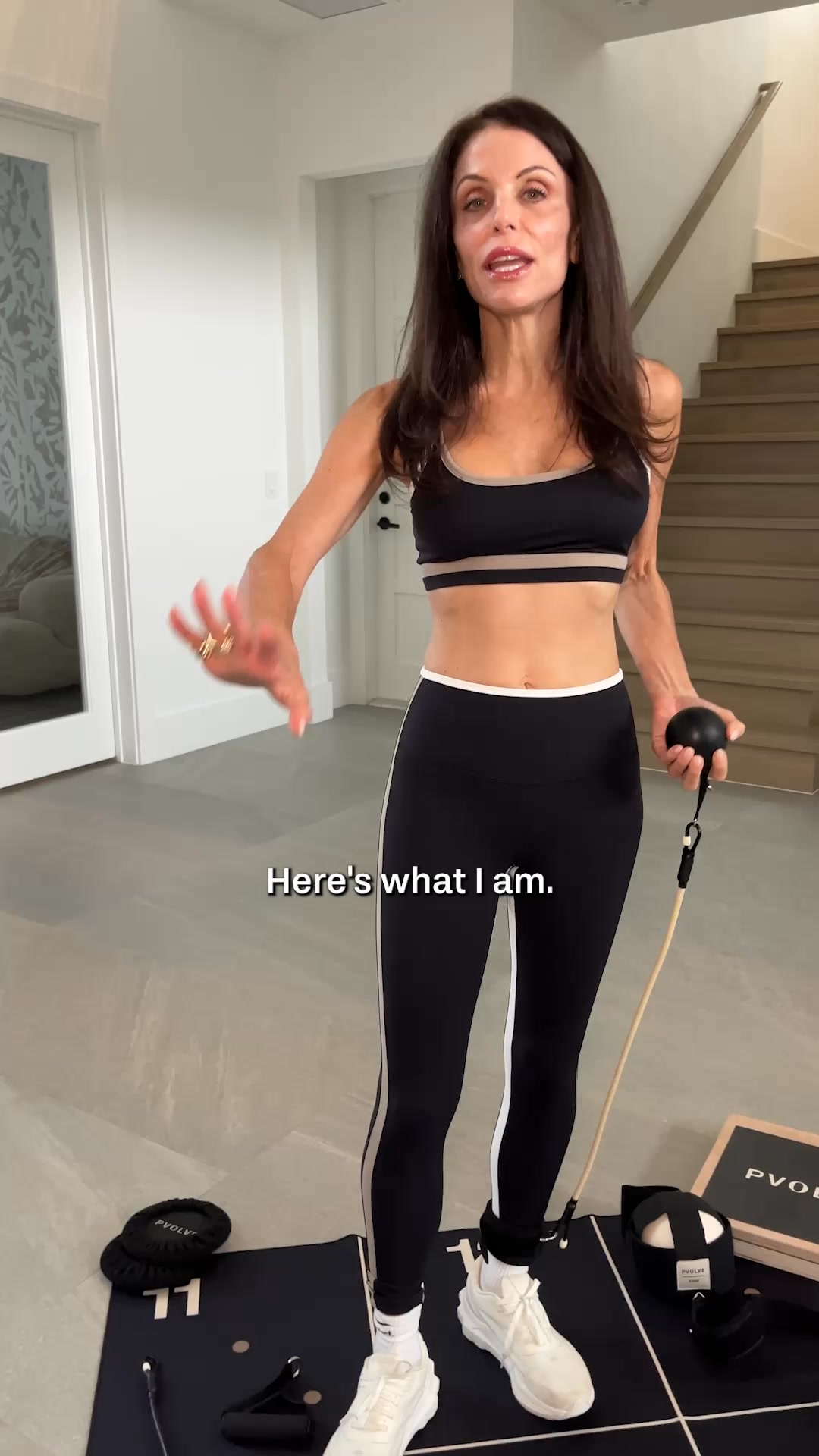
WalkFit Daily Walking Plan's voiceover b-roll ad is a 187-second fitness video creative decoded by Heista into 7 structural beats with 38 total cuts. WalkFit Daily Walking Plan's full brand intelligence · Fitness ad hooks
Facebook Ad
3:07
WalkFit Daily Walking Plan
Heisted: Aug 4, 2026
PATTERNMAP™
Loading PatternMap...
Ad Blueprint
Voiceover B-Roll
CategoryFitness
AngleHow To Tutorial
NarrativeSocial Proof
IntentTransformation Arc Engine
Hook Type
Disruptive Statement
10.5sDuration
6Shots
2.0sAvg Shot
Energy
Cut Points
1.4s2.2s4.2s6.8s9.6s
Psychology
Belonging Signal
Behavioral ApproachStory Share
In Group Language
Collective Framing
Solidarity Statement
Every winning ad has a formula. Heista decodes it in seconds.
WalkFit Daily Walking Plan Ad Decoded — Disruptive Statement Hook Analysis (187s)
WalkFit Daily Walking Plan's voiceover b-roll ad is a 187-second fitness creative decoded by Heista into 7 structural beats. It opens with a Disruptive Statement hook — This leverages Surprise Effect and Loss Aversion. The Surprise Effect comes from the abrupt shift from celebration to a definitive “no way” denial, which breaks viewer autopilot and forces attention. Loss Aversion is triggered because the phrasing implies a looming failure/embarrassment risk (“can’t fit”), making viewers stay to see how the situation gets resolved. The psychological mission is Belonging Signal: The viewer feels like they’re joining a supportive group of women over 50 who can realistically change after menopause, making the routine feel safer to try and harder to quit. The ad has 38 cuts at an average of 13.7s per cut, with an average beat duration of 26.7s.
Key Takeaways
Overview
Disruptive Statement Hook
This leverages Surprise Effect and Loss Aversion. The Surprise Effect comes from the abrupt shift from celebration to a definitive “no way” denial, which breaks viewer autopilot and forces attention. Loss Aversion is triggered because the phrasing implies a looming failure/embarrassment risk (“can’t fit”), making viewers stay to see how the situation gets resolved. Disruptive Statement hook deep-dive
Beat-by-Beat Breakdown
Beat 2 (0:00-0:10) — Disruptive Statement: The speaker opens with a disruptive, counter-expectation line: “Happy 60th birthday, honey” followed immediately by “There’s no way I can fit into this.” This flips the expected role of a birthday moment (celebration/possibility) into an instant self-restriction, creating immediate tension about what’s about to happen next.
Beat 3 (0:10-0:33) — RELATABABILITY_SETUP: It uses relatability-by-personal-situation: “I’m 58, day one of trying a low impact walking” and the identity/emotion target “menopause belly.” It also frames the viewer-facing stakes with an external test: “If it doesn't work, I'm giving up for good. Let's see if my family notices.”
Beat 4 (0:33-1:32) — Feature Cascade: It stacks multiple targeted claims and constraints to set up the method as the right fit: “Whatever routine you started has you glowing lately… If you’re over 50… it’s metabolic fat. Intermittent fasting won’t work for you and intense cardio doesn’t last. Try a walking calisthenics. All you need are these five exercises, five minutes each…” This creates a dense “value list” of reasons and components (age cutoff → diagnosis → failed options → replacement → exact quantity/time).
Beat 5 (1:32-1:53) — Complexity Overload: It challenges the common “10,000 steps” rule by reframing it as a misleading one-size-fits-all number (“No, is that like 10,000 steps? Absolutely not. 10K steps is a myth.”) and immediately replaces it with a personalized adjustment (“Your true number depends on specific personal factors.”). This creates tension by forcing the viewer to stop relying on a simple guideline and acknowledge they now need a more individualized calculation for what “counts.”
Beat 6 (1:53-2:22) — Cost/Benefit Reframe: This beat reframes “the cost” of exercise by contrasting what the viewer currently does/feels with the easier payoff of walking calisthenics: “Walking calisthenics is a simple 15-minute at-home routine…” that “helps stimulate your lymphatic system,” followed by “Sounds better than the gym.” It then contrasts the outcome of the earlier approach (“Intense cardio and crazy diets… left me feeling exhausted”) with the promised outcome and ease (“Then I beg you to give this a try… one of the easiest ways… to tone up”).
Beat 7 (2:22-2:53) — Case Study: It delivers a mini case study: “This is Sarah… 14 days in… Eight weeks later… Now at 55, she’s looking…” using a timeline from first noticing results to a later measurable outcome.
Beat 8 (2:53-3:06) — Comment Prompt: The close asks for a direct audience interaction—“You in?”—which functions as a yes/no prompt for engagement.
Behavioral Psychology
This ad activates Belonging Signal as its primary behavioral mission. The viewer feels like they’re joining a supportive group of women over 50 who can realistically change after menopause, making the routine feel safer to try and harder to quit. Belonging Signal behavioral mission
Structural Fingerprint
Duration: 187 seconds. Beat count: 7. Total cuts: 38. Average beat duration: 26.7s. Average cut duration: 13.7s. Average visual energy: 2.4/10. Fitness ad formula reference
Frequently Asked Questions
Why does this WalkFit Daily Walking Plan ad work? This WalkFit Daily Walking Plan voiceover b-roll ad opens with a Disruptive Statement hook that captures attention in the first 3 seconds. The psychological architecture activates Belonging Signal across 7 structural beats, each contributing a specific persuasion mechanism.
What hook does WalkFit Daily Walking Plan use in this ad? WalkFit Daily Walking Plan opens with a Disruptive Statement hook. This leverages Surprise Effect and Loss Aversion. The Surprise Effect comes from the abrupt shift from celebration to a definitive “no way” denial, which breaks viewer autopilot and forces attention. Loss Aversion is triggered because the phrasing implies a looming failure/embarrassment risk (“can’t fit”), making viewers stay to see how the situation gets resolved.
What psychology does this WalkFit Daily Walking Plan ad activate? This ad activates Belonging Signal as its primary behavioral mission. The viewer feels like they’re joining a supportive group of women over 50 who can realistically change after menopause, making the routine feel safer to try and harder to quit.
How long is this WalkFit Daily Walking Plan ad and what's the structure? This ad runs 187 seconds with 7 structural beats and 38 cuts. Average cut duration is 13.7s. The pattern flow follows a full format structure common in voiceover b-roll ads.
What platform is this WalkFit Daily Walking Plan ad running on? This voiceover b-roll ad is running on facebook. The fitness vertical typically sees strong performance on this platform for voiceover b-roll creative structures.
What makes this different from other fitness ads? Most fitness ads lean on generic format templates. WalkFit Daily Walking Plan's version uses a distinct Disruptive Statement hook structure paired with Belonging Signal — a combination that over-indexes in high-performing fitness creative.