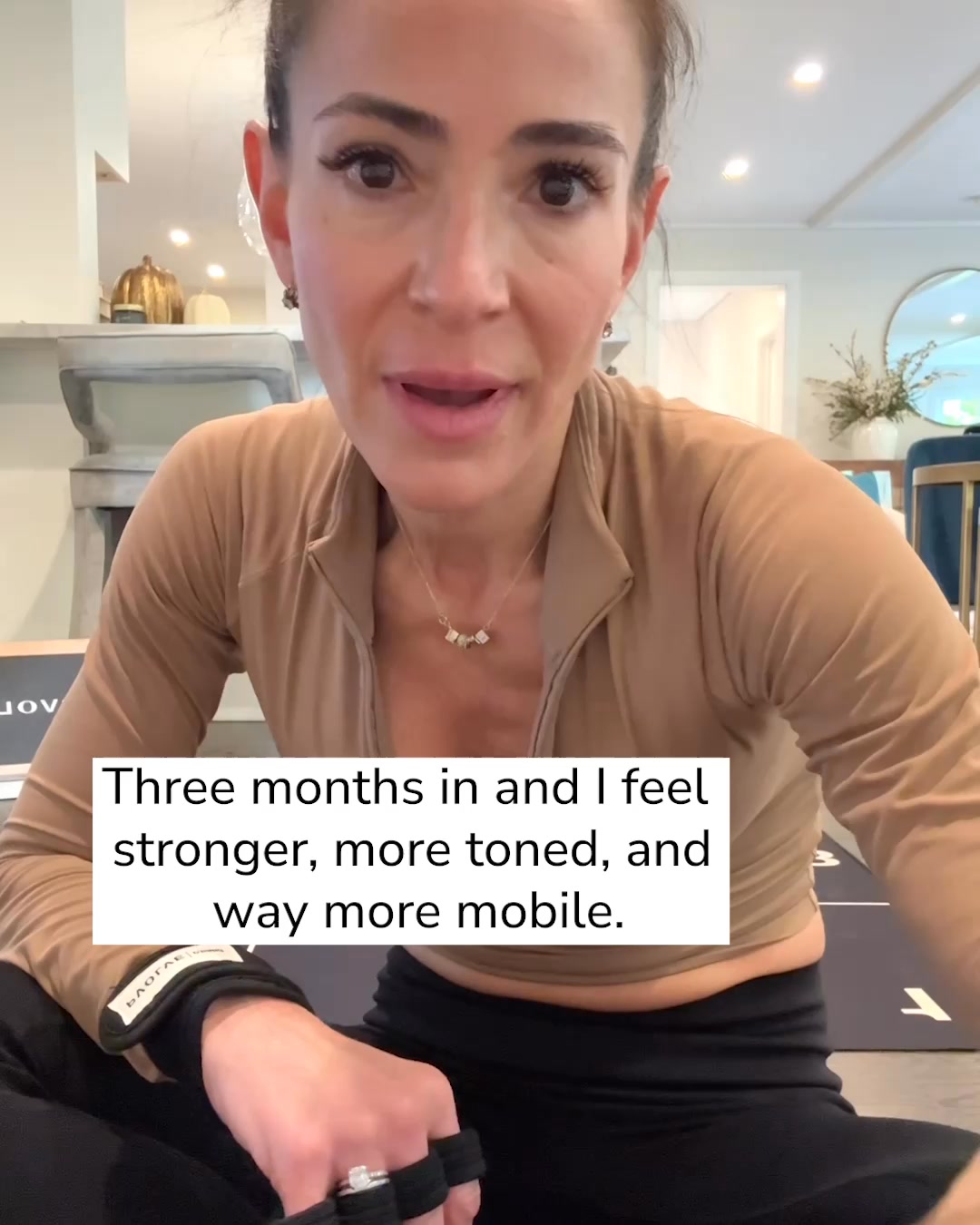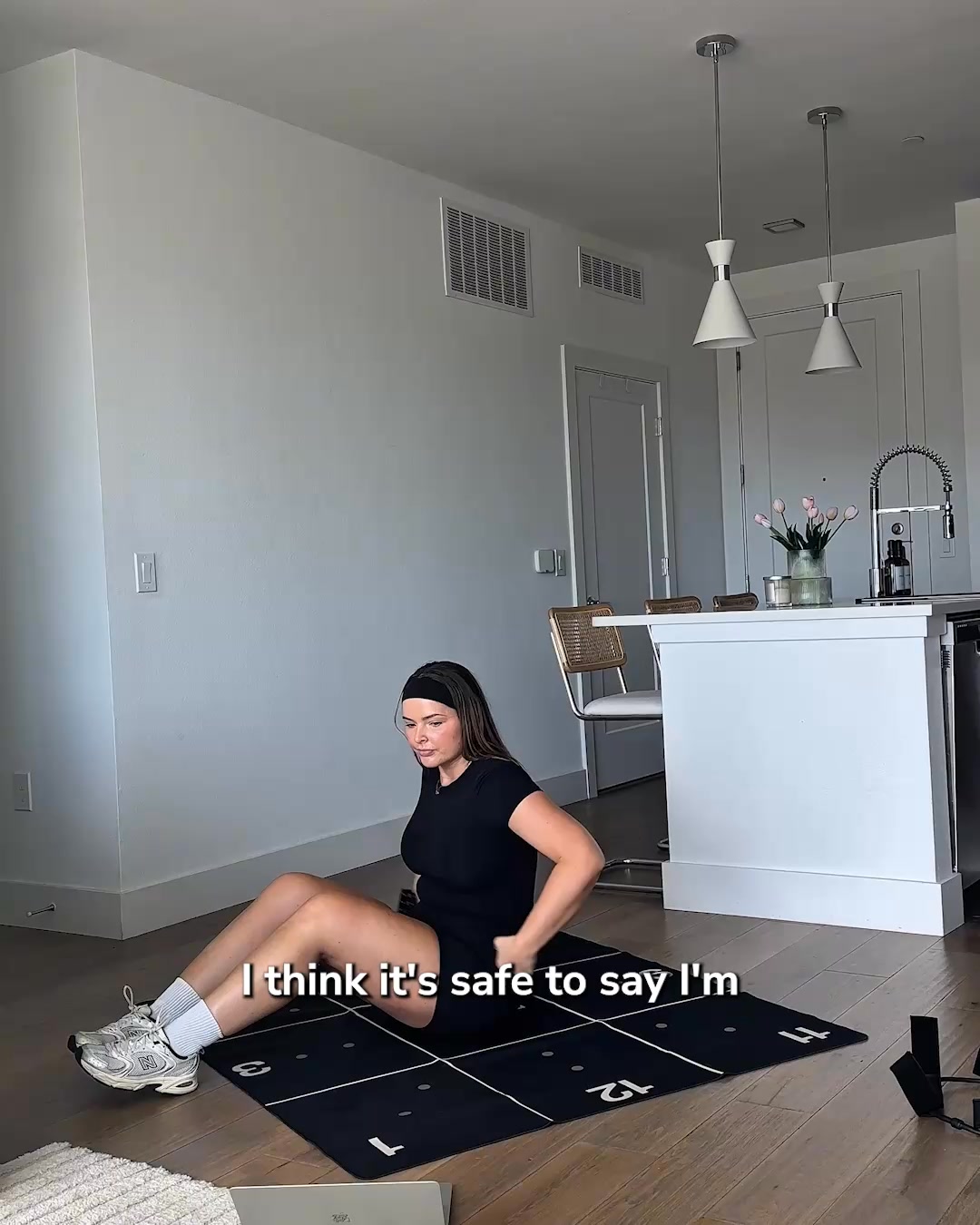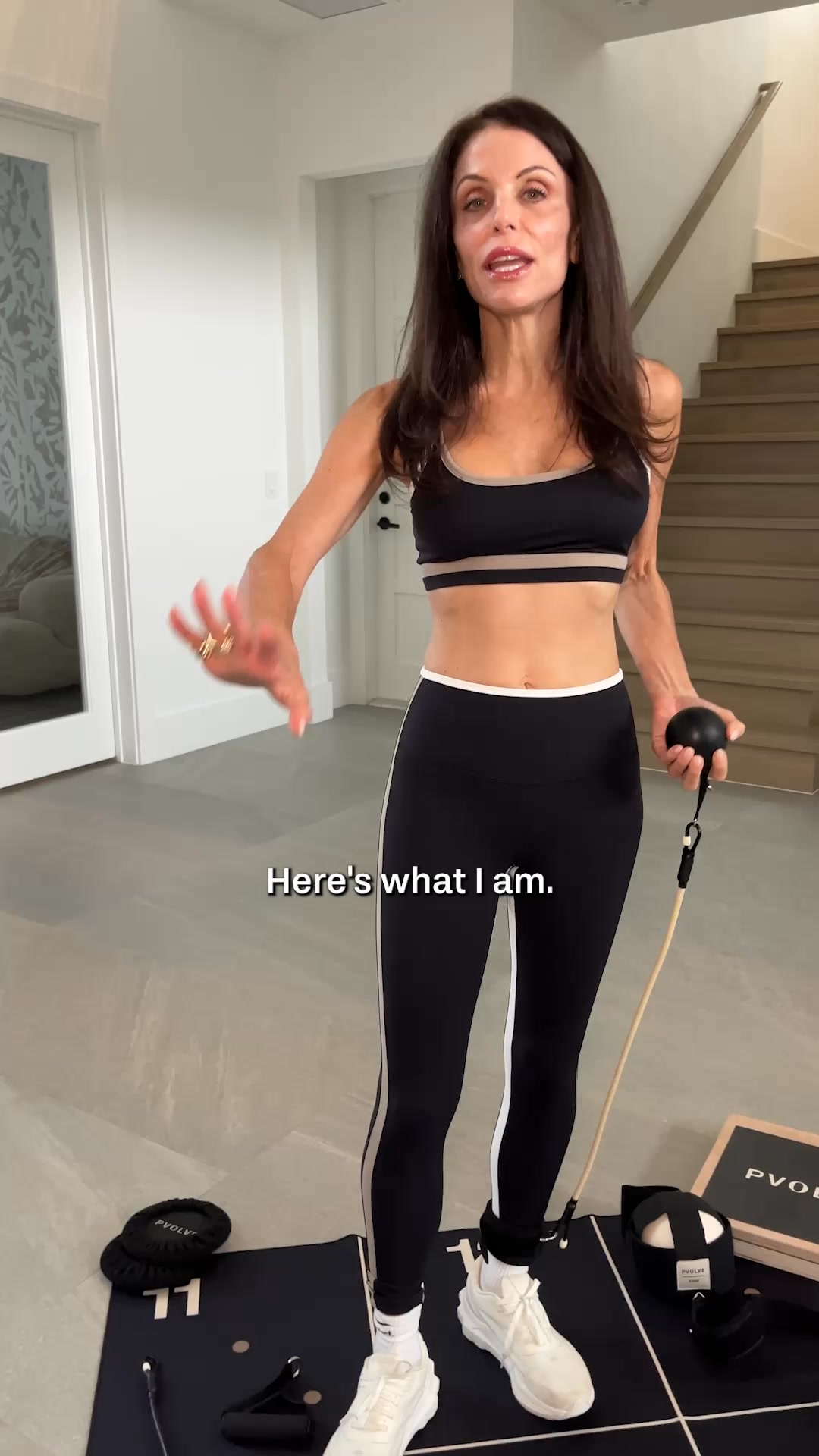
WalkFit Daily Walking Plan's slideshow statics ad is a 68-second fitness video creative decoded by Heista into 7 structural beats with 16 total cuts. WalkFit Daily Walking Plan's full brand intelligence · Fitness ad hooks
PATTERNMAP™
Loading PatternMap...
Ad Blueprint
Slideshow Statics
CategoryFitness
AngleProblem Solution
NarrativeUGC Trust Demo
IntentTransformation Arc Engine
Hook Type
Data Point Start
10.5sDuration
3Shots
3.6sAvg Shot
Energy
Cut Points
3.7s7.4s
Psychology
Hope Projection
Behavioral ApproachPeer Recommend
Future Visualization
Aspirational Imagery
Uplift Cue
Positive Projection
Resolution Statement
Final Insight
Every winning ad has a formula. Heista decodes it in seconds.
WalkFit Daily Walking Plan Ad Decoded — Data Point Start Hook Analysis (68s)
WalkFit Daily Walking Plan's slideshow statics ad is a 68-second fitness creative decoded by Heista into 7 structural beats. It opens with a Data Point Start hook — This leverages Specificity Bias via the exact “11,000 steps a day,” which makes the claim feel measurable and therefore more believable. It also uses Contrast Setup by directly setting “11,000 steps” against “lymphatic walking,” so the viewer’s attention locks onto choosing which approach produces the better body outcome. Finally, the cause-effect framing (“does to your body” / “does instead”) activates Causal Curiosity by making viewers wait for the mechanism and results behind each option. The psychological mission is Hope Projection: The viewer feels a motivating, optimistic future outcome while seeing stepwise proof over four weeks, turning skepticism into confidence that their body can transform by September. The ad has 16 cuts at an average of 4.4s per cut, with an average beat duration of 9.7s.
Key Takeaways
Overview
Data Point Start Hook
This leverages Specificity Bias via the exact “11,000 steps a day,” which makes the claim feel measurable and therefore more believable. It also uses Contrast Setup by directly setting “11,000 steps” against “lymphatic walking,” so the viewer’s attention locks onto choosing which approach produces the better body outcome. Finally, the cause-effect framing (“does to your body” / “does instead”) activates Causal Curiosity by making viewers wait for the mechanism and results behind each option. Data Point Start hook deep-dive
Beat-by-Beat Breakdown
Beat 2 (0:00-0:10) — Data Point Start: The beat quantifies the activity with “11,000 steps a day” and pairs it with an immediate contrast: “This is what lymphatic walking does instead.” It creates an early comparison frame between a high-specificity number and a specific alternative outcome, pulling the viewer forward to learn what the body difference is.
Beat 3 (0:10-0:22) — Goal Context: The speaker sets a concrete objective for the viewer: “Stick to our lymphatic walking program for 4 weeks,” then ties it to a time-based payoff: “by September you won’t believe how much your body can change.” This turns the next segment into a results journey, making the viewer mentally track progress toward September.
Beat 4 (0:22-0:29) — Complexity Overload: It turns a fitness goal into a single “what should I do?” decision problem by stacking two targets—"a belly like this, and arms like this"—then immediately asking for the missing action: "what should I do?" This compresses multiple requirements into one unclear next step, creating tension because the viewer can feel how messy the “right plan” decision is when you want multiple outcomes at once.
Beat 5 (0:29-0:39) — Step-by-Step: It gives a structured micro-plan for the method: “Try lymphatic walking” followed by a timed progression—“5 exercises, 2 minutes each”—and then a usage timeline—“Give it 4 weeks.”
Beat 6 (0:39-0:52) — Humor Close: It ends with a playful, joking intention—“Gotta make her father jealous.”—after the practical setup of “Starting lymphatic walking today to prepare for my daughter's wedding.”
Beat 7 (0:52-1:05) — Before/After Proof: It runs a time-lapse before/after proof: “One week later, I feel better and more energized, but there are no visible changes… Two weeks later… Three different people have asked if I've lost weight. Four weeks later… but lighter.” It contrasts internal improvements with delayed external validation, then escalates into visible/observed results.
Beat 8 (1:05-1:08) — Hopeless → Opportunity: It turns a regret statement into a future-oriented upside: “I wish I'd started 10 years ago.” This moment forces the viewer to sit inside the common feeling of being behind, then primes them for a reframing toward what’s still possible if they start now.
Behavioral Psychology
This ad activates Hope Projection as its primary behavioral mission. The viewer feels a motivating, optimistic future outcome while seeing stepwise proof over four weeks, turning skepticism into confidence that their body can transform by September. Hope Projection behavioral mission
Structural Fingerprint
Duration: 68 seconds. Beat count: 7. Total cuts: 16. Average beat duration: 9.7s. Average cut duration: 4.4s. Average visual energy: 3.4/10. Fitness ad formula reference
Frequently Asked Questions
Why does this WalkFit Daily Walking Plan ad work? This WalkFit Daily Walking Plan slideshow statics ad opens with a Data Point Start hook that captures attention in the first 3 seconds. The psychological architecture activates Hope Projection across 7 structural beats, each contributing a specific persuasion mechanism.
What hook does WalkFit Daily Walking Plan use in this ad? WalkFit Daily Walking Plan opens with a Data Point Start hook. This leverages Specificity Bias via the exact “11,000 steps a day,” which makes the claim feel measurable and therefore more believable. It also uses Contrast Setup by directly setting “11,000 steps” against “lymphatic walking,” so the viewer’s attention locks onto choosing which approach produces the better body outcome. Finally, the cause-effect framing (“does to your body” / “does instead”) activates Causal Curiosity by making viewers wait for the mechanism and results behind each option.
What psychology does this WalkFit Daily Walking Plan ad activate? This ad activates Hope Projection as its primary behavioral mission. The viewer feels a motivating, optimistic future outcome while seeing stepwise proof over four weeks, turning skepticism into confidence that their body can transform by September.
How long is this WalkFit Daily Walking Plan ad and what's the structure? This ad runs 68 seconds with 7 structural beats and 16 cuts. Average cut duration is 4.4s. The pattern flow follows a full format structure common in slideshow statics ads.
What platform is this WalkFit Daily Walking Plan ad running on? This slideshow statics ad is running on facebook. The fitness vertical typically sees strong performance on this platform for slideshow statics creative structures.
What makes this different from other fitness ads? Most fitness ads lean on generic format templates. WalkFit Daily Walking Plan's version uses a distinct Data Point Start hook structure paired with Hope Projection — a combination that over-indexes in high-performing fitness creative.