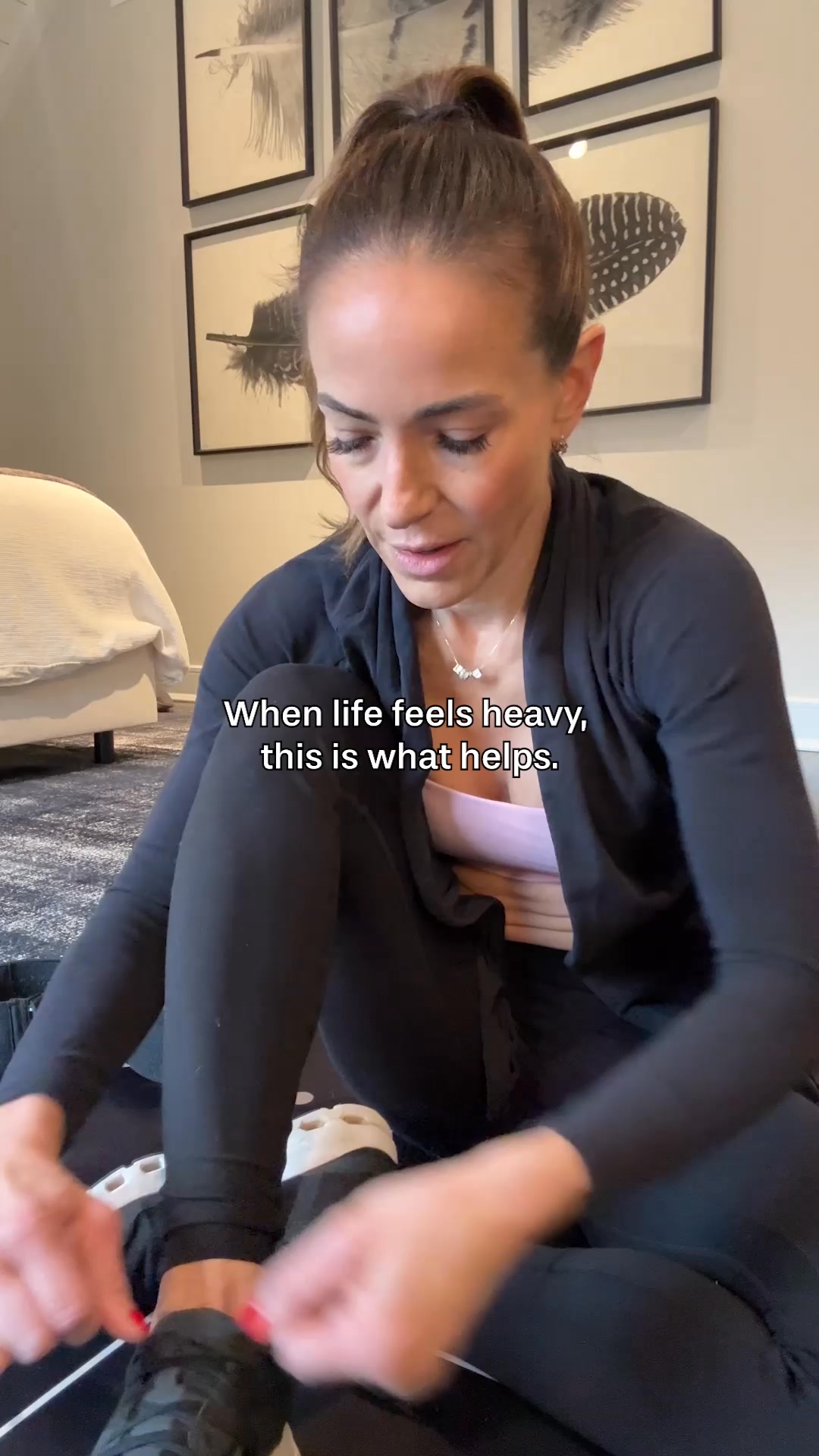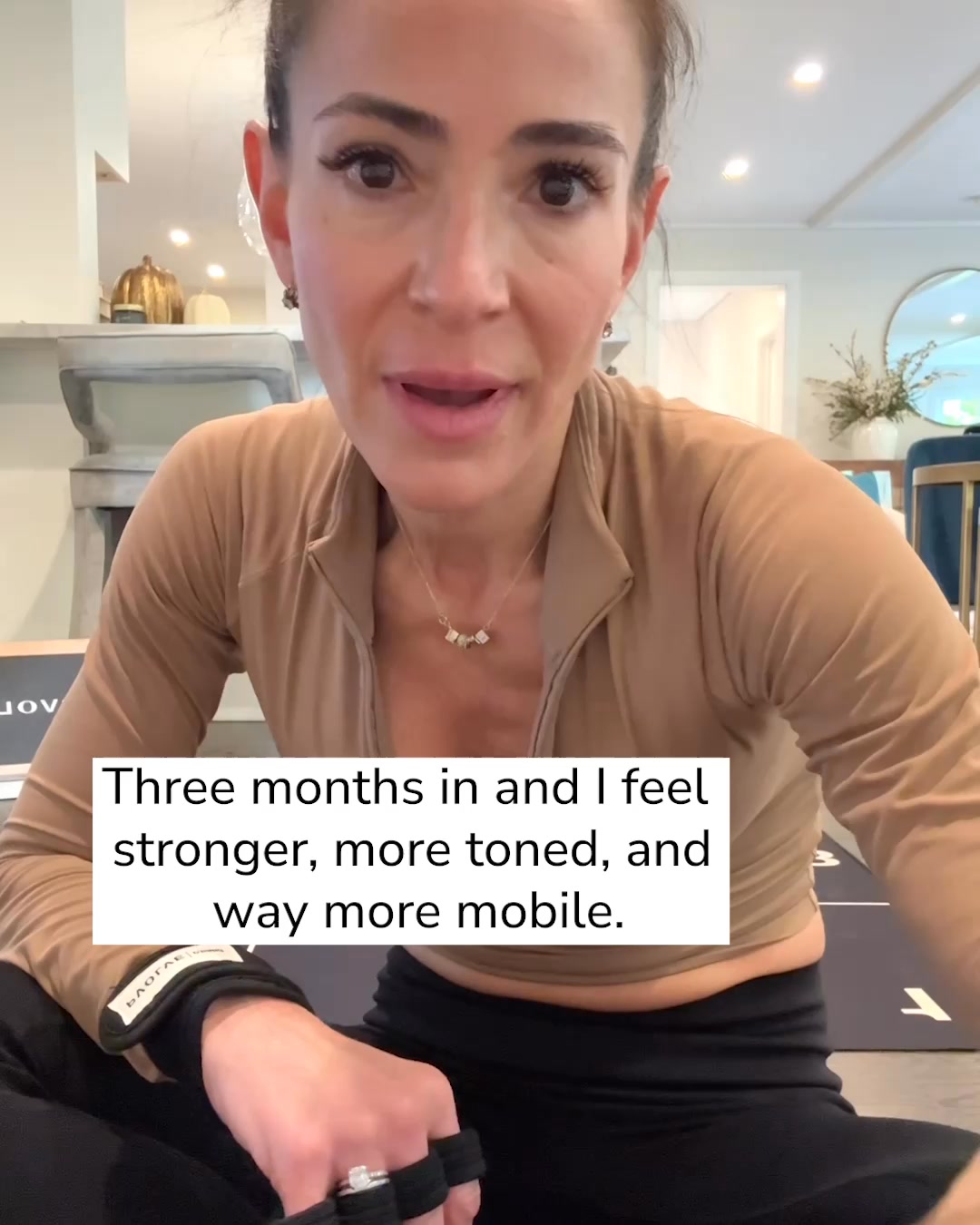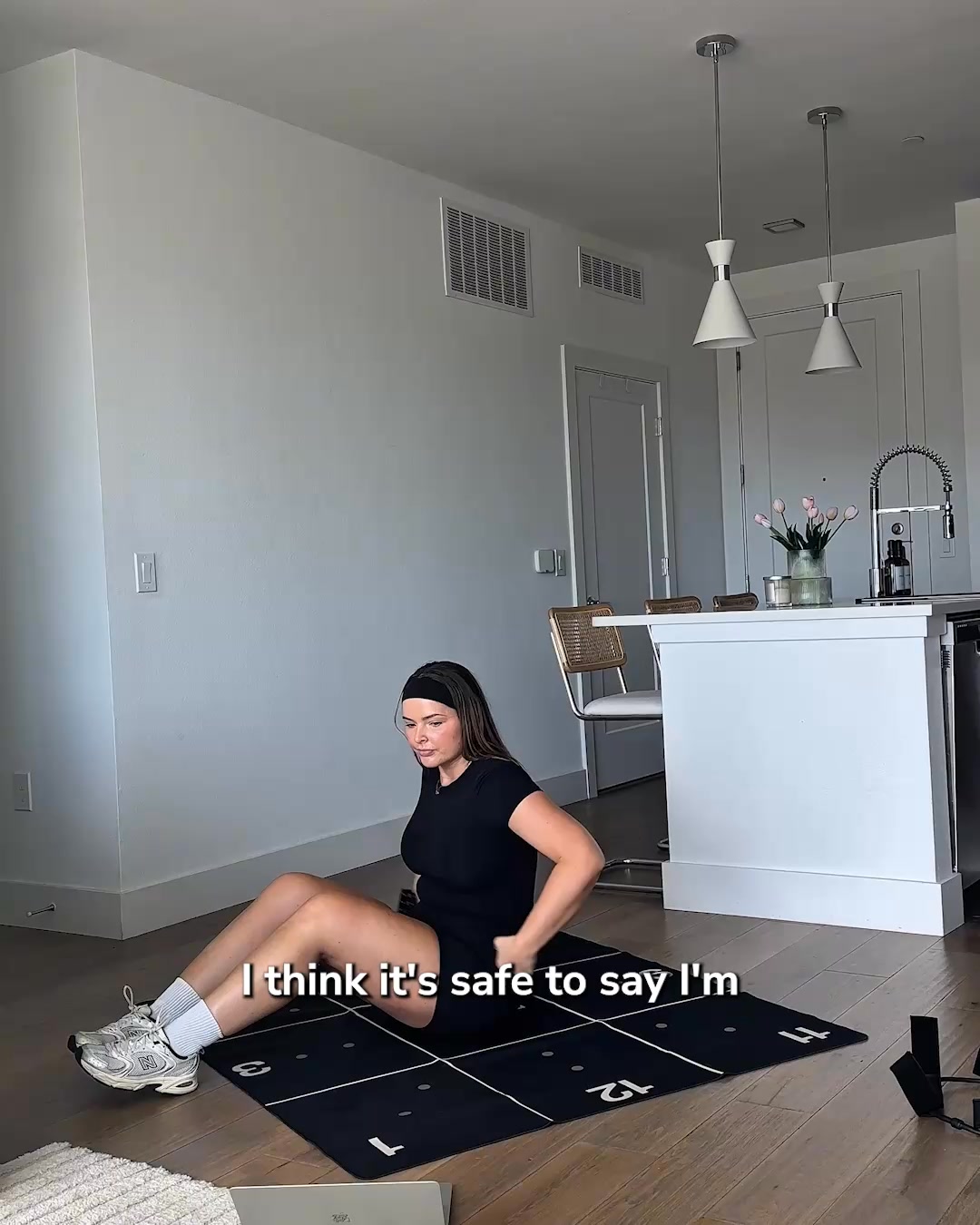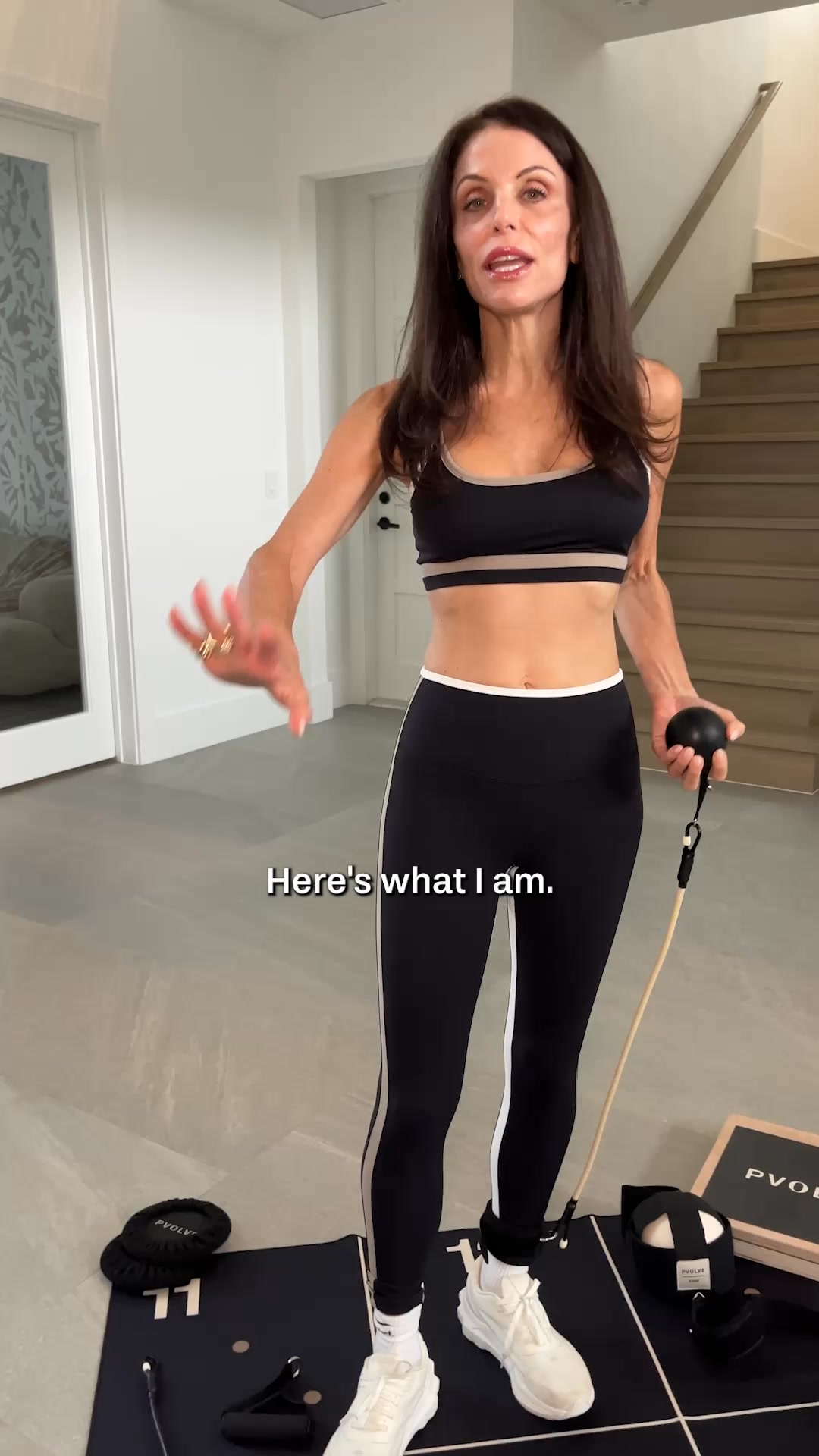
WalkFit Daily Walking Plan's slideshow statics ad is a 161-second fitness video creative decoded by Heista into 8 structural beats with 14 total cuts. WalkFit Daily Walking Plan's full brand intelligence · Fitness ad hooks
Facebook Ad
2:41
WalkFit Daily Walking Plan
Scaled: 2 DaysHeisted: Aug 4, 2026
PATTERNMAP™
Loading PatternMap...
Ad Blueprint
Slideshow Statics
CategoryFitness
AngleHow To Tutorial
NarrativePain To Relief
IntentTransformation Arc Engine
Hook Type
Challenge Intro
13.5sDuration
3Shots
5.3sAvg Shot
Energy
Cut Points
3.0s7.9s
Psychology
Loss Aversion
Behavioral ApproachSolve Your Problem
Negative Future Projection
Risk Priming
Avoidance Trigger
Fear Of Loss
Scarcity Cue
Every winning ad has a formula. Heista decodes it in seconds.
WalkFit Daily Walking Plan Ad Decoded — Challenge Intro Hook Analysis (161s)
WalkFit Daily Walking Plan's slideshow statics ad is a 161-second fitness creative decoded by Heista into 8 structural beats. It opens with a Challenge Intro hook — This leverages Commitment Bias and Implementation Intention: the concrete schedule (“Este lunes… cada mañana”) plus the minimal requirement (“Solo siete minutos… sin equipo”) reduces friction and makes starting feel like a default next step. It also uses Cognitive Fluency/Low-Effort Processing: the constraints are easy to mentally simulate (“seven minutes,” “no equipment,” “no one observing”), so the brain treats it as doable and safe, making it harder to disengage before the method is explained. The psychological mission is Loss Aversion: La viewer siente que dejarlo para después o forzarse con cardio puede empeorar la rigidez y perder el progreso, y se tranquiliza al ver una salida inmediata y segura de 7 minutos que evita ese estancamiento. The ad has 14 cuts at an average of 14.3s per cut, with an average beat duration of 20.1s.
Key Takeaways
Overview
Challenge Intro Hook
This leverages Commitment Bias and Implementation Intention: the concrete schedule (“Este lunes… cada mañana”) plus the minimal requirement (“Solo siete minutos… sin equipo”) reduces friction and makes starting feel like a default next step. It also uses Cognitive Fluency/Low-Effort Processing: the constraints are easy to mentally simulate (“seven minutes,” “no equipment,” “no one observing”), so the brain treats it as doable and safe, making it harder to disengage before the method is explained. Challenge Intro hook deep-dive
Beat-by-Beat Breakdown
Beat 2 (0:00-0:13) — Challenge Intro: It frames the video as an upcoming daily challenge with strict, easy-to-picture constraints: “Este lunes… comenzamos el desafío… Solo siete minutos cada mañana, sin equipo, nadie observando.” This turns the viewer from passive watching into an immediate “I can follow that” intent by specifying the start time, what’s included, and what’s not required.
Beat 3 (0:13-0:28) — Process Setup: The speaker starts the sequence with an instruction-style setup: “Toque para unirse. Comenzando la Caminata Tai Chi hoy.” This frames the next segment as a guided activity with a specific first step (tap to join) and a clear start moment (beginning the Tai Chi walk today), turning the viewer from observer to participant-in-waiting.
Beat 4 (0:28-0:55) — Before/After Proof: The speaker provides a before/after transformation: “Una semana después, la rigidez… está más ligera hoy” and then reinforces stability “Usted no ha cambiado nada más.” It frames the viewer’s outcome as changing for the better after the prior condition, with a control-style statement that nothing else was altered.
Beat 5 (0:55-1:23) — You're Not Failing: The speaker validates a prior problem and reframes it as something that can improve predictably: “esa hinchazón alrededor de mis tobillos ha disminuido… está durmiendo toda la noche.” Then it adds a corrective perspective on timing: “Usted desearía haber comenzado hace años.”
Beat 6 (1:23-1:57) — Before/After Explanation: The beat contrasts the prior plan (“dejar los interminables 10.000 pasos”) with the switch to “Caminata Tai Chi,” then maps that change to the new state: “Me siento increíblemente ligera” and “comienza a sentirse mejor que en años.” It also adds the implied outcome mechanism (soft flow vs hard cardio) by saying “las mujeres mayores de 50 años no necesitan cardio agotador. Solo necesitan el flujo suave correcto.”
Beat 7 (1:57-2:25) — Resource Constraint: Enmarca la caminata como algo “no realista” por límites externos: “no puedo salir todos los días… Entre el trabajo, el mal tiempo y mis rodillas que me molestan, simplemente no es algo realista.” Además, conecta ese bloqueo con la regla rígida de pasos: “Si no puedes llegar a los 10.000 pasos… te sientes culpable”.
Beat 8 (2:25-2:36) — Feature Cascade: La rutina se presenta como un paquete de “múltiples condiciones” en ráfaga: “7 minutos… en tu sala… sin zapatos, sin equipo… bajo impacto… ayuda a controlar tu peso… suave con tus articulaciones… Sin gimnasios, sin excusas por el mal clima…”. En este momento convierte el producto en una lista densa de atributos prácticos y elimina fricción mental al ir descartando objeciones una por una.
Beat 9 (2:36-2:41) — The Easy Way: It promises a shortcut into results: “Así es como entras en tu mejor etapa.” Then it immediately gives the simple next step—“Toca el enlace de abajo para unirte a nuestro desafío de verano”—positioning the transformation as something you can “desde casa” by just taking that action.
Behavioral Psychology
This ad activates Loss Aversion as its primary behavioral mission. La viewer siente que dejarlo para después o forzarse con cardio puede empeorar la rigidez y perder el progreso, y se tranquiliza al ver una salida inmediata y segura de 7 minutos que evita ese estancamiento. Loss Aversion behavioral mission
Structural Fingerprint
Duration: 161 seconds. Beat count: 8. Total cuts: 14. Average beat duration: 20.1s. Average cut duration: 14.3s. Average visual energy: 2.1/10. Fitness ad formula reference
Frequently Asked Questions
Why does this WalkFit Daily Walking Plan ad work? This WalkFit Daily Walking Plan slideshow statics ad opens with a Challenge Intro hook that captures attention in the first 3 seconds. The psychological architecture activates Loss Aversion across 8 structural beats, each contributing a specific persuasion mechanism.
What hook does WalkFit Daily Walking Plan use in this ad? WalkFit Daily Walking Plan opens with a Challenge Intro hook. This leverages Commitment Bias and Implementation Intention: the concrete schedule (“Este lunes… cada mañana”) plus the minimal requirement (“Solo siete minutos… sin equipo”) reduces friction and makes starting feel like a default next step. It also uses Cognitive Fluency/Low-Effort Processing: the constraints are easy to mentally simulate (“seven minutes,” “no equipment,” “no one observing”), so the brain treats it as doable and safe, making it harder to disengage before the method is explained.
What psychology does this WalkFit Daily Walking Plan ad activate? This ad activates Loss Aversion as its primary behavioral mission. La viewer siente que dejarlo para después o forzarse con cardio puede empeorar la rigidez y perder el progreso, y se tranquiliza al ver una salida inmediata y segura de 7 minutos que evita ese estancamiento.
How long is this WalkFit Daily Walking Plan ad and what's the structure? This ad runs 161 seconds with 8 structural beats and 14 cuts. Average cut duration is 14.3s. The pattern flow follows a full format structure common in slideshow statics ads.
What platform is this WalkFit Daily Walking Plan ad running on? This slideshow statics ad is running on facebook. The fitness vertical typically sees strong performance on this platform for slideshow statics creative structures.
What makes this different from other fitness ads? Most fitness ads lean on generic format templates. WalkFit Daily Walking Plan's version uses a distinct Challenge Intro hook structure paired with Loss Aversion — a combination that over-indexes in high-performing fitness creative.