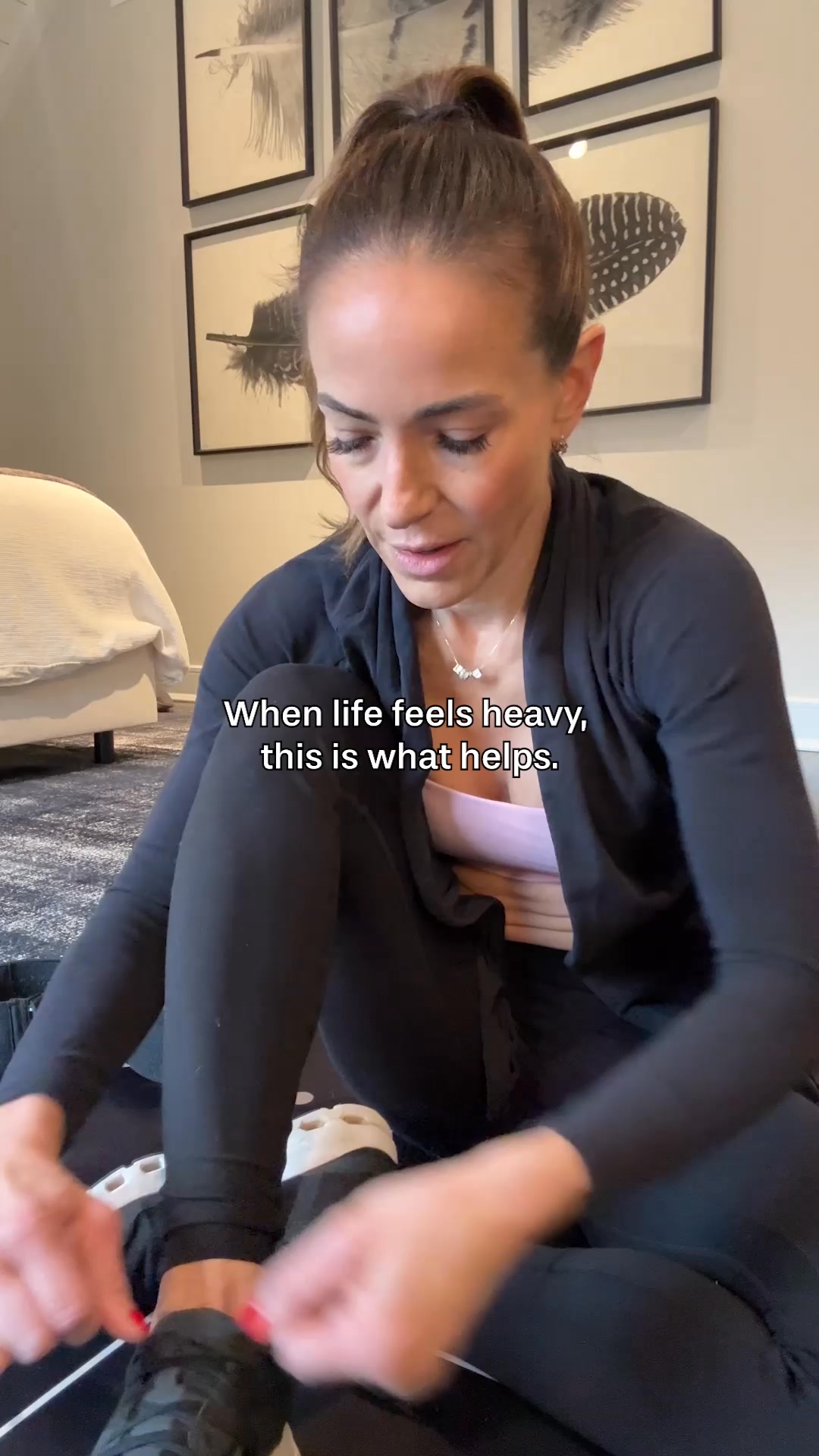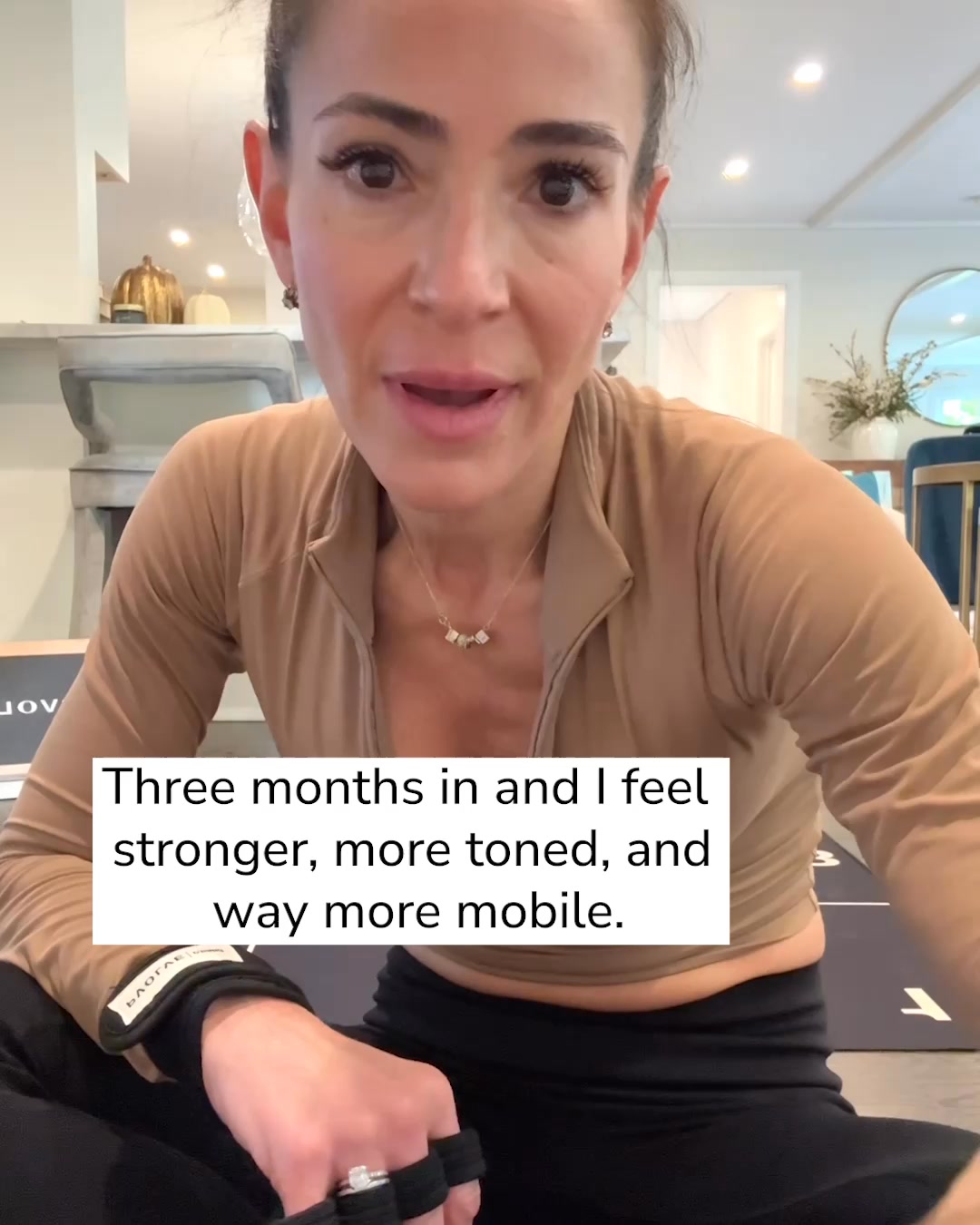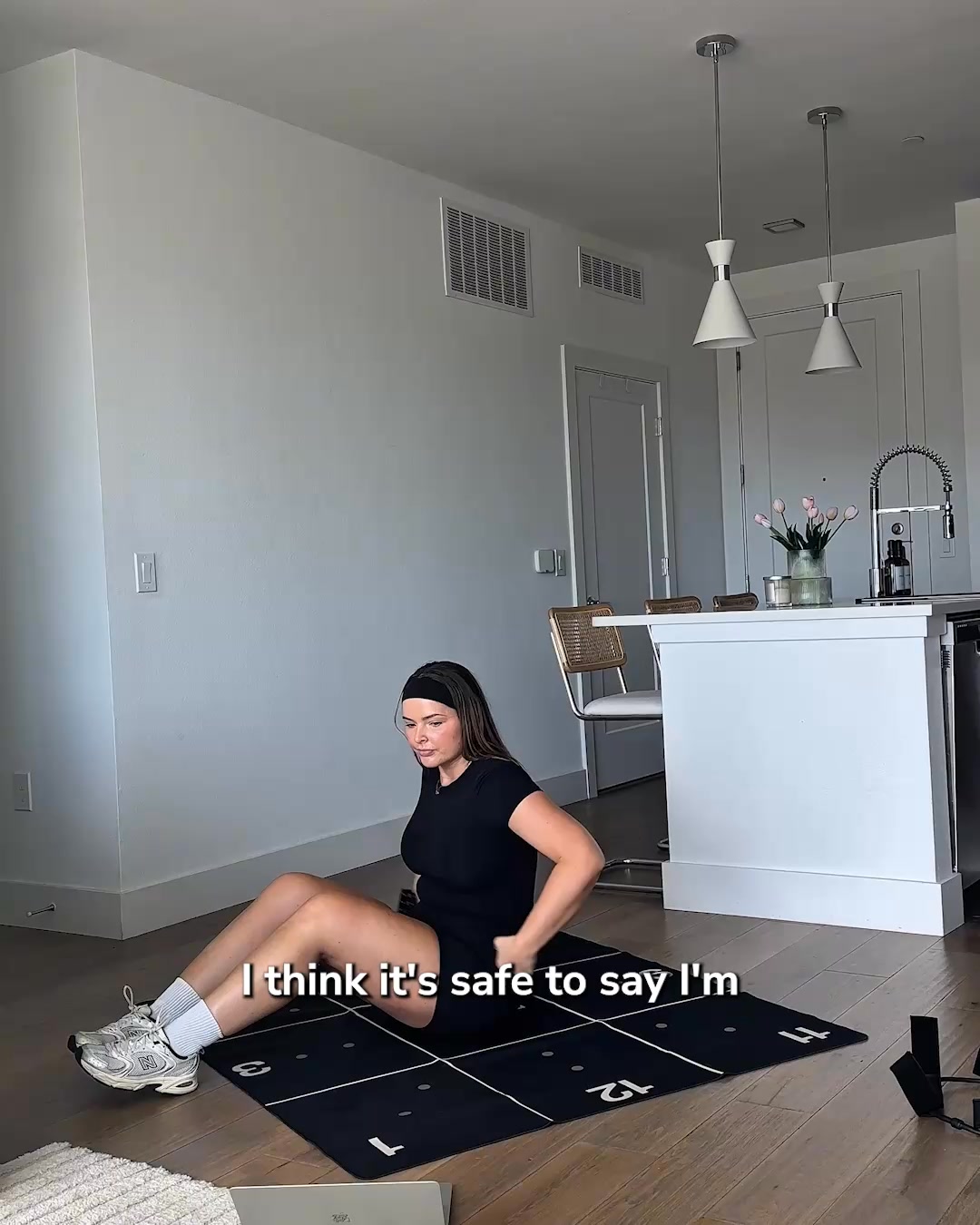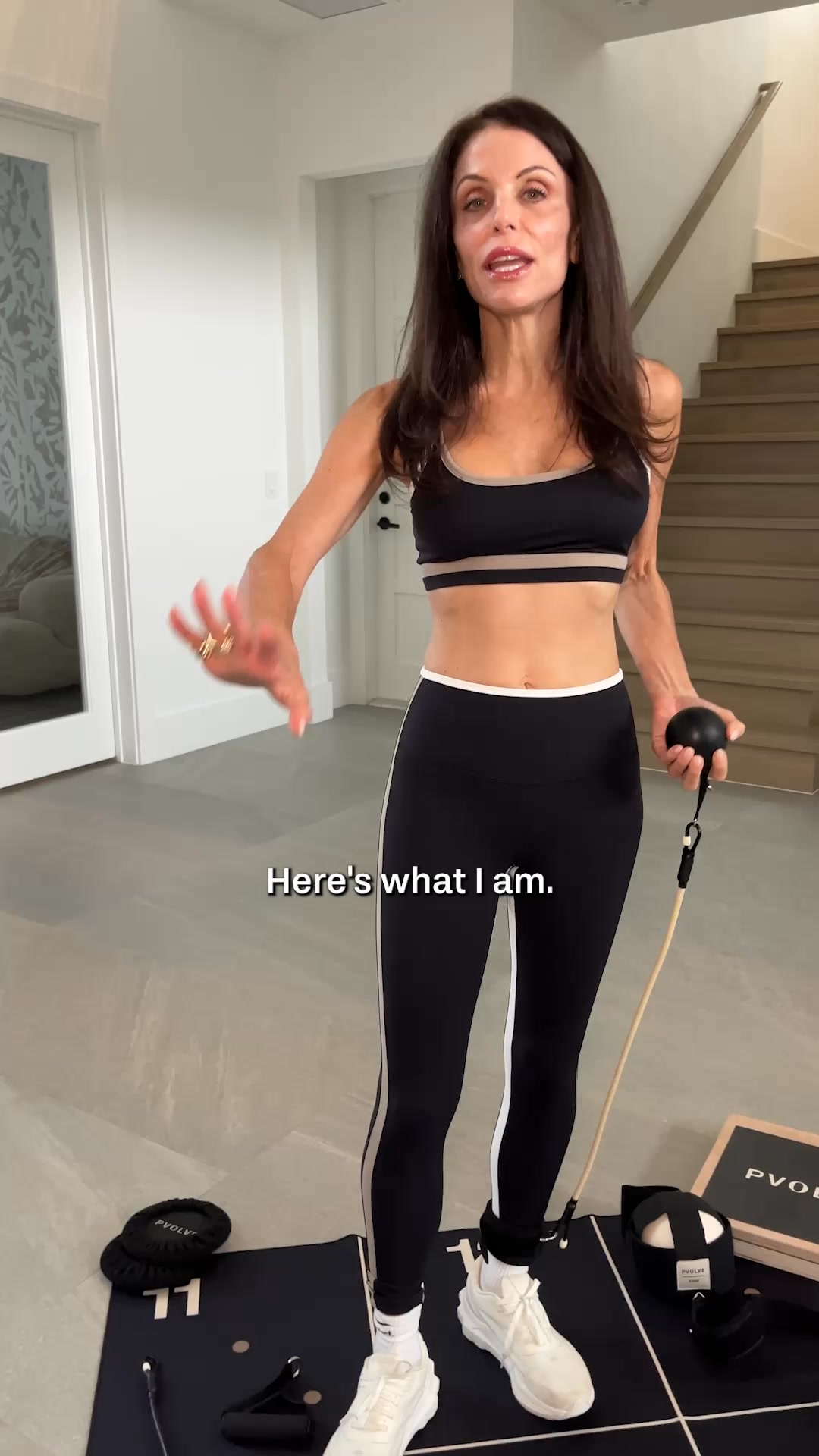
WalkFit Daily Walking Plan's before/after ad is a 160-second fitness video creative decoded by Heista into 7 structural beats with 13 total cuts. WalkFit Daily Walking Plan's full brand intelligence · Fitness ad hooks
Facebook Ad
2:40
WalkFit Daily Walking Plan
Heisted: Aug 4, 2026
PATTERNMAP™
Loading PatternMap...
Ad Blueprint
Before/After
CategoryFitness
AngleProblem Solution
NarrativePain To Relief
IntentTransformation Arc Engine
Hook Type
Challenge Intro
15.0sDuration
3Shots
5.1sAvg Shot
Energy
Cut Points
2.9s6.8s
Psychology
Loss Aversion
Behavioral ApproachPeer Recommend
Negative Future Projection
Risk Priming
Avoidance Trigger
Fear Of Loss
Scarcity Cue
Every winning ad has a formula. Heista decodes it in seconds.
WalkFit Daily Walking Plan Ad Decoded — Challenge Intro Hook Analysis (160s)
WalkFit Daily Walking Plan's before/after ad is a 160-second fitness creative decoded by Heista into 7 structural beats. It opens with a Challenge Intro hook — This leverages Challenge Intro by turning the video into an actionable, time-stamped task (“This Monday…”) rather than vague content, which keeps attention because there’s something to follow along with. The “Just seven minutes… no equipment, no one watching” constraints activate Simplicity Bias and Low-Friction Action: the brain discounts effort and risk, making it easier to say yes and stay for the instructions. The beginning of a dated start also creates Temporal Zeigarnik Effect—an open loop of “what happens on Monday / in seven minutes?” that pulls the viewer forward. The psychological mission is Loss Aversion: The viewer feels urgency to avoid the common failure of quitting from guilt and inactivity, and feels safer committing because the routine offers a way to prevent their stiffness and weight issues from persisting. The ad has 13 cuts at an average of 13.7s per cut, with an average beat duration of 22.8s.
Key Takeaways
Overview
Challenge Intro Hook
This leverages Challenge Intro by turning the video into an actionable, time-stamped task (“This Monday…”) rather than vague content, which keeps attention because there’s something to follow along with. The “Just seven minutes… no equipment, no one watching” constraints activate Simplicity Bias and Low-Friction Action: the brain discounts effort and risk, making it easier to say yes and stay for the instructions. The beginning of a dated start also creates Temporal Zeigarnik Effect—an open loop of “what happens on Monday / in seven minutes?” that pulls the viewer forward. Challenge Intro hook deep-dive
Beat-by-Beat Breakdown
Beat 2 (0:00-0:15) — Challenge Intro: It frames the next segment as an explicit challenge: “This Monday, August 3rd, we start the Tai Chi walking challenge for beginners.” It then specifies the participation constraints—“Just seven minutes every morning, no equipment, no one watching”—so the viewer can mentally evaluate “can I do this?” immediately.
Beat 3 (0:15-0:42) — Before/After Explanation: It sets up a before/after claim: “Come back and people won't recognize you.” Then it adds an immediate CTA: “Tap to join.” This positions joining as the step that leads to the dramatic transformation.
Beat 4 (0:42-1:19) — Before/After Proof: It presents a before/after outcome over one week: “the stiffness I wake up with every morning, it's just lighter today… and now… no more morning stiffness… and I'm sleeping through the night.” It then confirms the change came without additional changes: “I haven't changed anything else.”
Beat 5 (1:19-1:51) — Belief Break: It shatters the belief that “women over 50 do not need exhausting cardio” and replaces it with a specific alternative: “They just need the right gentle flow.” It also reinforces the point by contrasting the sister’s reaction (“asked if I lost 20 pounds”) with the new takeaway about what actually works.
Beat 6 (1:51-2:15) — Resource Constraint: It highlights a realistic constraint—“I can't get out here every single day… And you shouldn't have to force it”—and positions that as the real problem women face after enjoying the “Seven minutes of Tai Chi walking.”
Beat 7 (2:15-2:30) — Mini Tutorial: The speaker answers a direct “what am I supposed to do” problem by introducing the exact solution: the “seven-minute Tai Chi walking routine,” then immediately specifies how to do it in the viewer’s space (“right in your living room. No shoes, no equipment.”). This turns a vague stuck-at-home situation into a ready-to-follow mini routine with clear constraints.
Beat 8 (2:30-2:39) — Scene Setter: The speaker uses a situational reference to reframe the setting: “just seven minutes in my living room?” and then anchors the activity to that exact environment (“when you do gentle, mindful stepping at home”). This positions the viewer inside a doable, familiar context rather than an out-of-reach workout scenario.
Behavioral Psychology
This ad activates Loss Aversion as its primary behavioral mission. The viewer feels urgency to avoid the common failure of quitting from guilt and inactivity, and feels safer committing because the routine offers a way to prevent their stiffness and weight issues from persisting. Loss Aversion behavioral mission
Structural Fingerprint
Duration: 160 seconds. Beat count: 7. Total cuts: 13. Average beat duration: 22.8s. Average cut duration: 13.7s. Average visual energy: 1.3/10. Fitness ad formula reference
Frequently Asked Questions
Why does this WalkFit Daily Walking Plan ad work? This WalkFit Daily Walking Plan before/after ad opens with a Challenge Intro hook that captures attention in the first 3 seconds. The psychological architecture activates Loss Aversion across 7 structural beats, each contributing a specific persuasion mechanism.
What hook does WalkFit Daily Walking Plan use in this ad? WalkFit Daily Walking Plan opens with a Challenge Intro hook. This leverages Challenge Intro by turning the video into an actionable, time-stamped task (“This Monday…”) rather than vague content, which keeps attention because there’s something to follow along with. The “Just seven minutes… no equipment, no one watching” constraints activate Simplicity Bias and Low-Friction Action: the brain discounts effort and risk, making it easier to say yes and stay for the instructions. The beginning of a dated start also creates Temporal Zeigarnik Effect—an open loop of “what happens on Monday / in seven minutes?” that pulls the viewer forward.
What psychology does this WalkFit Daily Walking Plan ad activate? This ad activates Loss Aversion as its primary behavioral mission. The viewer feels urgency to avoid the common failure of quitting from guilt and inactivity, and feels safer committing because the routine offers a way to prevent their stiffness and weight issues from persisting.
How long is this WalkFit Daily Walking Plan ad and what's the structure? This ad runs 160 seconds with 7 structural beats and 13 cuts. Average cut duration is 13.7s. The pattern flow follows a full format structure common in before/after ads.
What platform is this WalkFit Daily Walking Plan ad running on? This before/after ad is running on facebook. The fitness vertical typically sees strong performance on this platform for before/after creative structures.
What makes this different from other fitness ads? Most fitness ads lean on generic format templates. WalkFit Daily Walking Plan's version uses a distinct Challenge Intro hook structure paired with Loss Aversion — a combination that over-indexes in high-performing fitness creative.