Sundays for Dogs's talking head b-roll ad is a 32-second pet video creative decoded by Heista into 6 structural beats with 0 total cuts. Sundays for Dogs's full brand intelligence · Pet ad hooks
PATTERNMAP™
Loading PatternMap...
Ad Blueprint
Talking Head B-Roll
CategoryPet
AngleProblem Solution
NarrativePain To Relief
IntentCTA Optimized Conversion
Hook Type
Diagnostic Question
6.5sDuration
0Shots
—sAvg Shot
Psychology
Loss Aversion
Behavioral ApproachSoft Sell Value Frame
Negative Future Projection
Risk Priming
Fear Of Loss
Avoidance Trigger
Scarcity Cue
Every winning ad has a formula. Heista decodes it in seconds.
Sundays for Dogs Ad Decoded — Diagnostic Question Hook Analysis (32s)
Sundays for Dogs's talking head b-roll ad is a 32-second pet creative decoded by Heista into 6 structural beats. It opens with a Diagnostic Question hook — This leverages Diagnostic Question to trigger self-identification—if the viewer’s dog fits “picky” + “sensitive stomach,” they feel seen and keep listening. It also uses Confirmation Bias: “You probably know the cycle” nudges the viewer to agree with their existing experience, which increases commitment to hear the explanation of that cycle. The psychological mission is Loss Aversion: The viewer feels urgency to stop wasting money and time on repeated food switches, because the familiar cycle of digestive problems and unfinished bags is framed as a risk they can avoid by choosing the new option. The ad has 0 cuts at an average of 0s per cut, with an average beat duration of 5.4s.
Key Takeaways
Overview
Diagnostic Question Hook
This leverages Diagnostic Question to trigger self-identification—if the viewer’s dog fits “picky” + “sensitive stomach,” they feel seen and keep listening. It also uses Confirmation Bias: “You probably know the cycle” nudges the viewer to agree with their existing experience, which increases commitment to hear the explanation of that cycle. Diagnostic Question hook deep-dive
Beat-by-Beat Breakdown
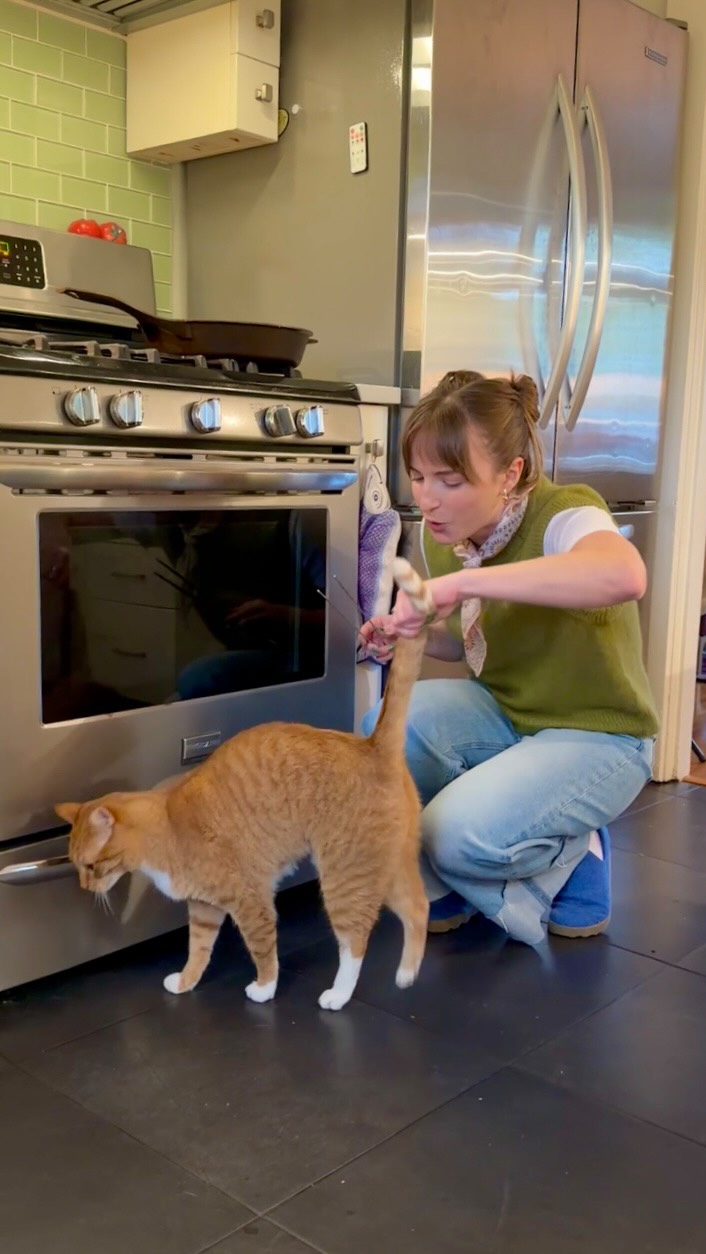
Beat 2 (0:00-0:06) — Diagnostic Question: It opens with a direct diagnostic question aimed at a specific pet problem: “Have a picky dog with a sensitive stomach?” Then it immediately escalates relevance with a prediction: “You probably know the cycle.” This turns the viewer into a “match-or-skip” self-check, making them mentally confirm they’re the target before the video even explains anything.
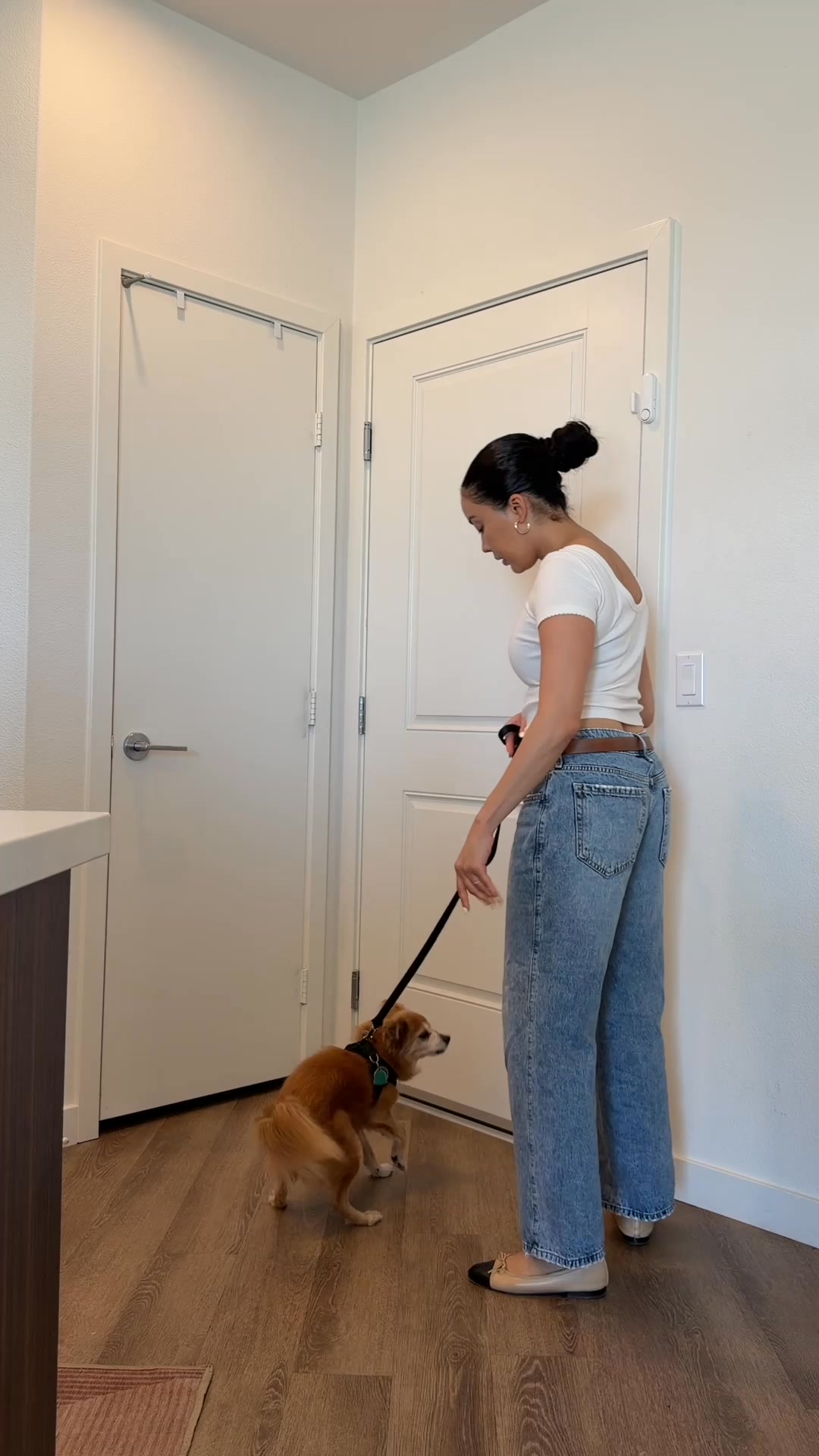
Beat 3 (0:06-0:14) — Inefficiency Pain: It spotlights wasted money and effort from a repeated cycle: “you switch brands, you spend more money hoping this one finally sticks” and “somehow, the results are always the same.” It also lists the recurring payoff that never arrives—“Digestive issues, low energy, and bags of food that just don't get finished.”
Beat 4 (0:14-0:22) — Feature Cascade: It delivers a rapid-fire feature cascade that stacks multiple product claims in one breath: “fresh dog food made with 100% meat and superfoods, gently air dried to preserve nutrients and flavor… and it actually smells like real food.” This forces the viewer to mentally process a dense sequence of benefits before they can disengage.
Beat 5 (0:22-0:27) — Testimonial: It delivers a mini testimonial using a specific outcome story: “My dogs took one bite and they couldn't get enough. Now every time they clean their bowl.”
Beat 6 (0:27-0:31) — The Easy Way: It promises an easier solution: “Sundays makes it easier.” The beat reframes the struggle (“picky eater”) into a simpler path forward, implying the viewer doesn’t need to keep wrestling with the problem.
Beat 7 (0:31-0:32) — Soft CTA: It delivers a low-pressure implied CTA: “Sundays makes it easier.” This frames the next action as effortless and already baked into the routine, nudging the viewer to adopt it without a hard ask.
Behavioral Psychology
This ad activates Loss Aversion as its primary behavioral mission. The viewer feels urgency to stop wasting money and time on repeated food switches, because the familiar cycle of digestive problems and unfinished bags is framed as a risk they can avoid by choosing the new option. Loss Aversion behavioral mission
Structural Fingerprint
Duration: 32 seconds. Beat count: 6. Total cuts: 0. Average beat duration: 5.4s. Average cut duration: 0s. Average visual energy: 0/10. Pet ad formula reference
Frequently Asked Questions
Why does this Sundays for Dogs ad work? This Sundays for Dogs talking head b-roll ad opens with a Diagnostic Question hook that captures attention in the first 3 seconds. The psychological architecture activates Loss Aversion across 6 structural beats, each contributing a specific persuasion mechanism.
What hook does Sundays for Dogs use in this ad? Sundays for Dogs opens with a Diagnostic Question hook. This leverages Diagnostic Question to trigger self-identification—if the viewer’s dog fits “picky” + “sensitive stomach,” they feel seen and keep listening. It also uses Confirmation Bias: “You probably know the cycle” nudges the viewer to agree with their existing experience, which increases commitment to hear the explanation of that cycle.
What psychology does this Sundays for Dogs ad activate? This ad activates Loss Aversion as its primary behavioral mission. The viewer feels urgency to stop wasting money and time on repeated food switches, because the familiar cycle of digestive problems and unfinished bags is framed as a risk they can avoid by choosing the new option.
How long is this Sundays for Dogs ad and what's the structure? This ad runs 32 seconds with 6 structural beats and 0 cuts. Average cut duration is 0s. The pattern flow follows a full format structure common in talking head b-roll ads.
What platform is this Sundays for Dogs ad running on? This talking head b-roll ad is running on facebook. The pet vertical typically sees strong performance on this platform for talking head b-roll creative structures.
What makes this different from other pet ads? Most pet ads lean on generic format templates. Sundays for Dogs's version uses a distinct Diagnostic Question hook structure paired with Loss Aversion — a combination that over-indexes in high-performing pet creative.