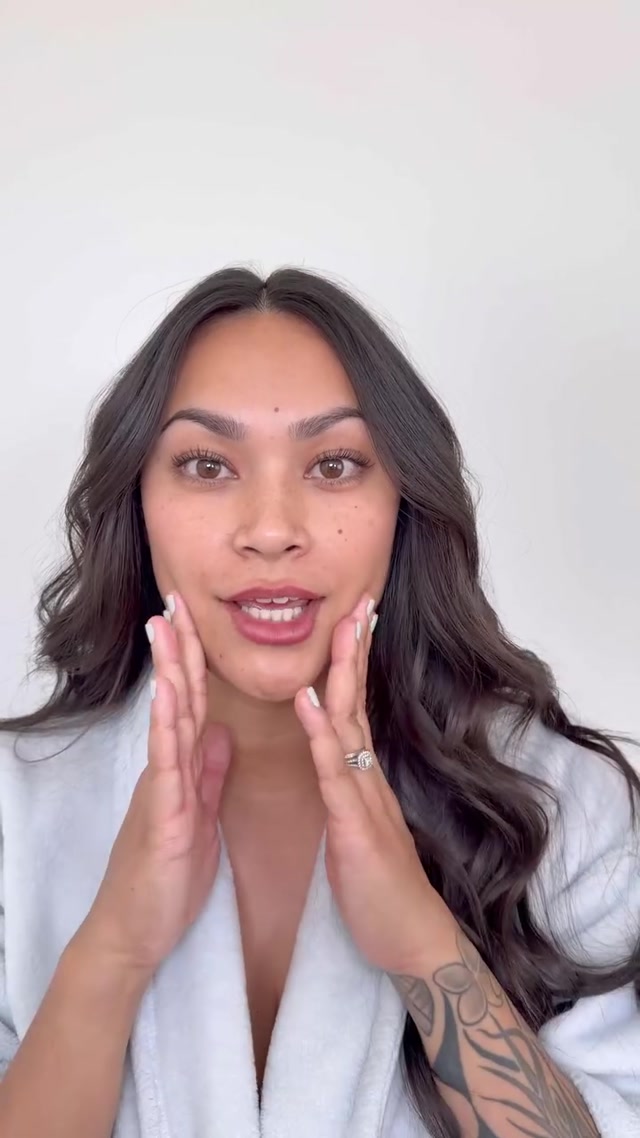
rms beauty's talking head product ad is a 64-second beauty & skincare video creative decoded by Heista into 6 structural beats with 15 total cuts. rms beauty's full brand intelligence
PATTERNMAP™
Loading PatternMap...
Ad Blueprint
Talking Head Product
CategoryBeauty Skincare
AngleOffer Urgency
NarrativePain To Relief
IntentProblem Agitate Solve
Hook Type
Contrast Setup
8.5sDuration
1Shots
9.2sAvg Shot
Energy
Psychology
Loss Aversion
Behavioral ApproachPeer Recommend
Negative Future Projection
Scarcity Cue
Fear Of Loss
Every winning ad has a formula. Heista decodes it in seconds.
rms beauty Ad Decoded — Contrast Setup Hook Analysis (64s)
rms beauty's talking head product ad is a 64-second beauty & skincare creative decoded by Heista into 6 structural beats. It opens with a Contrast Setup hook — This leverages Contrast Setup by defining two opposing states—actually not tired vs. looking tired—making the problem feel immediately identifiable. It also uses Confirmation Bias: the described symptom cluster (“dark circles and creases”) gives the brain a ready-made label for what it’s already noticing, which increases stickiness. Finally, it creates a Solution Framing anticipation effect with “So let’s put the brightness back,” signaling that the contradiction will be resolved next. The psychological mission is Loss Aversion: The viewer feels a sense of urgency to act now because the kit is positioned as a limited-time, best-value solution that they might miss if they wait. The ad has 15 cuts at an average of 5.5s per cut, with an average beat duration of 10.7s.
Key Takeaways
- Opens with a Contrast Setup hook
- Activates Loss Aversion psychology
- Part of rms beauty's full ad strategy
- 15 cuts, averaging 5.5s per cut
Overview
Contrast Setup Hook
This leverages Contrast Setup by defining two opposing states—actually not tired vs. looking tired—making the problem feel immediately identifiable. It also uses Confirmation Bias: the described symptom cluster (“dark circles and creases”) gives the brain a ready-made label for what it’s already noticing, which increases stickiness. Finally, it creates a Solution Framing anticipation effect with “So let’s put the brightness back,” signaling that the contradiction will be resolved next. Contrast Setup hook deep-dive
Beat-by-Beat Breakdown
Beat 2 (0:00-0:08) — Contrast Setup: It sets up an opposing contrast: it claims the viewer “just look[s] tired even when I’m not,” because “Androids have been taking the brightness out of my face,” causing “dark circles and creases under my eyes,” then tees up a fix: “So let’s put the brightness back.”
Beat 3 (0:08-0:18) — Object Intro: It introduces the specific product—“the RMS Brighten Up Essential Kit”—and adds concrete packaging detail—“comes in this cream, silky bag”—while promising outcome with a simple payoff—“this will do the trick.”
Beat 4 (0:18-0:45) — Feature Cascade: It runs a rapid-fire feature cascade for the product: “Brightener, hydrator, and mineral SPF in one step,” then stacked specifics like “non-nano zinc oxide,” “caffeine plus coffee seed extract,” “four flexible shades,” and even fast results cues like “brightens without looking heavy” and “helps a lot with creasing.” It keeps adding value components until the viewer has a complete product picture before moving on to “straight up mascara.”
Beat 5 (0:45-0:56) — Percentage Result: The beat quantifies the value claim and then adds a specific deal: “this kit is $173 value” and “you get it 30% off when you buy it as a set.” It’s using the viewer’s eyes to connect two concrete numbers (value and discount) to a buying justification in the same breath.
Beat 6 (0:56-1:00) — Cost/Benefit Shift: It shifts the viewer from a “maybe later” mindset to an immediate decision by emphasizing scarcity and urgency: “do not sleep on it” and “This is limited edition.” In this moment, it pushes the brain to treat the opportunity as time-sensitive rather than optional.
Beat 7 (1:00-1:04) — Offer Tease: It caps the message with an availability restriction: “This is limited edition.” That single line signals the item exists, but access is time/quantity constrained, nudging the viewer to treat it as a real offer rather than just content.
Behavioral Psychology
This ad activates Loss Aversion as its primary behavioral mission. The viewer feels a sense of urgency to act now because the kit is positioned as a limited-time, best-value solution that they might miss if they wait. Loss Aversion behavioral mission
Structural Fingerprint
Duration: 64 seconds. Beat count: 6. Total cuts: 15. Average beat duration: 10.7s. Average cut duration: 5.5s. Average visual energy: 2.2/10.
Frequently Asked Questions
Why does this rms beauty ad work? This rms beauty talking head product ad opens with a Contrast Setup hook that captures attention in the first 3 seconds. The psychological architecture activates Loss Aversion across 6 structural beats, each contributing a specific persuasion mechanism.
What hook does rms beauty use in this ad? rms beauty opens with a Contrast Setup hook. This leverages Contrast Setup by defining two opposing states—actually not tired vs. looking tired—making the problem feel immediately identifiable. It also uses Confirmation Bias: the described symptom cluster (“dark circles and creases”) gives the brain a ready-made label for what it’s already noticing, which increases stickiness. Finally, it creates a Solution Framing anticipation effect with “So let’s put the brightness back,” signaling that the contradiction will be resolved next.
What psychology does this rms beauty ad activate? This ad activates Loss Aversion as its primary behavioral mission. The viewer feels a sense of urgency to act now because the kit is positioned as a limited-time, best-value solution that they might miss if they wait.
How long is this rms beauty ad and what's the structure? This ad runs 64 seconds with 6 structural beats and 15 cuts. Average cut duration is 5.5s. The pattern flow follows a full format structure common in talking head product ads.
What platform is this rms beauty ad running on? This talking head product ad is running on facebook. The beauty & skincare vertical typically sees strong performance on this platform for talking head product creative structures.
What makes this different from other beauty & skincare ads? Most beauty & skincare ads lean on generic format templates. rms beauty's version uses a distinct Contrast Setup hook structure paired with Loss Aversion — a combination that over-indexes in high-performing beauty & skincare creative.