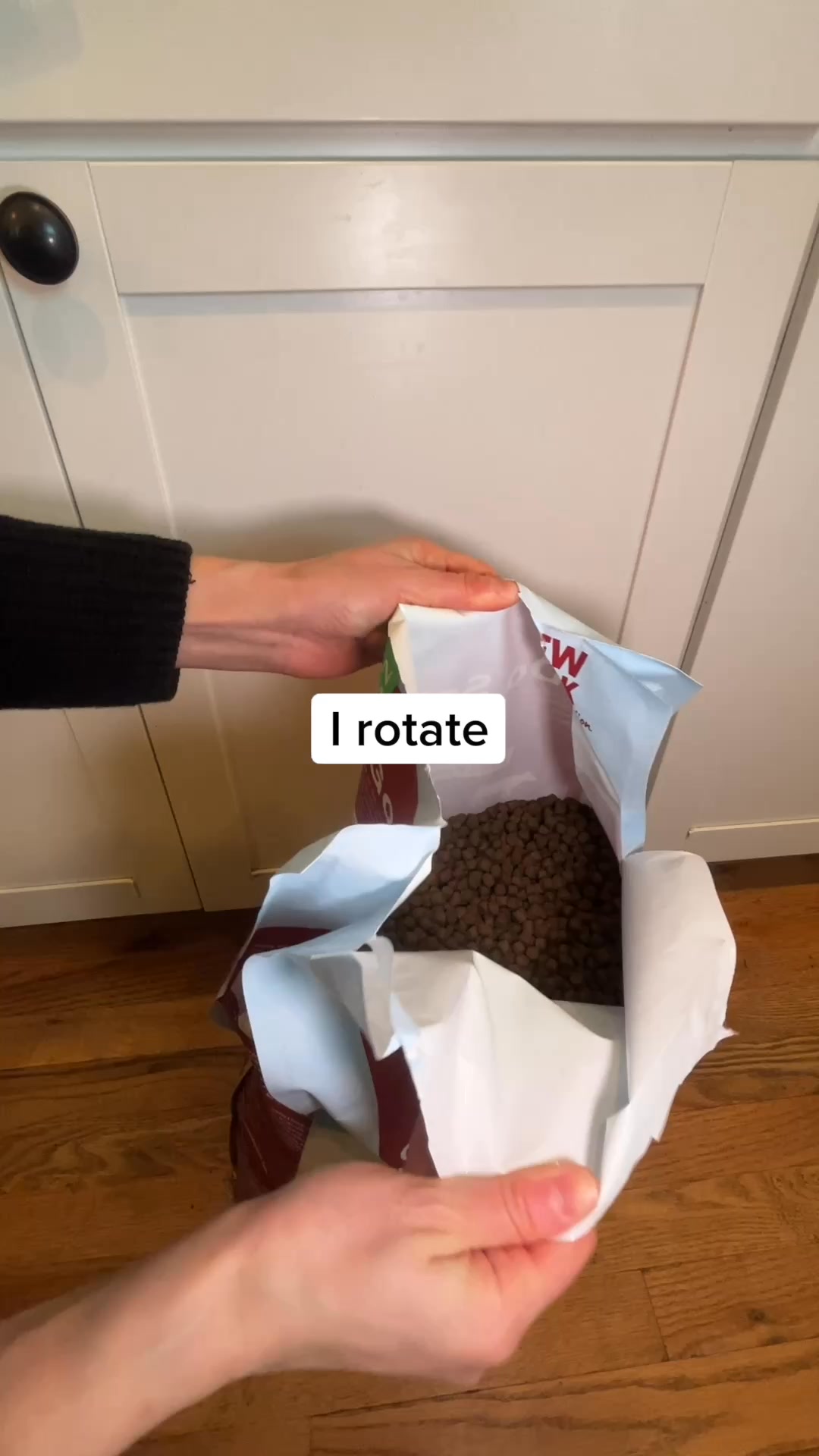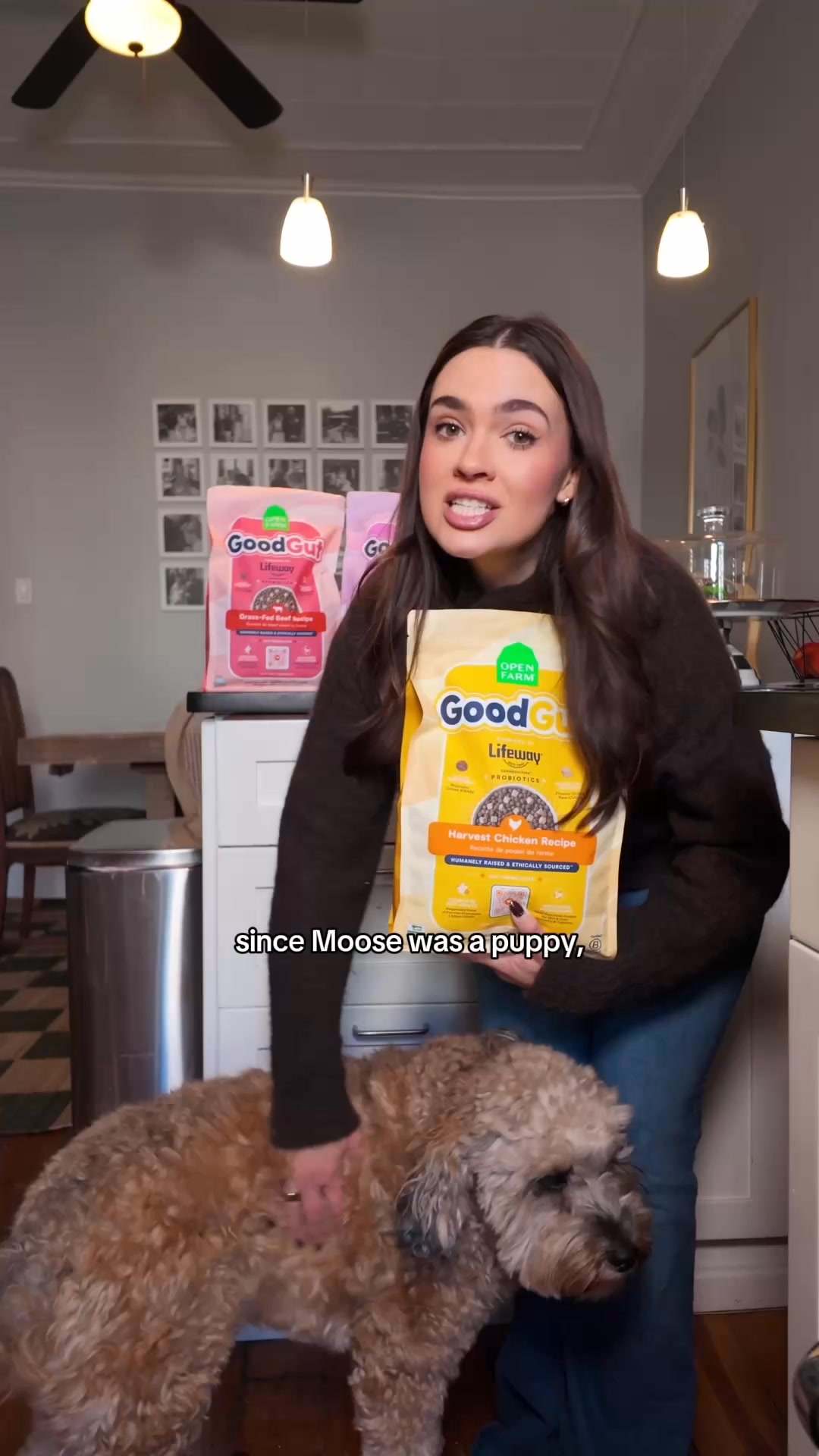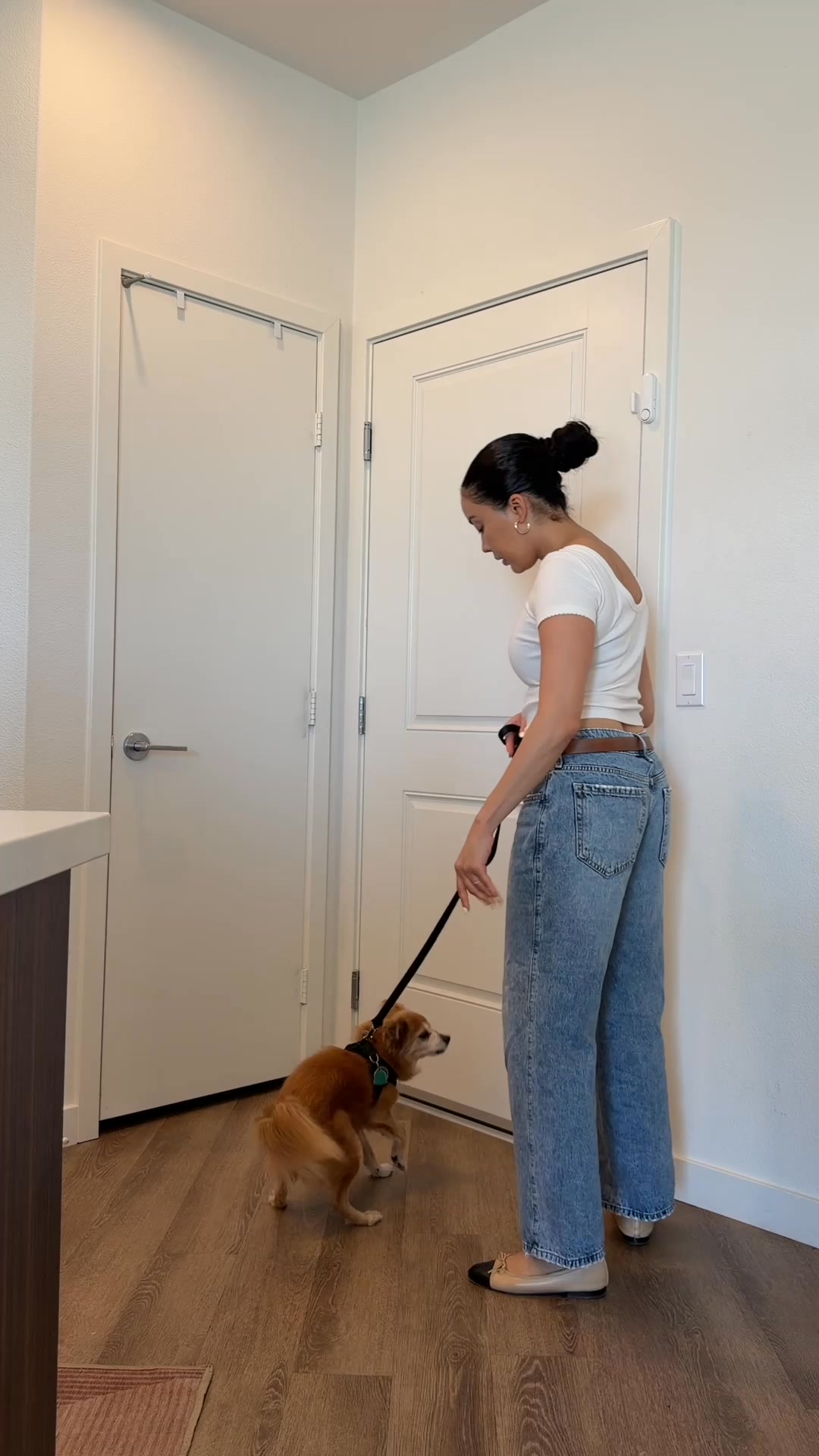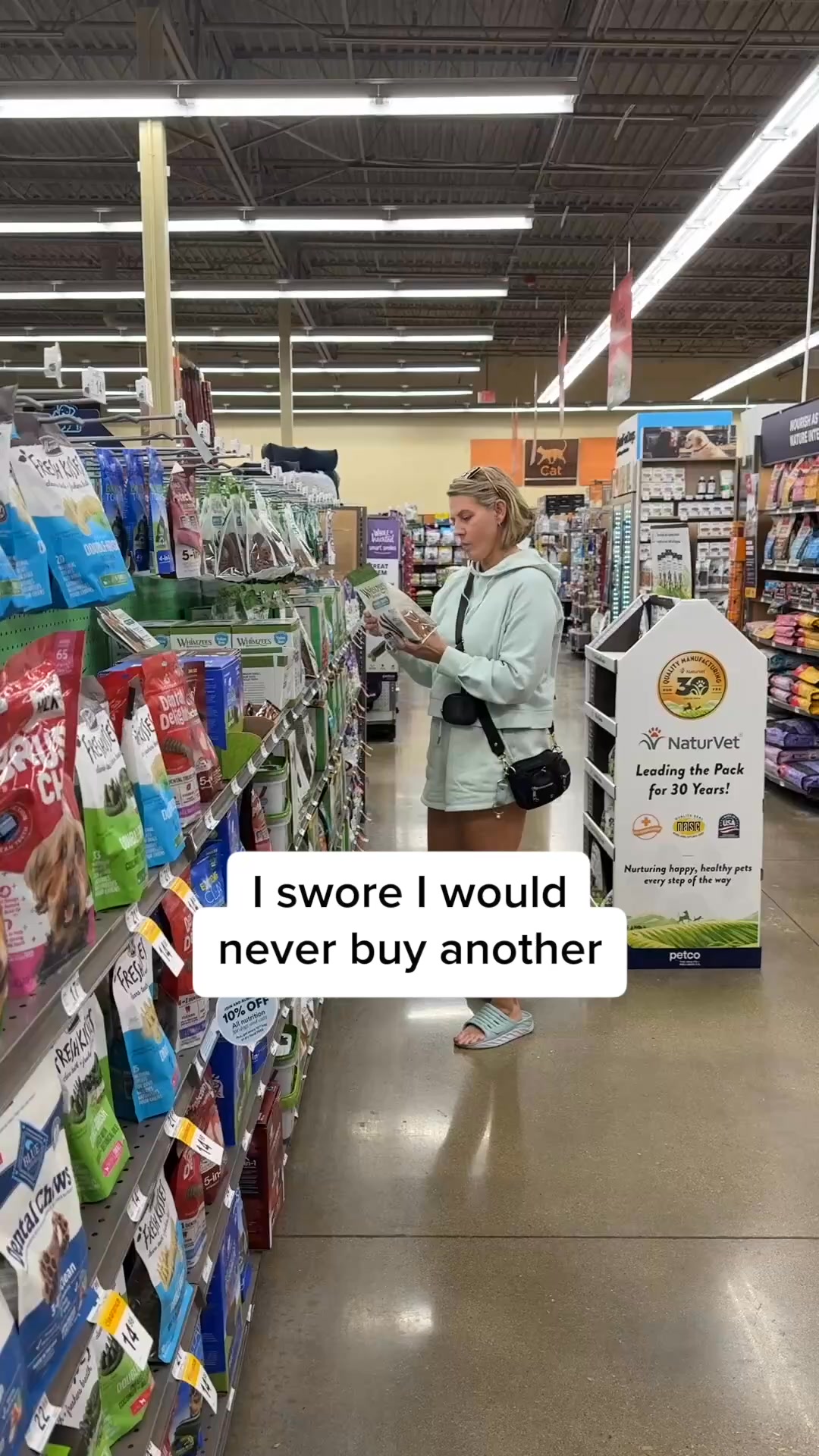
Open Farm's voiceover b-roll ad is a 71-second pet video creative decoded by Heista into 7 structural beats with 39 total cuts. Open Farm's full brand intelligence · Pet ad hooks
PATTERNMAP™
Loading PatternMap...
Ad Blueprint
Voiceover B-Roll
CategoryPet
AngleGuarantee Risk Reversal
NarrativePain To Relief
IntentCTA Optimized Conversion
Hook Type
Story Start
10.5sDuration
6Shots
1.8sAvg Shot
Energy
Cut Points
2.4s4.1s5.2s6.8s9.4s
Psychology
Loss Aversion
Behavioral ApproachSell Product Direct
Fear Of Loss
Risk Priming
Negative Future Projection
Avoidance Trigger
Scarcity Cue
Every winning ad has a formula. Heista decodes it in seconds.
Open Farm Ad Decoded — Story Start Hook Analysis (71s)
Open Farm's voiceover b-roll ad is a 71-second pet creative decoded by Heista into 7 structural beats. It opens with a Story Start hook — This leverages the Story Start mechanism: the viewer is pulled into a past moment (“I swore… Then I learned…”) and is primed for a reveal. The “I need you to understand where I was” adds Commitment/Continuity pressure—once you’re invited to track the speaker’s starting point, you keep watching to see how that context connects to the “policy.” The psychological mission is Loss Aversion: The viewer feels protected from wasting money and being rejected again, so the decision becomes safe to try and the outcome feels like a relief from past losses. The ad has 39 cuts at an average of 1.8s per cut, with an average beat duration of 10.2s.
Key Takeaways
Overview
Story Start Hook
This leverages the Story Start mechanism: the viewer is pulled into a past moment (“I swore… Then I learned…”) and is primed for a reveal. The “I need you to understand where I was” adds Commitment/Continuity pressure—once you’re invited to track the speaker’s starting point, you keep watching to see how that context connects to the “policy.” Story Start hook deep-dive
Beat-by-Beat Breakdown
Beat 2 (0:00-0:10) — Story Start: It opens with a personal mini-story: “I swore I would never buy another bag of dog food my dog might reject. Then I learned about this policy.” That “then I learned” turn signals a discovery is coming, and the follow-up “I need you to understand where I was” frames the next part as a setup you must follow.
Beat 3 (0:10-0:22) — Relatability Setup: The speaker builds a shared, relatable money-and-frustration story: “I had thrown away so many bags… that I lost count” and “Every new brand felt like a $70 gamble.” They then mirror the viewer’s likely decision fatigue with a clear emotional endpoint: “I was done.”
Beat 4 (0:22-0:33) — Loss Aversion Cue: It reframes the purchase risk as a guaranteed “no-loss” deal: “Open Farm has a satisfaction guarantee. Your dog will not eat it, you get your money back.” This turns the decision from “Will I waste money?” into “Even if it fails, I won’t lose anything.”
Beat 5 (0:33-0:56) — Feature Cascade: It runs a rapid-fire Feature Cascade of product attributes—“Real wild-caught salmon as the number one ingredient… Rich in omega-3s… They also have a grass-fed beef recipe… Real beef, no antibiotics… No corn, no wheat, no soy, no filler… Every ingredient earns its place… Open Farm is B Corp certified… I can see it all through the lot code.” This stacks multiple concrete claims back-to-back so the viewer experiences the brand as densely “filled in,” not vague or generic.
Beat 6 (0:56-1:06) — Track Record Proof: It validates the method with a consistency track record: “We are five months in now. She has not refused a single meal.” The speaker then reinforces trust by contrasting expectation vs outcome (“expecting the usual rejection… Birdie ate the entire thing”) and adds a credibility wrap-up: “I never would have tried without it.”
Beat 7 (1:06-1:09) — Fear → Relief: It turns the viewer’s fear of trying again into a promise of safety: “If past failures have made you afraid to try again” is immediately followed by “this one is risk-free.” In this moment, it swaps the emotional frame from threat to safety so the viewer feels permission to re-engage.
Beat 8 (1:09-1:11) — Try This Today: It gives a small immediate product instruction: “Try Open Farm grain-free.” This tells the viewer exactly what to do next, right now, with no extra steps.
Behavioral Psychology
This ad activates Loss Aversion as its primary behavioral mission. The viewer feels protected from wasting money and being rejected again, so the decision becomes safe to try and the outcome feels like a relief from past losses. Loss Aversion behavioral mission
Structural Fingerprint
Duration: 71 seconds. Beat count: 7. Total cuts: 39. Average beat duration: 10.2s. Average cut duration: 1.8s. Average visual energy: 7.4/10. Pet ad formula reference
Frequently Asked Questions
Why does this Open Farm ad work? This Open Farm voiceover b-roll ad opens with a Story Start hook that captures attention in the first 3 seconds. The psychological architecture activates Loss Aversion across 7 structural beats, each contributing a specific persuasion mechanism.
What hook does Open Farm use in this ad? Open Farm opens with a Story Start hook. This leverages the Story Start mechanism: the viewer is pulled into a past moment (“I swore… Then I learned…”) and is primed for a reveal. The “I need you to understand where I was” adds Commitment/Continuity pressure—once you’re invited to track the speaker’s starting point, you keep watching to see how that context connects to the “policy.”
What psychology does this Open Farm ad activate? This ad activates Loss Aversion as its primary behavioral mission. The viewer feels protected from wasting money and being rejected again, so the decision becomes safe to try and the outcome feels like a relief from past losses.
How long is this Open Farm ad and what's the structure? This ad runs 71 seconds with 7 structural beats and 39 cuts. Average cut duration is 1.8s. The pattern flow follows a full format structure common in voiceover b-roll ads.
What platform is this Open Farm ad running on? This voiceover b-roll ad is running on facebook. The pet vertical typically sees strong performance on this platform for voiceover b-roll creative structures.
What makes this different from other pet ads? Most pet ads lean on generic format templates. Open Farm's version uses a distinct Story Start hook structure paired with Loss Aversion — a combination that over-indexes in high-performing pet creative.