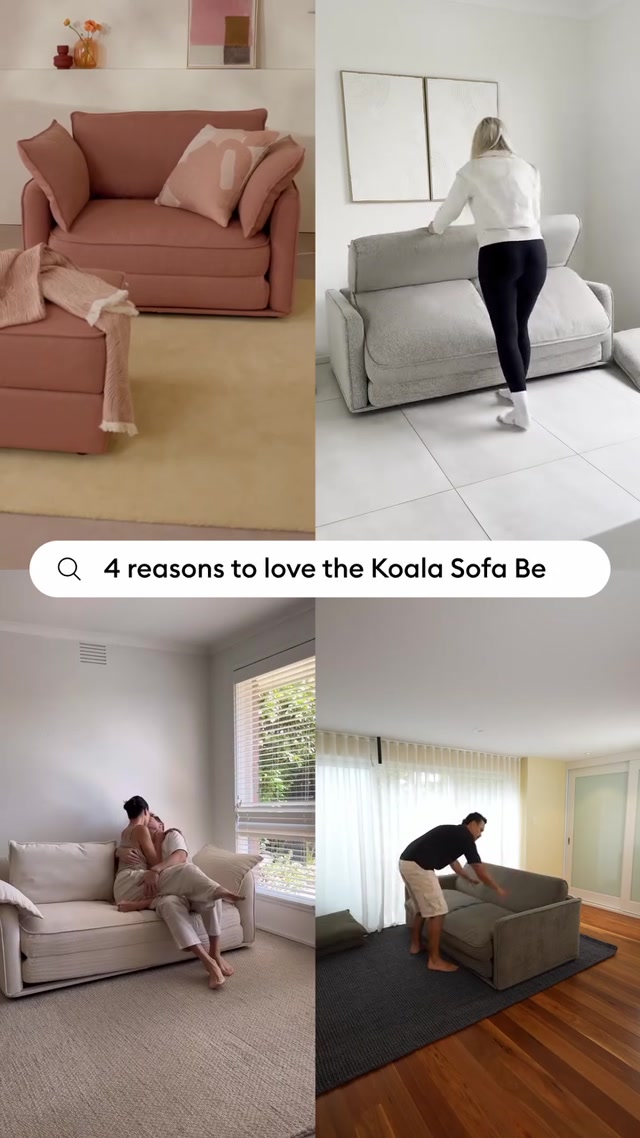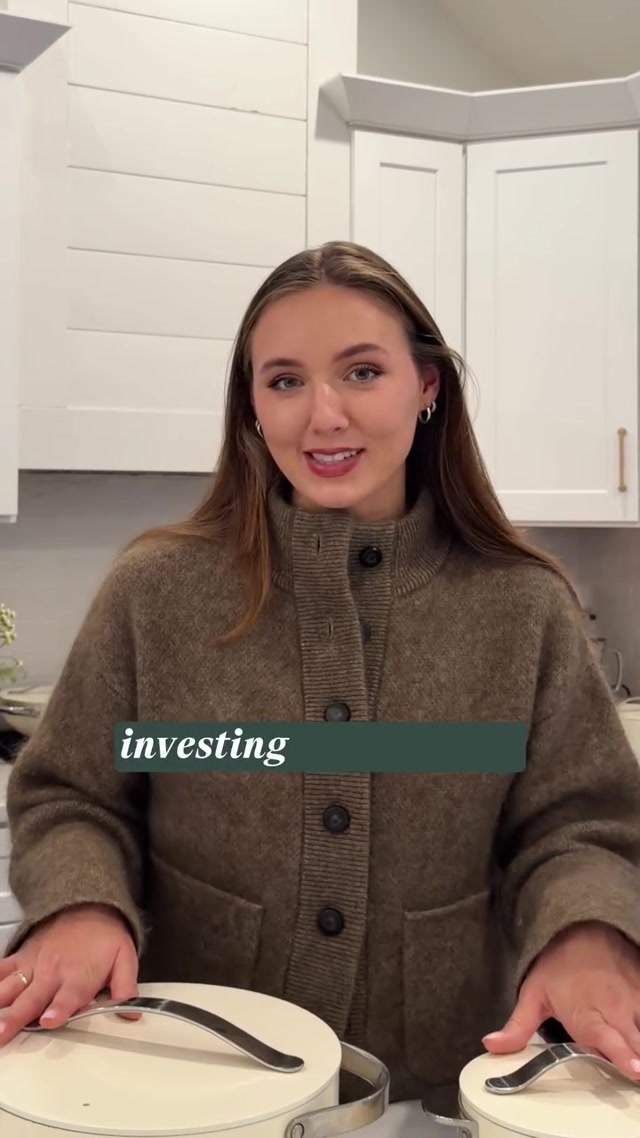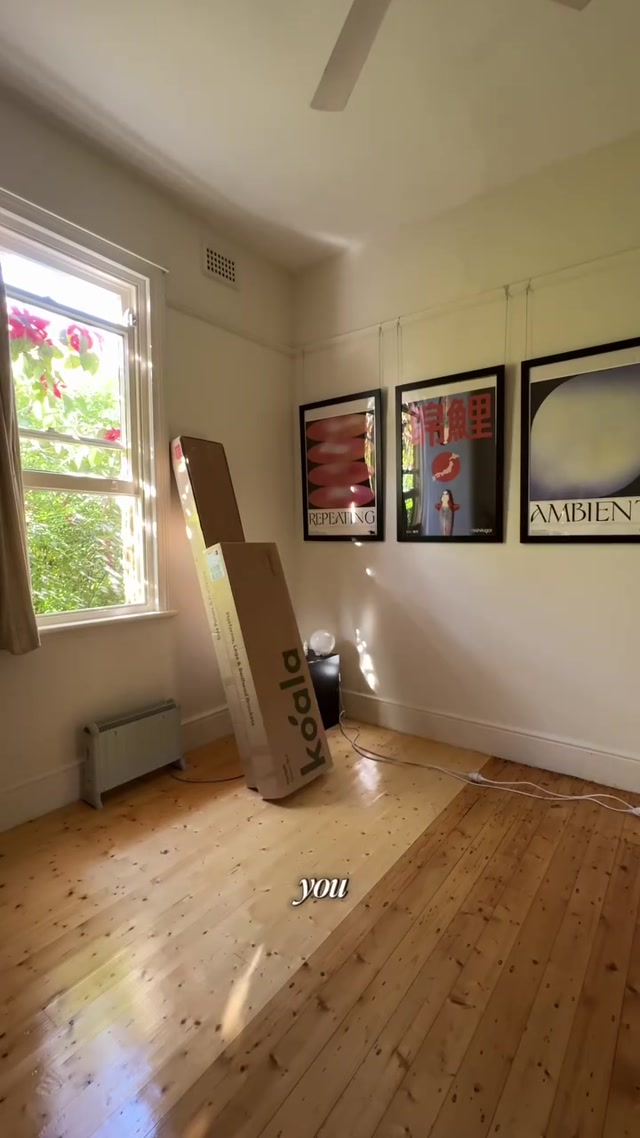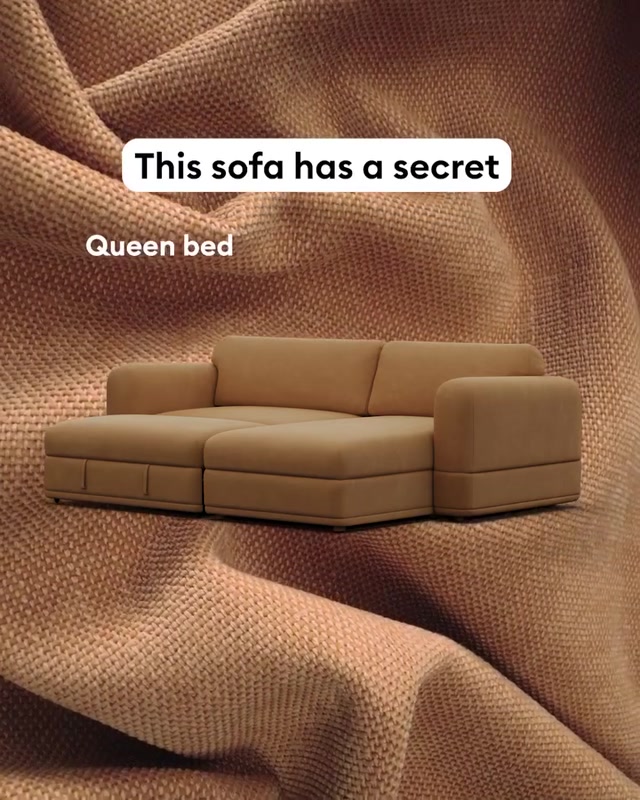
Koala's talking head b-roll ad is a 40-second home & living video creative decoded by Heista into 7 structural beats with 33 total cuts. Koala's full brand intelligence
PATTERNMAP™
Loading PatternMap...
Ad Blueprint
Talking Head B-Roll
CategoryHome Living
AngleValue Stack
NarrativePain To Relief
IntentProblem Agitate Solve
Hook Type
Parallel List Open
6.5sDuration
5Shots
1.5sAvg Shot
Energy
Cut Points
2.5s3.5s4.6s5.8s
Psychology
Loss Aversion
Behavioral ApproachPeer Recommend
Negative Future Projection
Risk Priming
Fear Of Loss
Avoidance Trigger
Scarcity Cue
Every winning ad has a formula. Heista decodes it in seconds.
Koala Ad Decoded — Parallel List Open Hook Analysis (40s)
Koala's talking head b-roll ad is a 40-second home & living creative decoded by Heista into 7 structural beats. It opens with a Parallel List Open hook — This leverages Completion Bias and Patterned Sequencing: once the viewer registers the first “also a…,” their brain expects the list to continue and stay until the last item (“hidden storage”) arrives. The repeated structure also creates Perceived Multi-Benefit Density—each new label feels like a separate payoff, making it harder to mentally drop the beat mid-enumeration. The psychological mission is Loss Aversion: They feel the sting of repeating mess and stepping on hazards, then experience relief as a storage solution prevents future living room losses. The ad has 33 cuts at an average of 1.3s per cut, with an average beat duration of 5.8s.
Key Takeaways
- Opens with a Parallel List Open hook
- Activates Loss Aversion psychology
- Part of Koala's full ad strategy
- 33 cuts, averaging 1.3s per cut
Overview
Parallel List Open Hook
This leverages Completion Bias and Patterned Sequencing: once the viewer registers the first “also a…,” their brain expects the list to continue and stay until the last item (“hidden storage”) arrives. The repeated structure also creates Perceived Multi-Benefit Density—each new label feels like a separate payoff, making it harder to mentally drop the beat mid-enumeration. Parallel List Open hook deep-dive
Beat-by-Beat Breakdown
Beat 2 (0:00-0:06) — Parallel List Open: It uses a parallel list to stack multiple alternate functions for the same item: “Sofa’s also a queen size bed, a day bed, a chase lounge, and has hidden storage.” This forces the viewer to track a growing inventory of uses instead of processing it as one vague claim.
Beat 3 (0:06-0:14) — RELATABABILITY_SETUP: It uses a relatable parent-vignette to frame the emotional reality of the problem: “I love my kids, but I do not love what they've done to my living room.” It then grounds the frustration in a specific recurring cycle — “You spend an hour cleaning up and then five minutes later, it's a mess again.”
Beat 4 (0:14-0:18) — Hidden Problem: It frames a “hidden” issue inside a familiar object by asking, “What if your sofa was hiding something?” This instantly re-questions the viewer’s assumptions about what’s safe/clean/normal in their home, creating tension before any explanation arrives.
Beat 5 (0:18-0:27) — Function Demonstration: It demonstrates how the Wanda Sofa Bed works by describing its unfolding use-cases: it has “hidden storage” so “the perfect place to hide all the toys,” then “it pulls out into a day bed and a queen size bed.” This sequences the product’s functions in-place, making the viewer mentally simulate turning one piece of furniture into multiple setups.
Beat 6 (0:27-0:33) — Track Record Proof: It cites prior performance and reputation: “award-winning” and “glowing reviews,” then adds product-benefit validation (“so buttery soft” and “spill resistant”). This gives the viewer a ready-made reason to trust the claim before any deeper explanation—reputation first, performance second.
Beat 7 (0:33-0:37) — Cost/Benefit Reframe: The beat stacks two value props: “you get a 120-night trial” and “you don't need any tools to put it together.” It turns the purchase into a low-risk, low-effort commitment in one breath.
Beat 8 (0:37-0:40) — The Easy Way: It uses a “switch from pain to solution” framing: “You never want to step on Lego again? Check out the Wanda at koala.com.” The beat pivots from an emotionally charged scenario to a single, ready-made alternative (“Check out the Wanda”), telling the viewer there’s an easier way to avoid the problem.
Behavioral Psychology
This ad activates Loss Aversion as its primary behavioral mission. They feel the sting of repeating mess and stepping on hazards, then experience relief as a storage solution prevents future living room losses. Loss Aversion behavioral mission
Structural Fingerprint
Duration: 40 seconds. Beat count: 7. Total cuts: 33. Average beat duration: 5.8s. Average cut duration: 1.3s. Average visual energy: 8.3/10.
Frequently Asked Questions
Why does this Koala ad work? This Koala talking head b-roll ad opens with a Parallel List Open hook that captures attention in the first 3 seconds. The psychological architecture activates Loss Aversion across 7 structural beats, each contributing a specific persuasion mechanism.
What hook does Koala use in this ad? Koala opens with a Parallel List Open hook. This leverages Completion Bias and Patterned Sequencing: once the viewer registers the first “also a…,” their brain expects the list to continue and stay until the last item (“hidden storage”) arrives. The repeated structure also creates Perceived Multi-Benefit Density—each new label feels like a separate payoff, making it harder to mentally drop the beat mid-enumeration.
What psychology does this Koala ad activate? This ad activates Loss Aversion as its primary behavioral mission. They feel the sting of repeating mess and stepping on hazards, then experience relief as a storage solution prevents future living room losses.
How long is this Koala ad and what's the structure? This ad runs 40 seconds with 7 structural beats and 33 cuts. Average cut duration is 1.3s. The pattern flow follows a full format structure common in talking head b-roll ads.
What platform is this Koala ad running on? This talking head b-roll ad is running on facebook. The home & living vertical typically sees strong performance on this platform for talking head b-roll creative structures.
What makes this different from other home & living ads? Most home & living ads lean on generic format templates. Koala's version uses a distinct Parallel List Open hook structure paired with Loss Aversion — a combination that over-indexes in high-performing home & living creative.