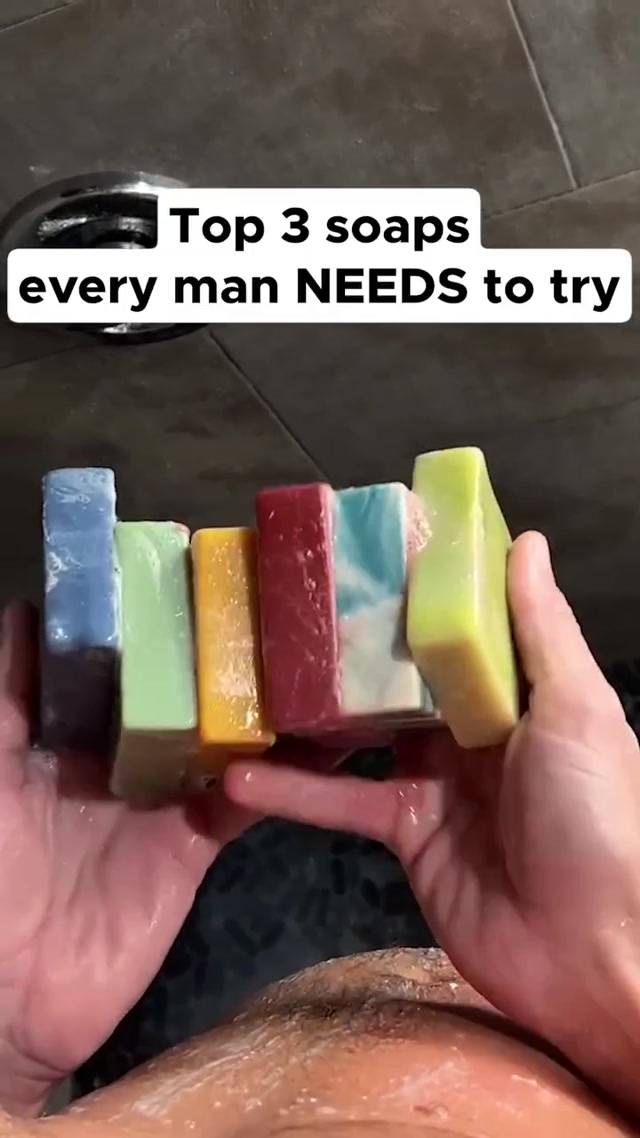
Dr. Squatch's talking head b-roll ad is a 58-second beauty & skincare video creative decoded by Heista into 8 structural beats with 24 total cuts. Dr. Squatch's full brand intelligence
PATTERNMAP™
Loading PatternMap...
Ad Blueprint
Talking Head B-Roll
CategoryBeauty Skincare
AngleSocial Proof Results
NarrativeSocial Proof
IntentShareability Social Replication
Hook Type
Data Point Start
6.5sDuration
4Shots
1.9sAvg Shot
Energy
Cut Points
2.1s3.5s6.3s
Psychology
Loss Aversion
Behavioral ApproachSell Product Direct
Scarcity Cue
Fear Of Loss
Negative Future Projection
Risk Priming
Every winning ad has a formula. Heista decodes it in seconds.
Dr. Squatch Ad Decoded — Data Point Start Hook Analysis (58s)
Dr. Squatch's talking head b-roll ad is a 58-second beauty & skincare creative decoded by Heista into 8 structural beats. It opens with a Data Point Start hook — This leverages Specificity Bias—“top three” feels concrete and therefore more trustworthy than an open-ended recommendation. It also uses Completion Bias: once the viewer mentally registers “three,” they’re motivated to keep watching to see all items in the set. The psychological mission is Loss Aversion: The viewer feels urgency to act now because the soaps are portrayed as constantly selling out, making delay feel like a missed chance to get the most attractive scent. The ad has 24 cuts at an average of 2.8s per cut, with an average beat duration of 7.2s.
Key Takeaways
- Opens with a Data Point Start hook
- Activates Loss Aversion psychology
- Part of Dr. Squatch's full ad strategy
- 24 cuts, averaging 2.8s per cut
Overview
Data Point Start Hook
This leverages Specificity Bias—“top three” feels concrete and therefore more trustworthy than an open-ended recommendation. It also uses Completion Bias: once the viewer mentally registers “three,” they’re motivated to keep watching to see all items in the set. Data Point Start hook deep-dive
Beat-by-Beat Breakdown
Beat 2 (0:00-0:06) — Data Point Start: It opens with a quantified promise: “Top three soaps every man needs to try.” The specific number “three” immediately frames the video as a ranked list, so the viewer expects an exact set rather than vague advice.
Beat 3 (0:06-0:20) — Feature Cascade: The speaker uses a rapid-fire feature cascade to sell the scent: “refreshing, invigorating” plus a direct outcome claim “women are obsessed with how it smells.” They also frame it as a specific option with a numbered pick: “One, Pine Tar.” This stacks sensory descriptors and social desirability in one breath to make the recommendation feel immediately valuable.
Beat 4 (0:20-0:30) — Cost/Benefit Reframe: It frames the product as a high-value payoff by pairing a specific quantity (“Two, Fresh Falls”) with a concrete outcome and duration: “smelling fresh and clean for days on end.” This turns the purchase into a simple cost/benefit trade: you get long-lasting freshness from using it.
Beat 5 (0:30-0:36) — Guarantee: It uses a direct promise of guaranteed outcomes: “Trust me, you’re guaranteed to get numbers left and right when using this.” This frames the method as a near-certain source of results, not a “try it and see” suggestion.
Beat 6 (0:36-0:45) — Feature Cascade: The speaker rapidly stacks sensory “features” to sell the bourbon: “definitely one of the sexiest scents… It’s warm, it’s rich,” then adds the outcome “it’ll leave you smelling like a real man.” This creates a dense, back-to-back value description rather than explaining how it works.
Beat 7 (0:45-0:52) — Cost/Benefit Shift: It reframes the decision from “trying a product” to “getting a measurable attractiveness payoff.” The pitch says, “Not only are they made with natural ingredients, but their long-lasting manly scents are guaranteed to make you smell 10 times more attractive,” stacking benefits (natural + long-lasting) and then quantifying the outcome.
Beat 8 (0:52-0:55) — People Like You: The speaker uses a direct, playful “if you smell like this” callout—“oh, I'm definitely coming over. I will hunt you down. No way.”—to validate the viewer by implying they’re the kind of person who would be noticed and pursued for that specific trait. This frames the viewer as part of a recognizable group that gets the same reaction.
Beat 9 (0:55-0:57) — Direct CTA: It delivers a time-sensitive purchase instruction: “you better get yours before it’s too late.” The “10 out of 10” rating acts as a final endorsement right before the urgency-based directive.
Behavioral Psychology
This ad activates Loss Aversion as its primary behavioral mission. The viewer feels urgency to act now because the soaps are portrayed as constantly selling out, making delay feel like a missed chance to get the most attractive scent. Loss Aversion behavioral mission
Structural Fingerprint
Duration: 58 seconds. Beat count: 8. Total cuts: 24. Average beat duration: 7.2s. Average cut duration: 2.8s. Average visual energy: 5.5/10.
Frequently Asked Questions
Why does this Dr. Squatch ad work? This Dr. Squatch talking head b-roll ad opens with a Data Point Start hook that captures attention in the first 3 seconds. The psychological architecture activates Loss Aversion across 8 structural beats, each contributing a specific persuasion mechanism.
What hook does Dr. Squatch use in this ad? Dr. Squatch opens with a Data Point Start hook. This leverages Specificity Bias—“top three” feels concrete and therefore more trustworthy than an open-ended recommendation. It also uses Completion Bias: once the viewer mentally registers “three,” they’re motivated to keep watching to see all items in the set.
What psychology does this Dr. Squatch ad activate? This ad activates Loss Aversion as its primary behavioral mission. The viewer feels urgency to act now because the soaps are portrayed as constantly selling out, making delay feel like a missed chance to get the most attractive scent.
How long is this Dr. Squatch ad and what's the structure? This ad runs 58 seconds with 8 structural beats and 24 cuts. Average cut duration is 2.8s. The pattern flow follows a full format structure common in talking head b-roll ads.
What platform is this Dr. Squatch ad running on? This talking head b-roll ad is running on facebook. The beauty & skincare vertical typically sees strong performance on this platform for talking head b-roll creative structures.
What makes this different from other beauty & skincare ads? Most beauty & skincare ads lean on generic format templates. Dr. Squatch's version uses a distinct Data Point Start hook structure paired with Loss Aversion — a combination that over-indexes in high-performing beauty & skincare creative.