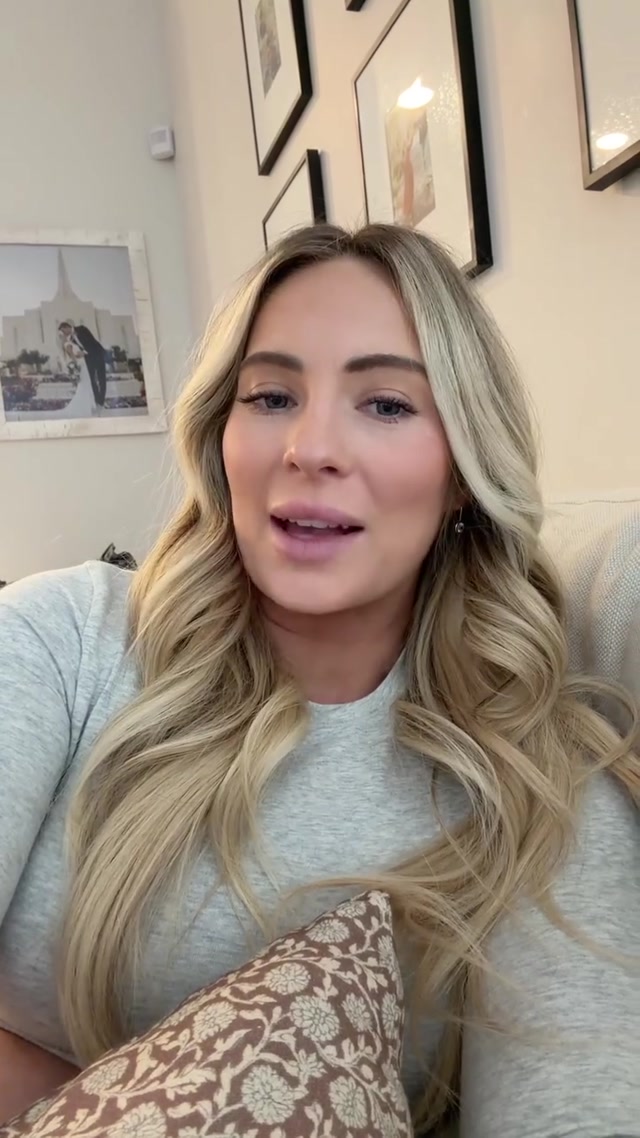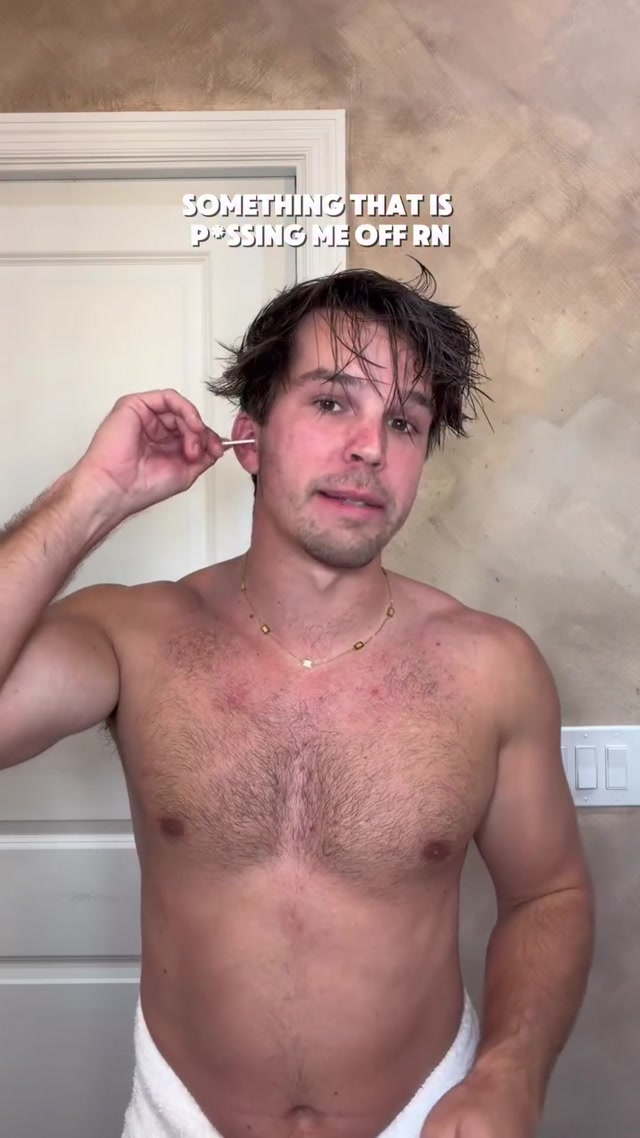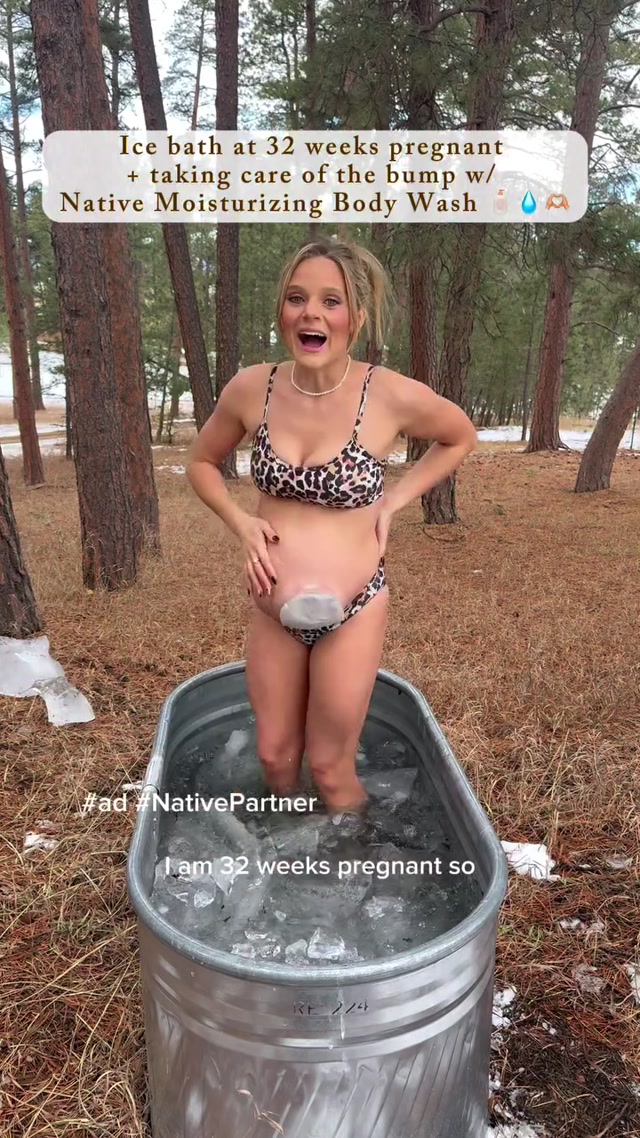
Dollar Shave Club's talking head b-roll ad is a 39-second beauty & skincare video creative decoded by Heista into 6 structural beats with 22 total cuts. Dollar Shave Club's full brand intelligence
PATTERNMAP™
Loading PatternMap...
Ad Blueprint
Talking Head B-Roll
CategoryBeauty Skincare
AngleComparison Vs
NarrativeUGC Trust Demo
IntentValue Stack Acceleration
Hook Type
Role-specific Opening
4.5sDuration
4Shots
1.3sAvg Shot
Energy
Cut Points
1.3s2.1s4.2s
Psychology
Social Validation
Behavioral ApproachSell Product Direct
Testimonial Reference
Consensus Cue
Social Norming
Every winning ad has a formula. Heista decodes it in seconds.
Dollar Shave Club Ad Decoded — Role-Specific Opening Hook Analysis (39s)
Dollar Shave Club's talking head b-roll ad is a 39-second beauty & skincare creative decoded by Heista into 6 structural beats. It opens with a Role-Specific Opening hook — This leverages Authority Transfer and Specificity Bias: the “I just tried” personal test positions the speaker as a credible authority, while the concrete, extreme phrasing (“hands down the best shave I've ever had”) makes the claim feel specific and trustworthy. That combination reduces skepticism and increases the viewer’s willingness to keep watching for the details behind the verdict. The psychological mission is Social Validation: The viewer feels reassured that others are already endorsing the razor, making the purchase feel like a safe, proven choice rather than a gamble. The ad has 22 cuts at an average of 1.9s per cut, with an average beat duration of 6.6s.
Key Takeaways
- Opens with a Role-Specific Opening hook
- Activates Social Validation psychology
- Part of Dollar Shave Club's full ad strategy
- 22 cuts, averaging 1.9s per cut
Overview
Role-Specific Opening Hook
This leverages Authority Transfer and Specificity Bias: the “I just tried” personal test positions the speaker as a credible authority, while the concrete, extreme phrasing (“hands down the best shave I've ever had”) makes the claim feel specific and trustworthy. That combination reduces skepticism and increases the viewer’s willingness to keep watching for the details behind the verdict. Role-Specific Opening hook deep-dive
Beat-by-Beat Breakdown
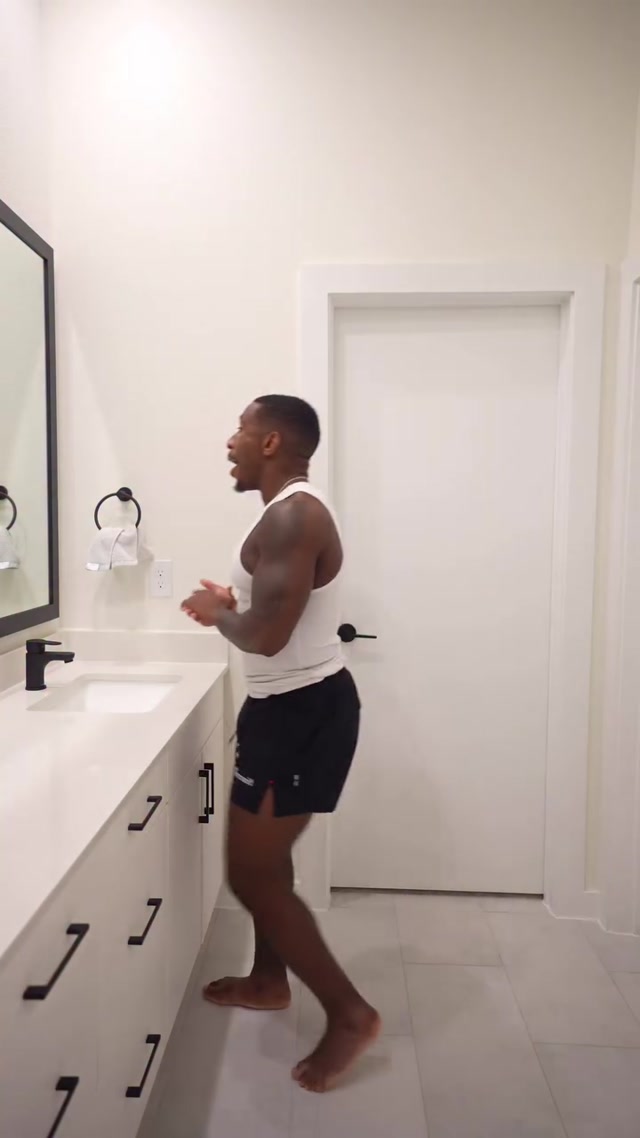
Beat 2 (0:00-0:04) — Role-Specific Opening: The speaker opens with a first-hand product trial claim: “Fellas, I just tried Dollar Shave Club's new razor,” followed by an absolute evaluation: “it's hands down the best shave I've ever had.” This frames the video as niche, experience-based expertise rather than general advice.
Beat 3 (0:04-0:15) — Feature Cascade: It uses a rapid-fire feature cascade: “The blades are sharper, the glide is smoother, and somehow, it’s all still the same price.” This stacks multiple quality claims back-to-back, then lands a value punchline (“same price”) to frame the product as unusually good.
Beat 4 (0:15-0:22) — Track Record Proof: The speaker validates the product by claiming it’s already proven “so good” and that they “really gotta keep an eye on it,” implying ongoing, real-world effectiveness. The wife’s behavior (“keeps trying to swipe it”) functions as immediate, lived validation that others want it too.
Beat 5 (0:22-0:27) — Loss Aversion Cue: It frames the product as a “missed benefit” by saying, “If you haven't tried it yet, you'll notice the shave way more than the price.” That sets up a tension: waiting means you’re losing out on a better shave relative to what you pay.
Beat 6 (0:27-0:33) — Confusion → Clarity: The dialogue pivots from a vague, missing-item situation into a direct, specific request: “Have you seen my razor?” This shifts the viewer from uncertainty (“where is it?”) to a clear target (“the razor”), turning the moment into an actionable search prompt.
Beat 7 (0:33-0:39) — Action Demonstration: The speaker performs an in-the-moment action plan: “Actually, I think it’s in the kids’ bathroom. Let me go check.” This turns the moment into a live “do it now” behavior rather than a discussion, signaling a concrete next step.
Behavioral Psychology
This ad activates Social Validation as its primary behavioral mission. The viewer feels reassured that others are already endorsing the razor, making the purchase feel like a safe, proven choice rather than a gamble. Social Validation behavioral mission
Structural Fingerprint
Duration: 39 seconds. Beat count: 6. Total cuts: 22. Average beat duration: 6.6s. Average cut duration: 1.9s. Average visual energy: 7.3/10.
Frequently Asked Questions
Why does this Dollar Shave Club ad work? This Dollar Shave Club talking head b-roll ad opens with a Role-Specific Opening hook that captures attention in the first 3 seconds. The psychological architecture activates Social Validation across 6 structural beats, each contributing a specific persuasion mechanism.
What hook does Dollar Shave Club use in this ad? Dollar Shave Club opens with a Role-Specific Opening hook. This leverages Authority Transfer and Specificity Bias: the “I just tried” personal test positions the speaker as a credible authority, while the concrete, extreme phrasing (“hands down the best shave I've ever had”) makes the claim feel specific and trustworthy. That combination reduces skepticism and increases the viewer’s willingness to keep watching for the details behind the verdict.
What psychology does this Dollar Shave Club ad activate? This ad activates Social Validation as its primary behavioral mission. The viewer feels reassured that others are already endorsing the razor, making the purchase feel like a safe, proven choice rather than a gamble.
How long is this Dollar Shave Club ad and what's the structure? This ad runs 39 seconds with 6 structural beats and 22 cuts. Average cut duration is 1.9s. The pattern flow follows a full format structure common in talking head b-roll ads.
What platform is this Dollar Shave Club ad running on? This talking head b-roll ad is running on facebook. The beauty & skincare vertical typically sees strong performance on this platform for talking head b-roll creative structures.
What makes this different from other beauty & skincare ads? Most beauty & skincare ads lean on generic format templates. Dollar Shave Club's version uses a distinct Role-Specific Opening hook structure paired with Social Validation — a combination that over-indexes in high-performing beauty & skincare creative.