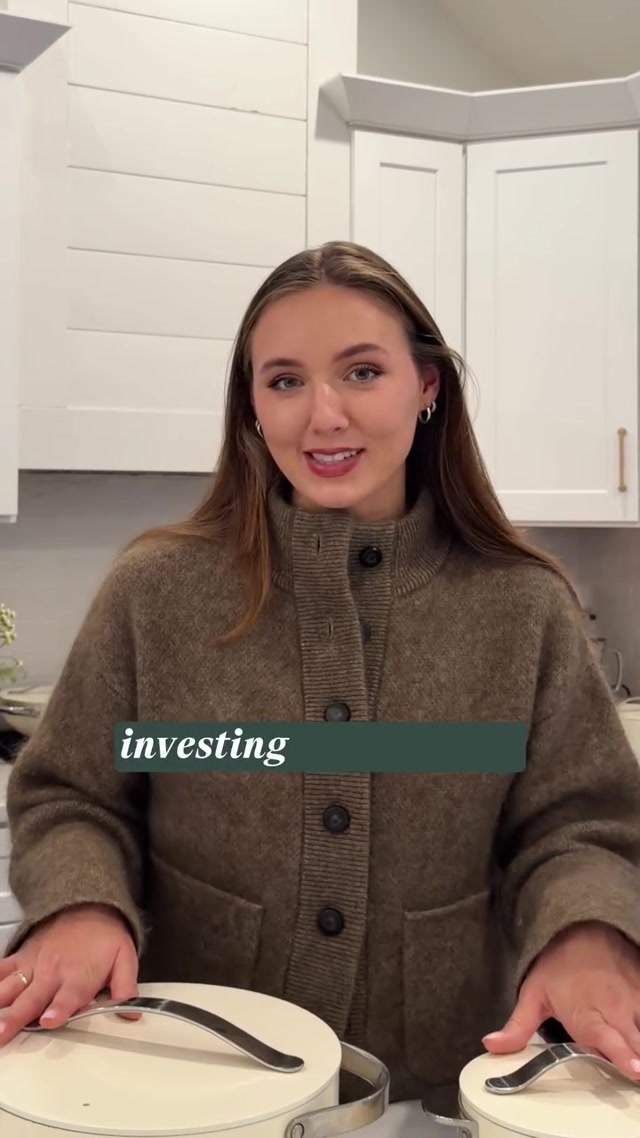
Caraway's talking head product ad is a 31-second home & living video creative decoded by Heista into 6 structural beats with 13 total cuts. Caraway's full brand intelligence
PATTERNMAP™
Loading PatternMap...
Ad Blueprint
Talking Head Product
CategoryHome Living
AngleProblem Solution
NarrativeProduct First
IntentCTA Optimized Conversion
Hook Type
Provocation
4.2sDuration
3Shots
2.3sAvg Shot
Energy
Cut Points
2.5s4.2s
Psychology
Threat Reduction
Behavioral ApproachSoft Sell Value Frame
Reassurance Statement
Uncertainty Resolution
Fear Cancellation
Soothing Tone
Every winning ad has a formula. Heista decodes it in seconds.
Caraway Ad Decoded — Provocation Hook Analysis (31s)
Caraway's talking head product ad is a 31-second home & living creative decoded by Heista into 6 structural beats. It opens with a Provocation hook — This leverages Provocation by using an over-the-top goal (“healthiest year ever”) that triggers an emotional attention spike and makes the viewer curious about the method. It also uses Specificity Bias in a lightweight way: the time anchor “2026” turns a vague wellness idea into a concrete mission, increasing the chance the viewer keeps watching to see the plan for that exact year. The psychological mission is Threat Reduction: The viewer feels reassured that switching cookware will reduce chemical exposure without disrupting their routine, making the decision feel safe and low-risk. The ad has 13 cuts at an average of 2.5s per cut, with an average beat duration of 5.1s.
Key Takeaways
- Opens with a Provocation hook
- Activates Threat Reduction psychology
- Part of Caraway's full ad strategy
- 13 cuts, averaging 2.5s per cut
Overview
Provocation Hook
This leverages Provocation by using an over-the-top goal (“healthiest year ever”) that triggers an emotional attention spike and makes the viewer curious about the method. It also uses Specificity Bias in a lightweight way: the time anchor “2026” turns a vague wellness idea into a concrete mission, increasing the chance the viewer keeps watching to see the plan for that exact year. Provocation hook deep-dive
Beat-by-Beat Breakdown
Beat 2 (0:00-0:04) — Provocation: It makes a bold, extreme promise: “make 2026 the healthiest year ever.” This frames the whole video as a high-impact transformation target, pushing the viewer to stay to find out how that “ever” level of health is supposedly achievable.
Beat 3 (0:04-0:09) — Object Intro: The speaker introduces the cookware as the key object to focus on: “this is the time to upgrade your cookware” and immediately names the specific brand “i use the caraway cookware.” This sets up the product reference that the rest of the video can build on.
Beat 4 (0:09-0:18) — Cost/Benefit Reframe: It reframes the kitchen swap as a “safer” value tradeoff: “it’s non-stick it’s actually non-toxic” and “remember what you’re cooking in matters just as much as what you’re cooking.” Then it turns that into a cost/benefit goal with a clear resolution: “make 2026 the year that you go chemical free in the in the kitchen.”
Beat 5 (0:18-0:23) — Track Record Proof: The speaker validates the cookware by personal ownership and repeat endorsement: “i have the same thing out in my cabin in colorado” followed by “i love this cookware.” This positions the product as something they’ve already tested in real life, not just something they’re recommending.
Beat 6 (0:23-0:28) — Cost/Benefit Reframe: The speaker reframes the ceramic non-stick cookware as a “no tradeoff” upgrade: “you can just get all of the chemicals out of your food without changing a single thing that you're eating.” They also anchor the claim with a specific material cue: “these are the uh ceramic ones that i use to store food.”
Beat 7 (0:28-0:30) — Hidden Truth: It reveals a hidden constraint/insight: “without changing a single thing that you're eating.” This reframes the problem as something you can solve without altering your diet, which immediately lowers the perceived effort and resistance in the viewer’s mind.
Behavioral Psychology
This ad activates Threat Reduction as its primary behavioral mission. The viewer feels reassured that switching cookware will reduce chemical exposure without disrupting their routine, making the decision feel safe and low-risk. Threat Reduction behavioral mission
Structural Fingerprint
Duration: 31 seconds. Beat count: 6. Total cuts: 13. Average beat duration: 5.1s. Average cut duration: 2.5s. Average visual energy: 6/10.
Frequently Asked Questions
Why does this Caraway ad work? This Caraway talking head product ad opens with a Provocation hook that captures attention in the first 3 seconds. The psychological architecture activates Threat Reduction across 6 structural beats, each contributing a specific persuasion mechanism.
What hook does Caraway use in this ad? Caraway opens with a Provocation hook. This leverages Provocation by using an over-the-top goal (“healthiest year ever”) that triggers an emotional attention spike and makes the viewer curious about the method. It also uses Specificity Bias in a lightweight way: the time anchor “2026” turns a vague wellness idea into a concrete mission, increasing the chance the viewer keeps watching to see the plan for that exact year.
What psychology does this Caraway ad activate? This ad activates Threat Reduction as its primary behavioral mission. The viewer feels reassured that switching cookware will reduce chemical exposure without disrupting their routine, making the decision feel safe and low-risk.
How long is this Caraway ad and what's the structure? This ad runs 31 seconds with 6 structural beats and 13 cuts. Average cut duration is 2.5s. The pattern flow follows a full format structure common in talking head product ads.
What platform is this Caraway ad running on? This talking head product ad is running on facebook. The home & living vertical typically sees strong performance on this platform for talking head product creative structures.
What makes this different from other home & living ads? Most home & living ads lean on generic format templates. Caraway's version uses a distinct Provocation hook structure paired with Threat Reduction — a combination that over-indexes in high-performing home & living creative.