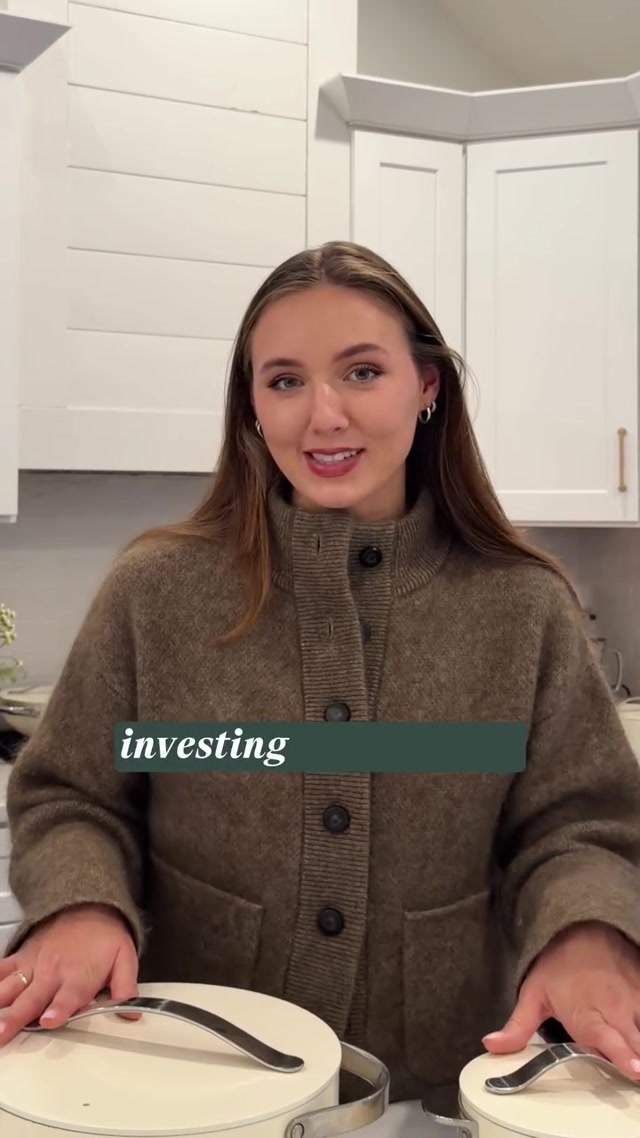
Caraway's talking head b-roll ad is a 38-second home & living video creative decoded by Heista into 7 structural beats with 21 total cuts. Caraway's full brand intelligence
PATTERNMAP™
Loading PatternMap...
Ad Blueprint
Talking Head B-Roll
CategoryHome Living
AngleComparison Vs
NarrativeProduct First
IntentValue Stack Acceleration
Hook Type
Process Teaser
6.2sDuration
3Shots
2.4sAvg Shot
Energy
Cut Points
2.1s6.0s
Psychology
Threat Reduction
Behavioral ApproachSoft Sell Value Frame
Reassurance Statement
Uncertainty Resolution
Fear Cancellation
Soothing Tone
Every winning ad has a formula. Heista decodes it in seconds.
Caraway Ad Decoded — Process Teaser Hook Analysis (38s)
Caraway's talking head b-roll ad is a 38-second home & living creative decoded by Heista into 7 structural beats. It opens with a Process Teaser hook — This leverages PROCESS_TEASER by creating a “method/workflow is coming” expectation before any details are given. The promise of a focused next segment reduces cognitive effort (Decision Ease) because viewers can predict there will be a clear, bounded answer next rather than an open-ended discussion. The psychological mission is Threat Reduction: The viewer feels reassured that the safer, easier-to-clean cookware choice removes key worries and makes committing to cooking at home feel low-risk and straightforward. The ad has 21 cuts at an average of 1.9s per cut, with an average beat duration of 5.4s.
Key Takeaways
- Opens with a Process Teaser hook
- Activates Threat Reduction psychology
- Part of Caraway's full ad strategy
- 21 cuts, averaging 1.9s per cut
Overview
Process Teaser Hook
This leverages PROCESS_TEASER by creating a “method/workflow is coming” expectation before any details are given. The promise of a focused next segment reduces cognitive effort (Decision Ease) because viewers can predict there will be a clear, bounded answer next rather than an open-ended discussion. Process Teaser hook deep-dive
Beat-by-Beat Breakdown
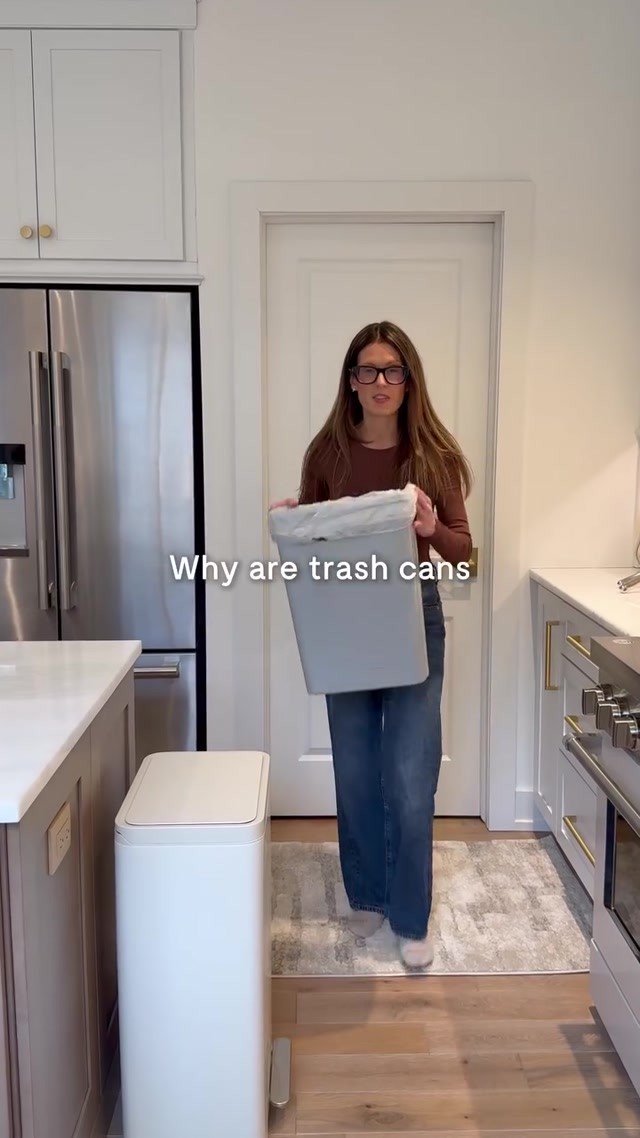
Beat 2 (0:00-0:06) — Process Teaser: It frames a specific topic as an upcoming segment: “Let’s talk about investing in cookware for a second.” The “for a second” signals a short upcoming walkthrough rather than a standalone statement.
Beat 3 (0:06-0:12) — Inefficiency Pain: It asks the viewer to compare two costs—“how much you spend on takeout versus the cost of caraway”—then primes surprise with “you might be shocked.” This instantly reframes everyday spending as a measurable leak of value, pushing attention toward what the viewer is currently wasting.
Beat 4 (0:12-0:18) — Goal Context: It states the objective for the year: “One of my goals this year is to cook more meals at home.” It then frames the purpose behind that goal by connecting it to a practical driver: “a big part of that is having cookware that actually makes the entire process more enjoyable.”
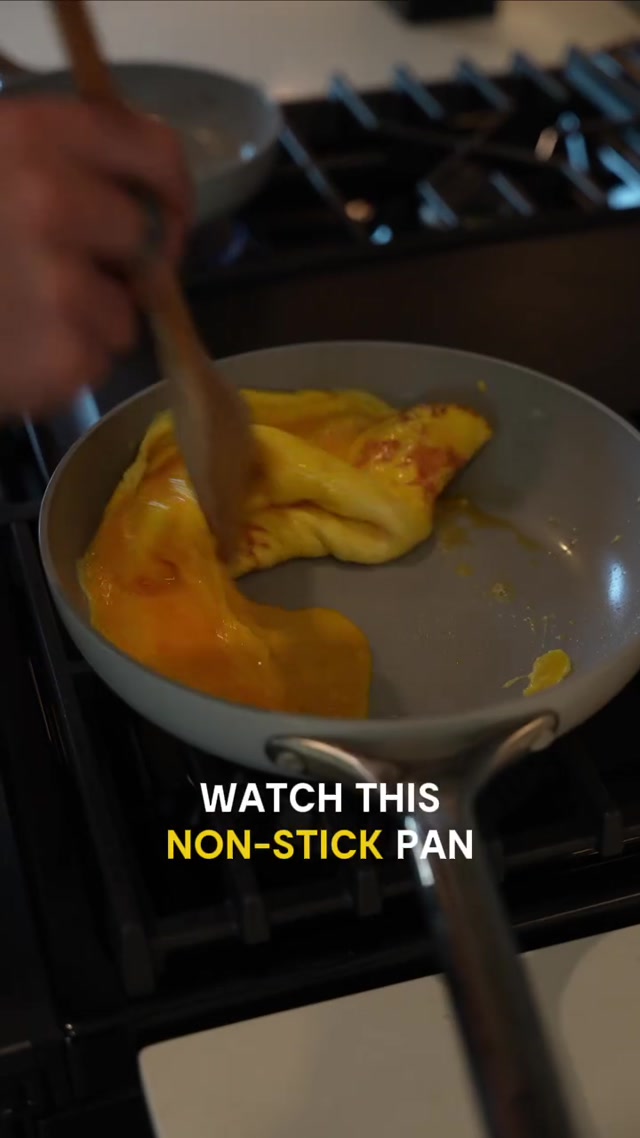
Beat 5 (0:18-0:29) — Feature Cascade: It strings together a rapid list of product benefits across use-cases: “Whether you’re cooking, baking, storing leftovers, or washing dishes…,” then “Their non-toxic ceramic coated cookware is third-party tested for safety,” and finally “the non-stick coating also makes cleanup faster.” In this moment it stacks functional, safety, and convenience claims back-to-back so the viewer gets multiple “reasons” in one pass.
Beat 6 (0:29-0:34) — Industry Positioning: It validates the product by positioning it as the kind of “real” match between function and desirability—“Function really does meet beauty here with sleek, organized cookware.” It ties that claim to a user-experience outcome: the cookware “makes spending time in the kitchen that much more enjoyable.”
Beat 7 (0:34-0:38) — The Easy Way: It reframes the next step as a straightforward choice: “So if you want to invest in your cookware this year,” sets up an easier pathway (an implied “here’s the simple way”) rather than a complicated decision process.
Beat 8 (0:38-0:38) — Redirect: It gives a product-specific callout: “check out caraway today.”
Behavioral Psychology
This ad activates Threat Reduction as its primary behavioral mission. The viewer feels reassured that the safer, easier-to-clean cookware choice removes key worries and makes committing to cooking at home feel low-risk and straightforward. Threat Reduction behavioral mission
Structural Fingerprint
Duration: 38 seconds. Beat count: 7. Total cuts: 21. Average beat duration: 5.4s. Average cut duration: 1.9s. Average visual energy: 5.7/10.
Frequently Asked Questions
Why does this Caraway ad work? This Caraway talking head b-roll ad opens with a Process Teaser hook that captures attention in the first 3 seconds. The psychological architecture activates Threat Reduction across 7 structural beats, each contributing a specific persuasion mechanism.
What hook does Caraway use in this ad? Caraway opens with a Process Teaser hook. This leverages PROCESS_TEASER by creating a “method/workflow is coming” expectation before any details are given. The promise of a focused next segment reduces cognitive effort (Decision Ease) because viewers can predict there will be a clear, bounded answer next rather than an open-ended discussion.
What psychology does this Caraway ad activate? This ad activates Threat Reduction as its primary behavioral mission. The viewer feels reassured that the safer, easier-to-clean cookware choice removes key worries and makes committing to cooking at home feel low-risk and straightforward.
How long is this Caraway ad and what's the structure? This ad runs 38 seconds with 7 structural beats and 21 cuts. Average cut duration is 1.9s. The pattern flow follows a full format structure common in talking head b-roll ads.
What platform is this Caraway ad running on? This talking head b-roll ad is running on facebook. The home & living vertical typically sees strong performance on this platform for talking head b-roll creative structures.
What makes this different from other home & living ads? Most home & living ads lean on generic format templates. Caraway's version uses a distinct Process Teaser hook structure paired with Threat Reduction — a combination that over-indexes in high-performing home & living creative.