Waterdrop's talking head b-roll ad is a 59-second food & beverage video creative decoded by Heista into 6 structural beats with 34 total cuts. Waterdrop's full brand intelligence
PATTERNMAP™
Loading PatternMap...
Ad Blueprint
Talking Head B-Roll
CategoryFood Beverage
AngleSocial Proof Results
NarrativeUGC Trust Demo
IntentCTA Optimized Conversion
Hook Type
Direct Question Hook
6.5sDuration
5Shots
1.4sAvg Shot
Energy
Cut Points
0.1s2.2s3.8s5.6s
Psychology
Competence Restoration
Behavioral ApproachSoft Sell Value Frame
Solution Assurance
Step Clarity
Knowledge Simplification
Every winning ad has a formula. Heista decodes it in seconds.
Waterdrop Ad Decoded — Direct Question Hook Analysis (59s)
Waterdrop's talking head b-roll ad is a 59-second food & beverage creative decoded by Heista into 6 structural beats. It opens with a Direct Question hook — This leverages Curiosity Gap by creating an unresolved “is it really true?” problem the viewer wants closed. It also uses Answer-Seeking Attention: the viewer is cued that a specific verdict (“really true”) is coming, so they keep watching to get the result rather than letting the question fade. The psychological mission is Competence Restoration: The viewer feels confident that the product claim is real and that switching to these micro drinks is an easy, reliable way to drink more water without cravings for sugary alternatives. The ad has 34 cuts at an average of 1.8s per cut, with an average beat duration of 9.8s.
Key Takeaways
- Opens with a Direct Question hook
- Activates Competence Restoration psychology
- Part of Waterdrop's full ad strategy
- 34 cuts, averaging 1.8s per cut
Overview
Direct Question Hook
This leverages Curiosity Gap by creating an unresolved “is it really true?” problem the viewer wants closed. It also uses Answer-Seeking Attention: the viewer is cued that a specific verdict (“really true”) is coming, so they keep watching to get the result rather than letting the question fade. Direct Question hook deep-dive
Beat-by-Beat Breakdown
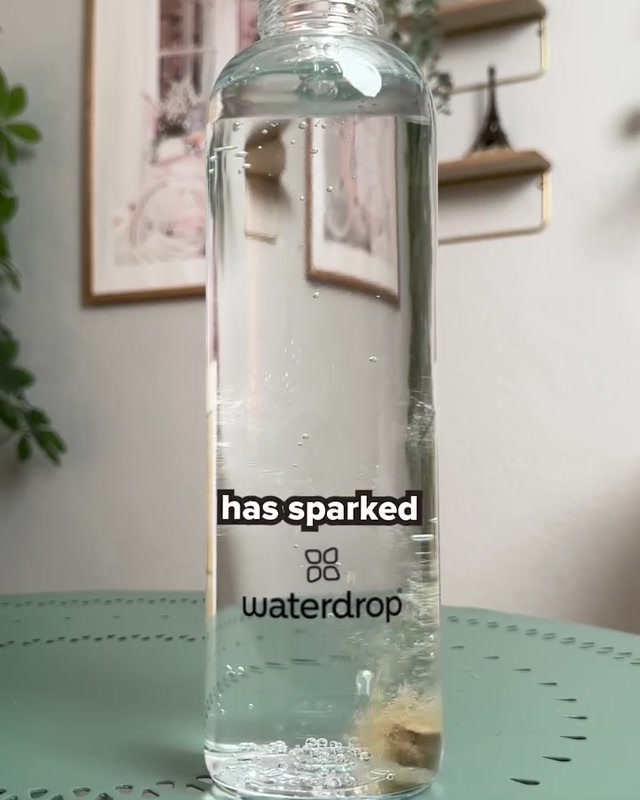
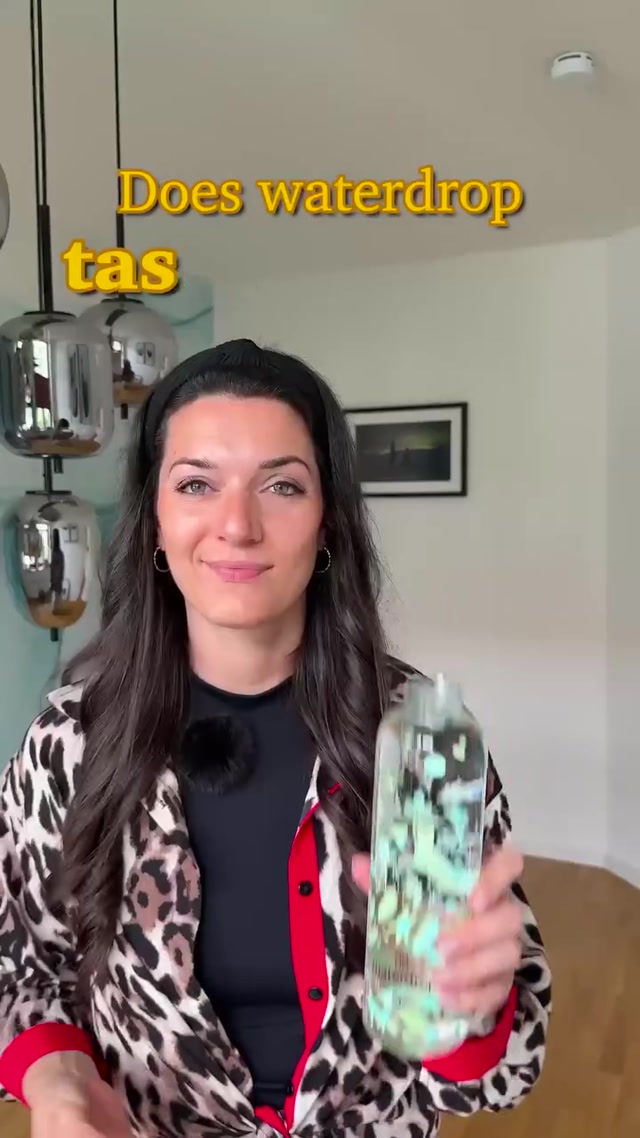
Beat 2 (0:00-0:06) — Direct Question Hook: It opens with a direct question that challenges a common assumption: “Does water drop really taste so good that you automatically drink more water?” That question immediately frames the video as an answer-seeking test, then the speaker confirms intent with “I wanted to find out if that was really true.”
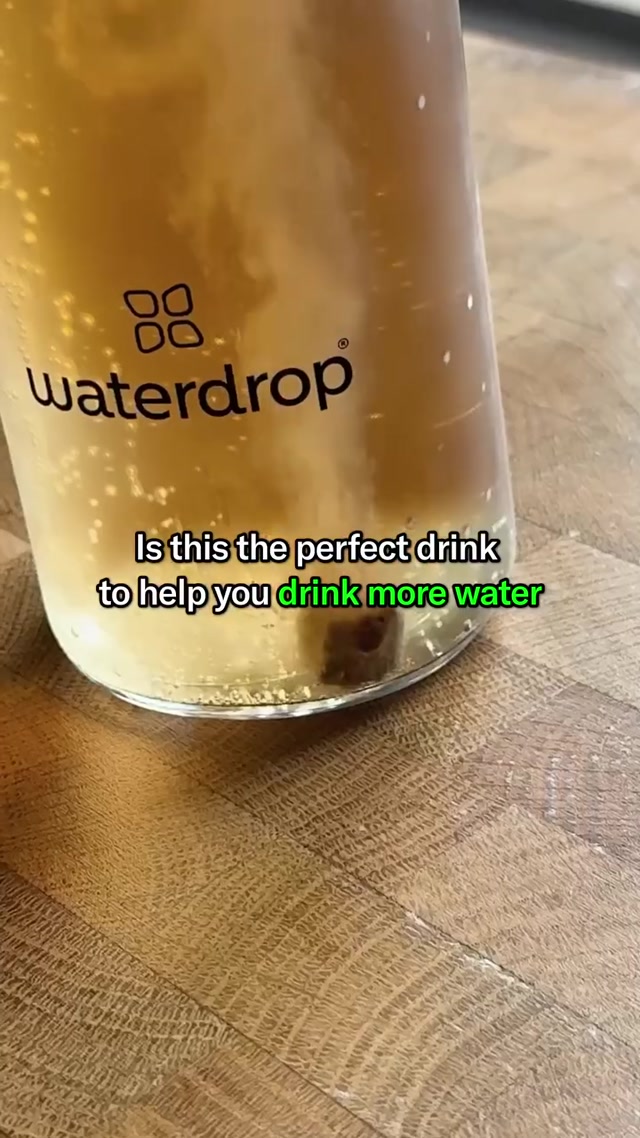
Beat 3 (0:06-0:20) — Object Intro: The speaker introduces the product and describes what it is: “The micro drinks are small cubes that turn water into a delicious drink.” They then add specific attributes and purchase context: “They're sugar-free, calorie-free… but with fruit and plant extracts and with vitamins,” followed by “I ordered the starter set… with… six of their most popular flavors.”
Beat 4 (0:20-0:33) — Feature Cascade: It rapidly lists the product flavors and variants—“Orange, grapefruit, iced tea peach, and lemon… two micro energy flavors, berry boost and cherry boost, both with natural caffeine”—then narrows to personal rankings: “I’ve tried them all and my favorites are definitely iced tea peach… and the micro energy cherry boost.” This turns the viewer from scanning options into mentally selecting “the favorites” as the next decision point.
Beat 5 (0:33-0:44) — Measured Transformation: The speaker validates the alternative by claiming a specific behavioral outcome: “It helps me drink more water without even thinking about it” and “I’m not even craving… normal soft drinks or energy drinks.”
Beat 6 (0:44-0:52) — 'Actually' Reframe: It corrects the viewer’s suspicion with an “actually” style reframing: “So no, it’s not too good to be true. Just good.” Then it reinforces the new interpretation with a concrete next step: “I already ordered more and I can’t wait to try cola and passion fruit next.”
Beat 7 (0:52-0:58) — Lesson: It delivers a final takeaway/lesson: “I can only recommend this to anyone that wants to drink more water and less sugary drinks.”
Behavioral Psychology
This ad activates Competence Restoration as its primary behavioral mission. The viewer feels confident that the product claim is real and that switching to these micro drinks is an easy, reliable way to drink more water without cravings for sugary alternatives. Competence Restoration behavioral mission
Structural Fingerprint
Duration: 59 seconds. Beat count: 6. Total cuts: 34. Average beat duration: 9.8s. Average cut duration: 1.8s. Average visual energy: 7.3/10.
Frequently Asked Questions
Why does this Waterdrop ad work? This Waterdrop talking head b-roll ad opens with a Direct Question hook that captures attention in the first 3 seconds. The psychological architecture activates Competence Restoration across 6 structural beats, each contributing a specific persuasion mechanism.
What hook does Waterdrop use in this ad? Waterdrop opens with a Direct Question hook. This leverages Curiosity Gap by creating an unresolved “is it really true?” problem the viewer wants closed. It also uses Answer-Seeking Attention: the viewer is cued that a specific verdict (“really true”) is coming, so they keep watching to get the result rather than letting the question fade.
What psychology does this Waterdrop ad activate? This ad activates Competence Restoration as its primary behavioral mission. The viewer feels confident that the product claim is real and that switching to these micro drinks is an easy, reliable way to drink more water without cravings for sugary alternatives.
How long is this Waterdrop ad and what's the structure? This ad runs 59 seconds with 6 structural beats and 34 cuts. Average cut duration is 1.8s. The pattern flow follows a full format structure common in talking head b-roll ads.
What platform is this Waterdrop ad running on? This talking head b-roll ad is running on facebook. The food & beverage vertical typically sees strong performance on this platform for talking head b-roll creative structures.
What makes this different from other food & beverage ads? Most food & beverage ads lean on generic format templates. Waterdrop's version uses a distinct Direct Question hook structure paired with Competence Restoration — a combination that over-indexes in high-performing food & beverage creative.