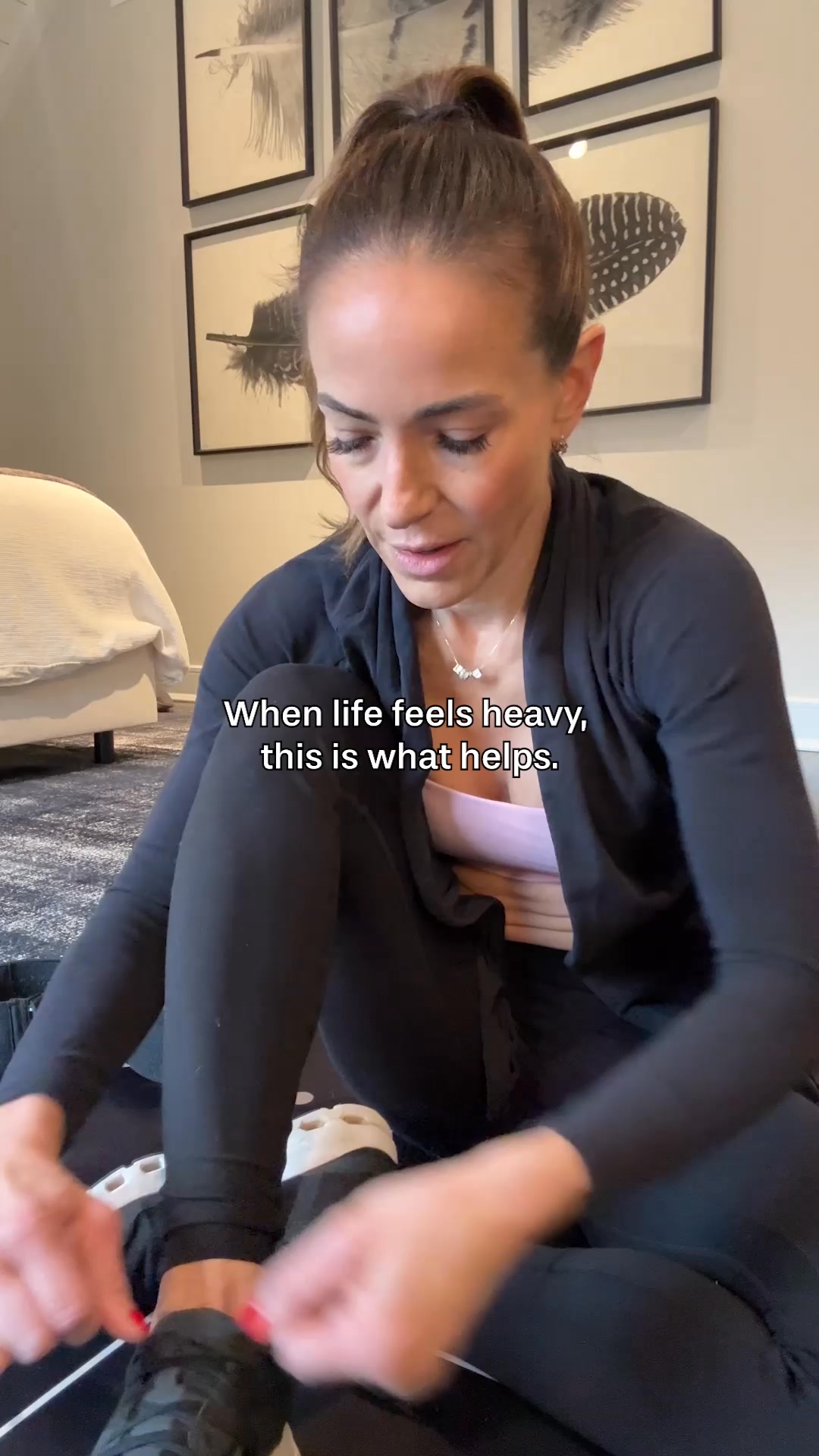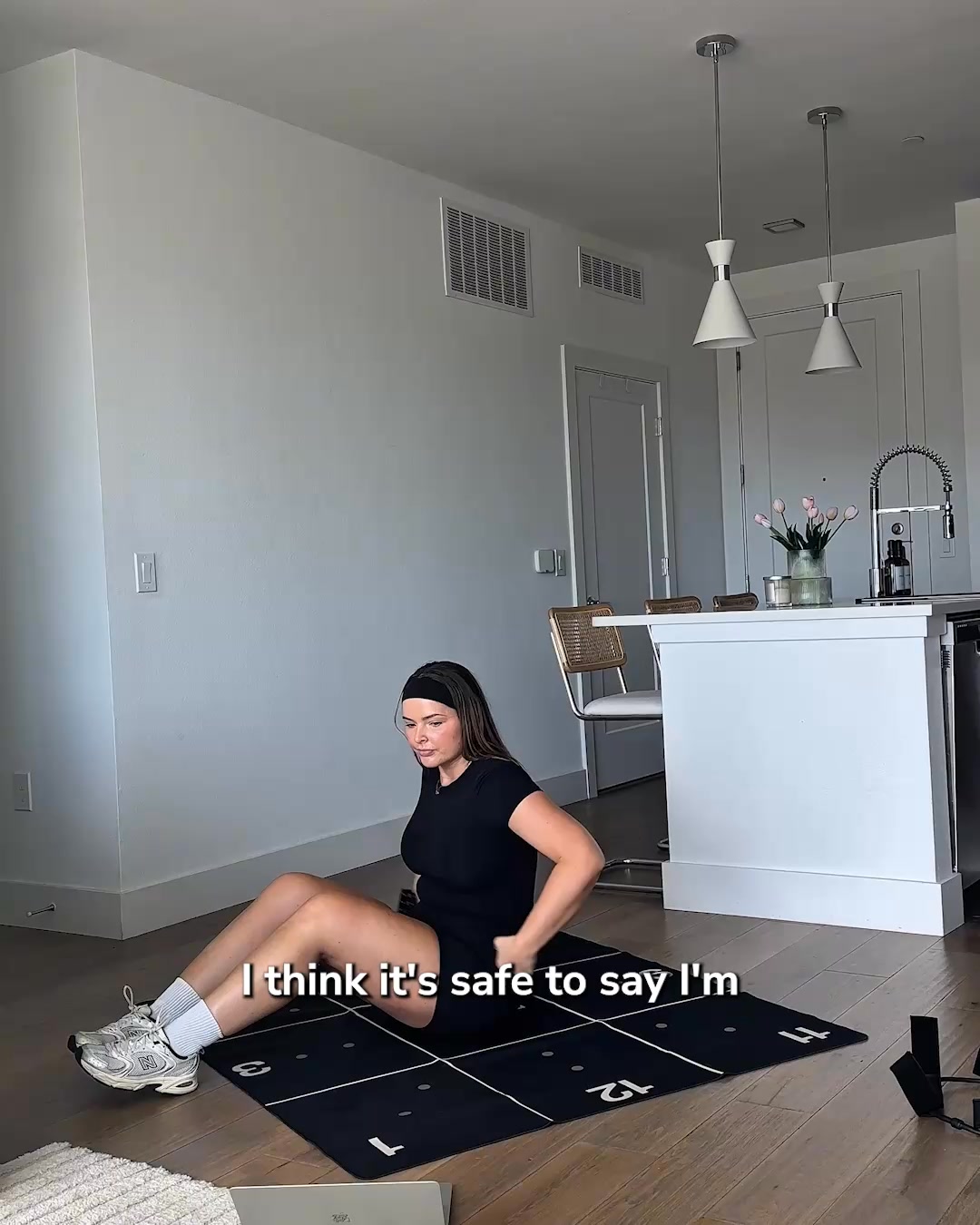
WalkFit Daily Walking Plan's slideshow statics ad is a 160-second fitness video creative decoded by Heista into 7 structural beats with 17 total cuts. WalkFit Daily Walking Plan's full brand intelligence · Fitness ad hooks
Facebook Ad
2:40
WalkFit Daily Walking Plan
Heisted: Aug 4, 2026
PATTERNMAP™
Loading PatternMap...
Ad Blueprint
Slideshow Statics
CategoryFitness
AngleHow To Tutorial
NarrativePain To Relief
IntentTransformation Arc Engine
Hook Type
Challenge Intro
17.5sDuration
4Shots
4.8sAvg Shot
Energy
Cut Points
2.7s6.8s15.6s
Psychology
Competence Restoration
Behavioral ApproachPeer Recommend
Step Clarity
Solution Assurance
Competence Reframing
Knowledge Simplification
Every winning ad has a formula. Heista decodes it in seconds.
WalkFit Daily Walking Plan Ad Decoded — Challenge Intro Hook Analysis (160s)
WalkFit Daily Walking Plan's slideshow statics ad is a 160-second fitness creative decoded by Heista into 7 structural beats. It opens with a Challenge Intro hook — This leverages Challenge Intro and Perceived Low Effort: the viewer gets an exact task to join (Challenge Intro) and clear boundaries (“seven minutes,” “no equipment,” “no one watching”) that reduce friction to commit. The “off the radar” line also activates Identity/Privacy motivation through Social Proof-by-implication (you’re meant to follow along with others in a structured group), making “Tap to join” feel like the next logical step rather than an unknown demand. The psychological mission is Competence Restoration: The viewer feels confident they can succeed despite knee issues, bad weather, and busy days because a simple seven minute in-home routine feels doable and reliably effective. The ad has 17 cuts at an average of 15.4s per cut, with an average beat duration of 22.8s.
Key Takeaways
Overview
Challenge Intro Hook
This leverages Challenge Intro and Perceived Low Effort: the viewer gets an exact task to join (Challenge Intro) and clear boundaries (“seven minutes,” “no equipment,” “no one watching”) that reduce friction to commit. The “off the radar” line also activates Identity/Privacy motivation through Social Proof-by-implication (you’re meant to follow along with others in a structured group), making “Tap to join” feel like the next logical step rather than an unknown demand. Challenge Intro hook deep-dive
Beat-by-Beat Breakdown
Beat 2 (0:00-0:17) — Challenge Intro: It frames the next 28 days as a specific challenge with a start time: “Give yourself 28 days off the radar. This Monday, August 3rd, we start the Tai Chi walking challenge for beginners.” It then stacks the challenge constraints to make it feel immediately doable and low-risk: “Just seven minutes every morning, no equipment, no one watching.”
Beat 3 (0:17-0:47) — Relatability Setup: It sets up a shared starting point: “Starting Tai Chi walking today, skeptical, but here we go.” Then it reports noticeable, everyday change after “One week later,” including symptoms and social feedback (“stiffness… lighter” and “three people told me I look well”). This gives the viewer an “I’m not convinced either” entry, and primes them to connect the method to real-life results without requiring them to already believe.
Beat 4 (0:47-1:04) — Before/After Proof: It uses a before/after transformation to validate the method: “no more morning stiffness,” “that puffiness around my ankles has eased up,” and “I'm sleeping through the night,” contrasted against the earlier problems implied by the change.
Beat 5 (1:04-1:45) — Loss Aversion Cue: It frames the current “endless 10K steps” approach as costing real results, promising that “There is zero chance slow movements will actually firm things up,” then heightens stakes with an outside validation: “my sister actually asked if I lost 20 pounds.” This makes the viewer mentally risk-assess their routine—what if what they’re doing is stealing progress while they keep doing it?
Beat 6 (1:45-2:18) — Stop → Start Shift: It tells the viewer to stop an exhausting routine and start a gentle alternative: “stop forcing heavy workouts” and then “Seven minutes of Tai Chi… and your body starts to feel better.” It reframes the action plan from brute effort to small, low-impact movement.
Beat 7 (2:18-2:34) — Alternative Suggestion: It offers an alternative to the default “walk outside every day / hit 10,000 steps” plan by reframing the constraint into a substitute routine: “So what am I supposed to do on the days I’m just stuck at home? That’s exactly why I created the seven-minute Tai Chi walking routine. You do it right in your living room. No shoes, no equipment.”
Beat 8 (2:34-2:39) — Redirect: It issues a link-driven conversion prompt: “Tap the link below to join our summer challenge.” The beat immediately pairs that click with a payoff statement: “let’s transform your body right from home.”
Behavioral Psychology
This ad activates Competence Restoration as its primary behavioral mission. The viewer feels confident they can succeed despite knee issues, bad weather, and busy days because a simple seven minute in-home routine feels doable and reliably effective. Competence Restoration behavioral mission
Structural Fingerprint
Duration: 160 seconds. Beat count: 7. Total cuts: 17. Average beat duration: 22.8s. Average cut duration: 15.4s. Average visual energy: 2.6/10. Fitness ad formula reference
Frequently Asked Questions
Why does this WalkFit Daily Walking Plan ad work? This WalkFit Daily Walking Plan slideshow statics ad opens with a Challenge Intro hook that captures attention in the first 3 seconds. The psychological architecture activates Competence Restoration across 7 structural beats, each contributing a specific persuasion mechanism.
What hook does WalkFit Daily Walking Plan use in this ad? WalkFit Daily Walking Plan opens with a Challenge Intro hook. This leverages Challenge Intro and Perceived Low Effort: the viewer gets an exact task to join (Challenge Intro) and clear boundaries (“seven minutes,” “no equipment,” “no one watching”) that reduce friction to commit. The “off the radar” line also activates Identity/Privacy motivation through Social Proof-by-implication (you’re meant to follow along with others in a structured group), making “Tap to join” feel like the next logical step rather than an unknown demand.
What psychology does this WalkFit Daily Walking Plan ad activate? This ad activates Competence Restoration as its primary behavioral mission. The viewer feels confident they can succeed despite knee issues, bad weather, and busy days because a simple seven minute in-home routine feels doable and reliably effective.
How long is this WalkFit Daily Walking Plan ad and what's the structure? This ad runs 160 seconds with 7 structural beats and 17 cuts. Average cut duration is 15.4s. The pattern flow follows a full format structure common in slideshow statics ads.
What platform is this WalkFit Daily Walking Plan ad running on? This slideshow statics ad is running on facebook. The fitness vertical typically sees strong performance on this platform for slideshow statics creative structures.
What makes this different from other fitness ads? Most fitness ads lean on generic format templates. WalkFit Daily Walking Plan's version uses a distinct Challenge Intro hook structure paired with Competence Restoration — a combination that over-indexes in high-performing fitness creative.