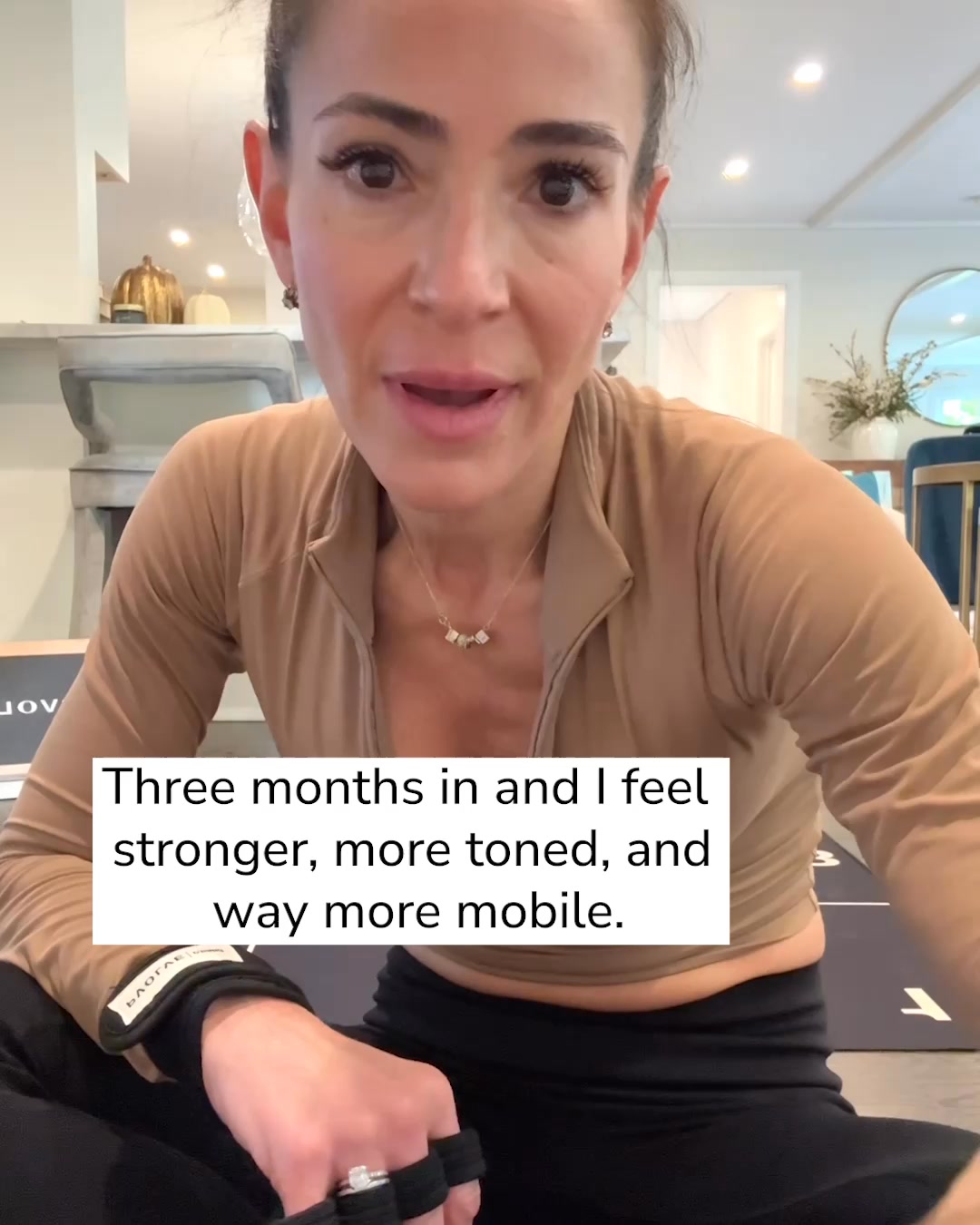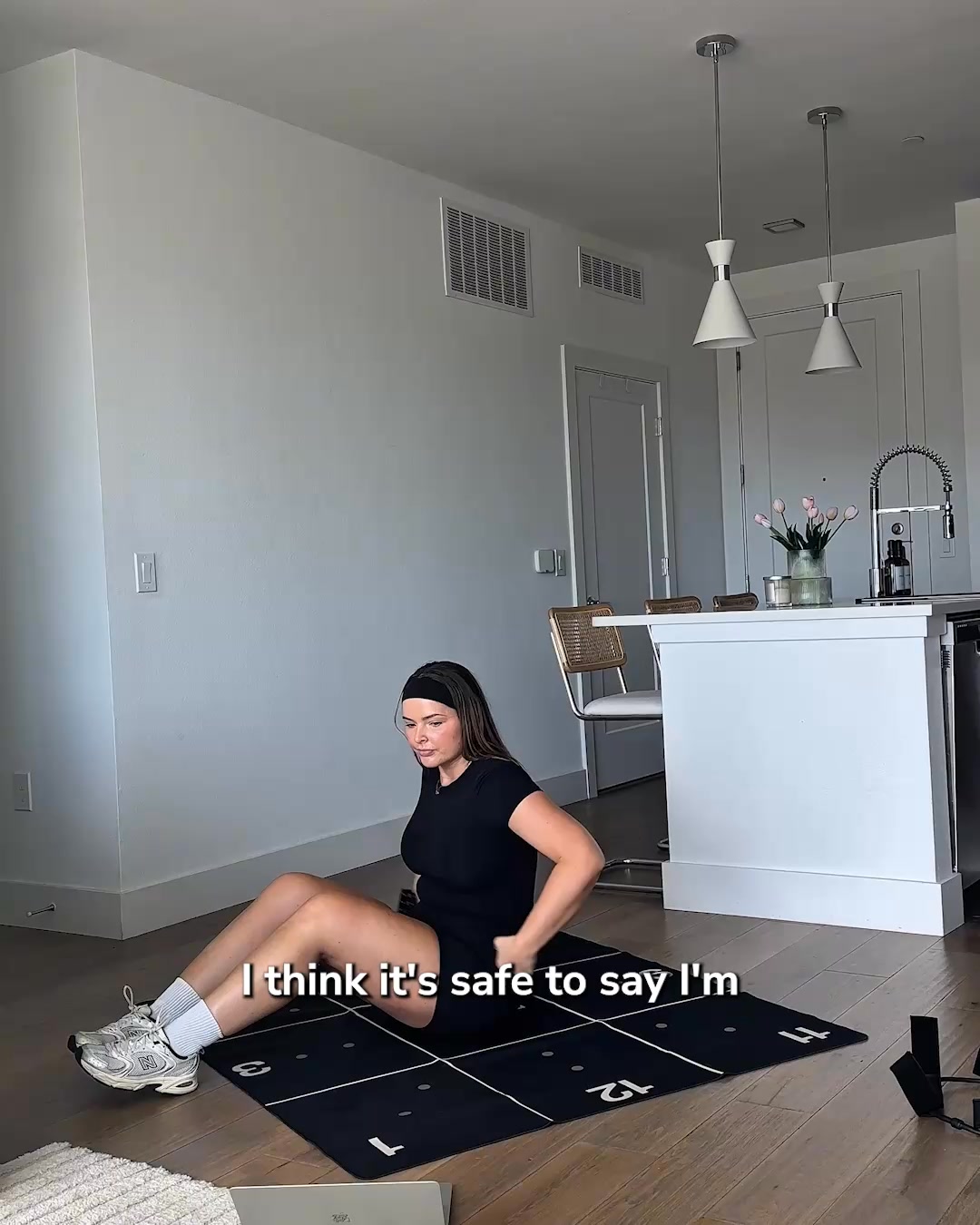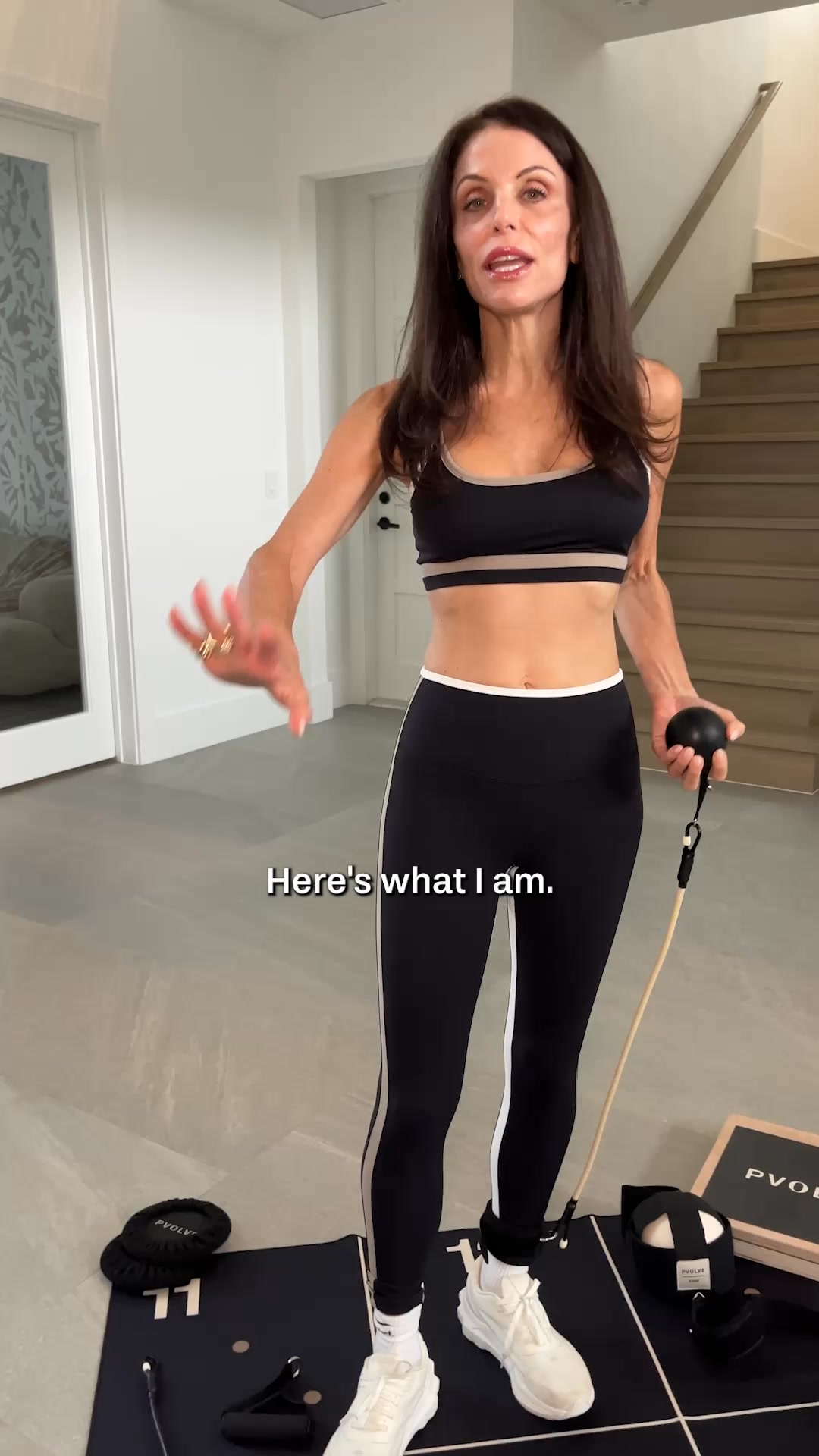
WalkFit Daily Walking Plan's before/after ad is a 94-second fitness video creative decoded by Heista into 6 structural beats with 14 total cuts. WalkFit Daily Walking Plan's full brand intelligence · Fitness ad hooks
Facebook Ad
1:34
WalkFit Daily Walking Plan
Scaled: 2 DaysHeisted: Aug 4, 2026
PATTERNMAP™
Loading PatternMap...
Ad Blueprint
Before/After
CategoryFitness
AngleProblem Solution
NarrativePain To Relief
IntentTransformation Arc Engine
Hook Type
Contrast Setup
14.5sDuration
2Shots
13.0sAvg Shot
Energy
Cut Points
8.0s
Psychology
Hope Projection
Behavioral ApproachStory Share
Future Visualization
Uplift Cue
Positive Projection
Every winning ad has a formula. Heista decodes it in seconds.
WalkFit Daily Walking Plan Ad Decoded — Contrast Setup Hook Analysis (94s)
WalkFit Daily Walking Plan's before/after ad is a 94-second fitness creative decoded by Heista into 6 structural beats. It opens with a Contrast Setup hook — This leverages Contrast Setup by making the viewer mentally compare two time-stamped outcomes (day 1 vs day 28), so the goal becomes concrete instead of abstract. It also uses Recognition Heuristic (via “If your belly looks like this, and your legs look like this”) to trigger immediate self-identification; once the viewer matches the described “look,” they’re more likely to stay for the next instruction. Finally, it reduces perceived cost through Cognitive Dissonance Resolution—“you don't need to starve or do cardio”—by offering an easier path that aligns with the promise implied by the contrast. The psychological mission is Hope Projection: The viewer is pulled forward by a believable before and after promise, feeling hopeful that their body can change with a simple 28 day commitment without extreme effort. The ad has 14 cuts at an average of 7.4s per cut, with an average beat duration of 15.7s.
Key Takeaways
Overview
Contrast Setup Hook
This leverages Contrast Setup by making the viewer mentally compare two time-stamped outcomes (day 1 vs day 28), so the goal becomes concrete instead of abstract. It also uses Recognition Heuristic (via “If your belly looks like this, and your legs look like this”) to trigger immediate self-identification; once the viewer matches the described “look,” they’re more likely to stay for the next instruction. Finally, it reduces perceived cost through Cognitive Dissonance Resolution—“you don't need to starve or do cardio”—by offering an easier path that aligns with the promise implied by the contrast. Contrast Setup hook deep-dive
Beat-by-Beat Breakdown
Beat 2 (0:00-0:14) — Contrast Setup: It sets up a before/after contrast: “This is your legs on day one… and this is your legs on day 28…”. Then it frames the discrepancy as actionable—“If your belly looks like this, and your legs look like this, you don't need to starve or do cardio… Give yourself four weeks.”
Beat 3 (0:14-0:24) — Process Setup: It frames the next segment as a specific program: “We’re starting a lymphatic walking challenge. 28 days, seven minutes a day…”. It gives the operating rules (duration and daily time) and a timeline anchor for what to expect as the series progresses (“by July”).
Beat 4 (0:24-0:35) — Self-Doubt Trigger: The speaker acknowledges skepticism—“Skeptical, but here we go.”—which signals uncertainty and shifts the viewer into a mindset of self-questioning right before action starts. In this moment, it frames the viewer’s hesitation as normal while still pushing them forward to watch the next step.
Beat 5 (0:35-0:49) — Measured Transformation: The speaker summarizes a timed before/after transformation: “One week later… it’s lighter today. Two weeks later… I look different… Two weeks later… Four weeks later… My belly looks flatter now, my ankles are no longer swollen… This took 28 days.” The beat tracks symptom and appearance changes across weeks and then quantifies the whole timeline with “28 days.”
Beat 6 (0:49-1:19) — Root Cause Analysis: The beat replaces a surface explanation with a specific root-cause diagnosis: “your legs look like this… your belly looks like this… it’s not excess weight. Here’s what’s actually happening.” It then claims the mechanism is “Your fascia has become so tight around your pelvic lymphatic crossroads that nothing is flowing properly anymore,” and that the fix is “reversible… try lymphatic walking program. Seven exercises, one minute each.”
Beat 7 (1:19-1:34) — Direct CTA: This is a direct CTA that issues an immediate instruction: “Get your plan.” It tells the viewer to act now rather than contemplate the idea.
Behavioral Psychology
This ad activates Hope Projection as its primary behavioral mission. The viewer is pulled forward by a believable before and after promise, feeling hopeful that their body can change with a simple 28 day commitment without extreme effort. Hope Projection behavioral mission
Structural Fingerprint
Duration: 94 seconds. Beat count: 6. Total cuts: 14. Average beat duration: 15.7s. Average cut duration: 7.4s. Average visual energy: 2.2/10. Fitness ad formula reference
Frequently Asked Questions
Why does this WalkFit Daily Walking Plan ad work? This WalkFit Daily Walking Plan before/after ad opens with a Contrast Setup hook that captures attention in the first 3 seconds. The psychological architecture activates Hope Projection across 6 structural beats, each contributing a specific persuasion mechanism.
What hook does WalkFit Daily Walking Plan use in this ad? WalkFit Daily Walking Plan opens with a Contrast Setup hook. This leverages Contrast Setup by making the viewer mentally compare two time-stamped outcomes (day 1 vs day 28), so the goal becomes concrete instead of abstract. It also uses Recognition Heuristic (via “If your belly looks like this, and your legs look like this”) to trigger immediate self-identification; once the viewer matches the described “look,” they’re more likely to stay for the next instruction. Finally, it reduces perceived cost through Cognitive Dissonance Resolution—“you don't need to starve or do cardio”—by offering an easier path that aligns with the promise implied by the contrast.
What psychology does this WalkFit Daily Walking Plan ad activate? This ad activates Hope Projection as its primary behavioral mission. The viewer is pulled forward by a believable before and after promise, feeling hopeful that their body can change with a simple 28 day commitment without extreme effort.
How long is this WalkFit Daily Walking Plan ad and what's the structure? This ad runs 94 seconds with 6 structural beats and 14 cuts. Average cut duration is 7.4s. The pattern flow follows a full format structure common in before/after ads.
What platform is this WalkFit Daily Walking Plan ad running on? This before/after ad is running on facebook. The fitness vertical typically sees strong performance on this platform for before/after creative structures.
What makes this different from other fitness ads? Most fitness ads lean on generic format templates. WalkFit Daily Walking Plan's version uses a distinct Contrast Setup hook structure paired with Hope Projection — a combination that over-indexes in high-performing fitness creative.