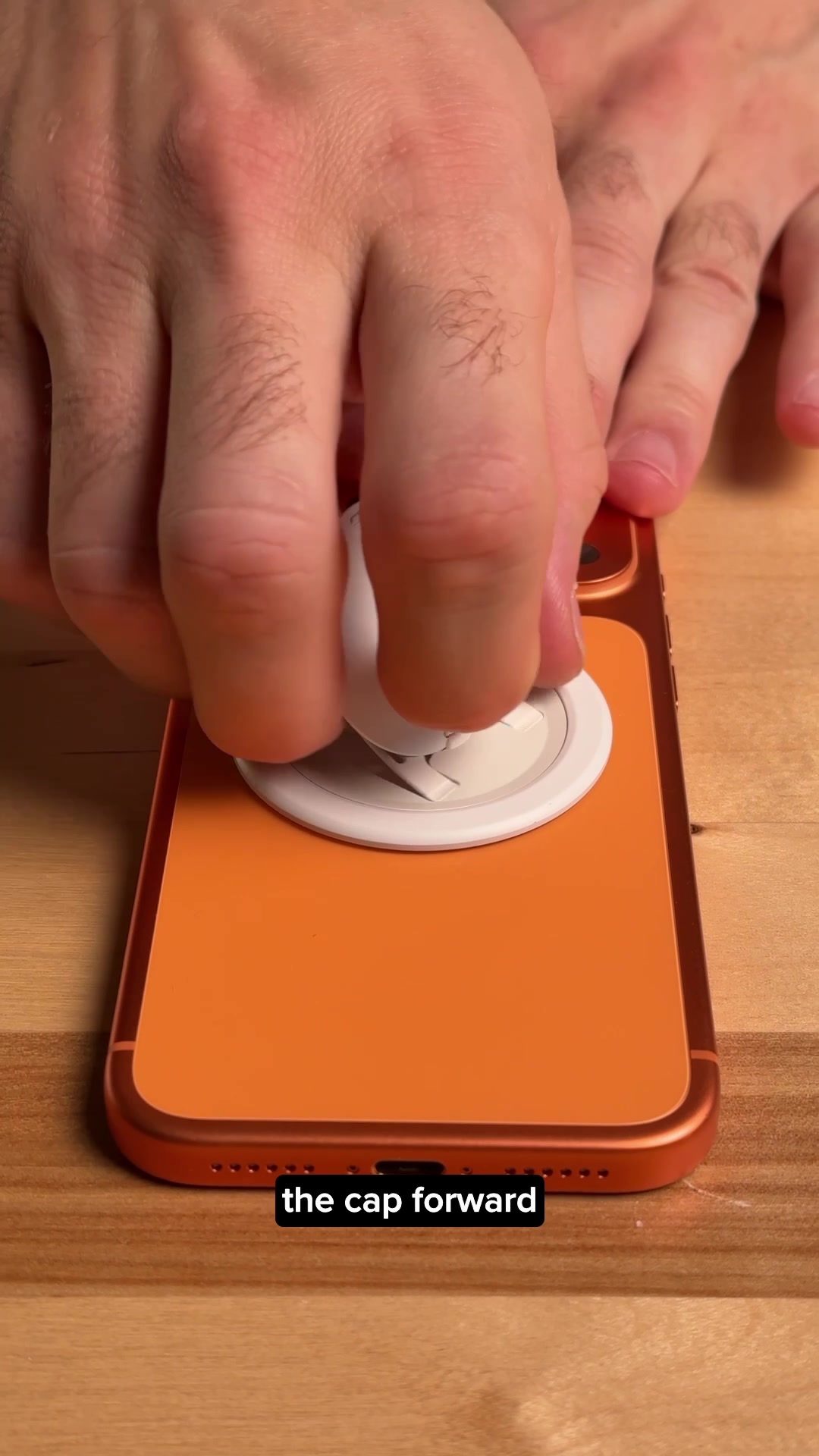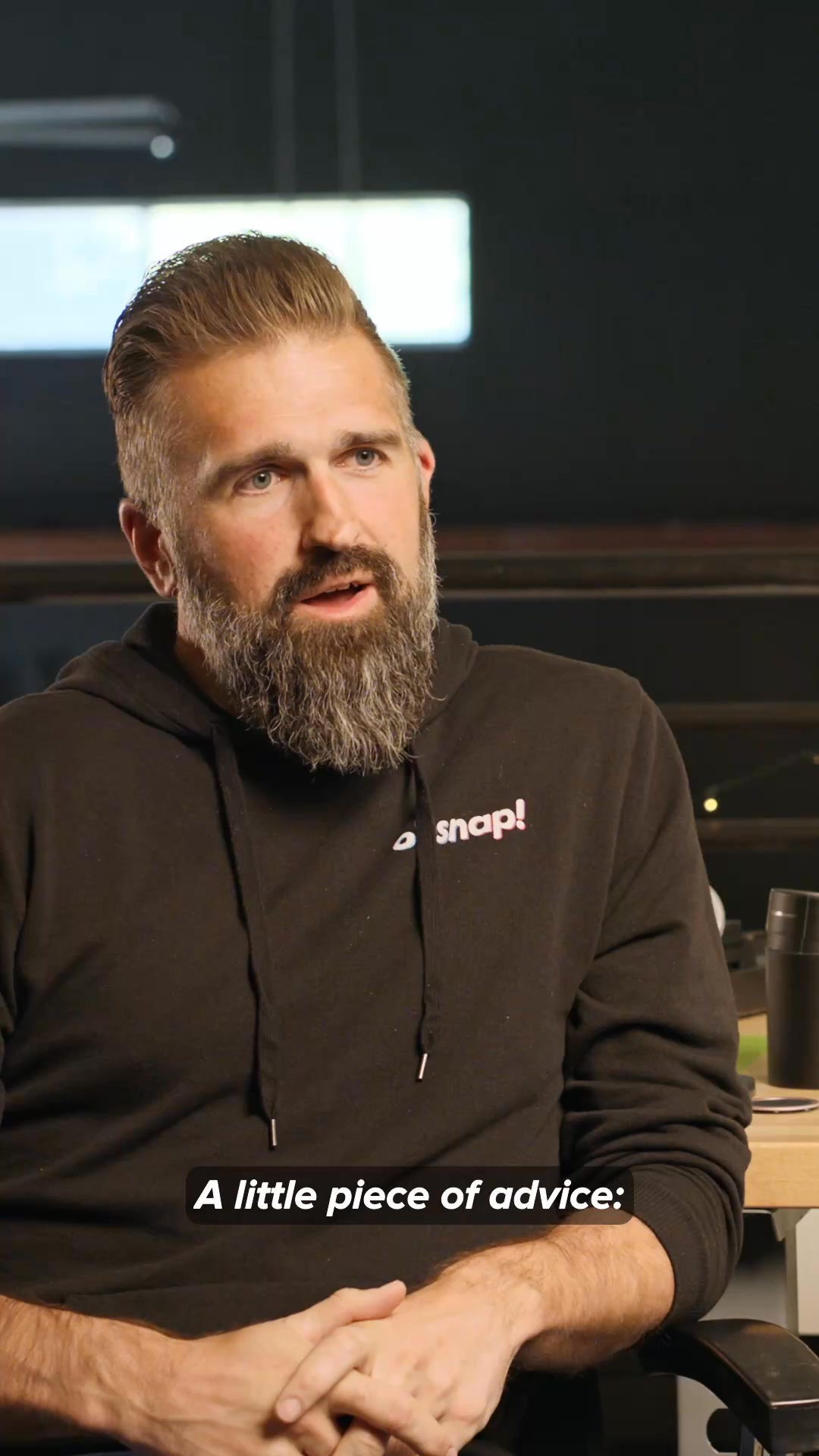
ŌURA's talking head b-roll ad is a 74-second tech & gadgets video creative decoded by Heista into 7 structural beats with 25 total cuts. ŌURA's full brand intelligence
PATTERNMAP™
Loading PatternMap...
Ad Blueprint
Talking Head B-Roll
CategoryTech Gadgets
AngleHow To Tutorial
NarrativeProduct First
IntentDiscovery Education Driver
Hook Type
Contradiction Hook
6.5sDuration
2Shots
4.7sAvg Shot
Energy
Cut Points
6.1s
Psychology
Competence Restoration
Behavioral ApproachSell Product Direct
Step Clarity
Solution Assurance
Competence Reframing
Knowledge Simplification
Every winning ad has a formula. Heista decodes it in seconds.
ŌURA Ad Decoded — Contradiction Hook Analysis (74s)
ŌURA's talking head b-roll ad is a 74-second tech & gadgets creative decoded by Heista into 7 structural beats. It opens with a Contradiction hook — This leverages Contradiction Hook by flipping the common belief that sleep is secondary, creating immediate cognitive dissonance. The “single most important metric” framing triggers Authority/Specificity Bias (a metric sounds objective and non-negotiable), while “you should be” activates Normative Pressure—viewers feel compelled to align their behavior (tracking) with the new standard. The psychological mission is Competence Restoration: The viewer feels empowered to track sleep confidently and clearly, gaining control over progress by turning vague habits into trustworthy, actionable trends. The ad has 25 cuts at an average of 5.7s per cut, with an average beat duration of 10.6s.
Key Takeaways
- Opens with a Contradiction hook
- Activates Competence Restoration psychology
- Part of ŌURA's full ad strategy
- 25 cuts, averaging 5.7s per cut
Overview
Contradiction Hook
This leverages Contradiction Hook by flipping the common belief that sleep is secondary, creating immediate cognitive dissonance. The “single most important metric” framing triggers Authority/Specificity Bias (a metric sounds objective and non-negotiable), while “you should be” activates Normative Pressure—viewers feel compelled to align their behavior (tracking) with the new standard. Contradiction hook deep-dive
Beat-by-Beat Breakdown
Beat 2 (0:00-0:06) — Contradiction Hook: It opens with a direct contradiction to the viewer’s likely assumption that sleep is just “nice to have,” by declaring: “Sleep is the single most important metric in your life.” Then it escalates into a judgment: “so if you're not tracking it, you should be.”
Beat 3 (0:06-0:18) — Authority Setup: The speaker establishes credibility by referencing personal experience: “I think the best way…” followed by “I’ve done the put my phone on the side of my bed…”. This frames the sleep-tracking advice as something they’ve already tested in real life, not just theory.
Beat 4 (0:18-0:33) — Function Demonstration: It demonstrates the ring’s function by describing exactly what you can do with the data: “You can look over your chart and figure out if you're starting to trend the wrong way or the right way.” This turns the product claim into a concrete, viewer-performed action (checking a chart to detect direction).
Beat 5 (0:33-0:44) — Hidden Problem: It reframes the viewer’s training focus by asking a pointed question: “but are you tracking your sleep?” Then it reveals the underlying cause of missed performance gains: “Your sleep is what sets you up for those runs and those PRs.” Finally, it heightens tension by warning that without monitoring “the trends and the ebbs and flows,” “you’re missing out.”
Beat 6 (0:44-0:58) — Function Demonstration: It explains how the device works in plain terms: “You put it on your finger and you forget about it. It passively tracks your activity and your sleep.” It adds a capability expansion with “It'll even track activity that you didn't know you did,” showing the tracking runs automatically and catches hidden activity.
Beat 7 (0:58-1:07) — Live Result: The speaker validates the data by referencing a real-time phone alert: “Yesterday, this thing popped on my phone… you had activity from 5:20 to 5:30.” They then connect it to a concrete action they did—“cleaning the whole main floor”—and conclude, “That makes me feel like I can trust the data.”
Beat 8 (1:07-1:14) — Confusion → Clarity: It reframes goal-setting from “just set goals” into a clear tracking mechanism: “track your sleep and daily activities” so you can “figure out if you’re actually making progress.” In this moment, it turns an ambiguous question (“am I progressing?”) into a concrete way to measure it.
Behavioral Psychology
This ad activates Competence Restoration as its primary behavioral mission. The viewer feels empowered to track sleep confidently and clearly, gaining control over progress by turning vague habits into trustworthy, actionable trends. Competence Restoration behavioral mission
Structural Fingerprint
Duration: 74 seconds. Beat count: 7. Total cuts: 25. Average beat duration: 10.6s. Average cut duration: 5.7s. Average visual energy: 4.4/10.
Frequently Asked Questions
Why does this ŌURA ad work? This ŌURA talking head b-roll ad opens with a Contradiction hook that captures attention in the first 3 seconds. The psychological architecture activates Competence Restoration across 7 structural beats, each contributing a specific persuasion mechanism.
What hook does ŌURA use in this ad? ŌURA opens with a Contradiction hook. This leverages Contradiction Hook by flipping the common belief that sleep is secondary, creating immediate cognitive dissonance. The “single most important metric” framing triggers Authority/Specificity Bias (a metric sounds objective and non-negotiable), while “you should be” activates Normative Pressure—viewers feel compelled to align their behavior (tracking) with the new standard.
What psychology does this ŌURA ad activate? This ad activates Competence Restoration as its primary behavioral mission. The viewer feels empowered to track sleep confidently and clearly, gaining control over progress by turning vague habits into trustworthy, actionable trends.
How long is this ŌURA ad and what's the structure? This ad runs 74 seconds with 7 structural beats and 25 cuts. Average cut duration is 5.7s. The pattern flow follows a full format structure common in talking head b-roll ads.
What platform is this ŌURA ad running on? This talking head b-roll ad is running on facebook. The tech & gadgets vertical typically sees strong performance on this platform for talking head b-roll creative structures.
What makes this different from other tech & gadgets ads? Most tech & gadgets ads lean on generic format templates. ŌURA's version uses a distinct Contradiction hook structure paired with Competence Restoration — a combination that over-indexes in high-performing tech & gadgets creative.