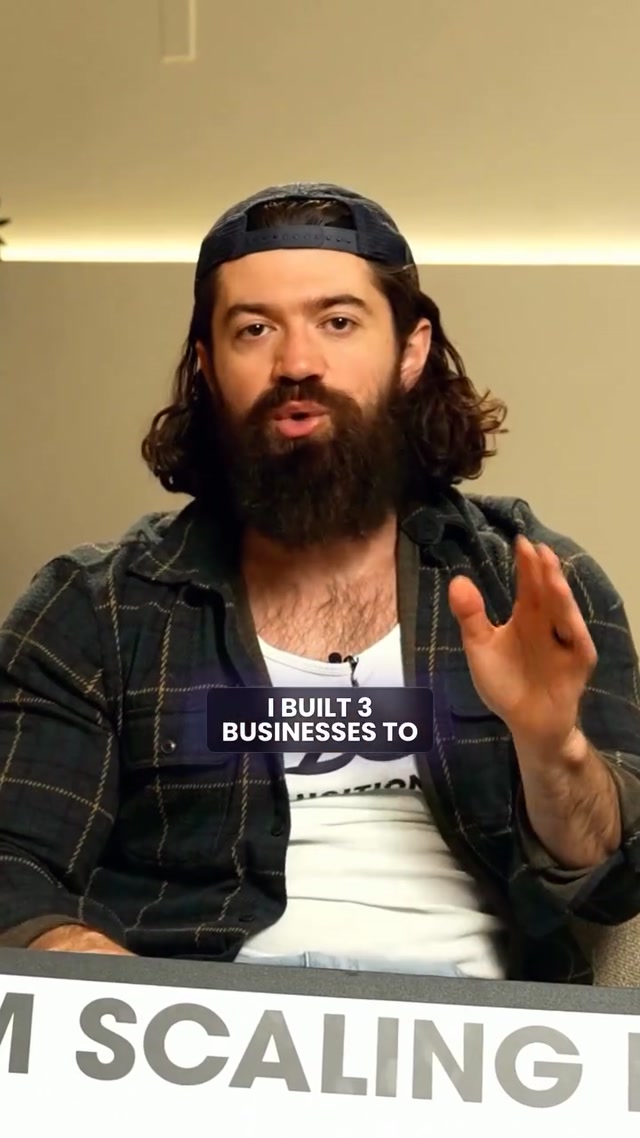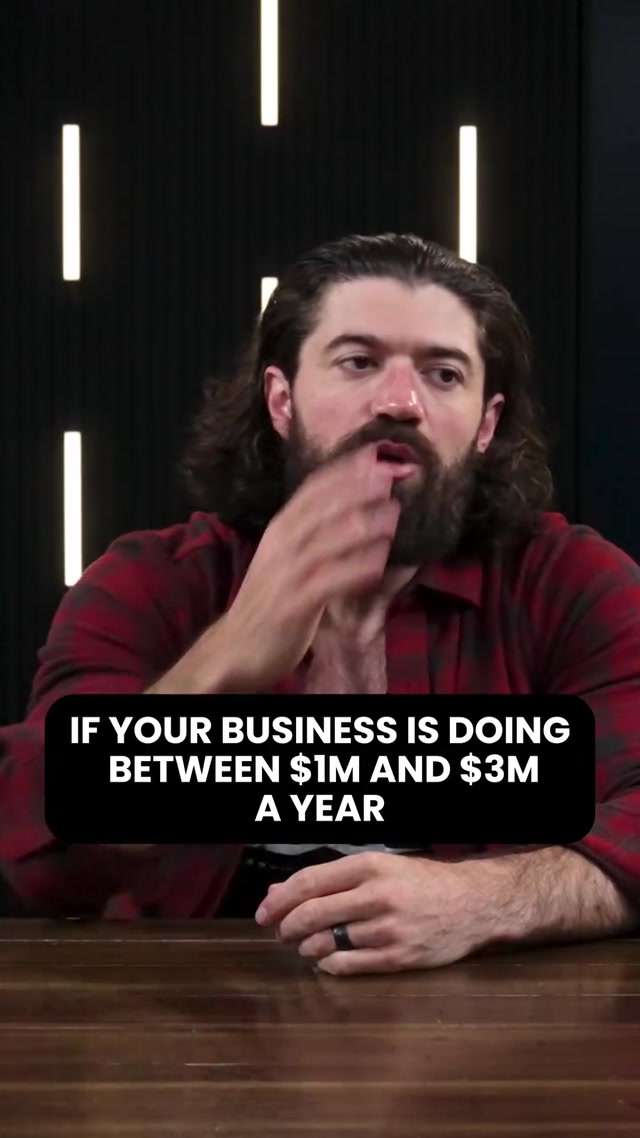
Mr. Paid Social's talking head screen ad is a 547-second info products video creative decoded by Heista into 9 structural beats with 36 total cuts. Mr. Paid Social's full brand intelligence · Info Products ad hooks
PATTERNMAP™
Loading PatternMap...
Ad Blueprint
Talking Head Screen
CategoryInfo Products
AngleHow To Tutorial
NarrativeMechanism Explainer
IntentValue Stack Acceleration
Hook Type
Contradiction Hook
18.5sDuration
1Shots
18.9sAvg Shot
Energy
Psychology
Curiosity Gap
Behavioral ApproachDemand Generation Prime
Open Loop Tease
Information Withholding
Micro Reveal
Baited Resolution
Temporal Delay
Every winning ad has a formula. Heista decodes it in seconds.
Mr. Paid Social Ad Decoded — Contradiction Hook Analysis (547s)
Mr. Paid Social's talking head screen ad is a 547-second info products creative decoded by Heista into 9 structural beats. It opens with a Contradiction hook — This leverages Contradiction Hook by telling the viewer their current understanding is wrong, creating immediate cognitive dissonance and attention. The “99%” claim amplifies that effect via Social Proof/majority framing, making the correction feel urgent and worth checking. Finally, naming “Andromeda” turns the vague promise of correction into a concrete target, increasing the likelihood the viewer stays to see the “right” explanation. The psychological mission is Curiosity Gap: The viewer stays engaged through repeated promises of a “best resource” and a full breakdown, then gradually receives the system pieces and practical rules, resolving uncertainty into a clear sense of what to do next. The ad has 36 cuts at an average of 24.8s per cut, with an average beat duration of 60.7s.
Key Takeaways
Overview
Contradiction Hook
This leverages Contradiction Hook by telling the viewer their current understanding is wrong, creating immediate cognitive dissonance and attention. The “99%” claim amplifies that effect via Social Proof/majority framing, making the correction feel urgent and worth checking. Finally, naming “Andromeda” turns the vague promise of correction into a concrete target, increasing the likelihood the viewer stays to see the “right” explanation. Contradiction hook deep-dive
Beat-by-Beat Breakdown
Beat 2 (0:00-0:18) — Contradiction Hook: It opens by directly contradicting the viewer’s expectation: “99% of all media buyers and advertisers get completely wrong.” Then it escalates with a promise of a specific fix/insight: “And that's Andromeda.” This frames the upcoming content as a correction to a widely held (but wrong) belief.
Beat 3 (0:18-0:55) — Authority Setup: The speaker establishes credibility by using a strong guarantee: “I guarantee you this is going to be the best resource…”. They then frame the upcoming content as an expert breakdown: “I’m going to break it down for you.”
Beat 4 (0:55-1:32) — Hidden Problem: It calls out a “biggest misconception” that viewers have—“that Andromeda is the only thing”—then reframes the real issue: “In reality, Andromeda is one piece of a much larger system… and it’s literally just the filter.” This shifts the viewer from a surface-level belief to the underlying system-level truth, creating tension around being misled by an incomplete mental model.
Beat 5 (1:32-4:15) — Feature Cascade: It delivers a rapid-fire feature cascade of the system’s components: “creative variants create thousands of permutations; Andromeda filters out 90% noise; then lattice… liquidity/budget flow… use all placements… sequential learning (ad order), and GEM (LLM for delivery predicting next action).” In this mid/late delivery moment, the viewer’s brain is hit with dense, modular “parts” that collectively imply a complete, engineered solution rather than a single tip.
Beat 6 (4:15-6:32) — Repeatable Method: It lays out a repeatable Meta Ads setup method: “structure for budget liquidity with consolidated ad account,” then “example campaign/ad sets by personas and different ad formats,” and finally the operational rule “budget at campaign level so Meta chooses best angles and sequences.” This turns the advice into a reusable blueprint you can apply to new campaigns in 2026.
Beat 7 (6:32-7:50) — Loss Aversion Cue: It warns against turning off ads by tying that action to a specific revenue/efficiency loss: “Don’t turn your ads off anymore… if you turn off the podcast UGC that gets 80% spend, the comparison video tanks.” It then reframes the real lever as budget allocation: “spend allocation and what’s getting spent is the most important piece.”
Beat 8 (7:50-8:40) — Percentage Result: It recaps performance with multiple percentage lift figures: “Andromeda 8% lift; creative diversity 6% increase in conversions… sequential learning 3% bump… GEM 5% increase.” It also reinforces the method with a concrete action list: “use all placements; sequential learning… plus recommendations like broad, simplify structure, avoid macro targeting.”
Beat 9 (8:40-8:56) — Perspective Flip: It reframes “targeting” as something you do by matching the creative to the audience, not by picking an audience first. The line “creative is now the new targeting—match the creative to the audience” flips the viewer’s assumption that targeting is primarily about audience selection, then specifies how: “women in creative, native formats, local accents… visuals/text/people/environments determine who gets served.”
Beat 10 (8:56-9:06) — Community Invite: The close invites viewers into a specific group: “join my private school community…”. It also layers a follow/share nudge (“consider giving me a follow and sharing…”) right before the community call, then ends with “Catch you on the next video.”
Behavioral Psychology
This ad activates Curiosity Gap as its primary behavioral mission. The viewer stays engaged through repeated promises of a “best resource” and a full breakdown, then gradually receives the system pieces and practical rules, resolving uncertainty into a clear sense of what to do next. Curiosity Gap behavioral mission
Structural Fingerprint
Duration: 547 seconds. Beat count: 9. Total cuts: 36. Average beat duration: 60.7s. Average cut duration: 24.8s. Average visual energy: 1/10. Info Products ad formula reference
Frequently Asked Questions
Why does this Mr. Paid Social ad work? This Mr. Paid Social talking head screen ad opens with a Contradiction hook that captures attention in the first 3 seconds. The psychological architecture activates Curiosity Gap across 9 structural beats, each contributing a specific persuasion mechanism.
What hook does Mr. Paid Social use in this ad? Mr. Paid Social opens with a Contradiction hook. This leverages Contradiction Hook by telling the viewer their current understanding is wrong, creating immediate cognitive dissonance and attention. The “99%” claim amplifies that effect via Social Proof/majority framing, making the correction feel urgent and worth checking. Finally, naming “Andromeda” turns the vague promise of correction into a concrete target, increasing the likelihood the viewer stays to see the “right” explanation.
What psychology does this Mr. Paid Social ad activate? This ad activates Curiosity Gap as its primary behavioral mission. The viewer stays engaged through repeated promises of a “best resource” and a full breakdown, then gradually receives the system pieces and practical rules, resolving uncertainty into a clear sense of what to do next.
How long is this Mr. Paid Social ad and what's the structure? This ad runs 547 seconds with 9 structural beats and 36 cuts. Average cut duration is 24.8s. The pattern flow follows a full format structure common in talking head screen ads.
What platform is this Mr. Paid Social ad running on? This talking head screen ad is running on facebook. The info products vertical typically sees strong performance on this platform for talking head screen creative structures.
What makes this different from other info products ads? Most info products ads lean on generic format templates. Mr. Paid Social's version uses a distinct Contradiction hook structure paired with Curiosity Gap — a combination that over-indexes in high-performing info products creative.