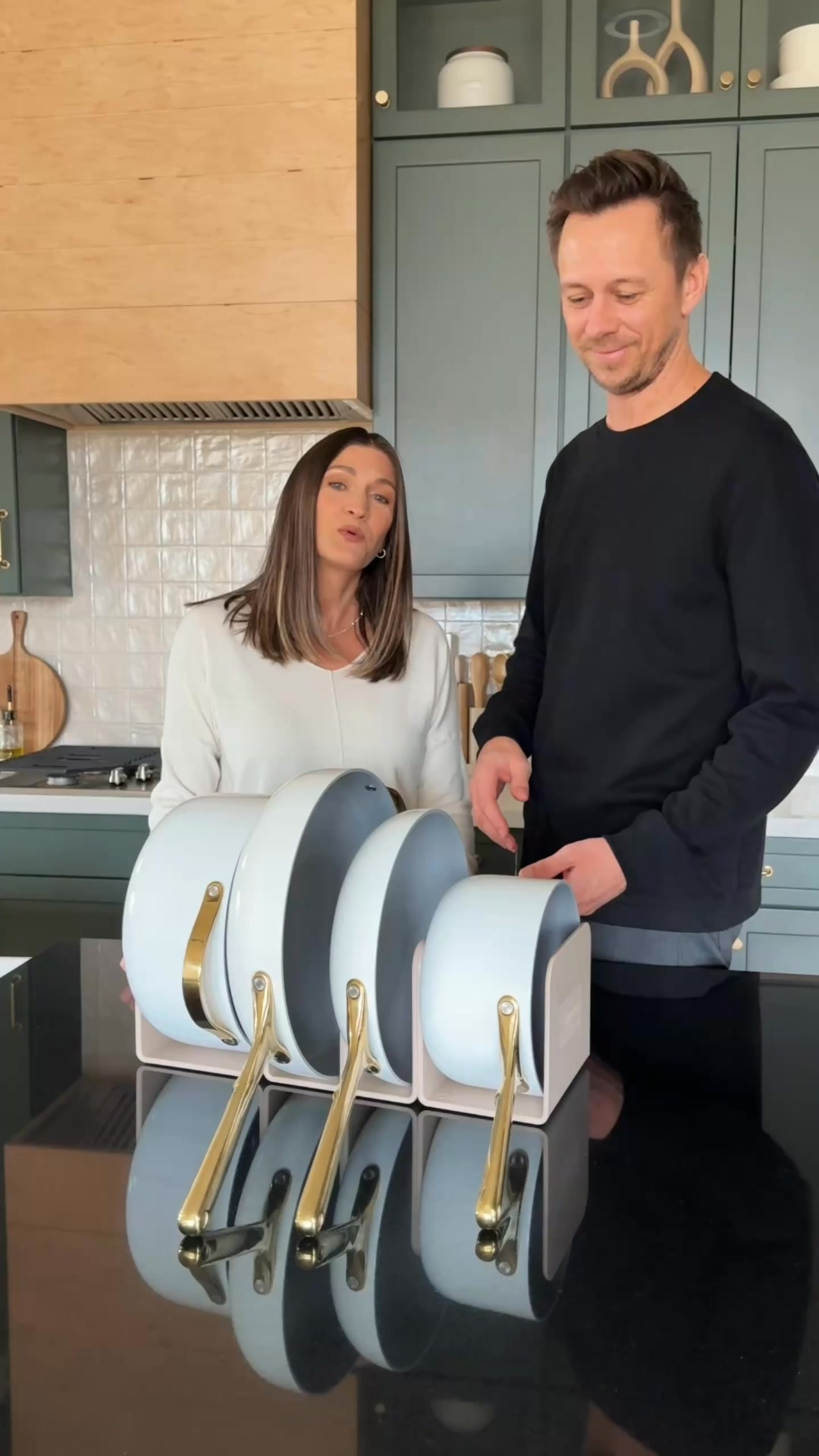
Caraway's voiceover b-roll ad is a 42-second home & living video creative decoded by Heista into 7 structural beats with 15 total cuts. Caraway's full brand intelligence
PATTERNMAP™
Loading PatternMap...
Ad Blueprint
Voiceover B-Roll
CategoryHome Living
AngleBehind The Scenes
NarrativeUGC Trust Demo
IntentSocial Proof Accelerator
Hook Type
Role-specific Opening
4.5sDuration
2Shots
3.4sAvg Shot
Energy
Cut Points
3.0s
Psychology
Social Validation
Behavioral ApproachSocial Proof Reinforce
Testimonial Reference
Consensus Cue
Social Norming
Every winning ad has a formula. Heista decodes it in seconds.
Caraway Ad Decoded — Role-Specific Opening Hook Analysis (42s)
Caraway's voiceover b-roll ad is a 42-second home & living creative decoded by Heista into 7 structural beats. It opens with a Role-Specific Opening hook — This leverages Authority Transfer and Role-Based Framing: by attaching the upgrade to “Carraway,” the viewer borrows credibility from that named partner and assumes the next steps will be competent and actionable. It also uses Commitment Priming—“together” signals shared participation, nudging the viewer to stay engaged to see the upgrade through. The psychological mission is Social Validation: The viewer feels reassured that others have already validated the product’s quality and ease, making the decision to upgrade feel safer and more credible. The ad has 15 cuts at an average of 2.7s per cut, with an average beat duration of 6s.
Key Takeaways
- Opens with a Role-Specific Opening hook
- Activates Social Validation psychology
- Part of Caraway's full ad strategy
- 15 cuts, averaging 2.7s per cut
Overview
Role-Specific Opening Hook
This leverages Authority Transfer and Role-Based Framing: by attaching the upgrade to “Carraway,” the viewer borrows credibility from that named partner and assumes the next steps will be competent and actionable. It also uses Commitment Priming—“together” signals shared participation, nudging the viewer to stay engaged to see the upgrade through. Role-Specific Opening hook deep-dive
Beat-by-Beat Breakdown
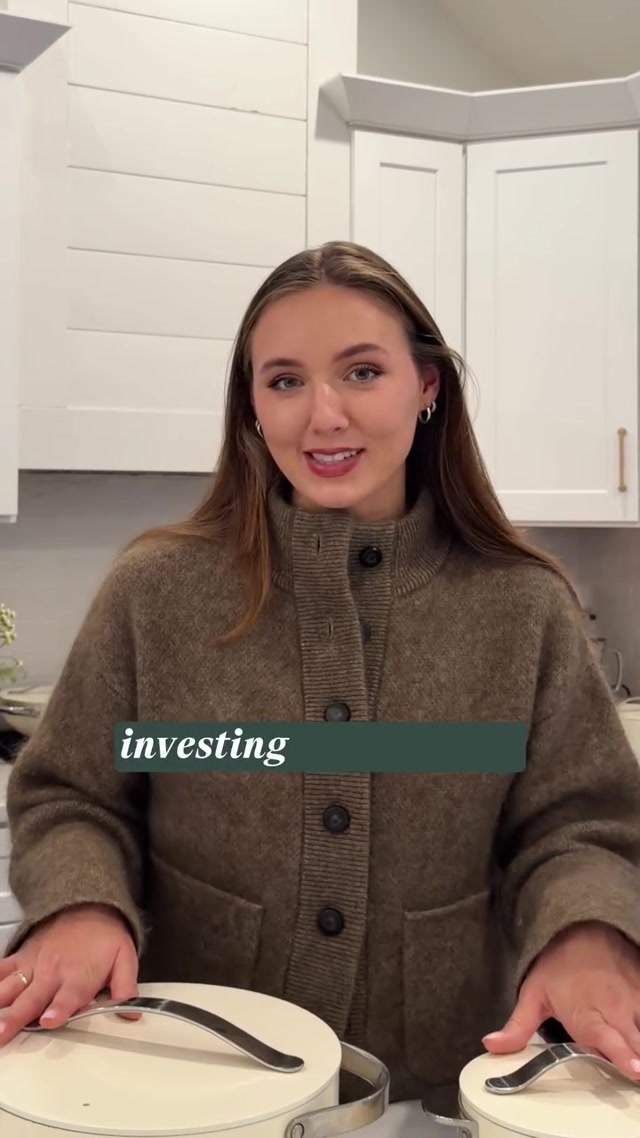
Beat 2 (0:00-0:04) — Role-Specific Opening: It frames the video as a guided, expert-led upgrade by naming the collaboration: “We’re upgrading our kitchen together with Carraway.” This positions the speaker as the organizer/coach of the process, not just a random presenter, so the viewer’s brain treats what’s coming as a structured improvement plan.
Beat 3 (0:04-0:12) — Goal Context: It states the motivation and desired outcome: “One of our biggest goals for the new year was to cook more,” then ties the choice to that objective (“Carraway was a clear choice for our much needed upgrade”). It also frames the benefit in terms of the system’s purpose: “The organization system keeps our kitchen space neat and tidy.”
Beat 4 (0:12-0:24) — Feature Cascade: The speaker runs a rapid-fire Feature Cascade of product benefits: “quality, the feel, and the ease of use… Everything is non-toxic, nothing sticks, cleanup takes no time at all,” stacking claim after claim in one breath. They then add a reinforcing outcome statement: “we know that we are cooking as clean as the food.”
Beat 5 (0:24-0:33) — Feature Cascade: The beat rapidly stacks multiple cutting-board claims—“FSC certified wood without any toxins,” “they're anti-microbial,” and “they have an easy to clean surface.” In this moment, it turns one product into a dense bundle of benefits, so the viewer can mentally tick off safety, hygiene, and convenience all at once.
Beat 6 (0:33-0:37) — Track Record Proof: The speaker validates the cutting boards by citing a personal, ongoing “track record” of preference and results: “They are my husband’s favorite cutting boards by far” and “we’re finding ourselves cooking at home way more often now.”
Beat 7 (0:37-0:41) — You're Not Failing: It reframes “health investing” from a vague, future promise into a present, observable win: “we are already noticing the benefits… We’re eating healthier, cooking together more.” It also adds a concrete payoff image (“our kitchen finally has tools that we’re proud to use and show off”), shifting the viewer from doubt to evidence.
Beat 8 (0:41-0:42) — Redirect: It directly tells viewers to go buy the product: “So shop Carraway now…”. It also pairs the purchase with an immediate outcome promise: “…and cook cleaner together.”
Behavioral Psychology
This ad activates Social Validation as its primary behavioral mission. The viewer feels reassured that others have already validated the product’s quality and ease, making the decision to upgrade feel safer and more credible. Social Validation behavioral mission
Structural Fingerprint
Duration: 42 seconds. Beat count: 7. Total cuts: 15. Average beat duration: 6s. Average cut duration: 2.7s. Average visual energy: 5.1/10.
Frequently Asked Questions
Why does this Caraway ad work? This Caraway voiceover b-roll ad opens with a Role-Specific Opening hook that captures attention in the first 3 seconds. The psychological architecture activates Social Validation across 7 structural beats, each contributing a specific persuasion mechanism.
What hook does Caraway use in this ad? Caraway opens with a Role-Specific Opening hook. This leverages Authority Transfer and Role-Based Framing: by attaching the upgrade to “Carraway,” the viewer borrows credibility from that named partner and assumes the next steps will be competent and actionable. It also uses Commitment Priming—“together” signals shared participation, nudging the viewer to stay engaged to see the upgrade through.
What psychology does this Caraway ad activate? This ad activates Social Validation as its primary behavioral mission. The viewer feels reassured that others have already validated the product’s quality and ease, making the decision to upgrade feel safer and more credible.
How long is this Caraway ad and what's the structure? This ad runs 42 seconds with 7 structural beats and 15 cuts. Average cut duration is 2.7s. The pattern flow follows a full format structure common in voiceover b-roll ads.
What platform is this Caraway ad running on? This voiceover b-roll ad is running on facebook. The home & living vertical typically sees strong performance on this platform for voiceover b-roll creative structures.
What makes this different from other home & living ads? Most home & living ads lean on generic format templates. Caraway's version uses a distinct Role-Specific Opening hook structure paired with Social Validation — a combination that over-indexes in high-performing home & living creative.