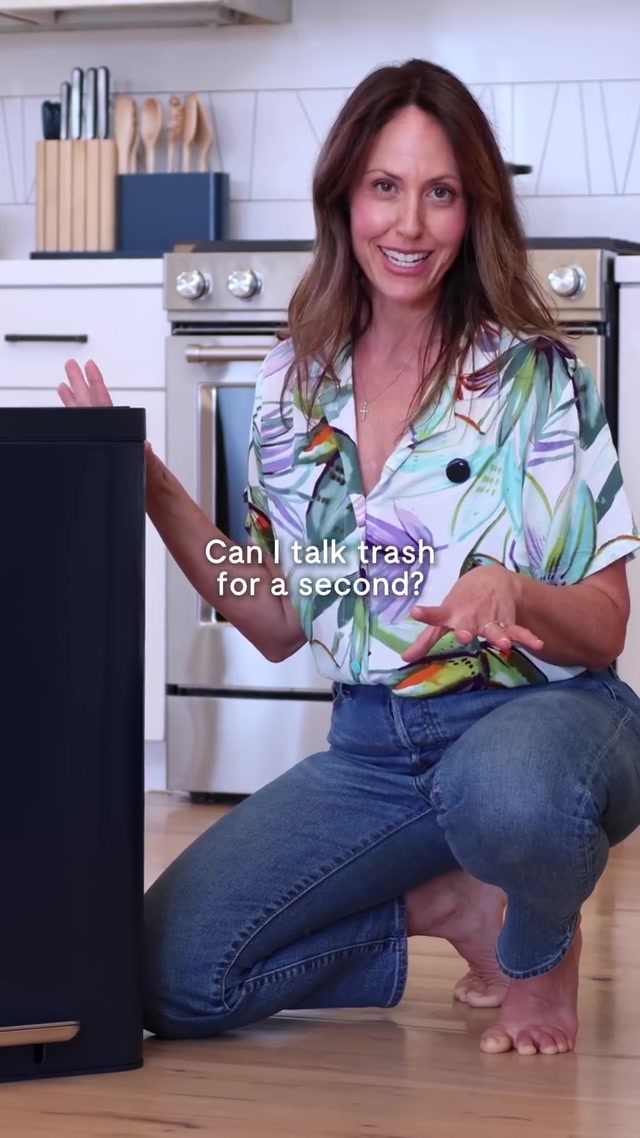
Caraway's talking head b-roll ad is a 78-second home & living video creative decoded by Heista into 7 structural beats with 37 total cuts. Caraway's full brand intelligence
PATTERNMAP™
Loading PatternMap...
Ad Blueprint
Talking Head B-Roll
CategoryHome Living
AngleProduct Launch
NarrativeSocial Proof
IntentValue Stack Acceleration
Hook Type
Provocation
6.5sDuration
4Shots
1.9sAvg Shot
Energy
Cut Points
1.6s5.0s6.4s
Psychology
Status Assertion
Behavioral ApproachPeer Recommend
Authority Claim
Competence Display
Proof Credential
Dominant Posture Language
Every winning ad has a formula. Heista decodes it in seconds.
Caraway Ad Decoded — Provocation Hook Analysis (78s)
Caraway's talking head b-roll ad is a 78-second home & living creative decoded by Heista into 7 structural beats. It opens with a Provocation hook — This leverages Provocation by framing the first moment as “talk trash,” which spikes emotional arousal and signals an unusual tone shift that the viewer can’t mentally “place” yet. The follow-up “I’m absolutely obsessed” functions as Emotional Arousal + Certainty Signal: it declares strong stance early, making the viewer stay to understand why the product (a “trash can”) deserves that intensity. The psychological mission is Status Assertion: The viewer feels confident that this brand is an expert category-rethinker and that choosing this trash can is a smart, premium upgrade worth matching their lifestyle. The ad has 37 cuts at an average of 2.3s per cut, with an average beat duration of 11.1s.
Key Takeaways
- Opens with a Provocation hook
- Activates Status Assertion psychology
- Part of Caraway's full ad strategy
- 37 cuts, averaging 2.3s per cut
Overview
Provocation Hook
This leverages Provocation by framing the first moment as “talk trash,” which spikes emotional arousal and signals an unusual tone shift that the viewer can’t mentally “place” yet. The follow-up “I’m absolutely obsessed” functions as Emotional Arousal + Certainty Signal: it declares strong stance early, making the viewer stay to understand why the product (a “trash can”) deserves that intensity. Provocation hook deep-dive
Beat-by-Beat Breakdown
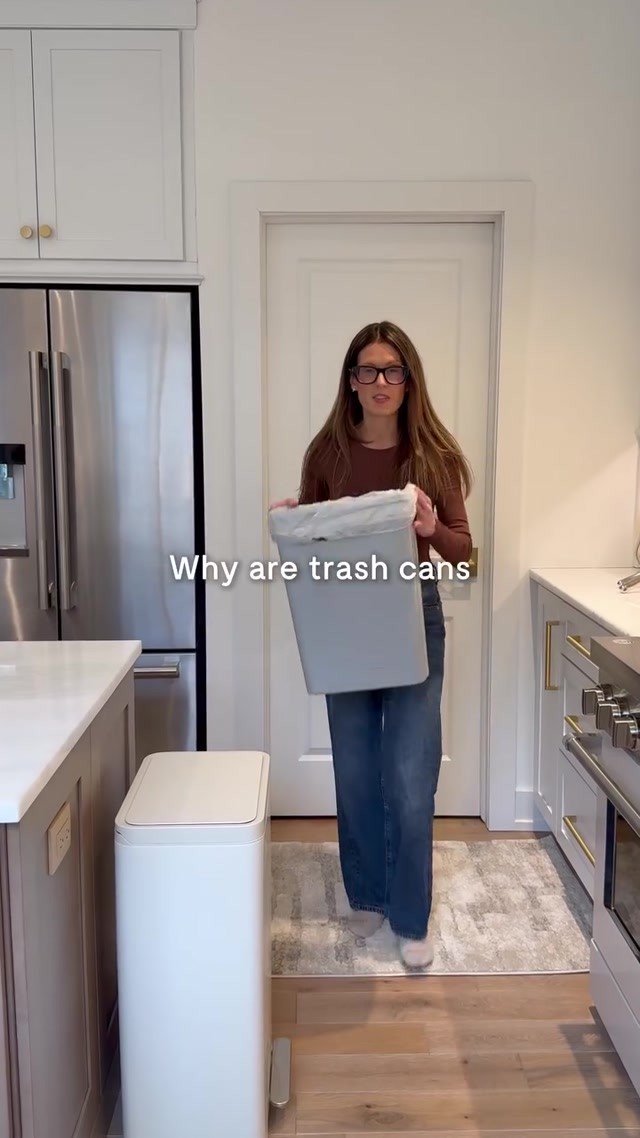
Beat 2 (0:00-0:06) — Provocation: It opens with permission to be inflammatory: “Can I talk trash for a second?” followed immediately by an enthusiastic, biasing claim: “Because Carraway just launched a brand new trash can and I’m absolutely obsessed.”
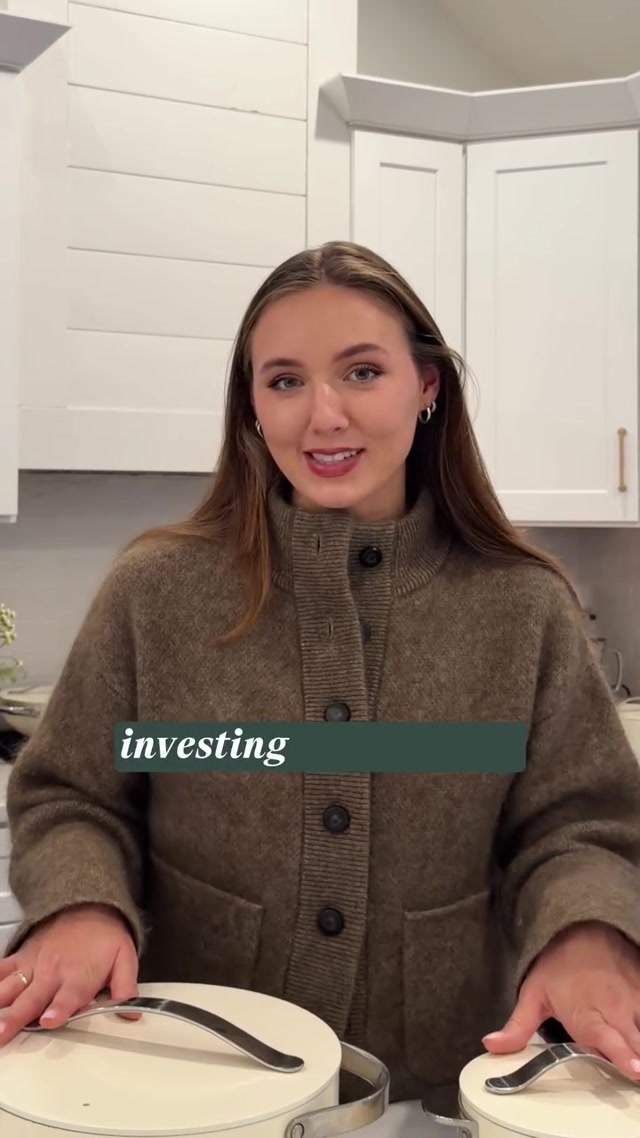
Beat 3 (0:06-0:13) — Authority Setup: It frames the speaker as a reliable evaluator by claiming prior pattern-based experience: “When Carraway launches something, I already know it's gonna be good.” It then bolsters that credibility with domain-specific judgment criteria: “They don't just put products out. They rethink the category and they're so thoughtful with what they design.”
Beat 4 (0:13-0:23) — Inefficiency Pain: It details a long-running, lived-in failure of the trash can—“For years, mine was just there, bulky, loud, always showing fingerprints, bag would never fit right, it didn't match my kitchen, and I definitely didn't want it visible”—stacking multiple small frictions that make daily use annoying and feel like wasted effort. In this moment, the viewer is mentally cataloging each inconvenience as proof that the current setup is costing comfort and time.
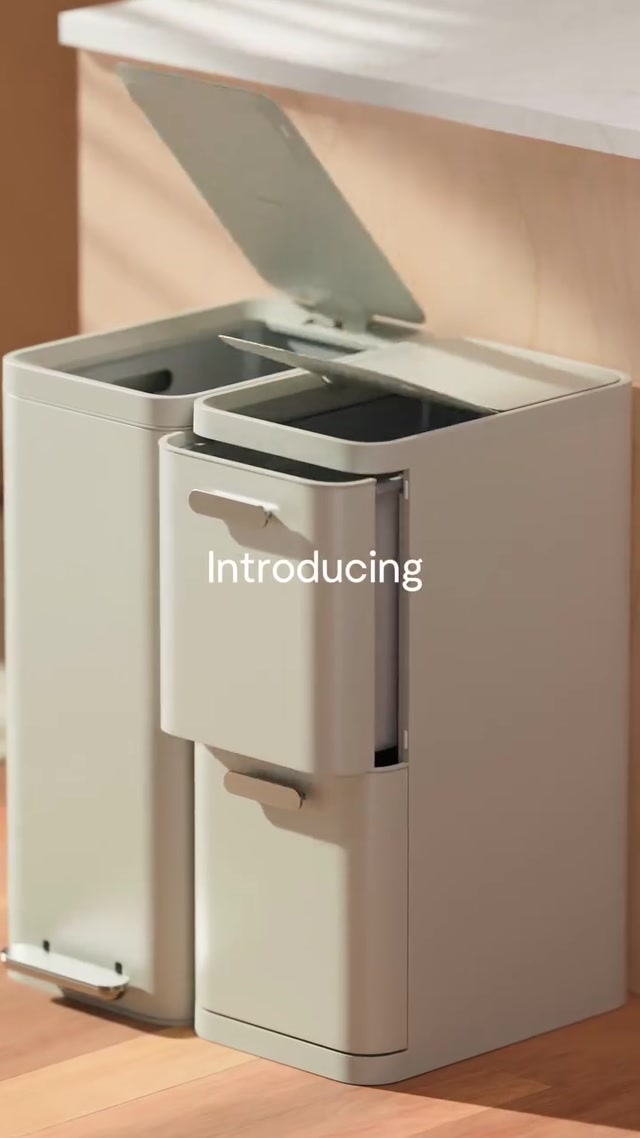
Beat 5 (0:23-1:02) — Feature Cascade: It runs a rapid-fire Feature Cascade that stacks multiple product attributes in one breath: “clean silhouette, matte finish, fingerprint resistant… seals in odors… fits a standard 13-gallon bag… pedal is tested 250,000 times… lid is soft close and completely silent… slim… larger… dual system.”
Beat 6 (1:02-1:12) — Track Record Proof: It gives a personal “track record” style validation by stacking outcomes from prior use: “I’ve upgraded my cookware, my storage, and my prep… This was the final piece that brought everything together.” The beat turns Caraway from a claim into a demonstrated, accumulated result in the speaker’s own life.
Beat 7 (1:12-1:17) — Confusion → Clarity: It gives a direct visual standard: “This is what trash and recycling should look like.” That shifts the viewer from uncertainty about what’s correct to a clear reference target.
Beat 8 (1:17-1:17) — Direct CTA: It issues a direct purchase instruction: “Get yours today.”
Behavioral Psychology
This ad activates Status Assertion as its primary behavioral mission. The viewer feels confident that this brand is an expert category-rethinker and that choosing this trash can is a smart, premium upgrade worth matching their lifestyle. Status Assertion behavioral mission
Structural Fingerprint
Duration: 78 seconds. Beat count: 7. Total cuts: 37. Average beat duration: 11.1s. Average cut duration: 2.3s. Average visual energy: 6.6/10.
Frequently Asked Questions
Why does this Caraway ad work? This Caraway talking head b-roll ad opens with a Provocation hook that captures attention in the first 3 seconds. The psychological architecture activates Status Assertion across 7 structural beats, each contributing a specific persuasion mechanism.
What hook does Caraway use in this ad? Caraway opens with a Provocation hook. This leverages Provocation by framing the first moment as “talk trash,” which spikes emotional arousal and signals an unusual tone shift that the viewer can’t mentally “place” yet. The follow-up “I’m absolutely obsessed” functions as Emotional Arousal + Certainty Signal: it declares strong stance early, making the viewer stay to understand why the product (a “trash can”) deserves that intensity.
What psychology does this Caraway ad activate? This ad activates Status Assertion as its primary behavioral mission. The viewer feels confident that this brand is an expert category-rethinker and that choosing this trash can is a smart, premium upgrade worth matching their lifestyle.
How long is this Caraway ad and what's the structure? This ad runs 78 seconds with 7 structural beats and 37 cuts. Average cut duration is 2.3s. The pattern flow follows a full format structure common in talking head b-roll ads.
What platform is this Caraway ad running on? This talking head b-roll ad is running on facebook. The home & living vertical typically sees strong performance on this platform for talking head b-roll creative structures.
What makes this different from other home & living ads? Most home & living ads lean on generic format templates. Caraway's version uses a distinct Provocation hook structure paired with Status Assertion — a combination that over-indexes in high-performing home & living creative.