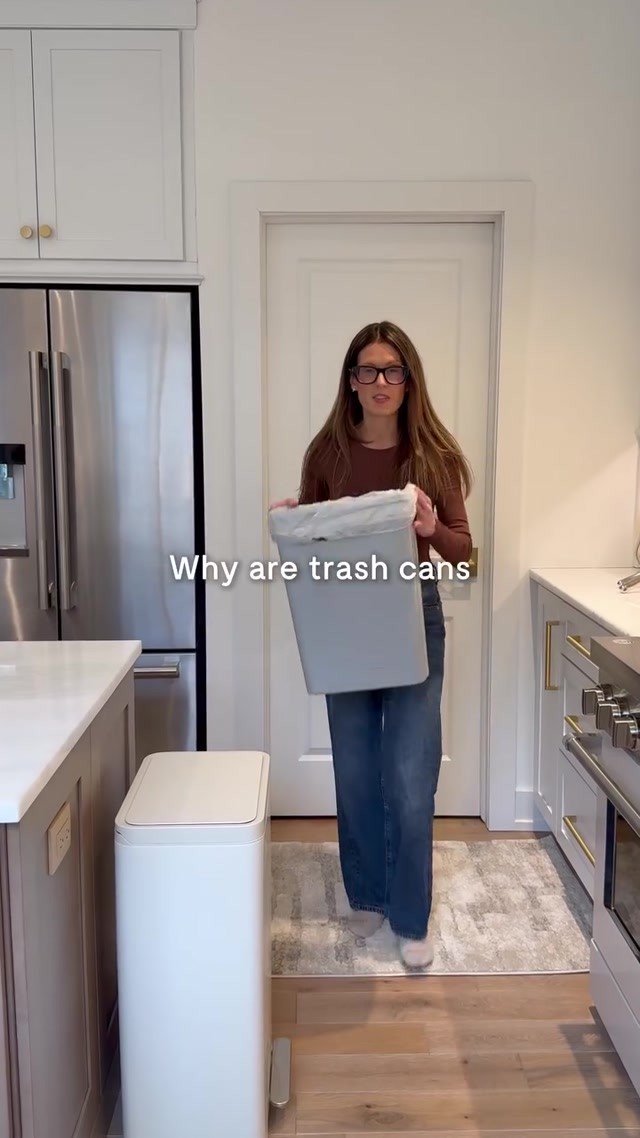
Caraway's talking head b-roll ad is a 55-second home & living video creative decoded by Heista into 7 structural beats with 32 total cuts. Caraway's full brand intelligence
PATTERNMAP™
Loading PatternMap...
Ad Blueprint
Talking Head B-Roll
CategoryHome Living
AngleAspirational Identity
NarrativeProduct First
IntentValue Stack Acceleration
Hook Type
Contradiction Hook
7.5sDuration
4Shots
2.0sAvg Shot
Energy
Cut Points
2.5s5.8s6.8s
Psychology
Competence Restoration
Behavioral ApproachPeer Recommend
Step Clarity
Solution Assurance
Competence Reframing
Knowledge Simplification
Every winning ad has a formula. Heista decodes it in seconds.
Caraway Ad Decoded — Contradiction Hook Analysis (55s)
Caraway's talking head b-roll ad is a 55-second home & living creative decoded by Heista into 7 structural beats. It opens with a Contradiction hook — This leverages Contradiction Hook by flipping the default belief that “ugly is normal” into “it should fit.” That contradiction activates Cognitive Dissonance, so the viewer keeps watching to resolve why the world violates the rule they just articulated. The “every day” framing adds Salience Bias—because it’s daily and visible, the mismatch feels personally relevant, making it harder to dismiss. The psychological mission is Competence Restoration: The viewer feels capable of choosing a trash setup that truly matches their space, with confident reassurance that it will fit their needs and eliminate odor problems. The ad has 32 cuts at an average of 2.3s per cut, with an average beat duration of 7.9s.
Key Takeaways
- Opens with a Contradiction hook
- Activates Competence Restoration psychology
- Part of Caraway's full ad strategy
- 32 cuts, averaging 2.3s per cut
Overview
Contradiction Hook
This leverages Contradiction Hook by flipping the default belief that “ugly is normal” into “it should fit.” That contradiction activates Cognitive Dissonance, so the viewer keeps watching to resolve why the world violates the rule they just articulated. The “every day” framing adds Salience Bias—because it’s daily and visible, the mismatch feels personally relevant, making it harder to dismiss. Contradiction hook deep-dive
Beat-by-Beat Breakdown
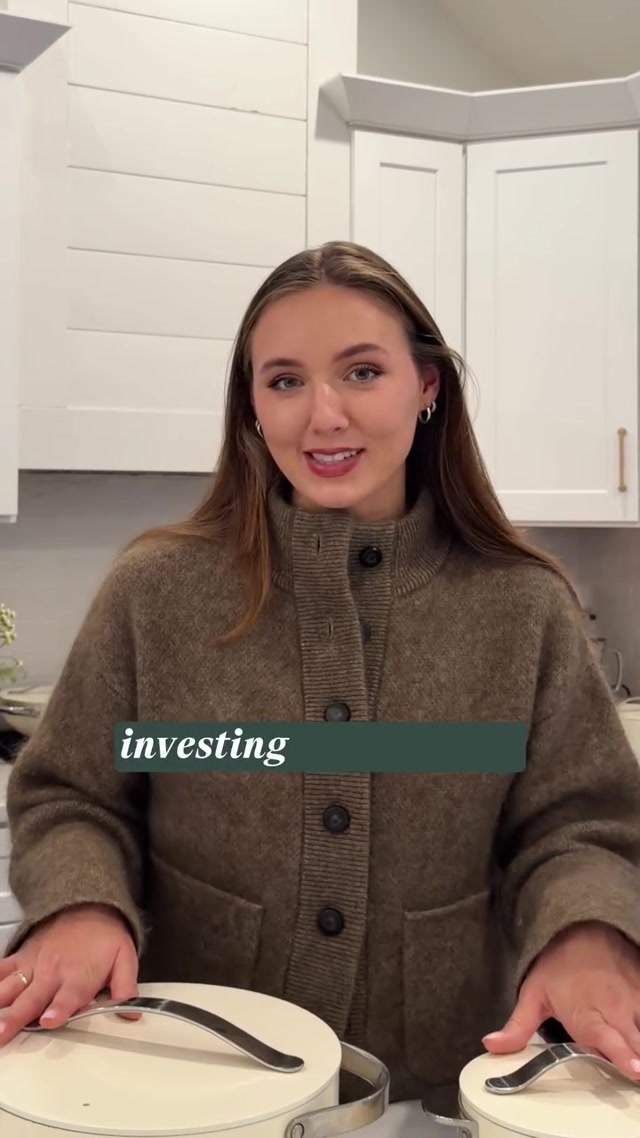
Beat 2 (0:00-0:07) — Contradiction Hook: It challenges a common assumption with the line “Why are trash cans always so ugly?” and then immediately reframes the expectation: “If it's in your kitchen every day, it should look like it belongs there.” This sets up a tension between “always so ugly” (what people accept) and “it should look like it belongs there” (what the viewer is led to expect).
Beat 3 (0:07-0:16) — Relatability Setup: The speaker frames the product around their own lived home-lifestyle problem: they “kept my trash can hidden under the sink” because it “didn't fit the vibe of my kitchen,” then contrasts it with the new one that “matches my aesthetic” and “genuinely looks like a design piece.” This puts the viewer in the same situation—someone who wants function without ruining the look—and signals the emotional payoff (stopped hiding the ugly-but-necessary item).
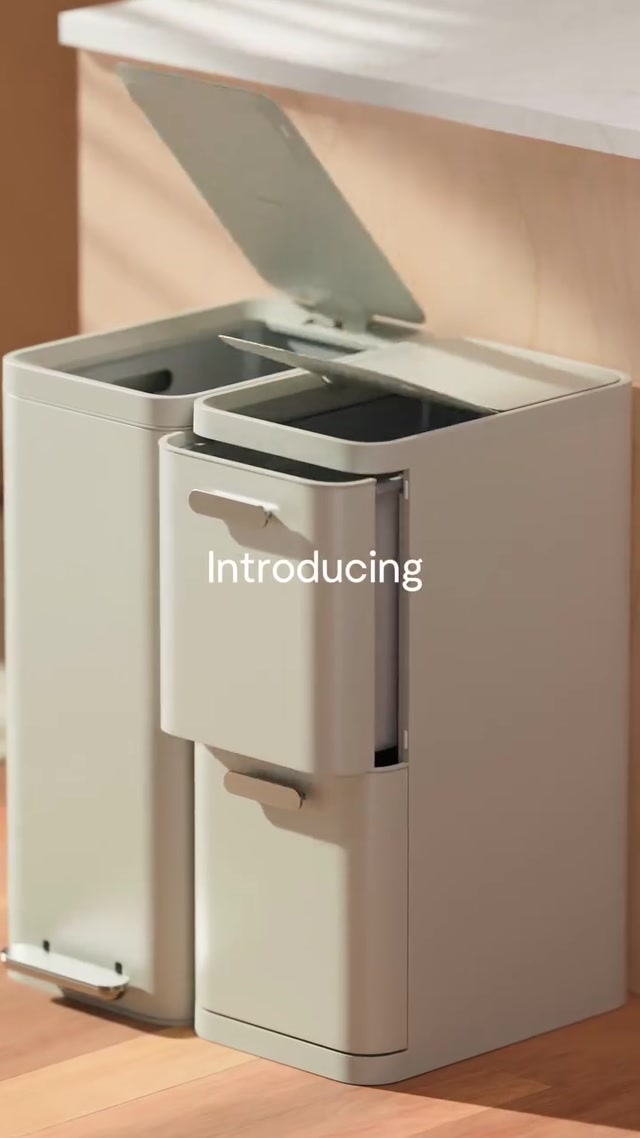
Beat 4 (0:16-0:33) — Feature Cascade: It strings together a rapid feature list: “rounded corners, coated stainless steel, and premium hardware” and then adds a specific standout function with “The soft-close lid is a game changer.” It keeps stacking value signals before the viewer can mentally disengage.
Beat 5 (0:33-0:42) — Feature Breakdown: It explains the bin’s configuration flexibility as a specific feature: “There are two different trash bin sizes so you can configure it to your space.” Then it zooms in on a personal-recommended component/use-case: “My personal favorite is the two-drawer recycle bin. It makes sorting so much easier.”
Beat 6 (0:42-0:49) — Feature Breakdown: The speaker calls out a specific product attribute—“it comes in multiple colorways too”—and immediately states the use-case it unlocks: “so you can actually coordinate it with your kitchen and Carraway pieces.” This frames the colors as a functional benefit rather than decoration, nudging viewers to imagine matching their own space as they watch.
Beat 7 (0:49-0:52) — Hidden Truth: It delivers a terse, design-focused secret: “Display-worthy design.” The phrase frames the next idea as a specific standard the viewer can use as a hidden criterion, not a vague taste judgment.
Beat 8 (0:52-0:54) — Direct CTA: It issues a direct purchase instruction: “Get yours today!”—explicitly telling the viewer to take immediate action to obtain the product/offer.
Behavioral Psychology
This ad activates Competence Restoration as its primary behavioral mission. The viewer feels capable of choosing a trash setup that truly matches their space, with confident reassurance that it will fit their needs and eliminate odor problems. Competence Restoration behavioral mission
Structural Fingerprint
Duration: 55 seconds. Beat count: 7. Total cuts: 32. Average beat duration: 7.9s. Average cut duration: 2.3s. Average visual energy: 6.6/10.
Frequently Asked Questions
Why does this Caraway ad work? This Caraway talking head b-roll ad opens with a Contradiction hook that captures attention in the first 3 seconds. The psychological architecture activates Competence Restoration across 7 structural beats, each contributing a specific persuasion mechanism.
What hook does Caraway use in this ad? Caraway opens with a Contradiction hook. This leverages Contradiction Hook by flipping the default belief that “ugly is normal” into “it should fit.” That contradiction activates Cognitive Dissonance, so the viewer keeps watching to resolve why the world violates the rule they just articulated. The “every day” framing adds Salience Bias—because it’s daily and visible, the mismatch feels personally relevant, making it harder to dismiss.
What psychology does this Caraway ad activate? This ad activates Competence Restoration as its primary behavioral mission. The viewer feels capable of choosing a trash setup that truly matches their space, with confident reassurance that it will fit their needs and eliminate odor problems.
How long is this Caraway ad and what's the structure? This ad runs 55 seconds with 7 structural beats and 32 cuts. Average cut duration is 2.3s. The pattern flow follows a full format structure common in talking head b-roll ads.
What platform is this Caraway ad running on? This talking head b-roll ad is running on facebook. The home & living vertical typically sees strong performance on this platform for talking head b-roll creative structures.
What makes this different from other home & living ads? Most home & living ads lean on generic format templates. Caraway's version uses a distinct Contradiction hook structure paired with Competence Restoration — a combination that over-indexes in high-performing home & living creative.